
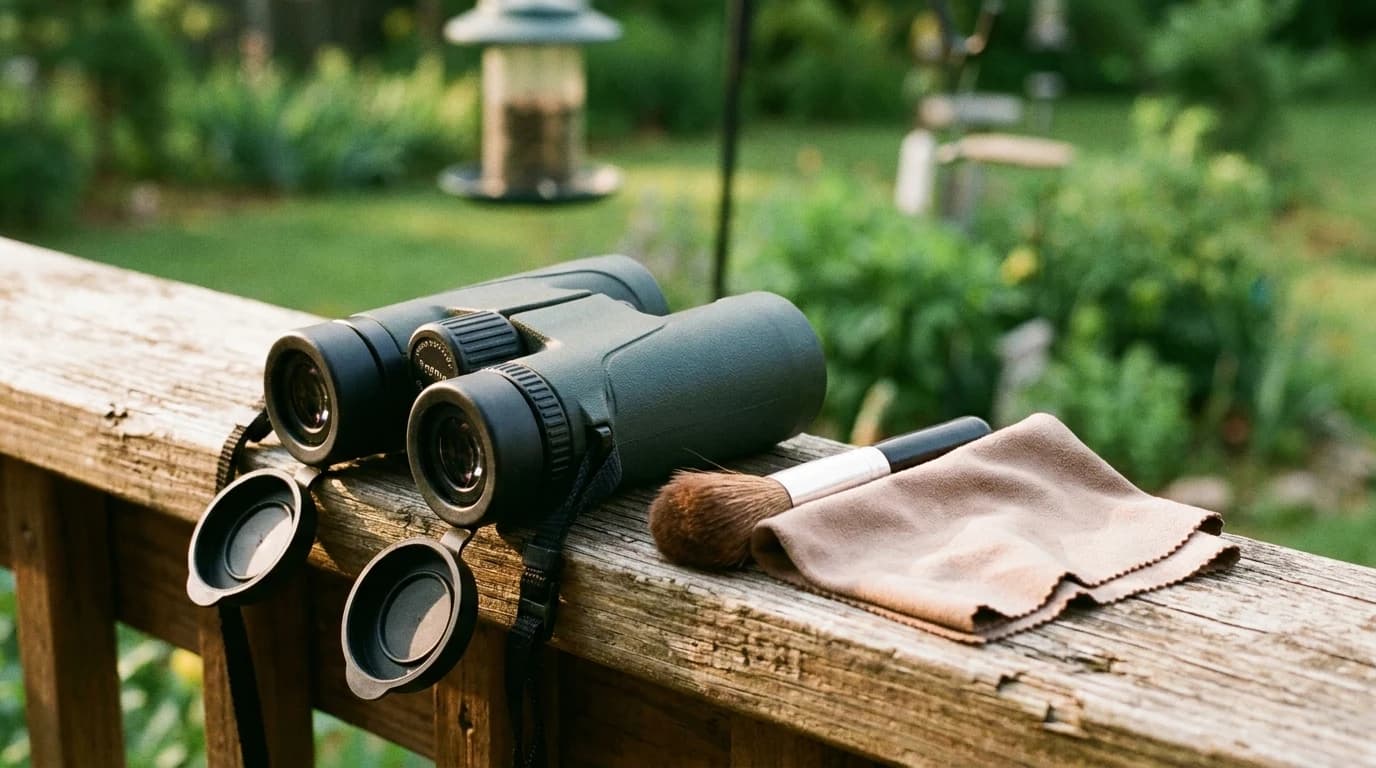
How to Clean Binocular Lenses Without Scratching Them
Remove grit before wiping binocular lenses. A safe cleaning sequence, what to avoid, and when fog or marks need manufacturer service.
BirdingPath Editorial4 min·October 12, 2026
Practical, jargon-free birding advice — gear comparisons, backyard how-tos, and the answers to questions every new birder has. No fluff, no gatekeeping.
Showing 1–30 of 49 posts
Remove grit before wiping binocular lenses. A safe cleaning sequence, what to avoid, and when fog or marks need manufacturer service.
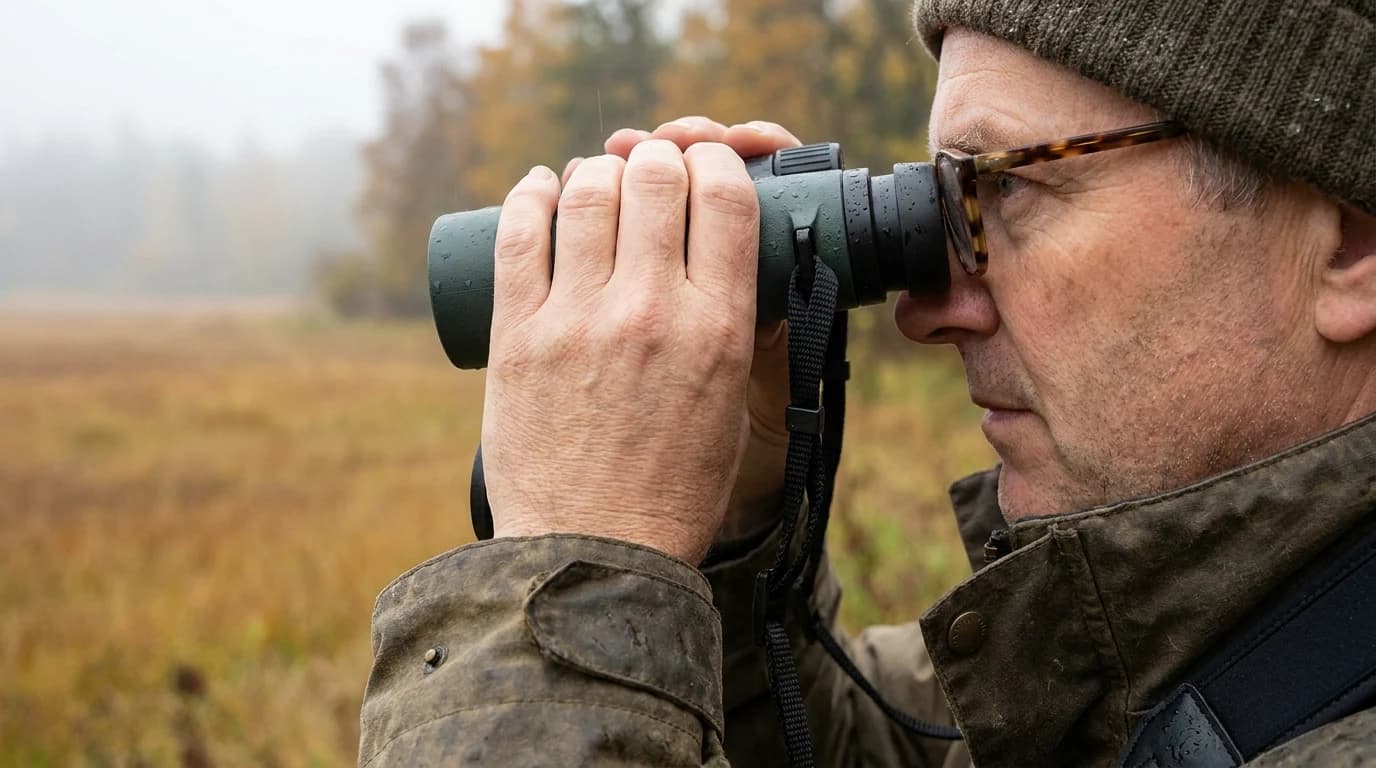
Keep your glasses on, retract the eyecups, and check the whole view. A practical eye-relief and blackout checklist before buying binoculars.
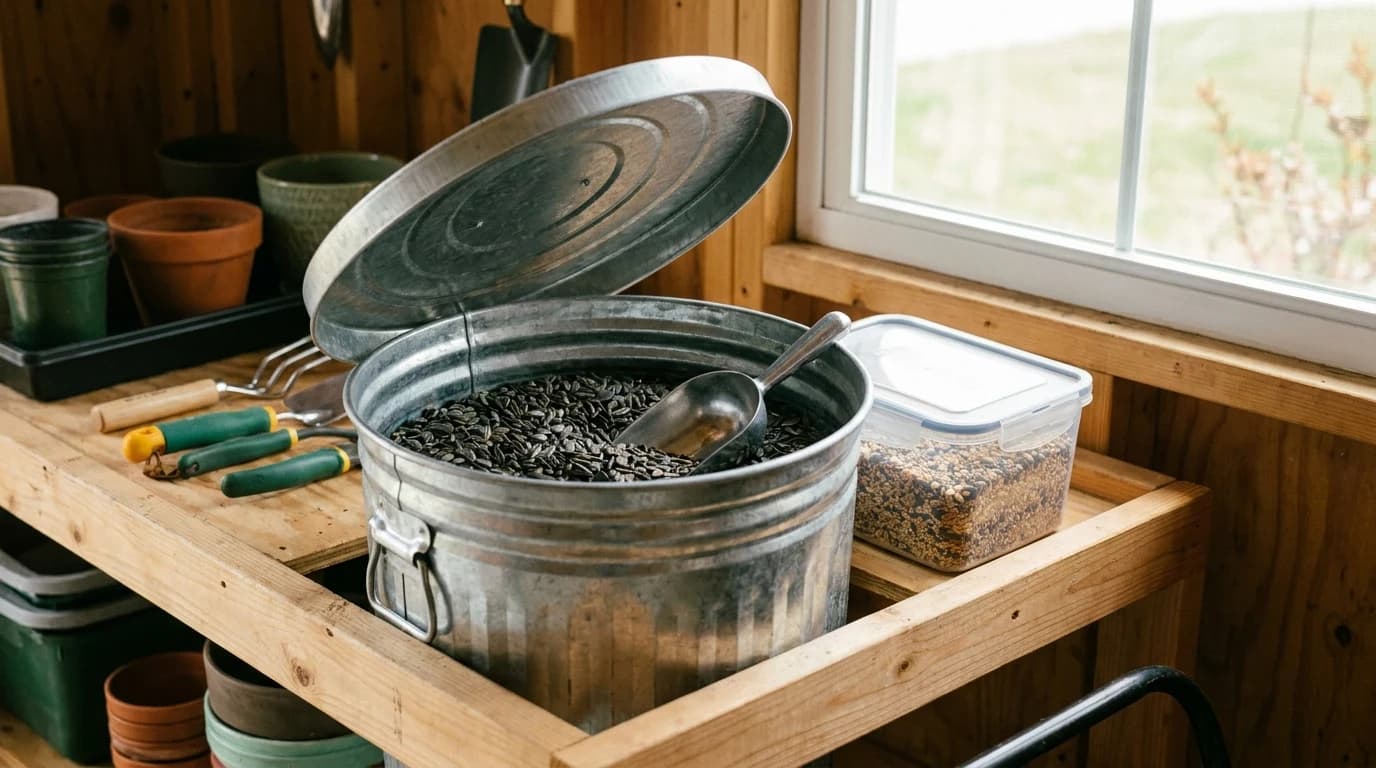
Keep bird seed cool, dry, and sealed. Check for mold and pantry pests, rotate smaller batches, and avoid carrying spoiled seed into a clean feeder.
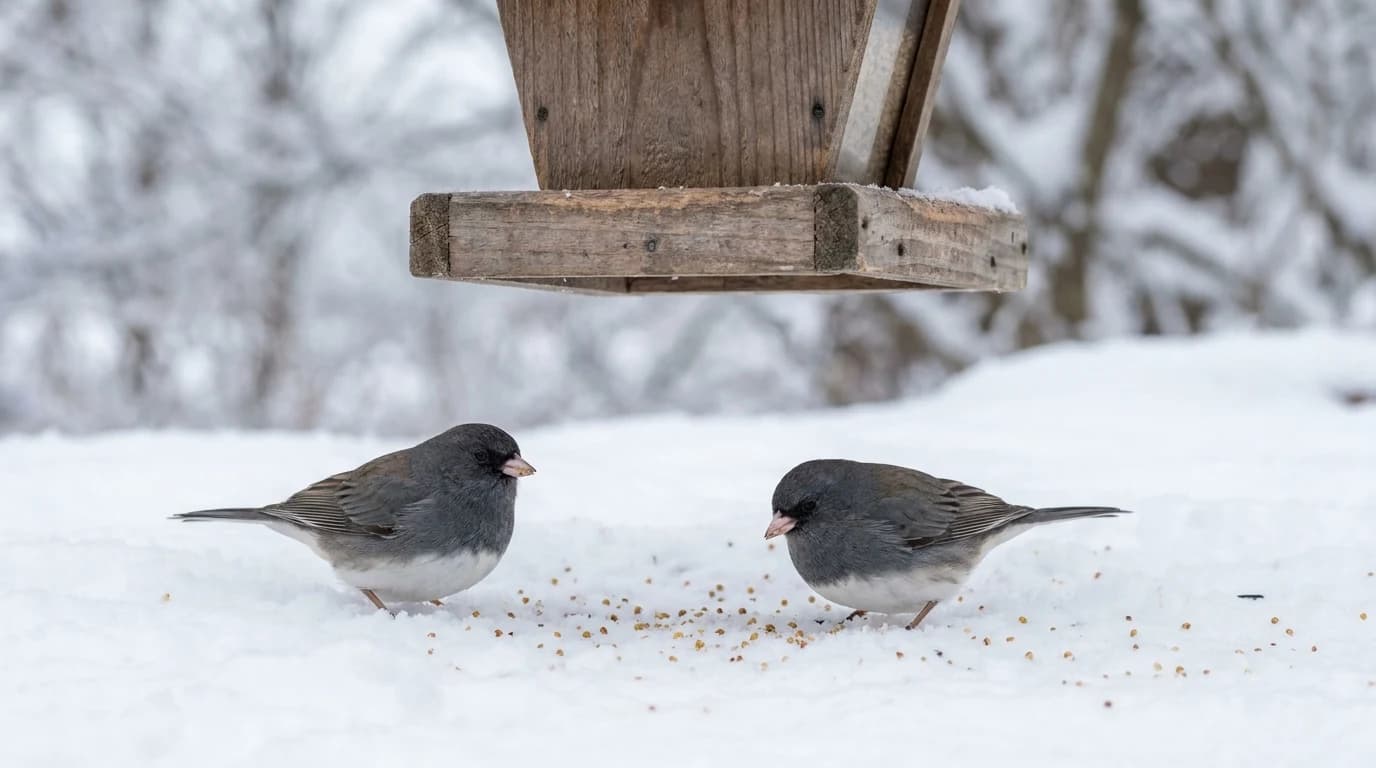
Identify Dark-eyed Juncos by bill and tail, compare six regional forms, and choose seed, trays and winter water that suit these ground-feeding birds.
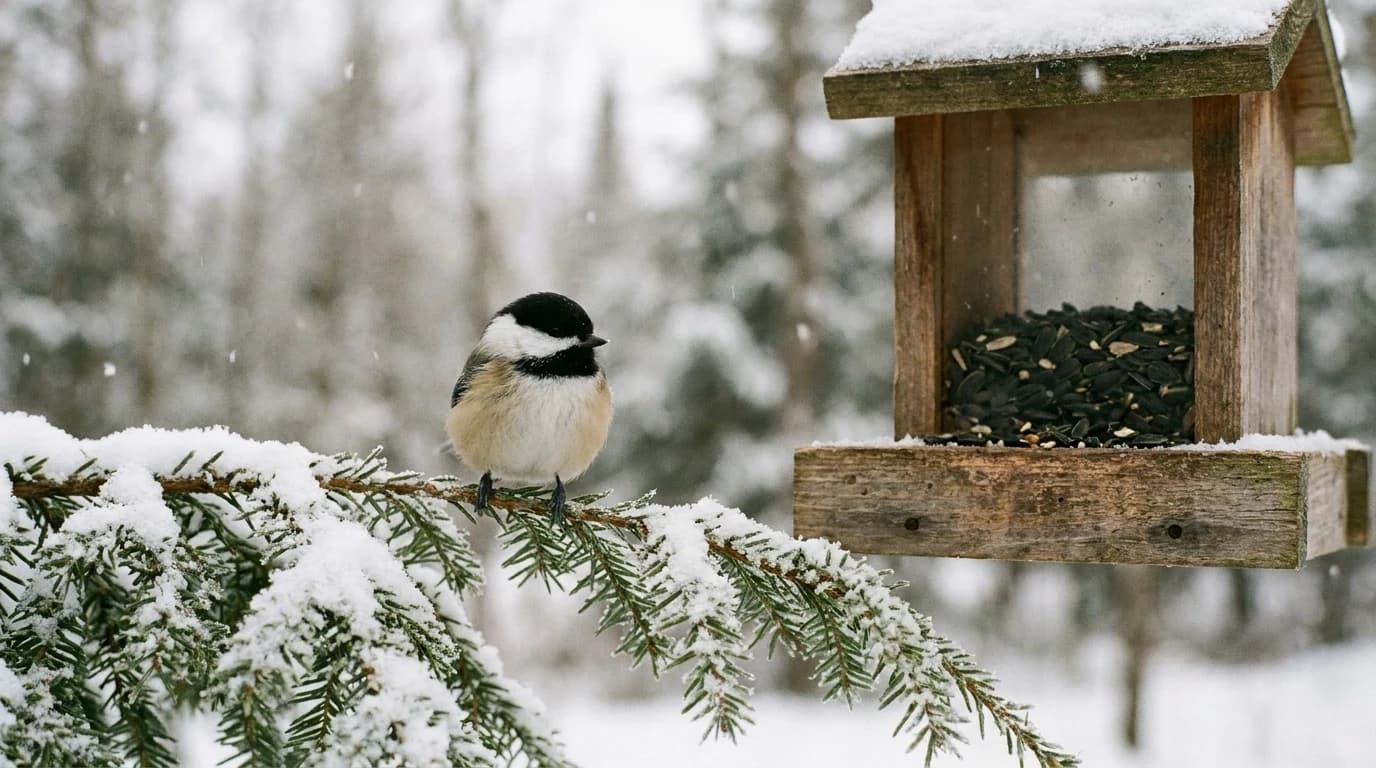
Fluffing, shivering, fat and a deliberate overnight chill keep a chickadee alive. What the long-running Wisconsin studies say your feeder adds on top.
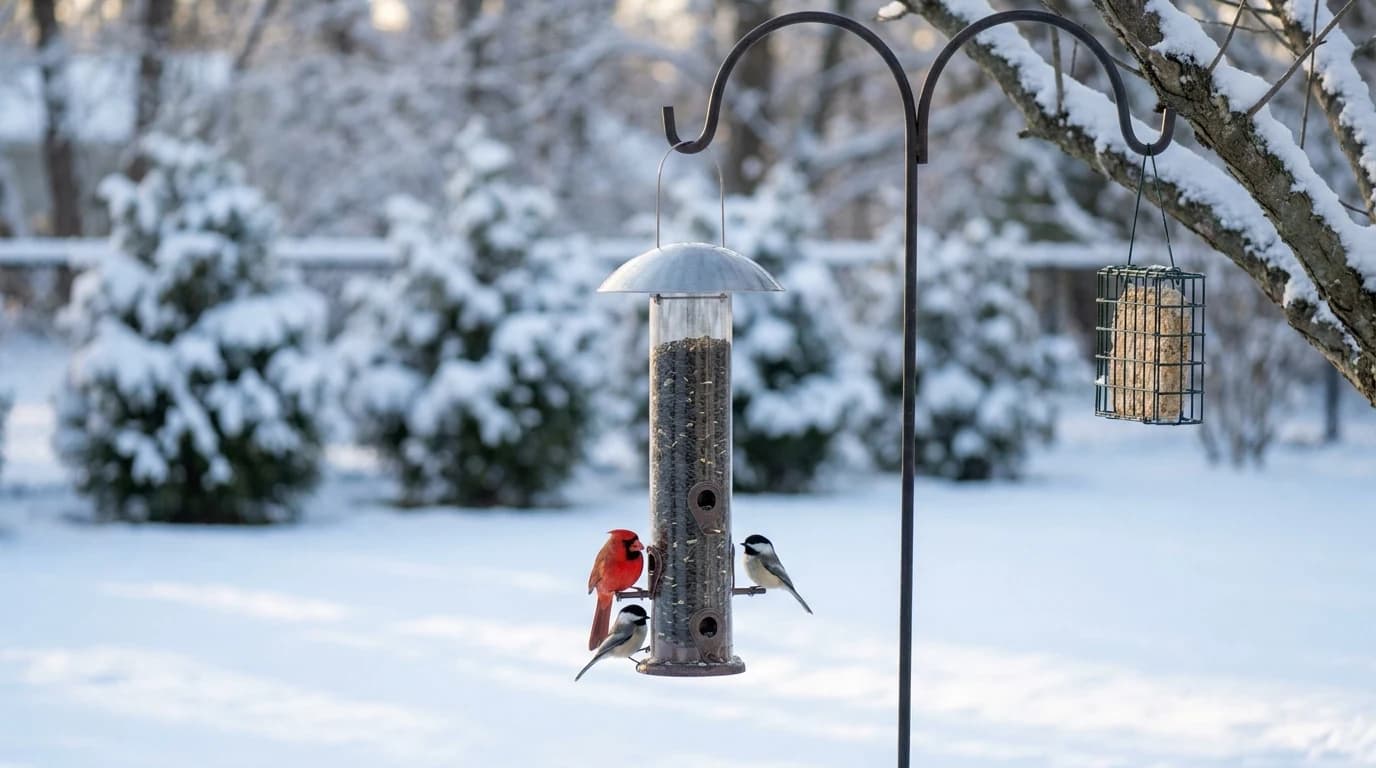
Winter feeders have four jobs: keep seed dry, carry birds through a cold snap, beat squirrels and come apart for washing. Six feeders ranked on exactly that.
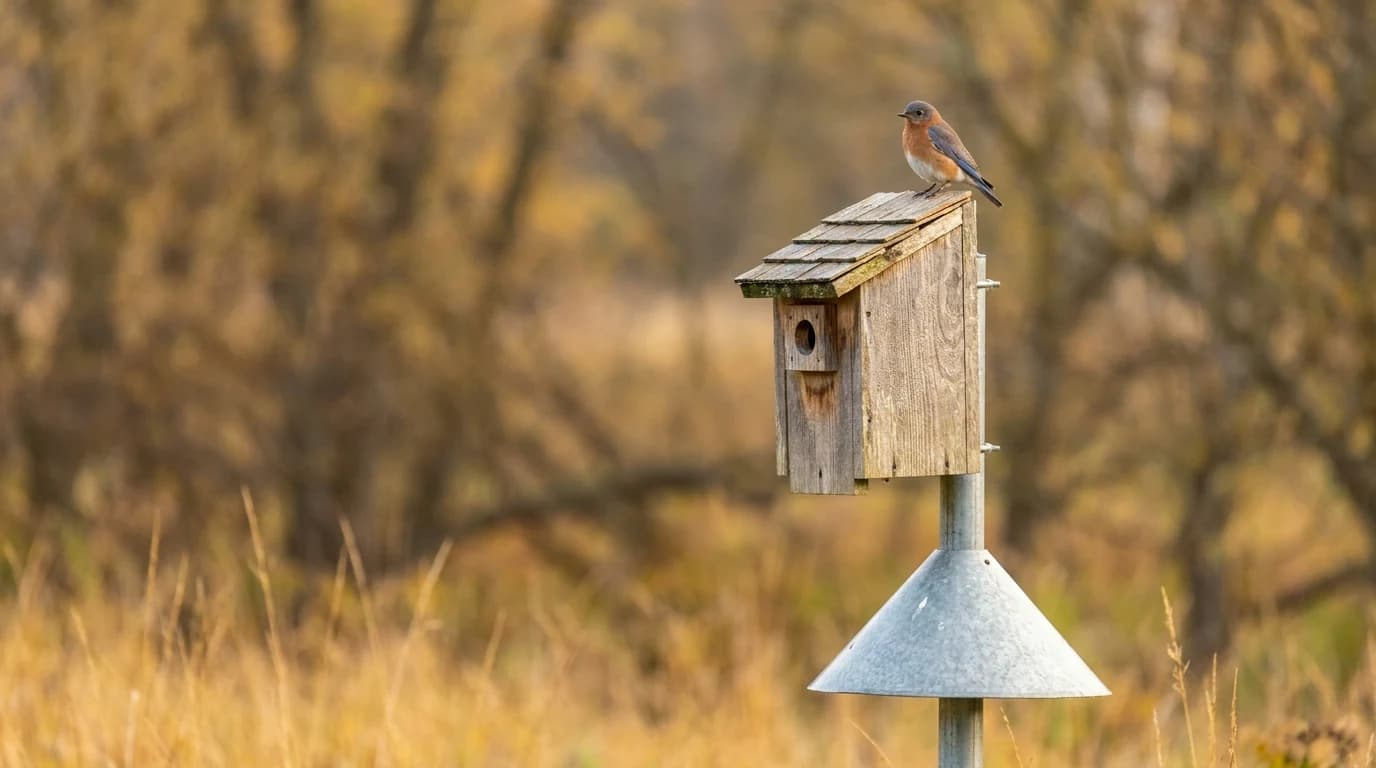
A 1-inch hole says wren, 1 1/2 says bluebird. Eight backyard species' hole, floor and height from Cornell's NestWatch, plus the fall-to-spring timing.
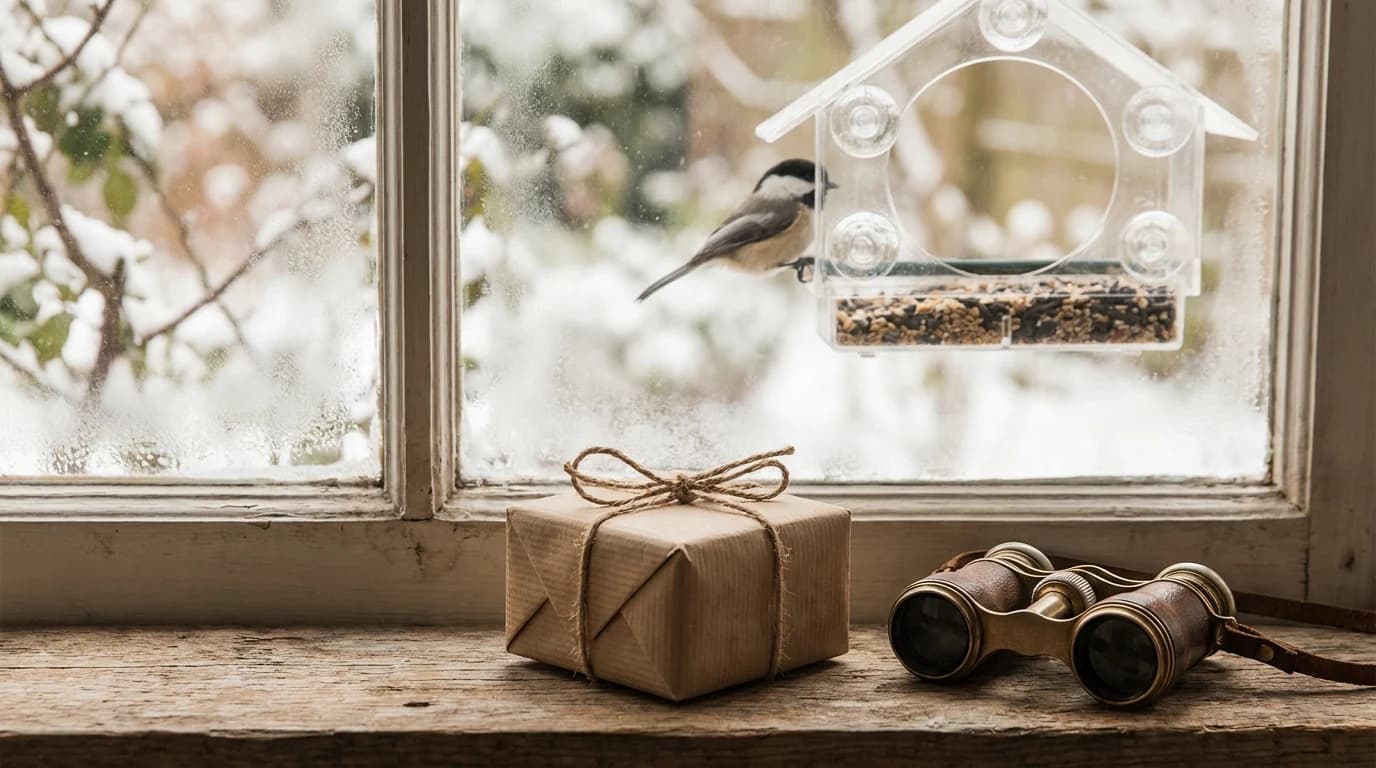
Sorted by birding stage, not price: what a backyard beginner will use, what a hooked birder wants next, and what an experienced birder would return.
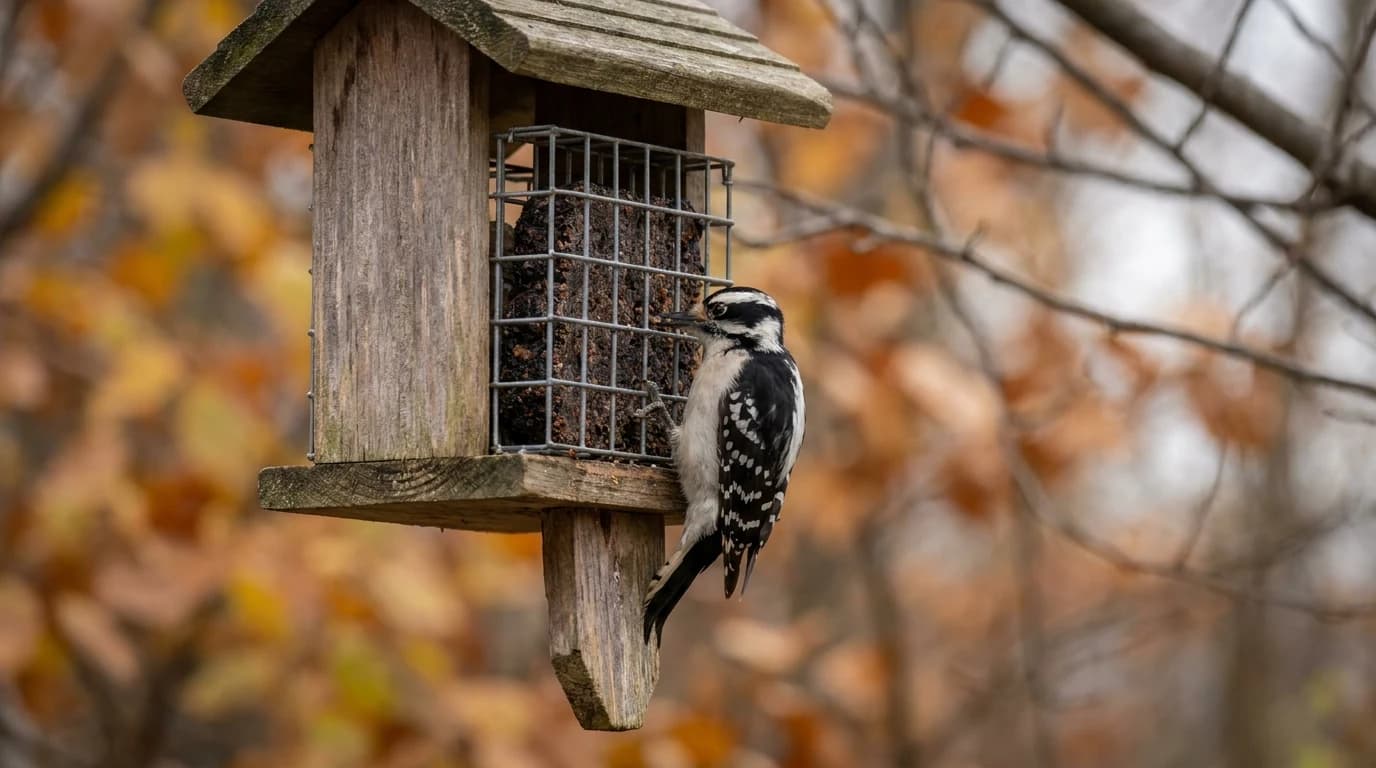
Nearly half of Cornell's 98 common feeder birds take suet, and three will use nothing but a cage. What it is, when to start, and which feeder to hang.
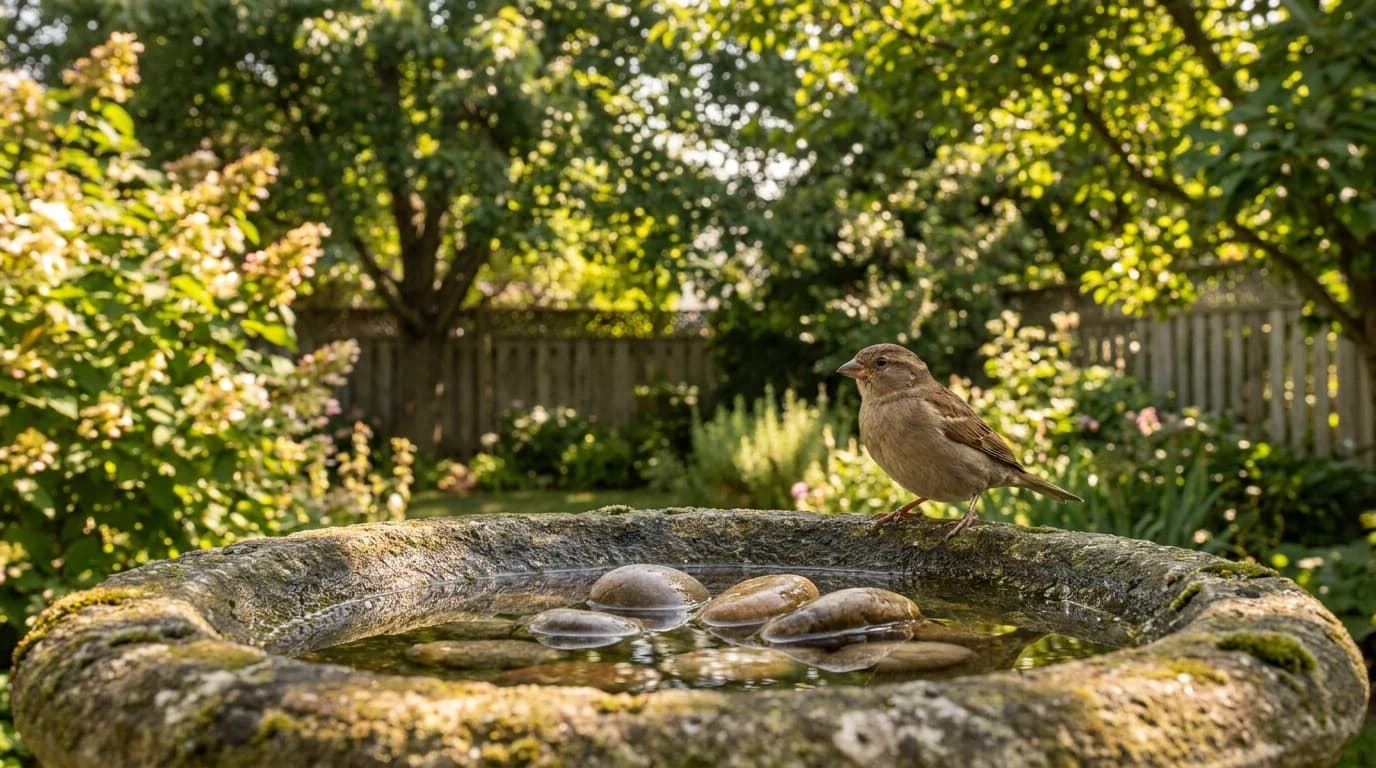
The ornamental concrete pedestal is the bird bath most people buy and the one Cornell steers you away from. Depth, texture and cleanability decide it.
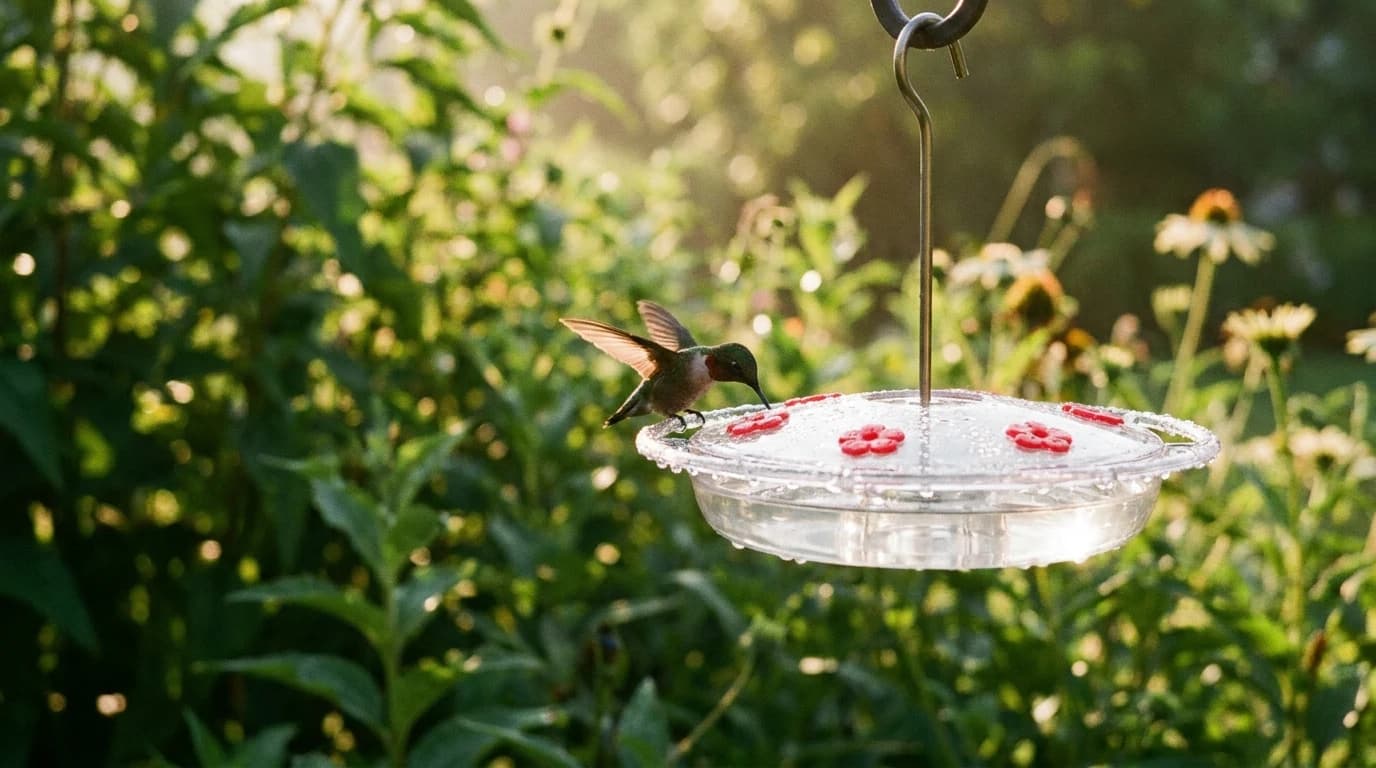
Roundups rank hummingbird feeders by capacity. Authorities say clean yours every 1–3 days all summer — so cleanability is the spec that decides it.
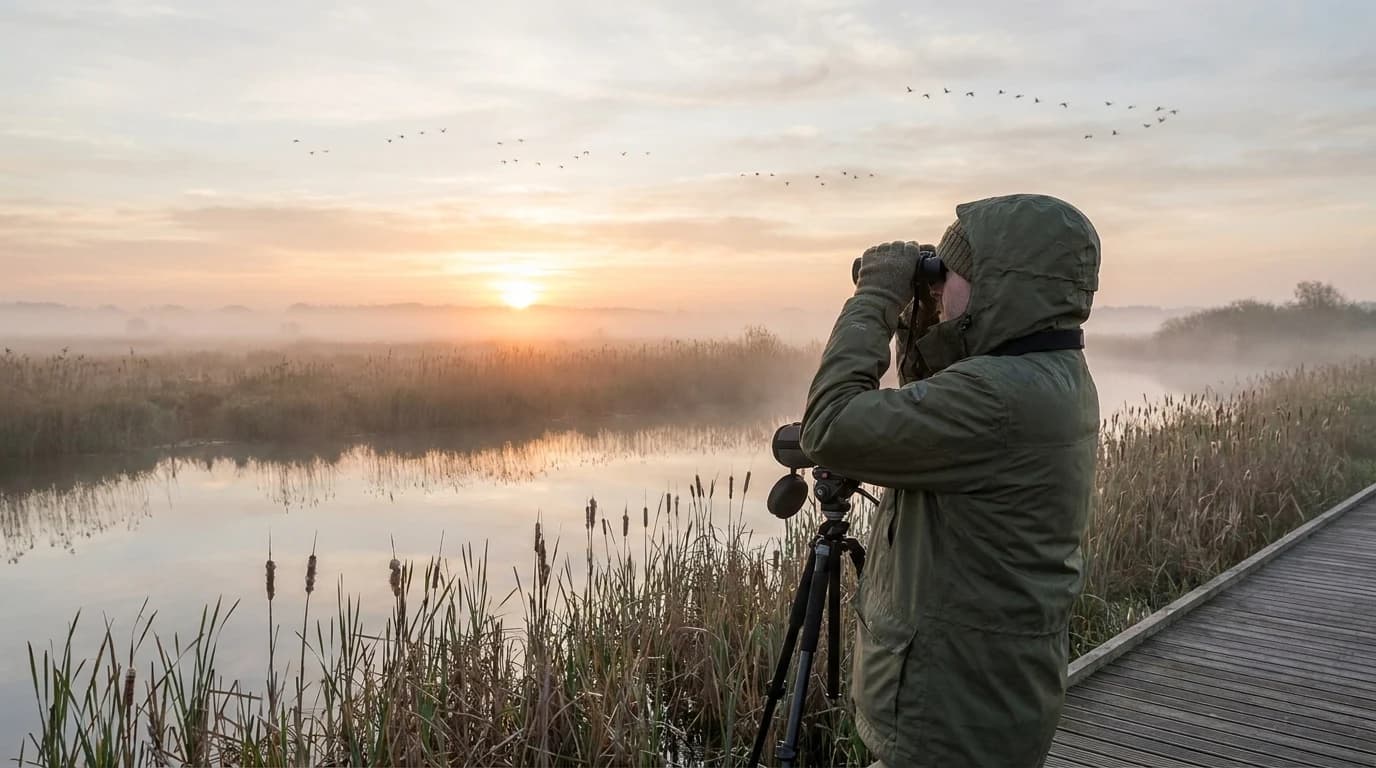
Explore turns eBird from a notebook into a trip planner. Route your question to the right tool, then read a bar chart for what it is: a reporting rate.
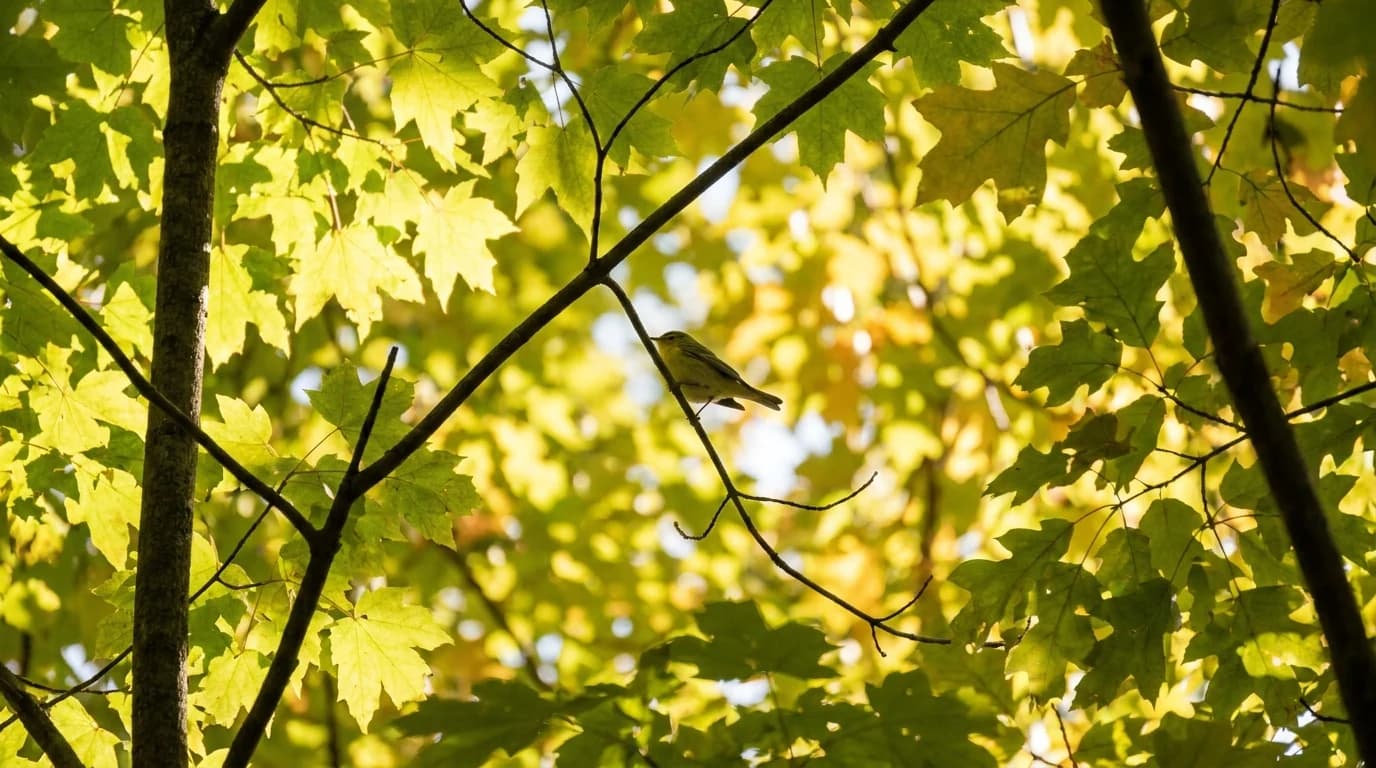
Field guides draw warblers in profile; the canopy shows you the underside. A five-species key read from below, plus the two pairs that are genuinely hard.
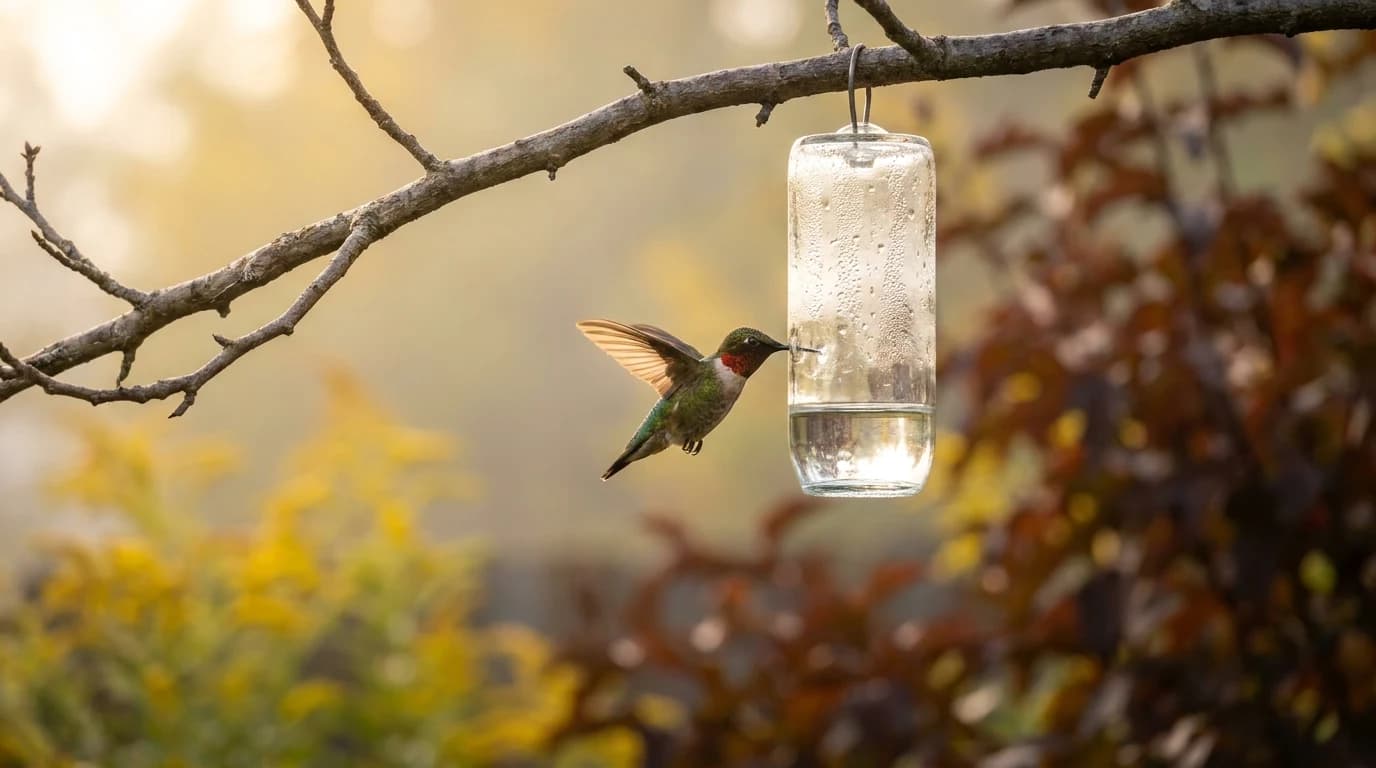
Leaving a feeder up does not delay hummingbird migration — day length sets the clock. When to take yours down by region, and where you never should.
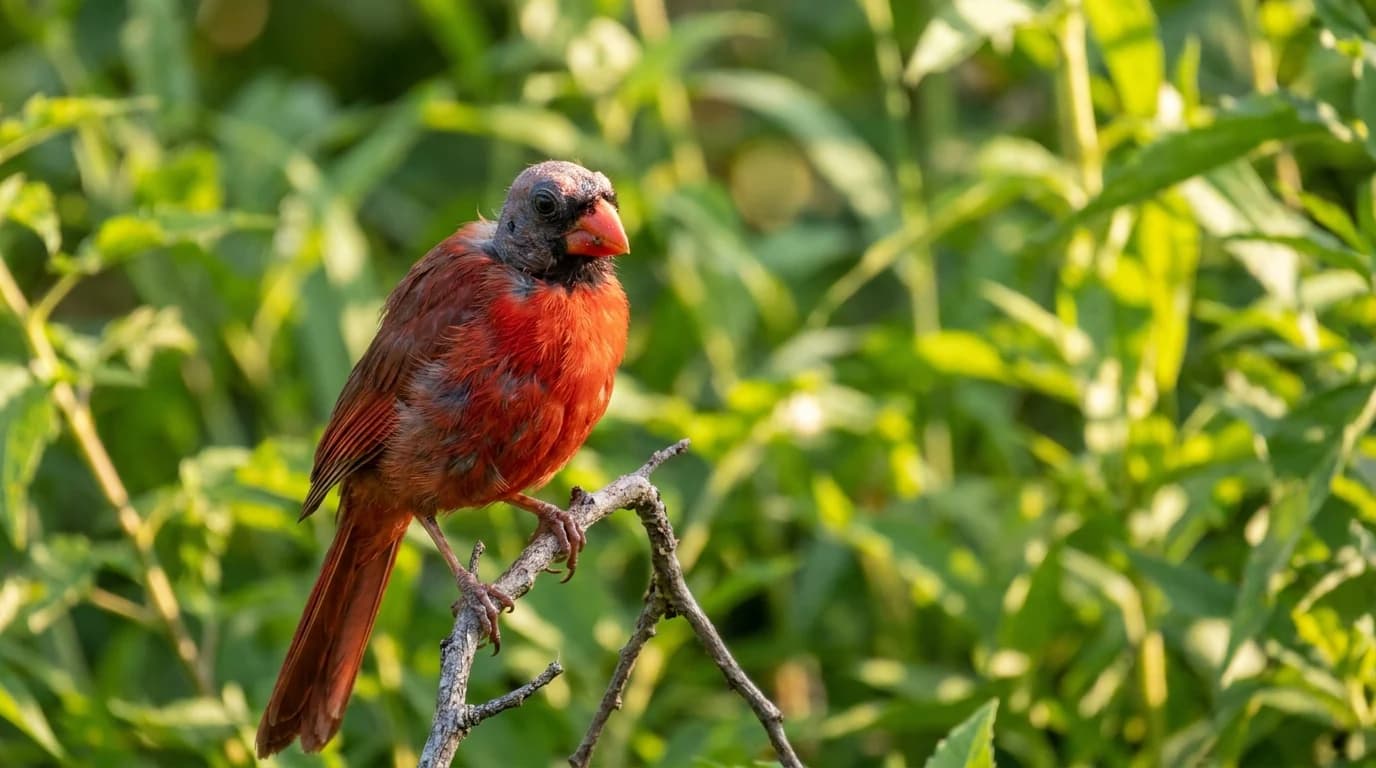
Bald cardinals, silent mornings and ragged jays are one story: molt. What it costs a bird, an August field key, and two questions science hasn't settled.
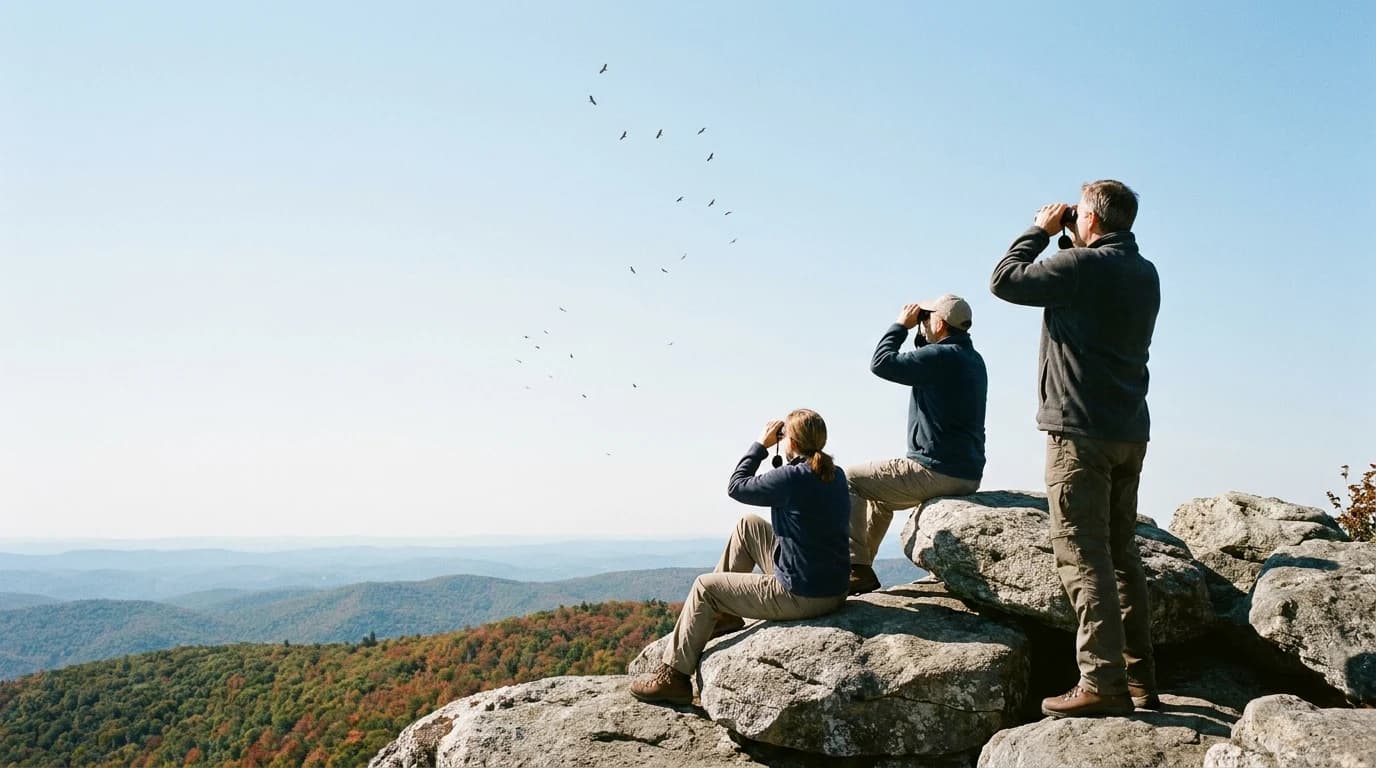
At a hawk watch the date matters more than the place. Ninety years of counts from one ridge show where the big days fall, and how to pick yours.
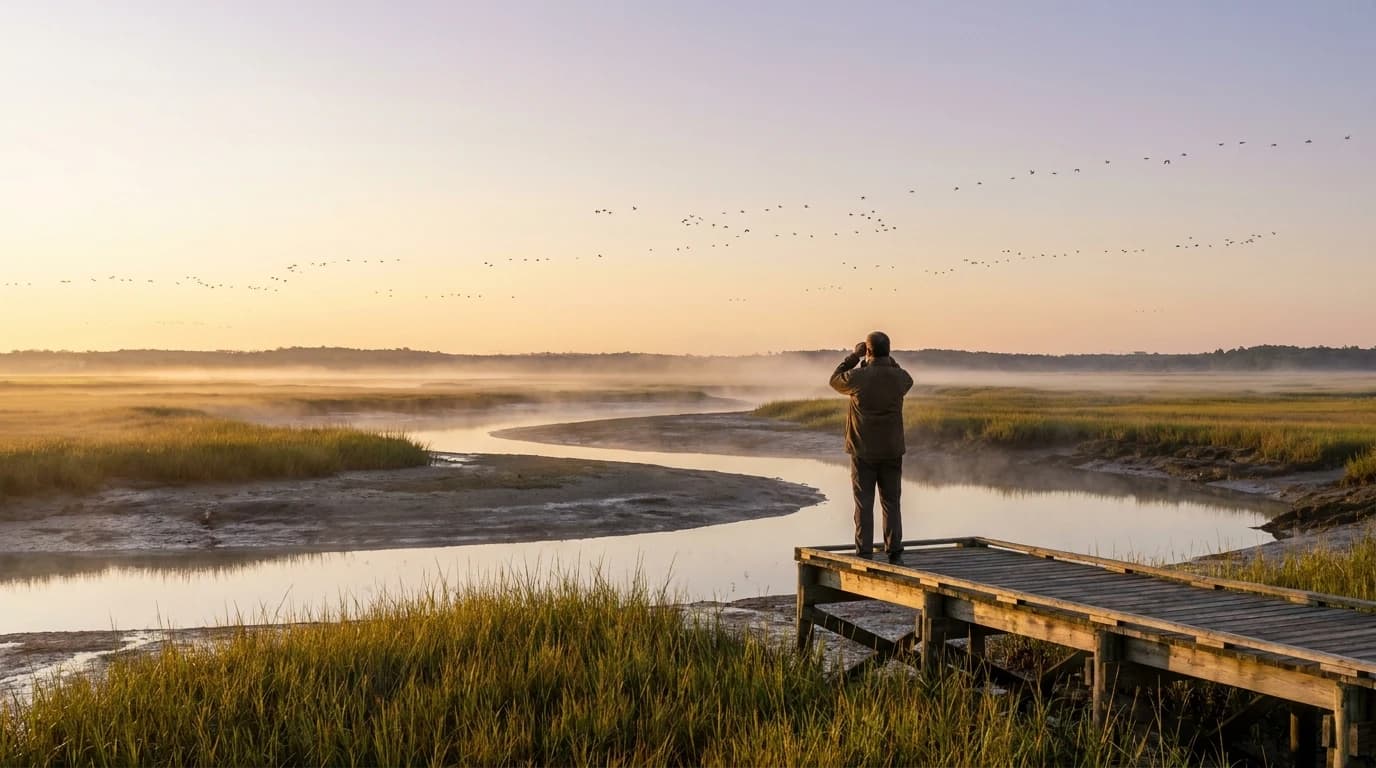
Fall migration runs mid-August to mid-November, and it is harder than spring: drab plumage, almost no song, more juveniles. A week-by-week guide.
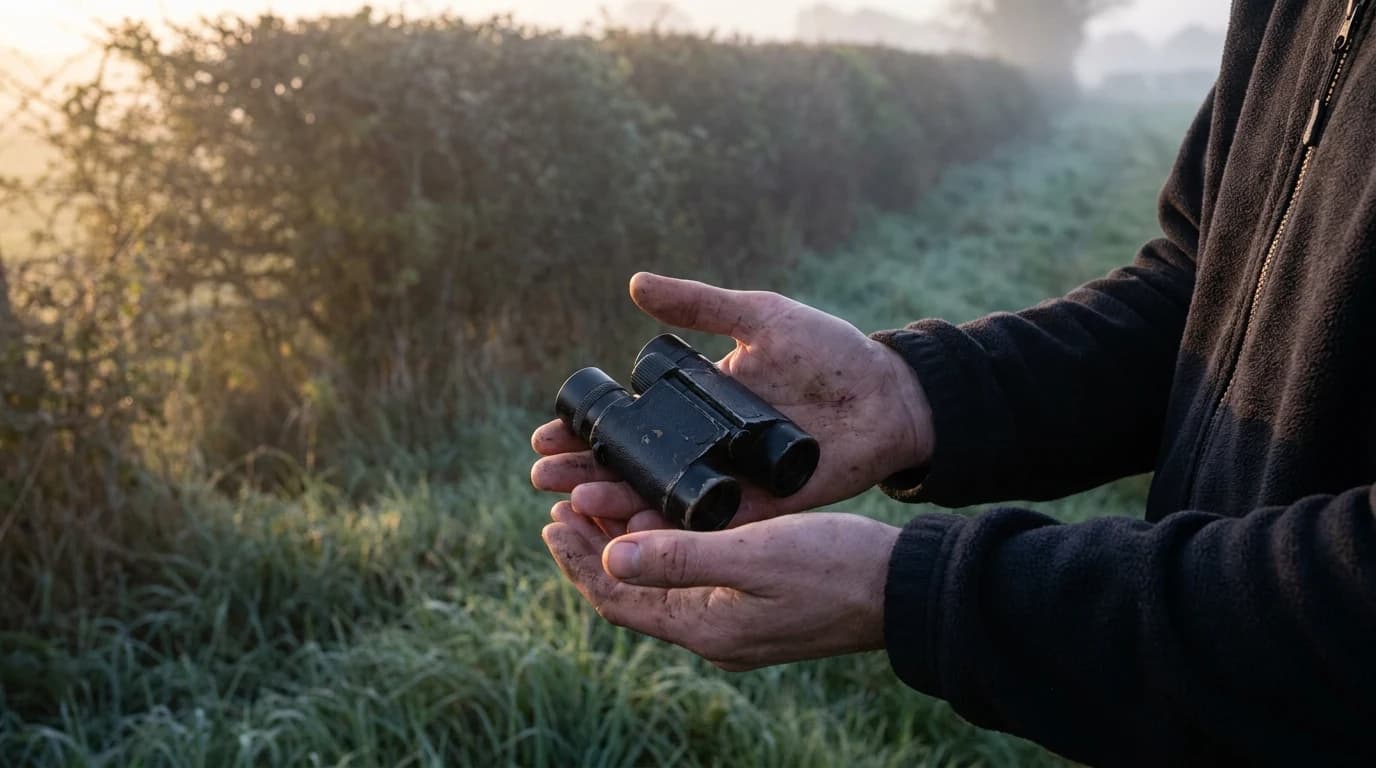
Compact binoculars trade away dawn light. We compare exit pupil, weight and price across five 8x25-8x32 pairs, and say when to buy full-size.
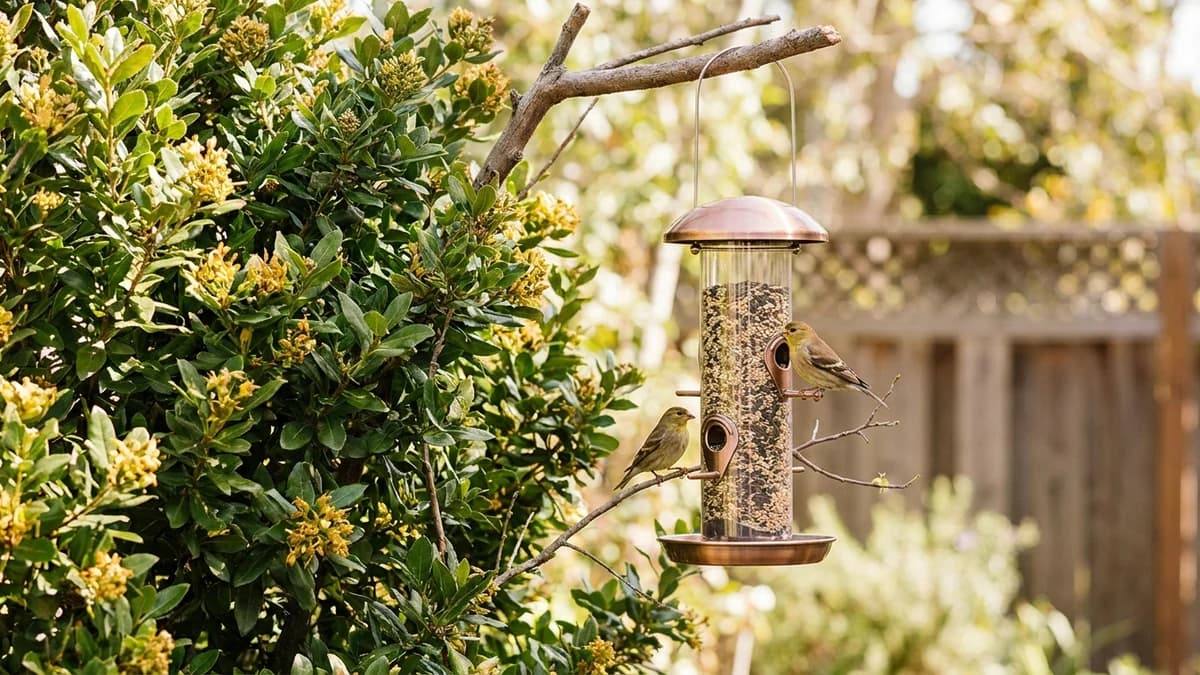
Set up a feeder and nothing showed up? You're not doing it wrong. Here's the friendly, in-order checklist for getting your first visitors.
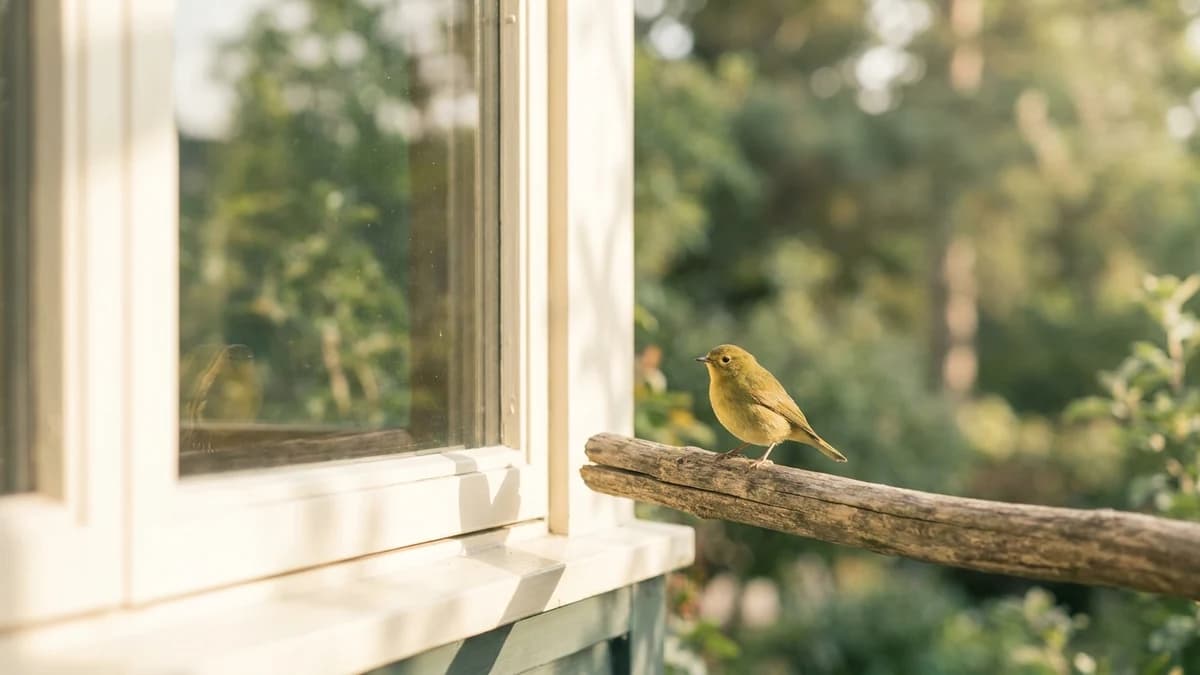
Window collisions are one of the biggest and most preventable causes of bird deaths. Here are the fixes that actually work, ranked so you can start today.
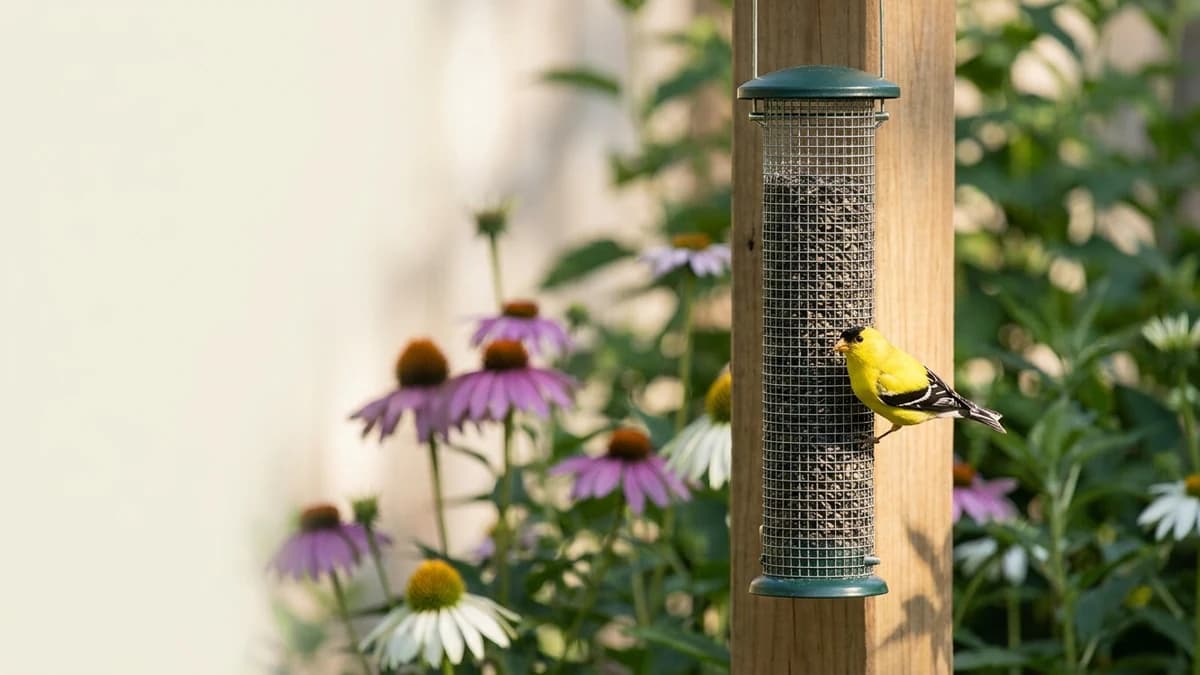
American Goldfinches are one of the easiest, cheeriest birds to bring in. A little fresh nyjer seed, the right feeder, and some patience is really all it takes.
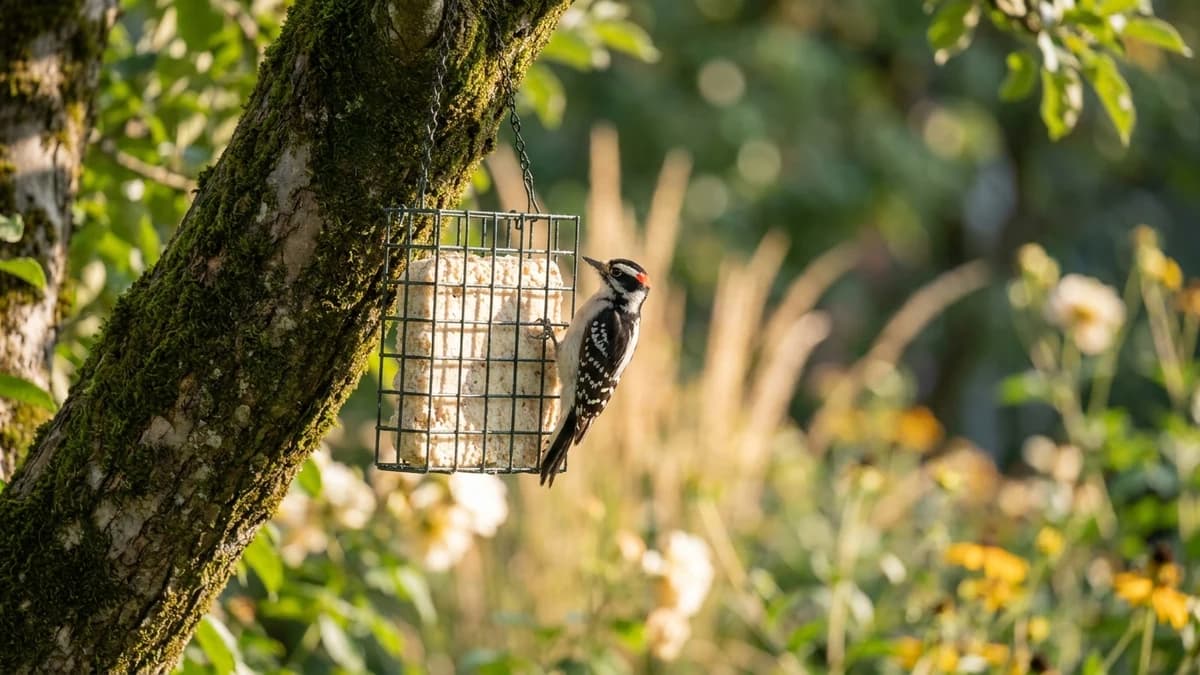
Woodpeckers are easier to bring in than you'd think. The short version: put up suet, add a few peanuts, and leave a dead branch standing if you safely can.
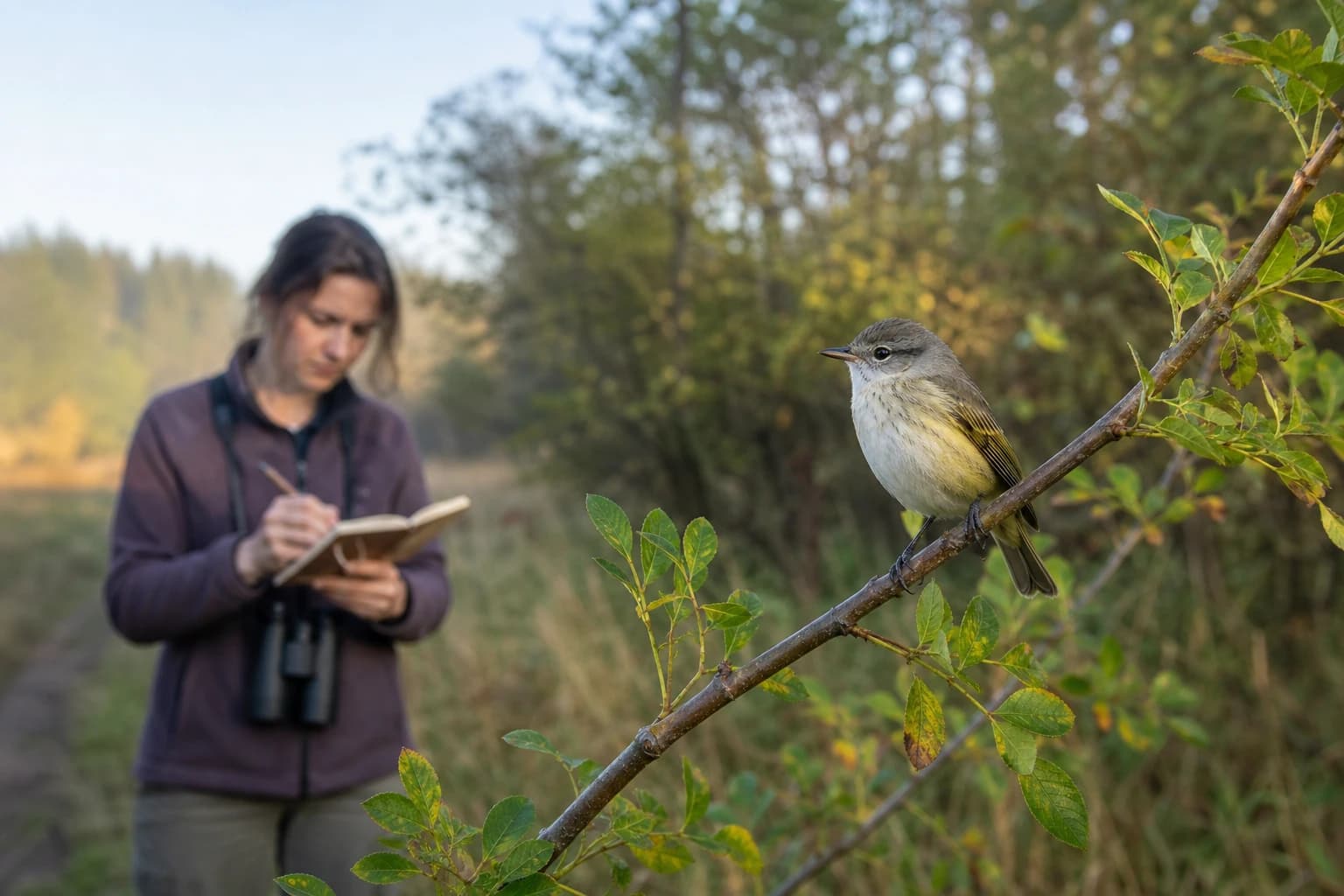
Identify an unfamiliar bird by recording five clues in order: shape, bill, behavior, habitat, and sound. Color comes later.
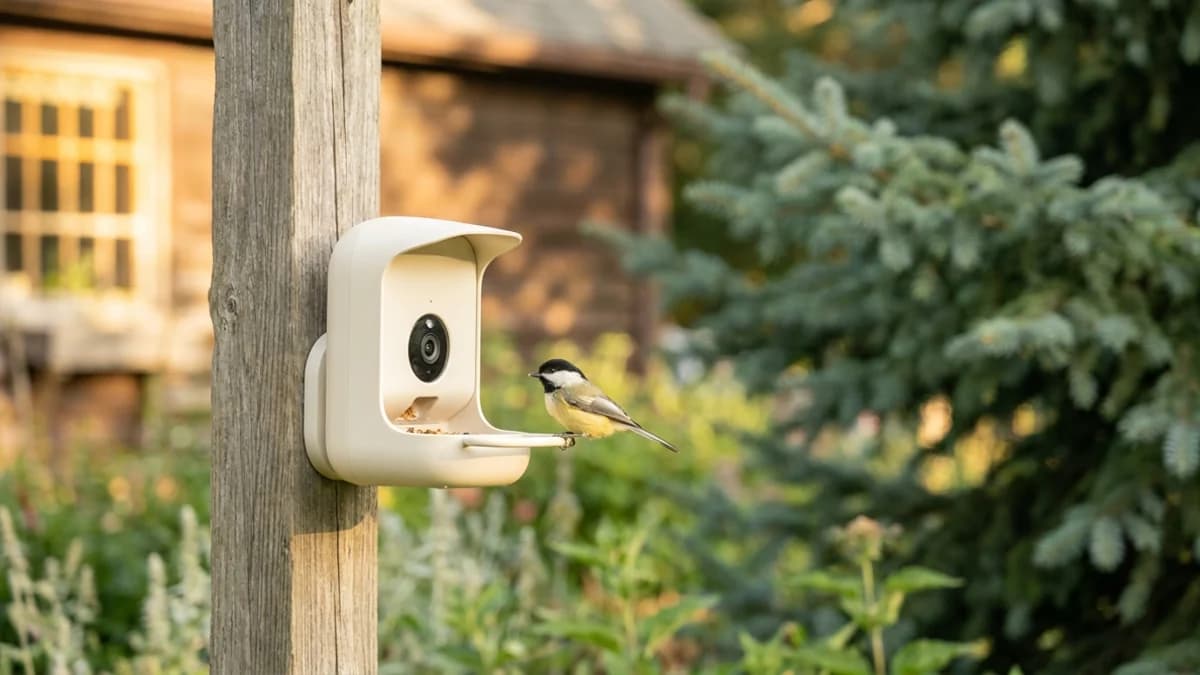
Compare the exact smart-feeder models, free camera features and paid AI plans before choosing. Current plan sources and a calculator for your own costs.
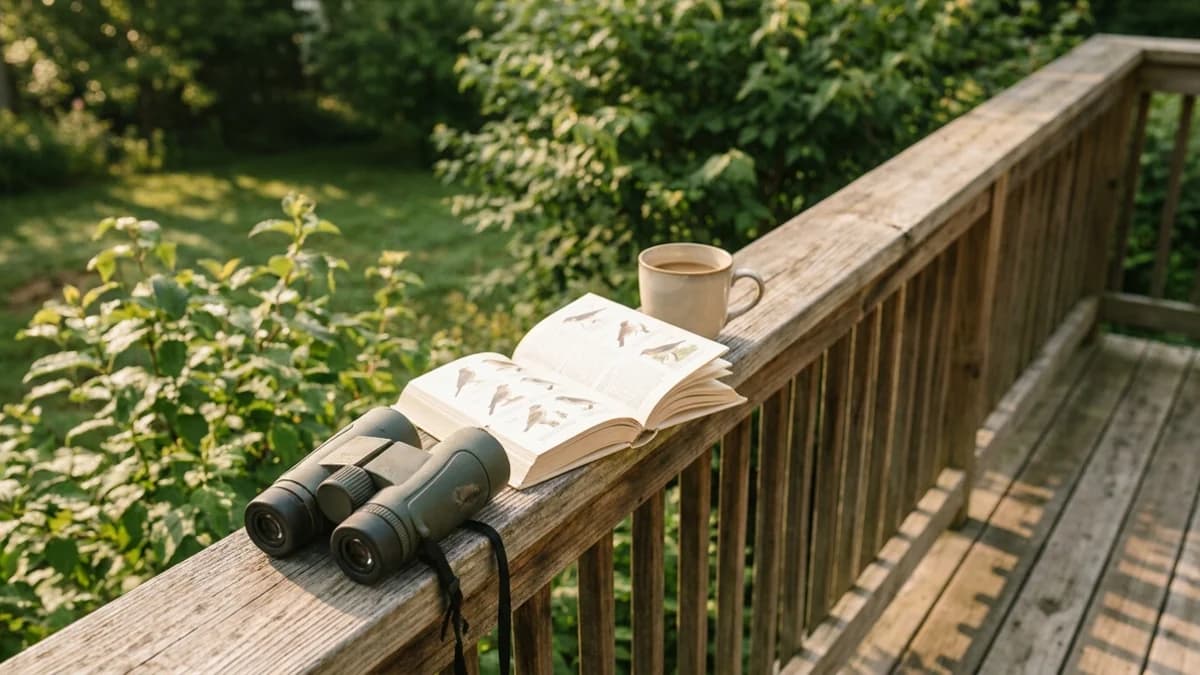
You don't need to spend a fortune on your first pair. Why 8x42 wins under $200, the specs that matter, and how to actually use them in the field.
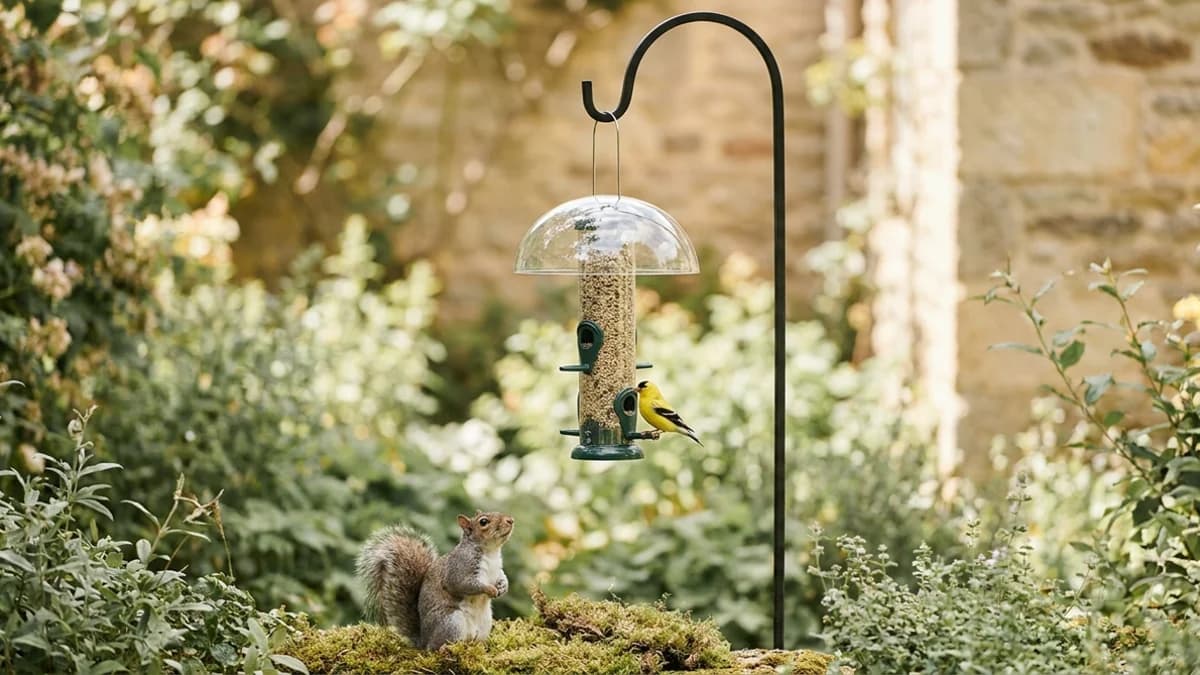
Squirrels raiding your feeder? The physics of a real baffle setup, the 10-foot rule, and the weight-activated feeders that actually work.
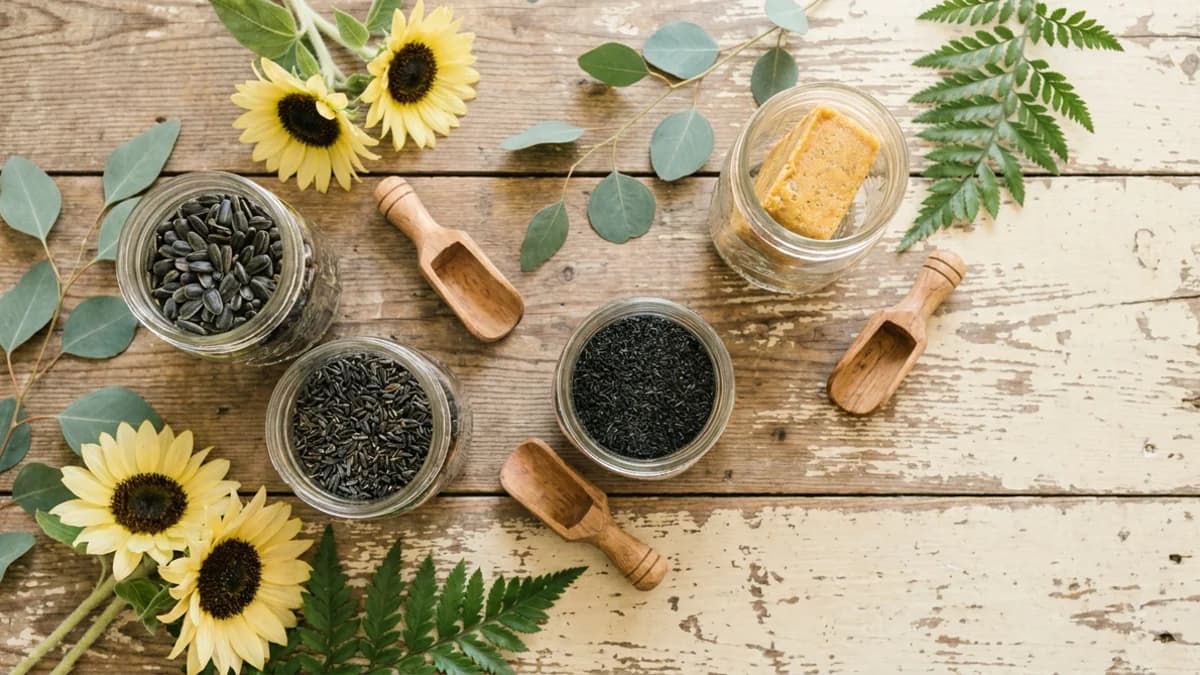
Which bird food draws which birds? A clear guide to black-oil sunflower, nyjer, and suet — and why cheap wild bird mix is mostly filler.
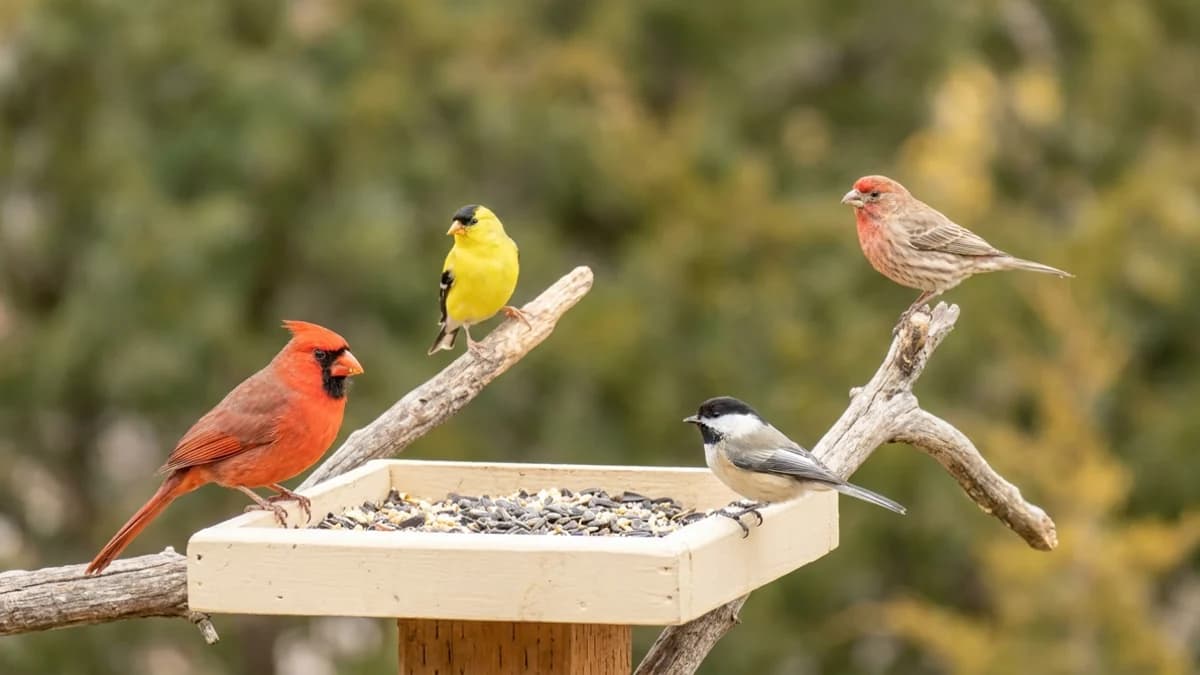
Meet the 12 birds you're most likely to see at a US or Canadian feeder, and learn the simple size-shape-color-behavior method to name them fast.
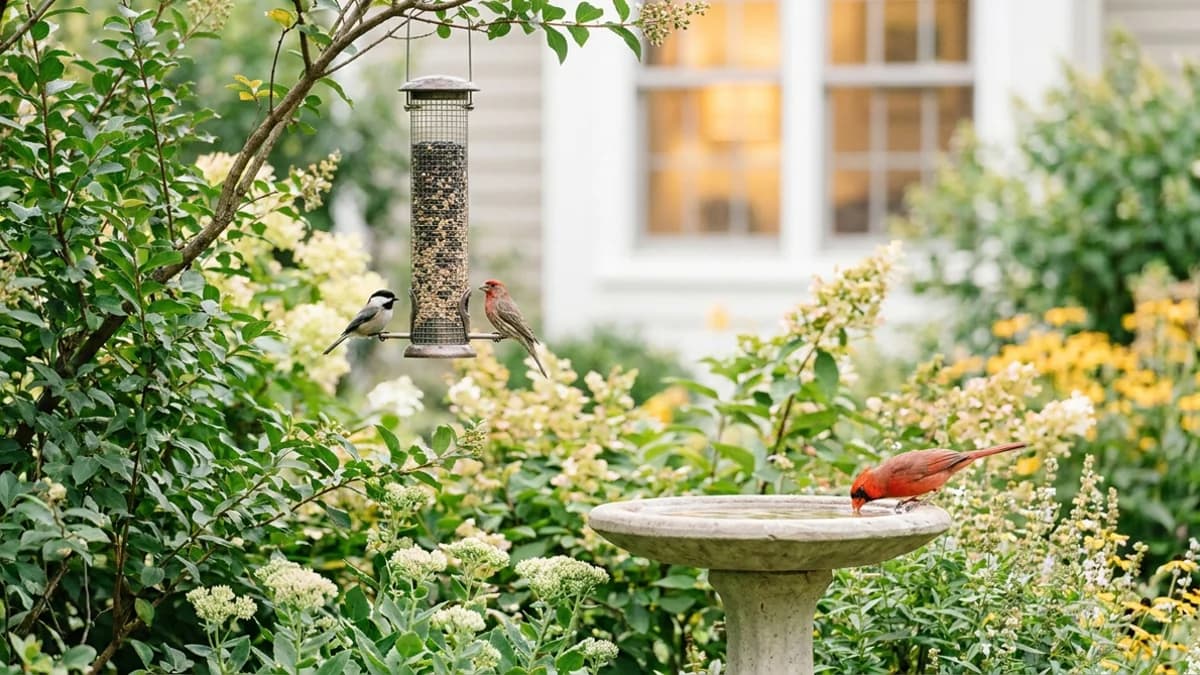
Attract birds fast with four things: food, water, shelter, and safety. Here's exactly what to add and which birds each one brings.
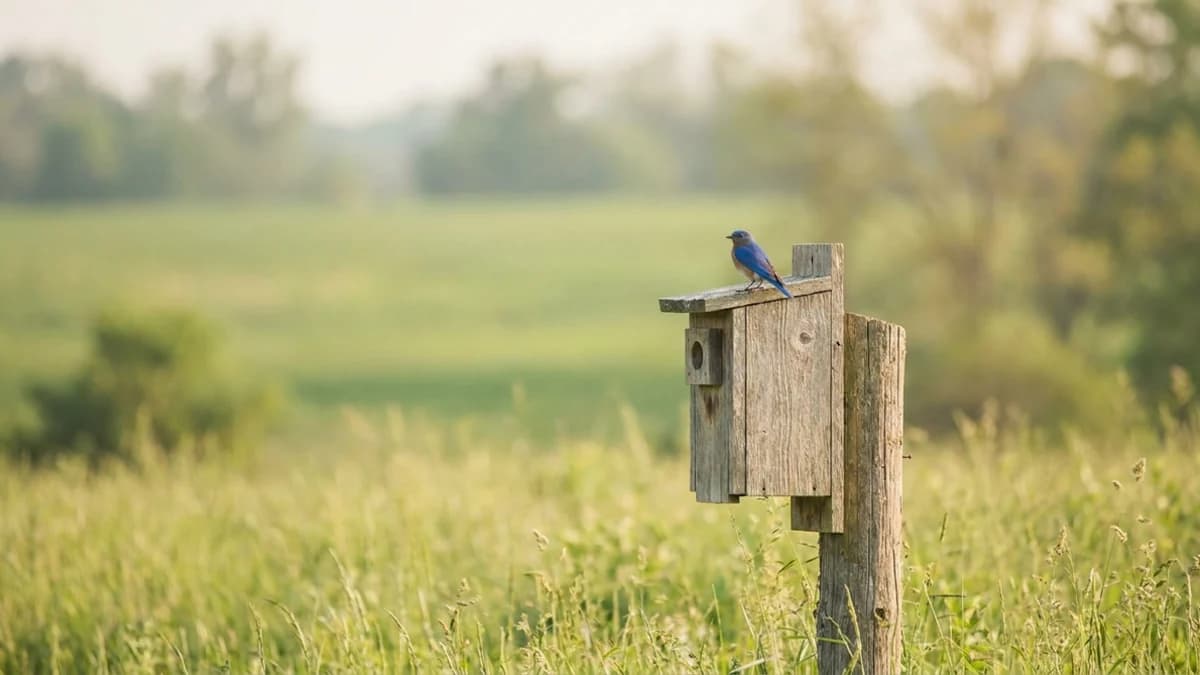
Bluebirds come for mealworms and a proper nest box over open grass, not for seed feeders. Here's exactly how to set your yard up.
Direct links to every guide, including the older posts on page two.