
How to Join a Christmas Bird Count (Beginners Welcome)
You do not need to be an expert to join a Christmas Bird Count. Find your local circle, email the compiler, and you'll be paired with a seasoned birder.
The short answer
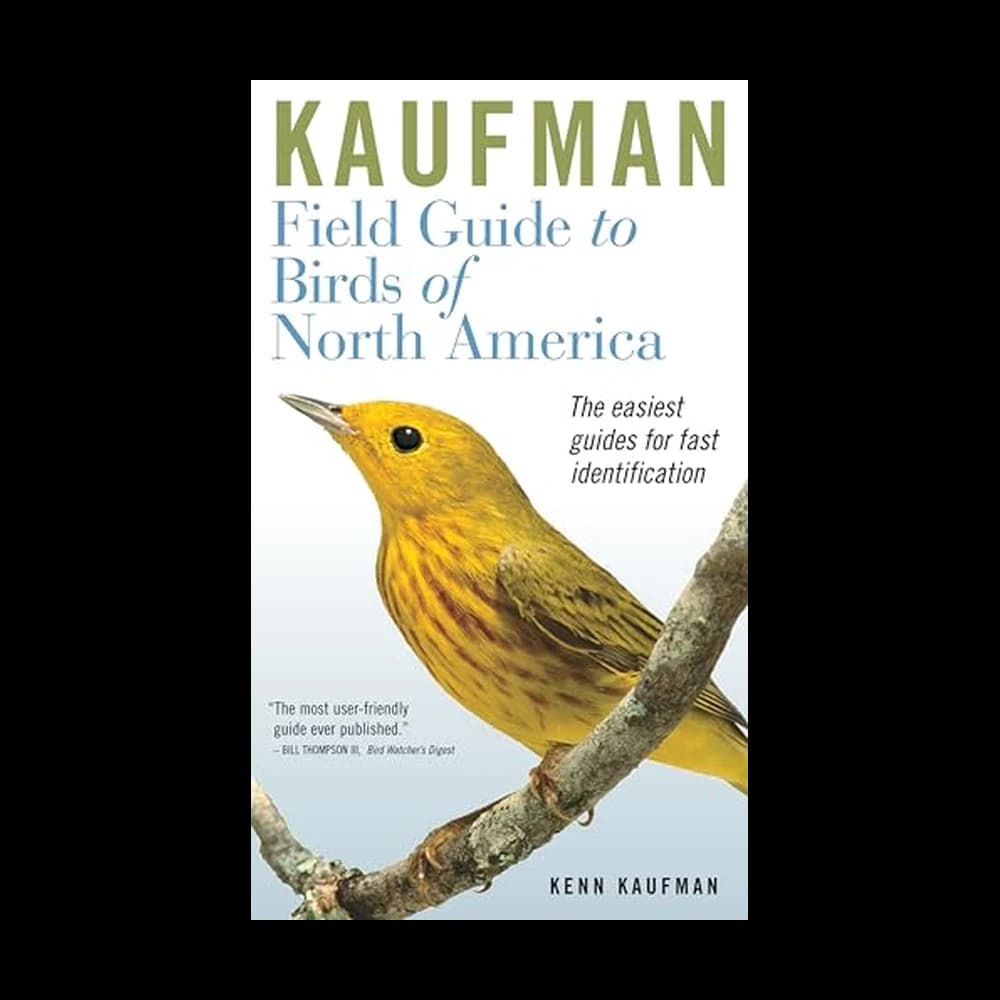
- Beginning North American birders wanting a compact, photo-based guide that's easy to use in the field.
- You prefer painted plates or an exhaustive reference; this favors edited photos and portability.
Key takeaways
- Beginners are genuinely wanted. Audubon states plainly that if you're a beginning birder, your compiler will pair you with an expert initially. Birders of all skill sets take part.
- The window is fixed: December 14 to January 5. Every circle picks one calendar day inside that window. The 2026-27 season is Audubon's 127th count.
- You must sign up in advance. CBC isn't a drop-in event — you join an existing circle by contacting its compiler by email before count day.
- Can't walk all day? Be a feeder watcher. If your home sits inside a count circle, you can count from your own window — with prior arrangement with the compiler.
- Participation is free, and the data feeds hundreds of peer-reviewed population and climate studies.
Pick by your situation
| If your situation is… | Pick | Why |
|---|---|---|
| You're new and slightly intimidated | Join a field team and say you're a beginner | Compilers deliberately pair beginners with experienced birders — it's the cheapest full-day birding lesson you'll ever get. |
| You can't walk a territory all day | Sign up as a feeder watcher | If your home is inside a count circle, your window counts as real data — just arrange it with the compiler first. |
| Your nearest circle is already full (shown red) | Try the next circle out, or do Project FeederWatch | Circles cap participants by territory. FeederWatch runs November–April with no cap and no fixed day. |
| You only have 15 minutes to give | The Great Backyard Bird Count in February | It's free, four days long, and a single 15-minute checklist is a legitimate contribution. |
A shortcut by situation — start from the row that sounds like you.
Field Guides & Books: our picks
| Pick | Best for | Rating | Price | |
|---|---|---|---|---|
| TopKaufman Field Guide To Birds Of North America | Photo-based and beginner-friendly. | ★ 4.8 Amazon | $12.99 | Buy on Amazon |
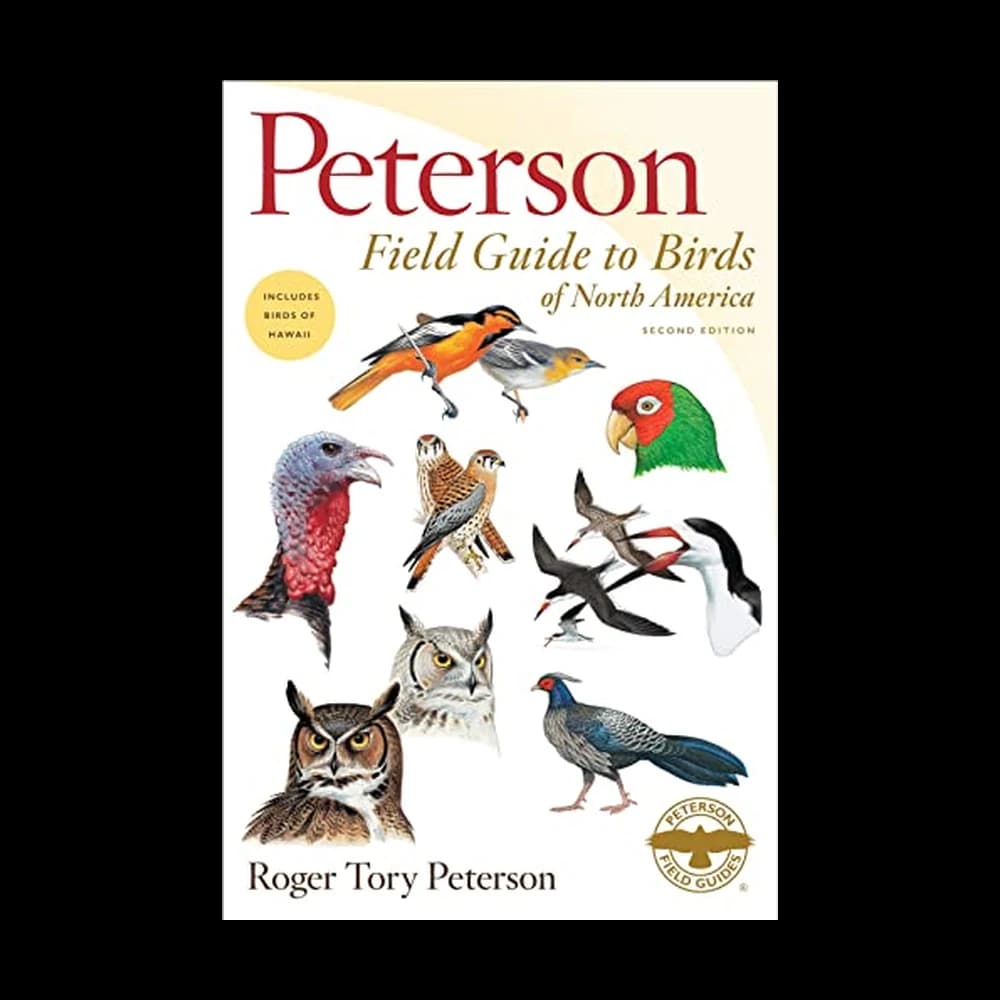 Peterson Field Guide To Birds Of North America, Second Edition: The… Peterson Field Guide To Birds Of North America, Second Edition: The… | The guide that invented the genre. | ★ 4.8 Amazon | $18.55 | Buy on Amazon |
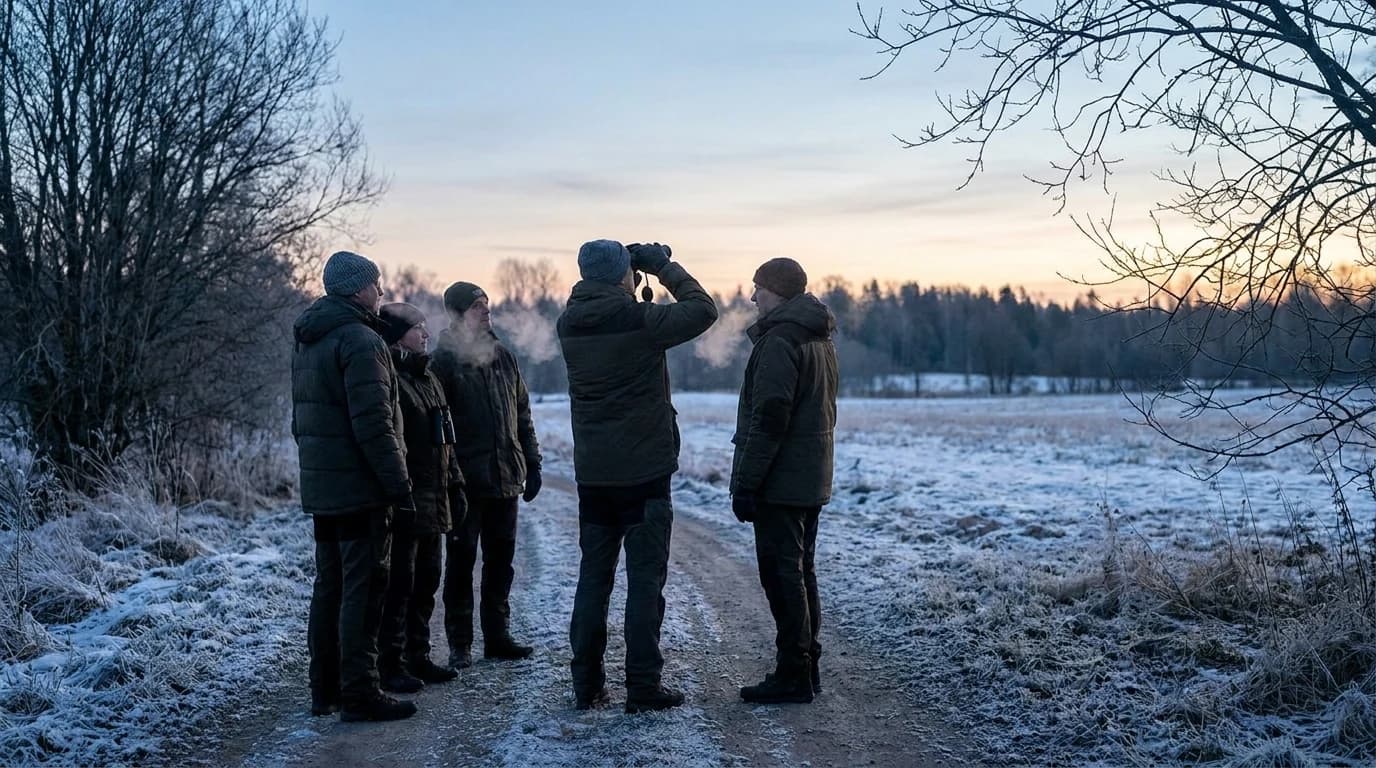
Every count happens on one day your circle chooses between December 14 and January 5, so send the email to your compiler well before mid-December. On the day, you're there as extra eyes on a team, not as the person who makes the final call on an ID — and if you can't spend a December day outdoors, you can count from your own feeder window.
There isn't a test, a membership, or a fee.
The myth that keeps people out
The single biggest reason people don't sign up is the belief that you have to identify everything on the wing. You don't. Audubon's own FAQ answers this directly: birders of all skill sets are involved in the CBC, and if you are a beginning birder, your compiler will pair you with an expert initially.
What you're actually there to do:
- Be extra eyes. Spotting is genuinely useful even when you can't name the bird.
- Ask questions. Count day is one of the best free birding lessons in North America — a full day beside someone who has been doing this for decades.
What you're not responsible for:
- The final call on an ID. Somebody more experienced makes it.
- The data sheet. Somebody on your team keeps the tally on day one, not you.
Worth knowing: if you're nervous, say so in your first email. Compilers hear it constantly and it helps them place you with a patient, teaching-minded team leader.
What the Christmas Bird Count actually is
The CBC is a winter bird census run by the National Audubon Society — the nation's longest-running community science bird project, with annual summaries reaching back to 1901.
It is not a competition and not a big-day list. It's a real census: volunteers count every bird they see or hear, all day — total individuals, not just species.
| Element | How it works |
|---|---|
| Season window | December 14 – January 5, inclusive, every year |
| Your count day | One calendar day inside that window, chosen by your circle |
| Count area | An established 15-mile-diameter circle (about 24 km) |
| Organizer | A volunteer compiler per circle |
| Cost | Free |
| 2026-27 season | Audubon's 127th Christmas Bird Count |
Each circle is subdivided into territories, and each territory gets a team.
How to sign up, step by step
- Open Audubon's CBC circle map. Circles shown green or yellow are open to new participants; red circles are full.
- Pick a circle near you and open its pop-up for the compiler's contact details.
- Email the compiler in advance — weeks ahead is ideal, since territories get assigned early. Say where you live, whether you can drive, and that you're new.
- Ask about the feeder-watcher option if walking a territory all day isn't realistic for you.
- Wait for your assignment — you'll be told your territory, your team, and the meeting time.
The trap: skipping the advance contact. CBC is a coordinated census, so showing up unannounced doesn't work.
What count day looks like
Expect a long, sociable, low-pressure day.
- An early start, often before dawn, sometimes with an owling run.
- A small team and an assigned territory you cover on foot and by car.
- Constant counting — every individual bird, plus notes on anything unusual.
- Effort tracking. Because the CBC is a genuine census, effort data are recorded alongside bird numbers — hours and distance by party, on foot and by car — so results can be compared fairly across years.
- A tally at the end. Many circles close with a countdown dinner or potluck where teams read out their totals species by species. For a lot of participants it's the best part.
The feeder-watcher option (the one nobody mentions)
Your own window counts as a territory
If your home is inside a count circle's boundary, you can participate from your own window — you report the birds visiting your feeders on count day, as long as you've made prior arrangement with the compiler.
This is the door in for anyone who can't hike a territory in December: limited mobility, small kids, no car, or simply a cold-weather limit. Feeder watchers are counted as real participants and their numbers go into the same dataset.
What the data is for
Repetition is what makes it science
CBC records are one of the deepest long-term wildlife datasets anywhere. Audubon notes that CBC data have been used in hundreds of analyses, peer-reviewed publications, and government reports over the decades.
Because the count repeats in the same circles, on the same calendar window, with effort recorded, researchers can separate real population change from "we just looked harder this year." That makes it a workhorse for winter population trend research and for climate work tracking how species' winter ranges are shifting north.
Practical prep for a December day outdoors
- Dress in layers, and assume you'll be standing still more than walking — that's what gets people cold.
- Bring a thermos and more food than you think you need.
- Charge your phone fully — cold drains batteries fast. Keep it in an inside pocket.
- Brush up on your common winter birds beforehand. Knowing juncos, chickadees, House Finches, and your local sparrows makes the whole day easier; a regional guide like the Kaufman Field Guide to Birds is enough.
- Waterproof boots and warm gloves you can still work binoculars in.
If a CBC doesn't fit, count anyway
- Project FeederWatch — a November–April feeder survey from the Cornell Lab of Ornithology and Birds Canada. Count as often or as little as you like. There's an $18 annual fee in the US; Canadian participants give any donation to Birds Canada.
- The Great Backyard Bird Count — four days each February, run jointly by Audubon, the Cornell Lab, and Birds Canada. Free, global, and 15 minutes is a valid contribution.
Any of the three gets your observations into real science. The CBC just happens to come with breakfast in the dark and a room full of people arguing happily about gull totals.
Frequently asked
Do I need to be good at bird ID to join a Christmas Bird Count?+
No. Audubon states that birders of all skill sets take part, and that beginning birders are paired with an expert by the compiler. Your job on your first count is to spot birds and learn — someone else on your team handles the tally and the tricky calls.
When is the Christmas Bird Count?+
Every season it runs December 14 through January 5, inclusive. Each individual circle picks one calendar day inside that window, so your local count could be any day in that range. The 2026-27 season is Audubon's 127th.
How much does it cost to participate?+
Nothing. Participation in the Christmas Bird Count is free.
Can I take part without leaving my house?+
Yes, if your home is inside a count circle's boundary. You can count the birds at your feeders on count day as a feeder watcher, provided you make arrangements with the circle's compiler ahead of time.
How big is a count circle?+
Each established circle is 15 miles in diameter, roughly 24 kilometers. It's divided into territories, and each territory is covered by a team on count day.
How do I find my local compiler?+
Use Audubon's CBC circle map. Green and yellow circles are open to new participants and red ones are full; each circle's pop-up carries the compiler's email. Contact them well before count day.
Sources & further reading
We research from primary and authoritative sources. Where our guidance rests on a fact, here's where it comes from.
- Audubon Christmas Bird Count — Primary program page. Confirms the December 14 – January 5 window every season and describes the CBC as the nation's longest-running community science bird project, with annual summaries back to 1901.
- Answers to your top questions about the Christmas Bird Count | Audubon — Source for the 15-mile-diameter circle, free participation, 'birders of all skill sets are involved', beginners being paired with an expert by the compiler, the feeder-watcher rule requiring prior arrangement, effort data being collected alongside bird numbers, and the hundreds of analyses and peer-reviewed publications using CBC data.
- Join the Christmas Bird Count | Audubon — Sign-up mechanics: the CBC circle map, green/yellow circles open to new participants and red circles full, contacting compilers by email in advance via the circle pop-ups, and confirmation that 2026-27 is Audubon's 127th count (Dec 14, 2026 – Jan 5, 2027).
- Project FeederWatch — Project Overview — Confirms FeederWatch is a November–April survey run by the Cornell Lab of Ornithology and Birds Canada, with an $18 US annual fee and any-amount donation for Canadian participants.
- Great Backyard Bird Count | Audubon — Confirms the GBBC is a free four-day February event co-run by Audubon, the Cornell Lab of Ornithology and Birds Canada, with a 15-minute minimum count and open to any experience level.
Prices and BirdingScores reflect our most recent research and refresh on a cycle; confirm the live price before buying. We may earn a commission from affiliate retailers — it never changes our recommendations. See how we review.