Tools
Hummingbird migration map: when they arrive near you
Spring hummingbird migration reaches the Gulf Coast in early to mid March and the northern states and southern Canada by early to mid May. Tap your state on the map, or pick your region, to see the typical arrival window and the date to hang your feeder so you catch the very first scouts — a full nectar feeder waiting for them beats one you hang after you've already seen one.
Tap your state
- February (Anna's often year-round): Pacific Northwest
- Early to mid March: Gulf Coast & Deep South; Southwest & Southern California
- Late March: Southeast & Mid-South
- Mid April: Mid-Atlantic & Lower Midwest
- Late April: Northeast & Upper Midwest; Mountain West & Rockies
- May: Northern tier & New England
- Between regions: no window names these states; tap one to see its neighbors' windows
Lower 48 only, with simplified borders. Alaska and Hawaii aren't covered; for southern Canada, use the region list.
Typical arrival
Mid to late April
Hang your feeder by
Early April
This is the classic tax-season arrival for much of the middle of the country.
These are approximate, weather-dependent windows — the front moves north with the warmth each spring. Get the recipe right with the nectar calculator, and read when do hummingbirds come back and how to attract hummingbirds.
Spring timing at a glance
| Region | Typical arrival | Feeder out by |
|---|---|---|
| Gulf Coast & Deep South | Early to mid March | Late February |
| Southeast & Mid-South | Late March to early April | Mid March |
| Mid-Atlantic & Lower Midwest | Mid to late April | Early April |
| Northeast & Upper Midwest | Late April to early May | Mid April |
| Northern tier & New England | Early to mid May | Late April |
| Pacific Northwest | Rufous from Feb–April; Anna's often year-round | Mid February |
| Mountain West & Rockies | Late April to mid May | Mid April |
| Southwest & Southern California | Spring migrants March–April; some species year-round | Late February |
| Southern Canada | Early to mid May (later farther north) | Late April |
Broad planning windows, not a live forecast; weather, elevation, and species shift the date.
Which region is my state in?
- Gulf Coast & Deep South
- Texas, Louisiana, Mississippi, Alabama, Georgia, Florida
- Southeast & Mid-South
- North Carolina, South Carolina, Tennessee, Arkansas
- Mid-Atlantic & Lower Midwest
- Virginia, Kentucky, Missouri, Kansas, West Virginia, Maryland, Delaware, New Jersey
- Northeast & Upper Midwest
- New York, Pennsylvania, Ohio, Illinois, Michigan, Indiana
- Northern tier & New England
- Maine, Vermont, New Hampshire, Massachusetts, Connecticut, Rhode Island, Wisconsin, Minnesota, North Dakota
- Pacific Northwest
- Washington, Oregon, Idaho
- Mountain West & Rockies
- Colorado, Utah, Wyoming, Montana
- Southwest & Southern California
- Arizona, New Mexico, Southern California
- Between regions
- Northern California, Nevada, Nebraska, South Dakota, Iowa, Oklahoma. No window above names these states, so the map shows the windows of the regions around each one instead of a date of its own.
Each state sits in the region whose name or label lists it (Massachusetts, Connecticut and Rhode Island under New England; New Jersey, Delaware, Maryland and West Virginia under Mid-Atlantic). Georgia, Ohio and Illinois are split, and the result says so.
Need a feeder before that date?
A full feeder waiting for the first scouts is the whole point of the date above. These are our two highest-scored picks.
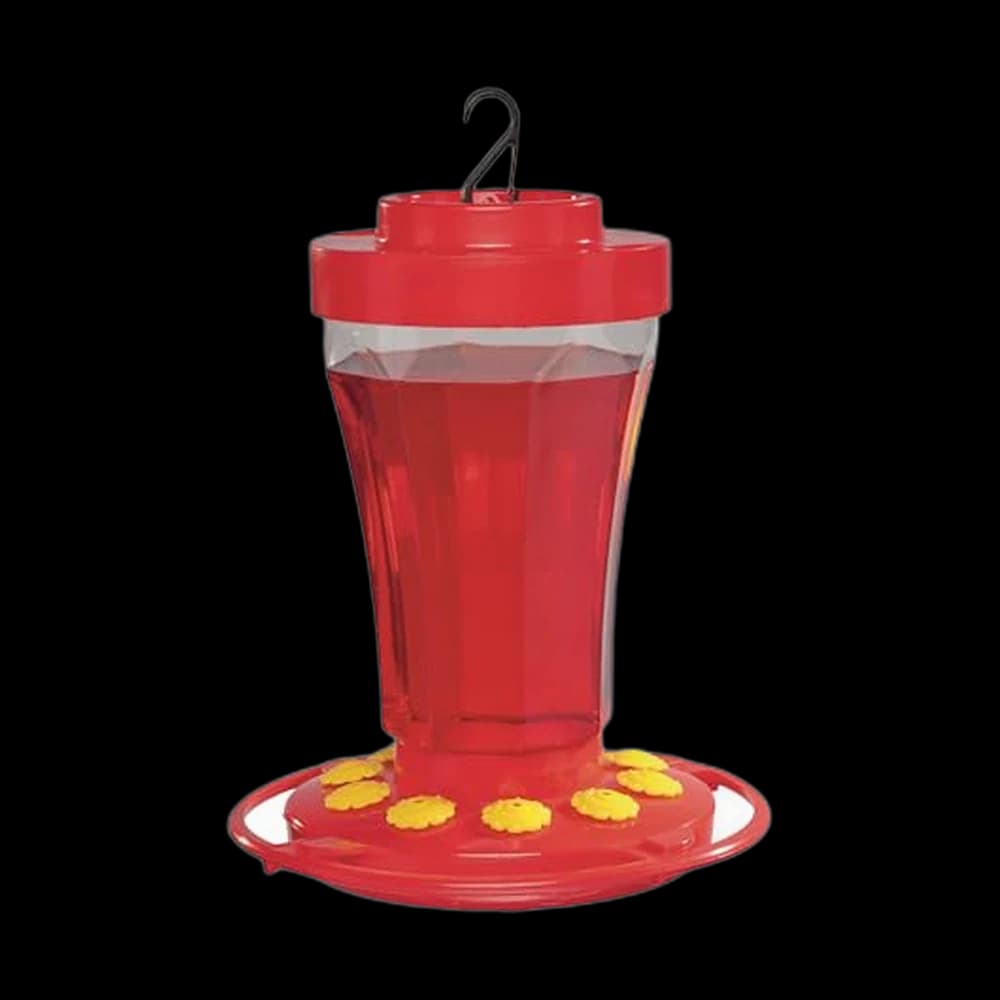
- First Nature 32 oz82Bird4.5$16.49
Value-minded hosts of busy hummingbird traffic wanting a 32oz, 10-port feeder that's easy to clean.
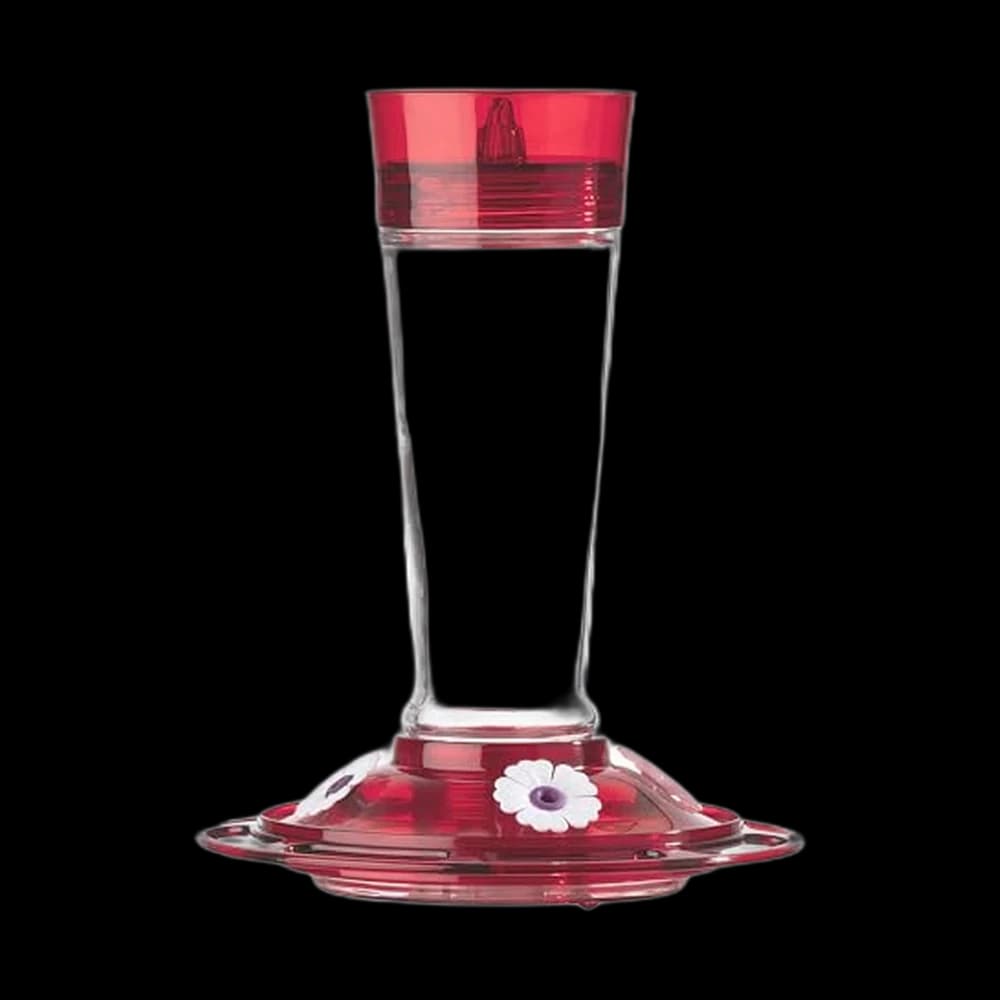
- More Birds Health+ Ruby82Bird4.6$16.99
Birders wanting an inexpensive glass feeder with a built-in ant moat; 10 oz is easy to keep fresh, since you refill before the nectar spoils.