
The Fledgling
First binoculars, first patch, first hundred birds.
Level 2 takes your birding beyond the yard: binocular practice, a local patch you visit on repeat, and eBird as your notebook. A life list of 100 is an optional goal, not a requirement or a one-season promise. Repeated observations matter more than the total.
You're at this level if…
- You own (or are about to own) real binoculars
- You've started wondering what's in the park beyond your yard
- You want to keep score
Your next field exercise
Repeat a short patch walk
Walk the same short public route twice on different days. Note your duration and birds confidently identified. Separate an actual change in birds from a change in weather, time or your attention.
Watch from a respectful distance. Stay on permitted routes and avoid disturbing nests or playing bird sounds to attract a response.
Notes stay in this page and clear when you leave or reload; print to keep them. Only completion is saved on this device. Notes and place names are not sent with analytics.
Skills to build
Each one has a two-minute check and something to actually go and do. No gear needed.
Binocular technique
The #1 beginner fumble: looking down at the binoculars. Lock your eyes on the bird, then raise the glass to your eyes without looking away. Practice on rooftops and stop signs until it's automatic.
Try it · 2 min
A warbler lands high in the canopy. What do you do first?
Field assignment
Pick a distant fixed object — a sign, a chimney, a particular window. Practise eyes-on, binoculars-up ten times until you stop looking down.
Full technique guideWork a patch
One park, visited weekly, beats ten parks visited once. You learn what's normal — which is the only way to notice what's special.
Try it · 2 min
Which builds more skill over a year?
Field assignment
Choose your patch — somewhere you can reach in under 20 minutes without planning. Walk one route this week and write the date down.
eBird from zero
Start every outing as an eBird checklist. It's your life list, your field notebook, and your contribution to science in one free app.
Try it · 2 min
You detected six species but only listed the four you were certain of. What's the catch?
Field assignment
Submit one complete checklist this week. Five common birds seen from a window absolutely counts.
eBird from zeroRead a field guide's text, not just pictures
The picture shows one bird; the text tells you what separates it from its lookalike. Range maps rule out half your candidates instantly.
Try it · 2 min
Two illustrations look identical to you. Where is the answer usually hiding?
Field assignment
Open any guide at two species you confuse. Read both accounts and write down the single mark that separates them.
Bird by habitat
Try places where woods meet fields or water meets land, then compare what you find in each habitat. Spend a few quiet minutes looking and listening instead of covering ground continuously.
Try it · 2 min
Twenty minutes in a park. Where do you stand?
Field assignment
Find one edge near you on a map — woodland meeting grass, or any waterline. Stand there for ten minutes and see what the edge gives you.
Worth knowing
Migration timing
Migration timing varies by species, latitude and habitat. Use your local eBird bar charts to find likely weeks, then compare repeated visits; no patch has a guaranteed seasonal species total.
The plumage trap
Breeding, winter, juvenile, molting — one species can wear four costumes. When an ID fights you, ask 'could this be a common bird in a different outfit?' first.
Birding ethics, the short version
The bird's day matters more than your photo. Keep distance at nests, go easy on playback, respect closures — and welcome newcomers the way you wished someone welcomed you.
Guides for this level
Start with these, in order. The rest are optional branches — take the ones that fit your yard and your interests.
How to Choose Your First Birding Binoculars Under $200
4 min readHow to Use Binoculars for Birding: 8 Fixes That Work
5 min readHow to Use eBird: Your Birding Notebook, Explained
5 min readThen explore — optional
Watch & learn
Hand-picked tutorials for this level — play them right here.
Birding 101: Mastering Binoculars for Beginners
Teaches you to actually find and focus on a bird through binoculars without losing it.
▶ Badgerland Birding
The gear that matters here
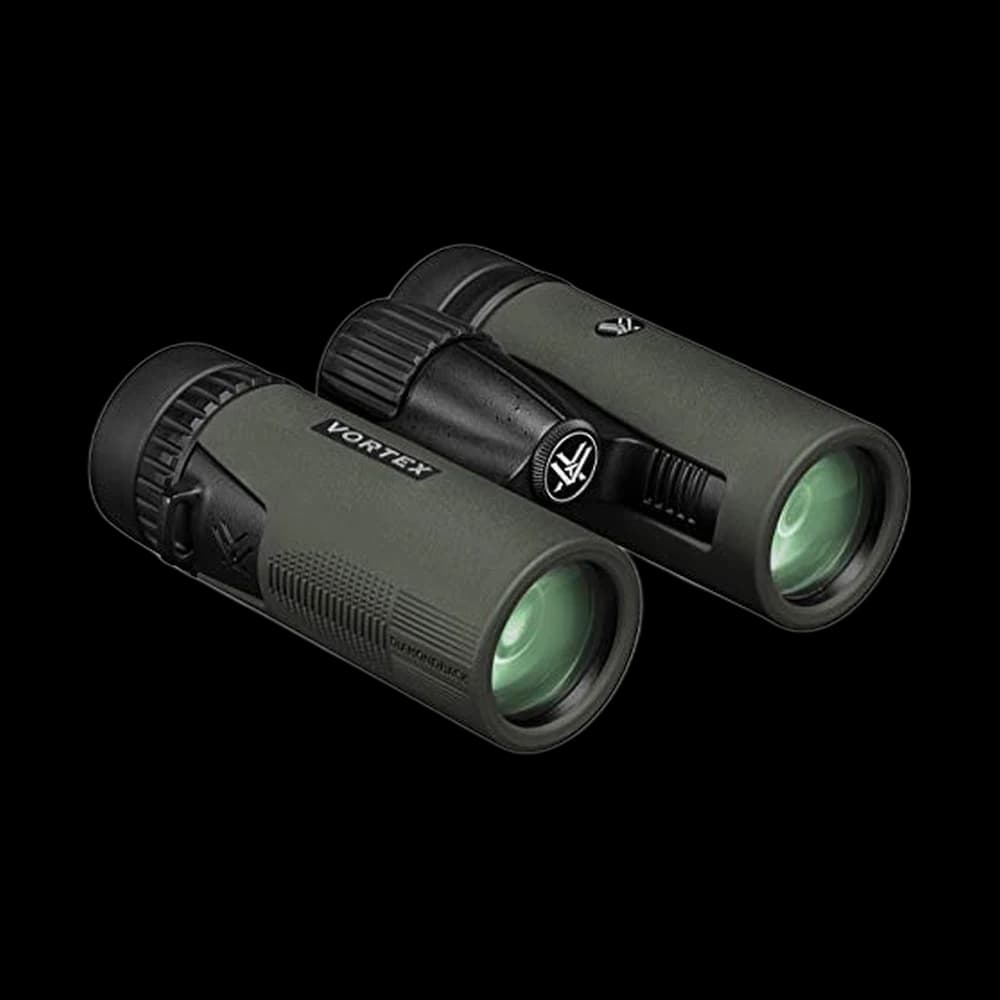
A comfortable pair of binoculars is enough for this level. Try the 8x42 format as a starting point, check fit and eye relief, and compare current prices in the finder. Bags, scopes and cameras can wait.
- 8x42 binoculars, mid-range (Nikon Monarch / Vortex Diamondback class)$150–350
Waterproof, warrantied, wide-view. Use the Binocular Finder to match one to your face, glasses, and budget.
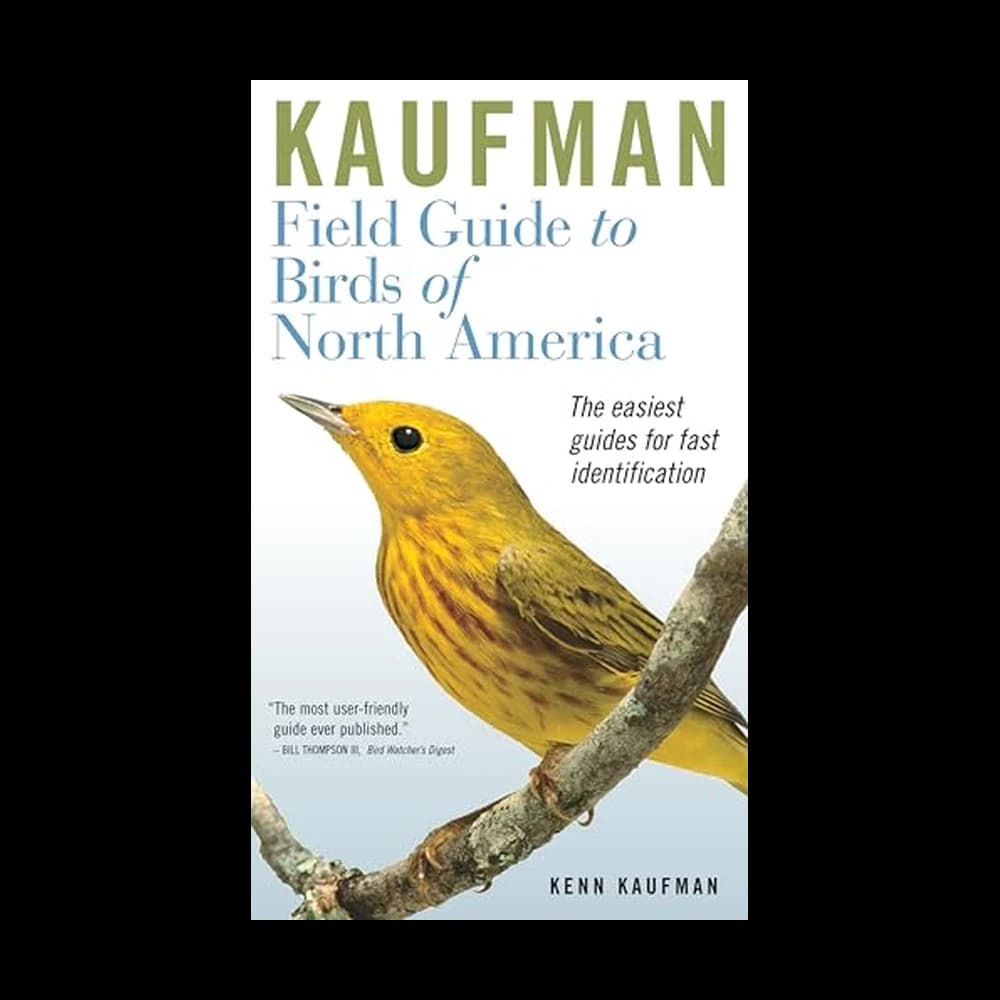
- Sibley or National Geographic field guide$20–30
Paper still beats apps for browsing and building a mental map of families.
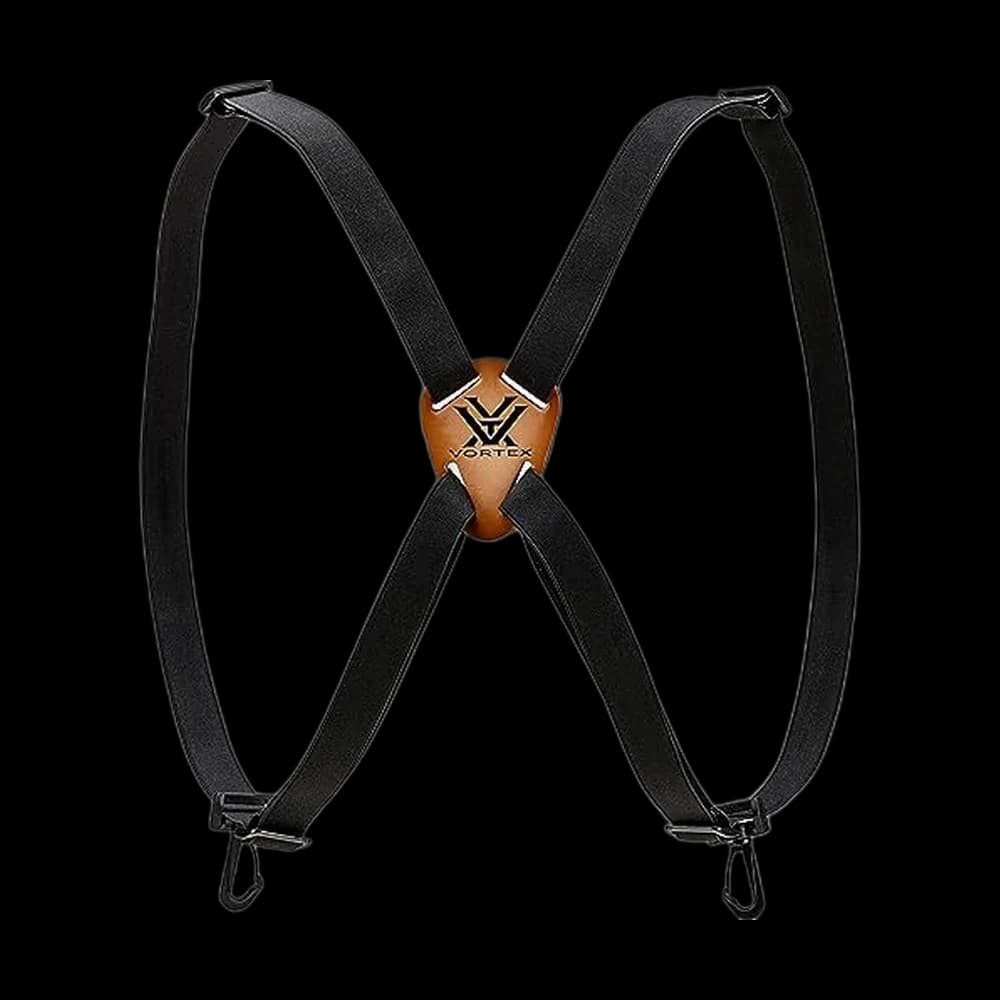
- Binocular harness$20–40
Moves the weight from neck to shoulders. Two hours in, you'll understand.
- Regional field guide (your state/province)$15–20
A 150-species local guide is less overwhelming than a 900-species continental one.
See scored, real-price picks in the Gear section.