
Mid-Range Binoculars
The $150-400 sweet spot: the pair most birders keep for a decade. Waterproof, warrantied, ED glass.
Content updated October 21, 2026
The 30-second answer
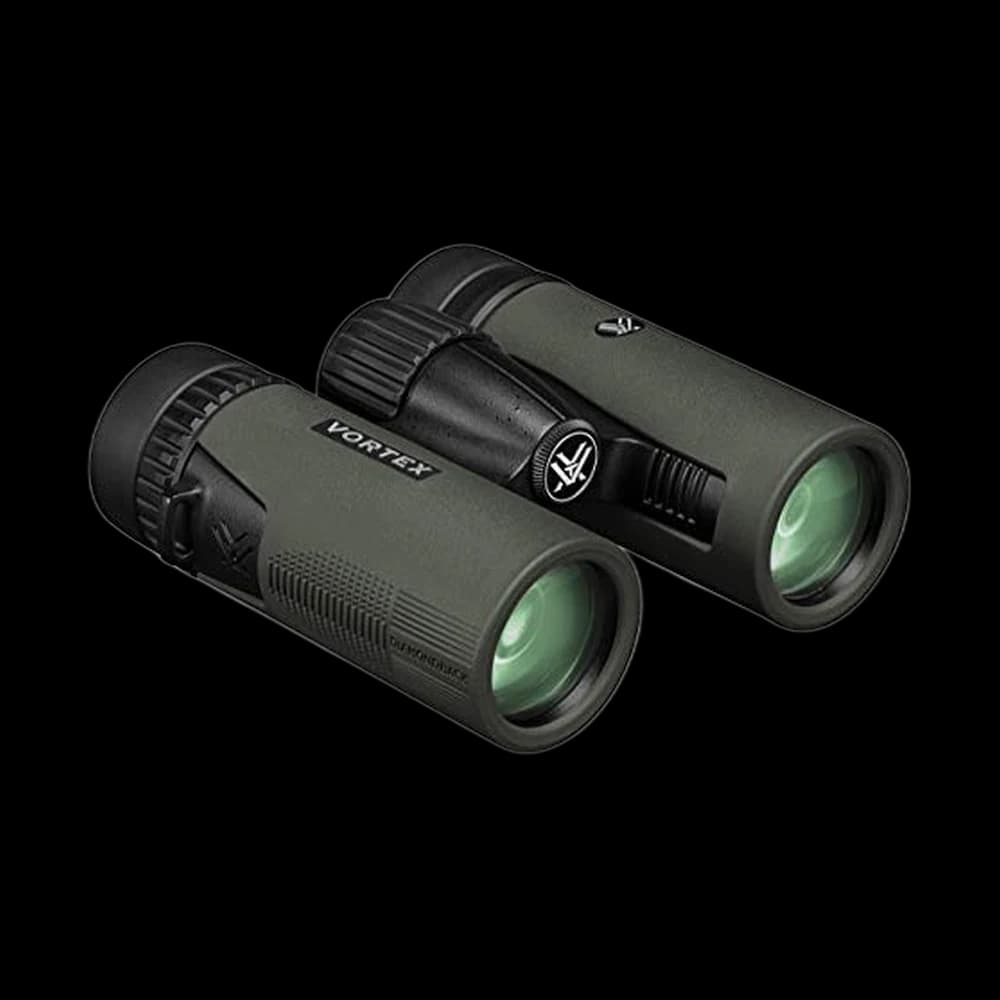
For most birders the Vortex Diamondback HD 8x32 ($207.50) is the honest sweet spot — compact, fog-proof, and backed by an unlimited lifetime warranty; glasses wearers should step to the Nikon Monarch M5 for its 19.5mm eye relief.
Top pickVortex Diamondback HD 8x32
New birders wanting a compact, fog-proof 8x32 backed by Vortex's unlimited lifetime warranty for $209.
Buy on Amazon$207.50
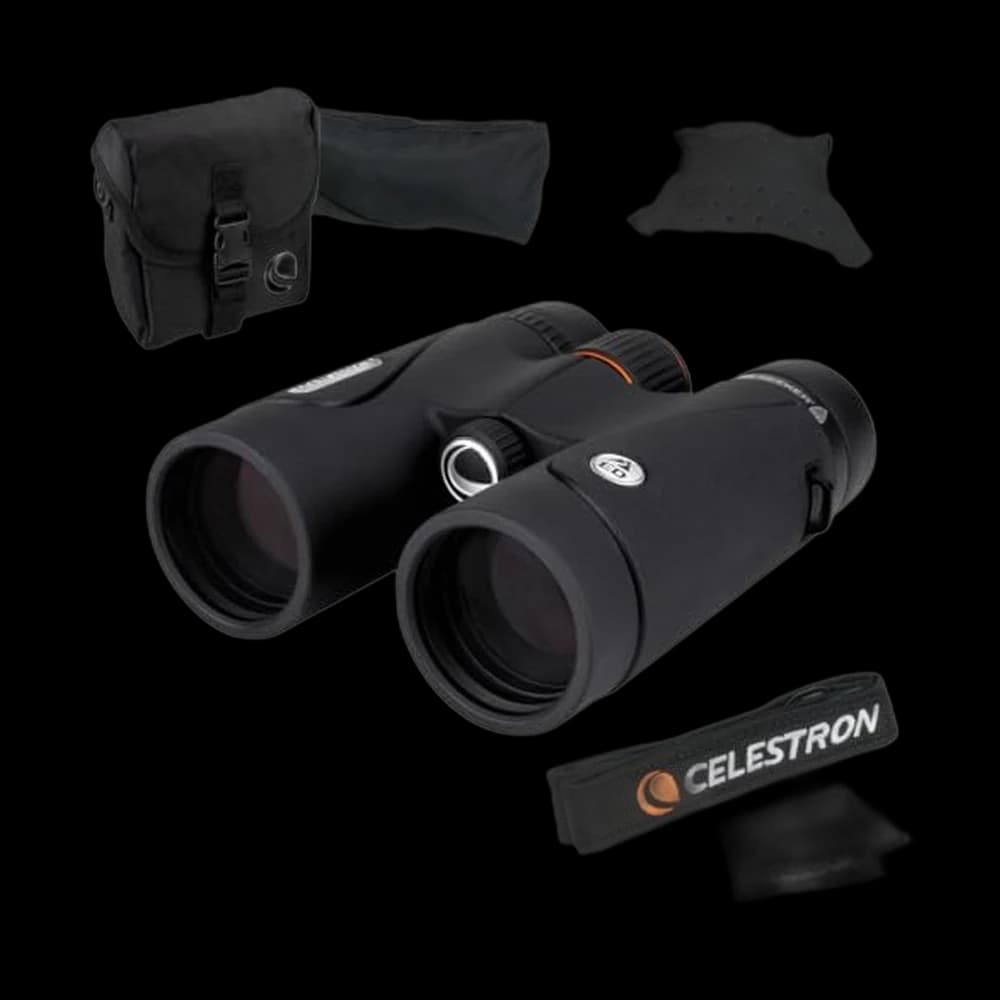
Great valueCelestron TrailSeeker ED 8x42
Buyers wanting ED glass plus a full harness, case, and covers bundled in.
Buy on Amazon$319.99
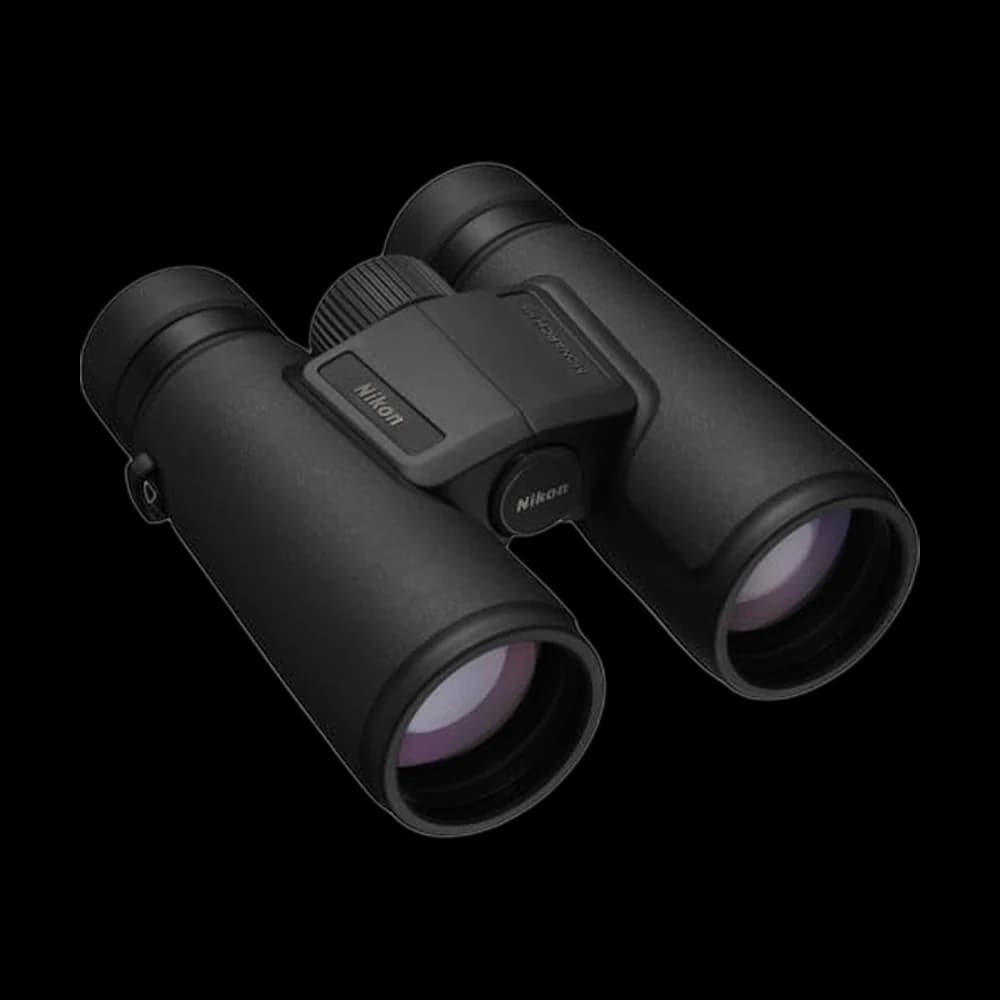
Cheapest alternativeNikon Monarch M5 8x42
Eyeglass wearers who prize the class-leading 19.5mm eye relief in a proven, sealed 8x42.
Buy on Amazon$289.98
Owner ratings come from Amazon; BirdingScore is our separate research score.
Compare two picks
Tap an unselected chip to compare it with your current right-hand pick — all 5 picks available.
BirdingScore
91/100
92/100
Skip it if
You need maximum dawn/dusk light-gathering; the 32mm objective trails a full 42mm, and no harness is included.
You want the lightest pair around your neck; at 1.6 lb it outweighs most rivals here.
Magnification
8×
8×
Objective lens
32 mm
42 mm
Field of view
426 ft / 1000 yd
425 ft / 1000 yd
Eye relief
16 mm
17.2 mm
Close focus
5.0 ft
6.5 ft
Weight
1.0 lb (15.9 oz)
1.6 lb
Waterproof
Yes — waterproof & fogproof
Yes — waterproof & fogproof
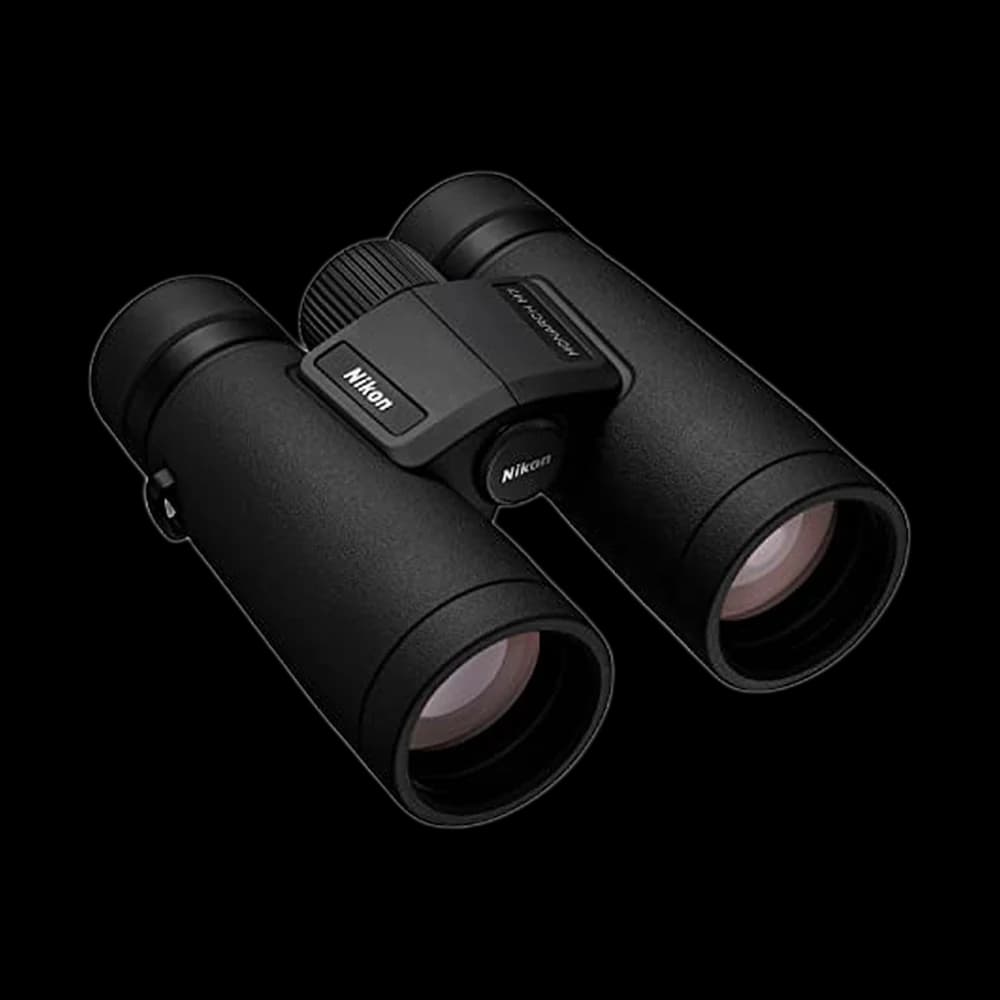
Who it's for
Birders ready to graduate from an entry pair to the one set of $150-400 binoculars they'll keep for a decade — waterproof, warrantied, ED glass sharp enough for the whole life list.
Who should skip
If you only glance at feeder birds from the kitchen window, a $60 starter pair is plenty; and if you already know you chase distant shorebirds or hawks on a ridge, put the money toward a spotting scope instead.
What matters when buying
- 8x vs 10x magnification — 8x gives a wider, steadier view that's forgiving for warblers in the canopy; 10x reaches farther but shakes more and dims faster.
- Eye relief (15mm+, ideally 19mm) — glasses wearers need the long relief on the Nikon Monarch M5's 19.5mm to see the full field without blackout.
- Waterproofing and fog-proofing — nitrogen-sealed, O-ring bodies survive dawn dew and sudden rain, which every pair here delivers.
- Weight and field of view — a lighter 8x32 like the Diamondback rides all day, while a wide 8x42 field keeps moving flocks in frame.
Common mistakes
- Chasing the highest magnification — 10x and 12x look impressive on the box but hand-shake and a narrower field make birds harder, not easier, to find.
- Ignoring eye relief if you wear glasses — too little relief crops the view to a tunnel and ruins an otherwise good pair.
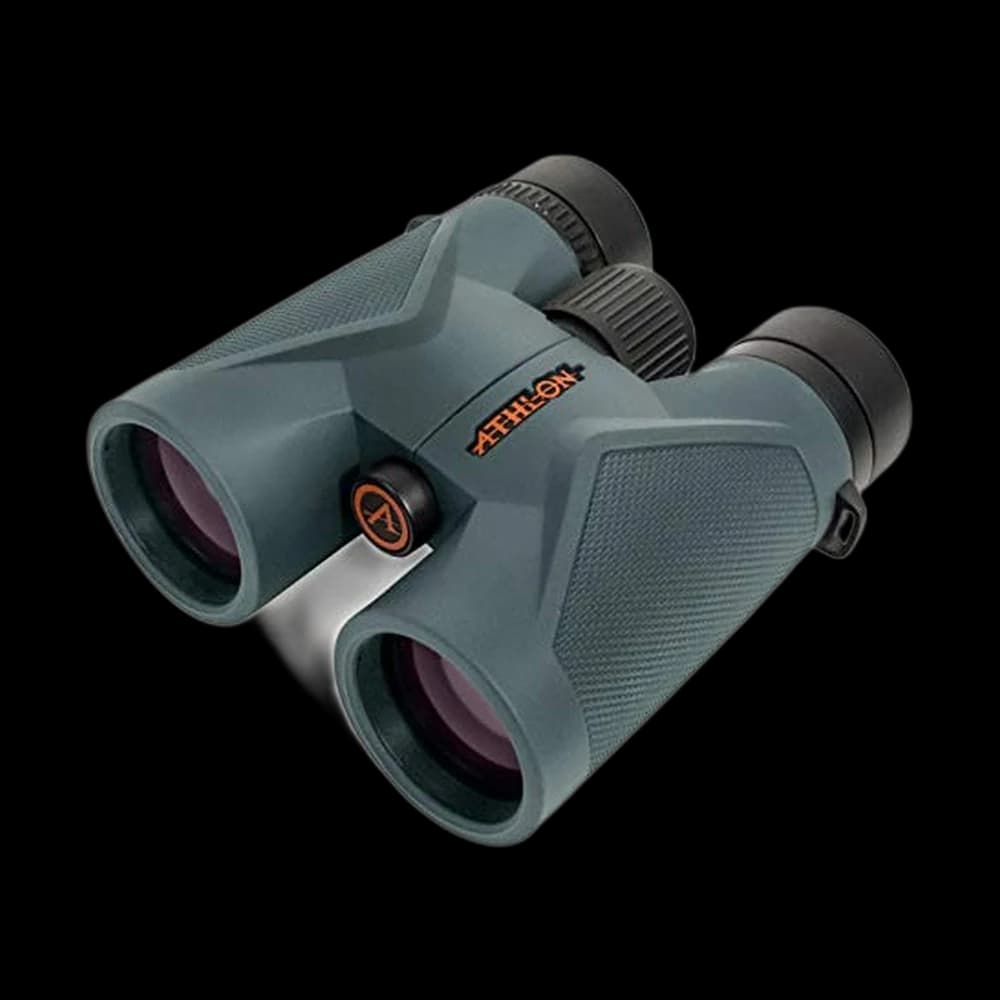
- Overpaying for a name when a mid-priced ED pair like the Athlon Midas UHD delivers most of the brightness for far less.
How we chose: We ranked five researched picks by our BirdingScore, which blends owner satisfaction with real field value drawn from published specs and thousands of owner reviews. We don't run a lab or claim hands-on testing — the score reflects how these pairs actually serve birders in the field.
The constraint-stacked answer
For glasses plus travel, the 15.9-ounce Diamondback HD 8×32 is the lightest option here and records 16 mm of eye relief. For durability plus a broad view, the TrailSeeker ED and Athlon Midas both record waterproof construction and 425 ft at 1,000 yd; the Nikon Monarch M5 trades width for 19.5 mm eye relief.
What we'd skip
- Unverified marketplace “ED” binoculars: An ED label alone does not establish field of view, coatings, warranty support, or a stable owner record. We require a traceable model and comparable specifications.
Useful add-ons under $40
Three inexpensive additions that solve real field problems; none is required to enjoy the binoculars.
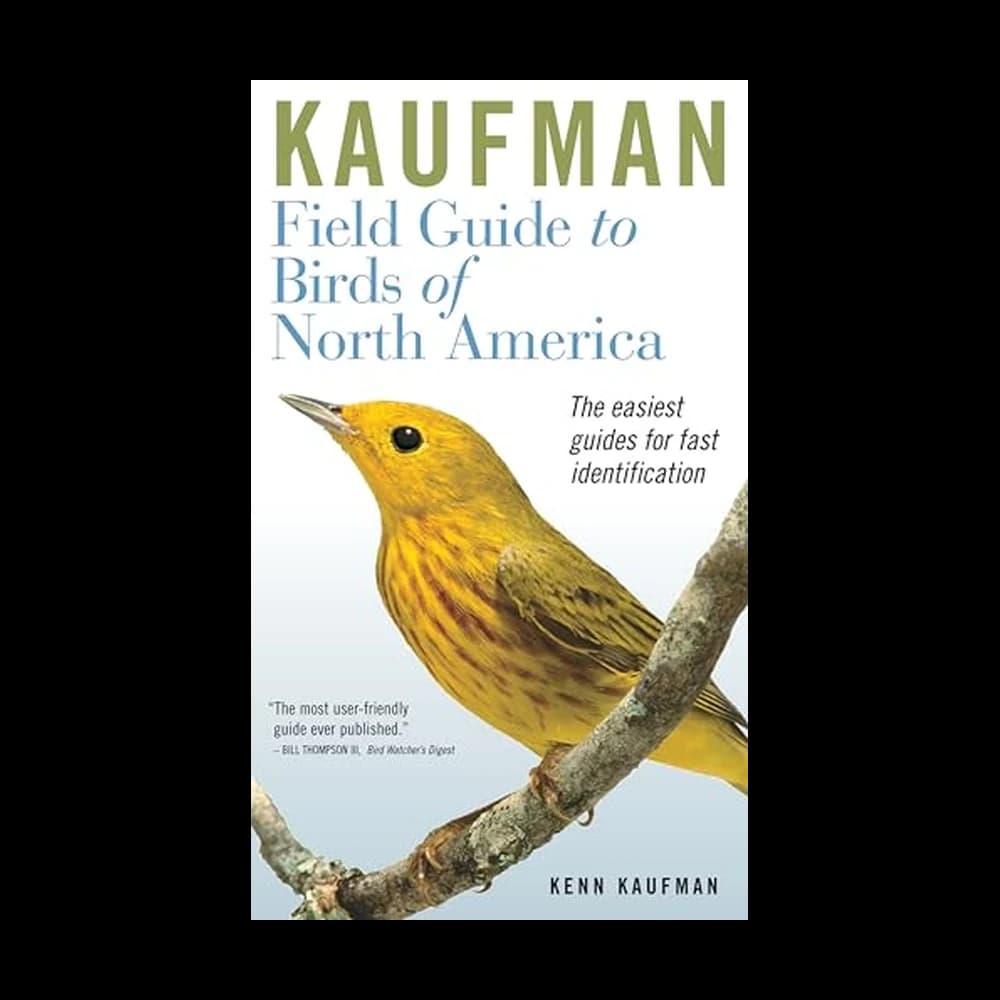
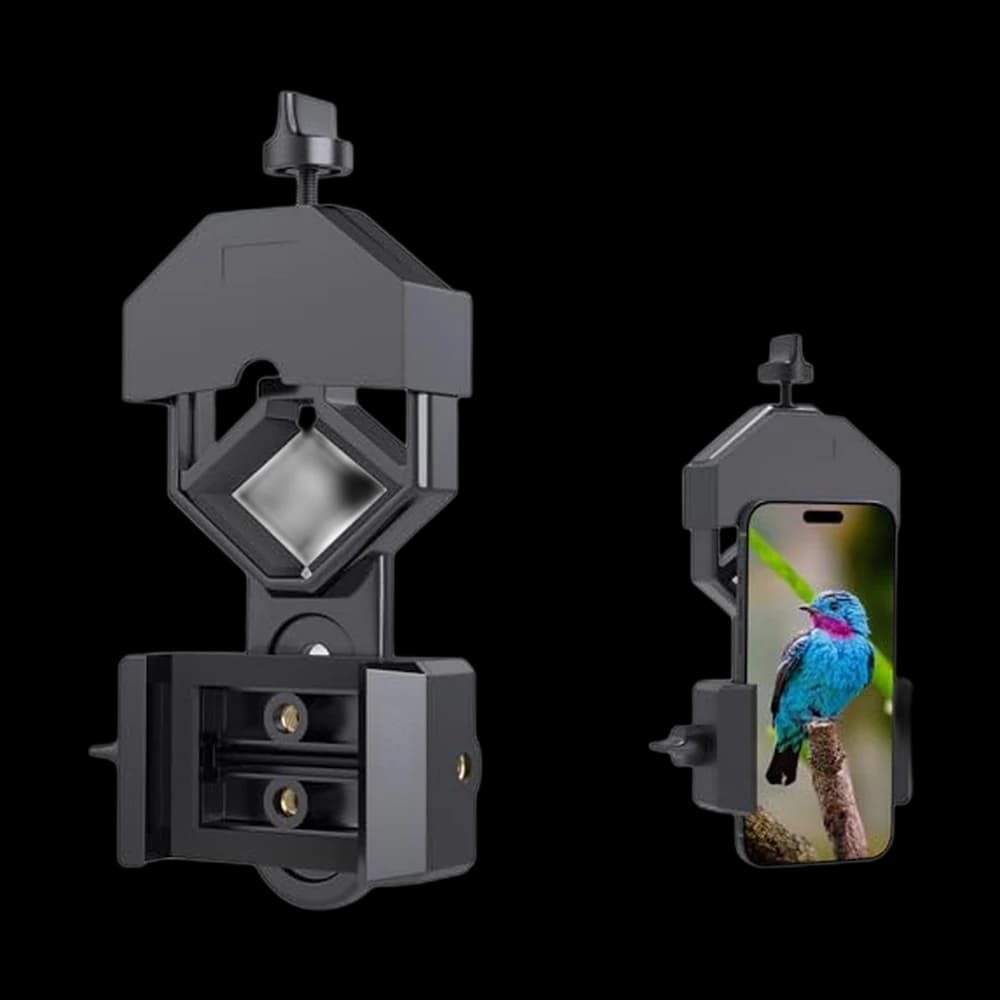
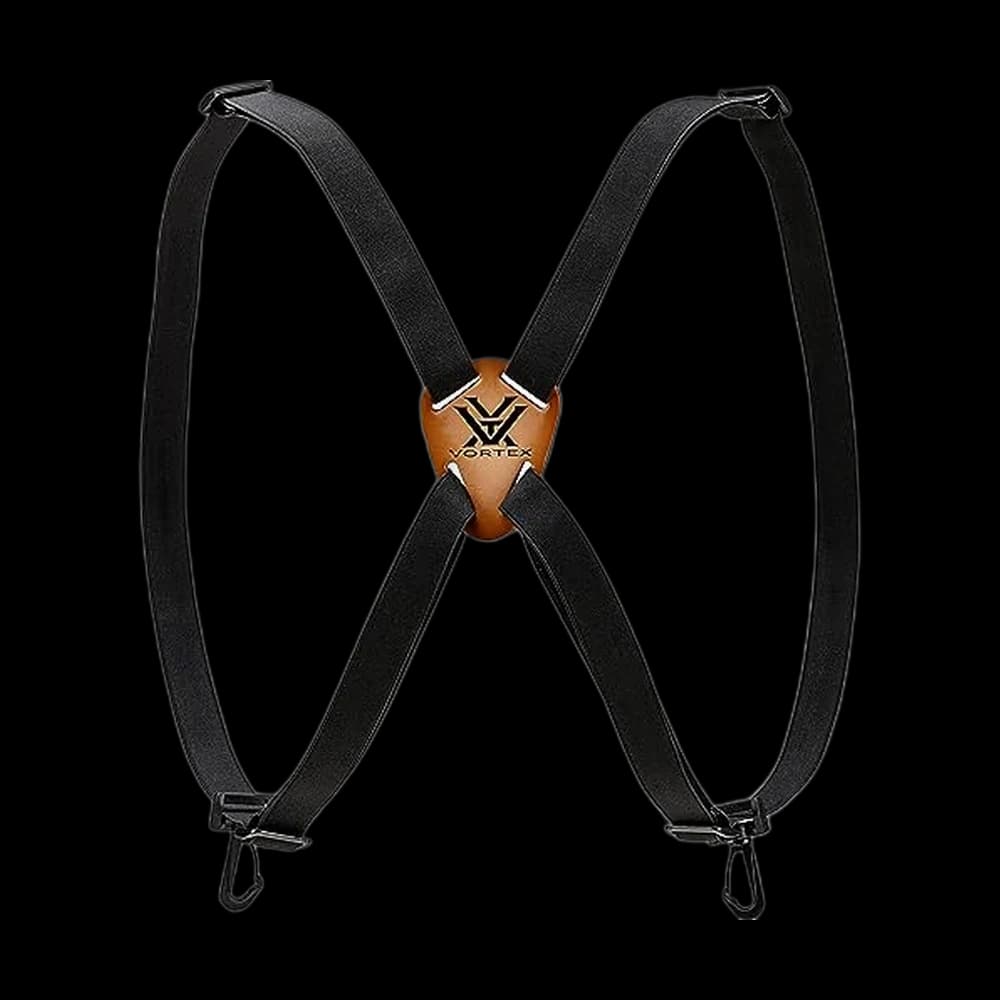
Compare field guides & books →Compare phone digiscoping adapters →Compare binocular harnesses & straps →
Compare all gear & how we scoreEvery pick, reviewed
91Bird
Vortex
Vortex Diamondback HD 8x32
Unbeatable warranty; the safe first buy.
Skip it if: You need maximum dawn/dusk light-gathering; the 32mm objective trails a full 42mm, and no harness is included.
4.7 Amazon(503)$207.50
92Bird
Athlon Optics
Athlon Midas UHD 8x42
Punches into premium-class brightness.
Skip it if: You want the lightest pair around your neck; at 1.6 lb it outweighs most rivals here.
4.8 Amazon(1,745)
88Bird
Nikon
Nikon Monarch M5 8x42
The default first serious pair.
Skip it if: You track fast flocks; the 335 ft field is the narrowest here, and some flag durability.
4.7 Amazon(373)$289.98
80Bird
Celestron
Celestron TrailSeeker ED 8x42
Spec-sheet overachiever with ED glass.
Skip it if: All-day comfort or long-haul ruggedness matters; buyers flag both the 1.5 lb weight and durability.
4.6 Amazon(257)$319.99
77Bird
Nikon
Nikon Monarch M7 8x42
Wide 8.3-degree field keeps flocks in view.
Skip it if: You're price-sensitive; at $537 buyers question the value versus cheaper ED 8x42s.
4.6 Amazon(164)$536.95
From the birding community
What birders actually say about mid-range binoculars
Recurring themes we found across 149 public discussion threads in r/birding, r/Binoculars, read in July 2026. We summarise what comes up repeatedly and link the threads — we never quote or identify anyone, and these forums don't give us vote counts, so treat this as the shape of the conversation rather than a measured majority.
Comes up again and again
8x42 is the default recommendation, and it is not close
Thread after thread steers people to 8x over 10x for birding: the wider field makes a warbler easier to find, the image is steadier handheld, and it stays brighter in closed canopy. 10x keeps its defenders for open water and shorebirds.
Comes up again and again
The lifetime warranty is treated as part of the product
Vortex's VIP policy and Nikon's service come up constantly as reasons to buy, with people describing no-questions replacements years into ownership. It is a recurring tiebreaker between otherwise similar pairs.
The dissenting view
A persistent minority says buy the 8x32, not the 8x42
The compact-body camp argues a 32mm of the same model often has an equal or wider field, weighs noticeably less on an all-day walk, and gets carried more often as a result. The tradeoff they accept is dimmer performance at dusk.
Comes up again and again
Buy the harness before you buy better glass
Swapping the bundled neck strap for a chest harness is repeatedly called the cheapest real upgrade in birding, because it moves the weight onto the shoulders and stops the binoculars swinging when you walk.
The dissenting view
Regulars point newcomers to the used and refurbished market
Buying demo, open-box or factory-refurbished glass from optics dealers comes up often as the way to get a tier higher than your budget, which is advice you rarely see on a retail page.
Guides for buying Mid-Range Binoculars
Frequently asked
What magnification should I buy for birding?+
8x, and it is not a close call. Across birding forums the 8x42 recommendation recurs constantly: the wider field makes a warbler easier to find, the image is steadier handheld, and it stays brighter under closed canopy. 10x keeps its defenders for open water and shorebirds, where the birds are distant and you have time to steady the view.
Which mid-range pair is our top pick?+
The Vortex Diamondback HD 8x32 — a compact, fog-proof pair backed by Vortex's unlimited lifetime warranty, and the highest BirdingScore in this category. Glasses wearers should step to the Nikon Monarch M5 8x42 for its longer eye relief.
Should I spend the money on better glass or on accessories?+
Swapping the bundled neck strap for a chest harness is repeatedly called the cheapest real upgrade in birding, because it moves the weight onto your shoulders and stops the binoculars swinging. Buy the harness first; the glass can wait.
Sources & research (12)Show
- Nikon: binocular precautions, cleaning and storage — Dust/sand removal, gentle smudge cleaning, ordinary-tissue warning, moisture storage, and model-specific waterproof exterior care.
- ZEISS: optical lens wipes and compatible surfaces — Manufacturer describes these wipes as suitable for binoculars and coated optical lenses; exact-binocular instructions still take priority.
- Cornell Lab: adjusting binoculars to avoid blacked-out areas — Explains eyecup, hinge and diopter adjustments and why glasses wearers usually retract eyecups.
- Nikon: adjusting binoculars and eye relief — Manufacturer setup sequence for glasses, eyecups, center focus and diopter; not a universal eye-relief threshold.
- Cornell Lab: choosing binoculars that fit — Encourages trying binoculars for personal fit and checking the full field with the glasses you wear.
- Field of View Is Important in Birdwatching Binoculars. Here's Why | Cornell Lab of Ornithology (All About Birds) — Backs the field-of-view figures (typical birding binoculars run ~5.5°–8.5°, or 290–470 ft at 1,000 yards) and the rule that field of view shrinks as magnification rises — Cornell's stated reason many birders prefer 8x over 10x.
- Exit pupil | Basic Information about Binoculars | Nikon — Manufacturer technical page for the exit-pupil formula (objective diameter ÷ magnification, so 42÷8 = 5.25mm vs 42÷10 = 4.2mm) and why a larger exit pupil looks brighter in dim light.
- Eye relief | Basic Information about Binoculars | Nikon — Defines eye relief and states the manufacturer recommendation that eyeglass wearers choose long-eye-relief (high eyepoint) binoculars to see the full field.
- Binoculars for Kids — Cornell Lab of Ornithology K-12 — Source for the raise-and-point method: find the bird with the naked eye, 'don't take your eyes off it,' raise the binoculars along your line of sight, then adjust the center focus.
- How to Fit & Focus Your Binoculars — Mass Audubon — States that eyeglass wearers should use binoculars with the eyecups twisted down, describes merging the barrels into one circle of light, and confirms that only the center wheel should be used once the diopter is calibrated.
- The Audubon Guide to Binoculars — Audubon — Supports the 8x recommendation: most birders prefer 7- or 8-power binoculars because they are bright and have a wide field of view, making birds easier to find and follow.
- How To Clean Your Optics the Right Way — Vortex Optics — Manufacturer care guidance: blow loose debris off the glass before any contact, work from coarse soiling to fine detail, and use optics-grade cloths rather than a shirt tail.
Keep narrowing the choice
Prices and ratings shown are the most recent values we pulled from affiliate retailers and refresh on a recurring cycle; confirm the live price before buying. See how we score.