
How to Use Binoculars for Birding: 8 Fixes That Work
Keep losing the bird? It's setup, not skill. The raise-and-point method, the diopter step everyone skips, eyecups, steadying, and care.
The short answer
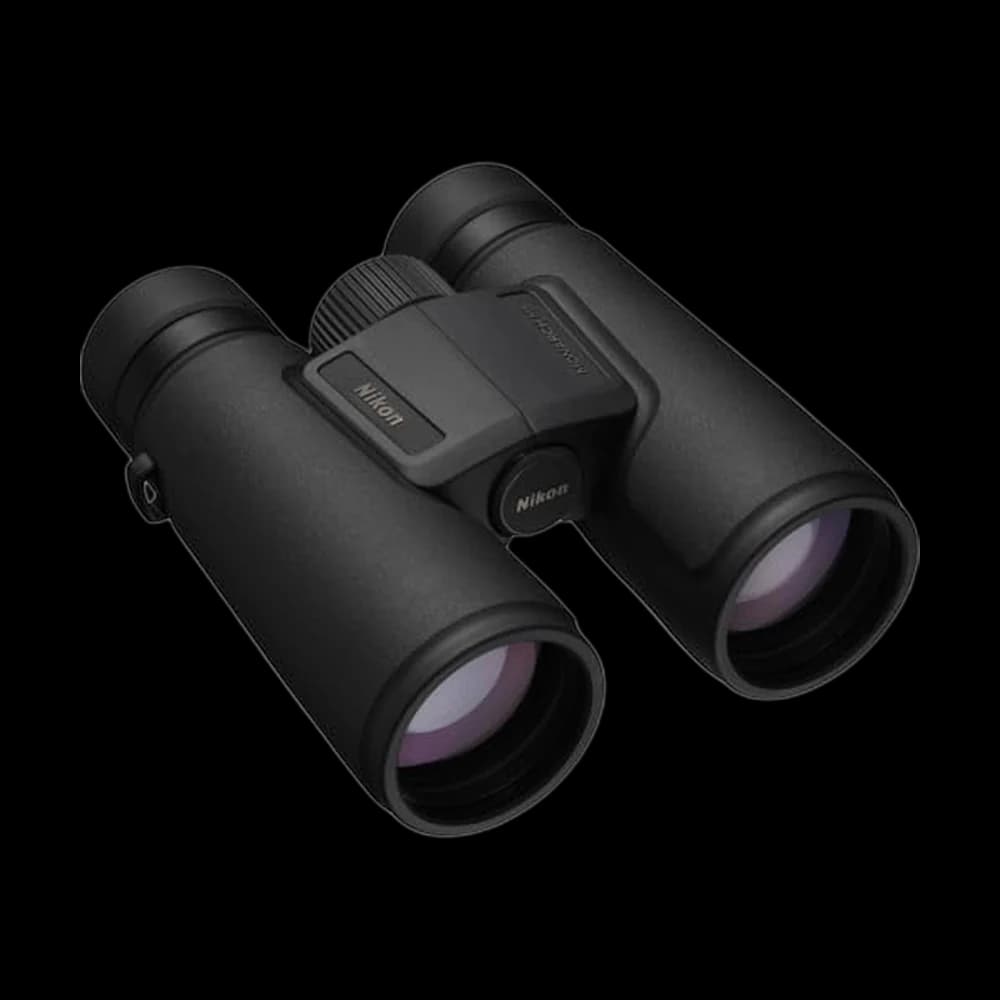
- Eyeglass wearers who prize the class-leading 19.5mm eye relief in a proven, sealed 8x42.
- Skip if you track fast flocks; the 335 ft field is the narrowest here, and some flag durability.
Key takeaways
- Eyes on the bird, then raise. Looking down at your binoculars is the number-one reason beginners lose the bird.
- Set the diopter once. Cover the right lens, sharpen with the center wheel, then cover the left and sharpen with the diopter ring only.
- Eyecups down for glasses, up without. Wrong position causes the tunnel-vision and blackout complaints.
- Elbows in and a slow exhale kill more image shake than any amount of extra magnification.
- Blow the grit off before you wipe — dry-rubbing is what scratches lens coatings, not the smudge itself.
Pick by your situation
| If your situation is… | Pick | Why |
|---|---|---|
| You wear eyeglasses in the field | Twist the eyecups fully down and buy for long eye relief | Glasses already add distance; extended cups cut your field of view to a tunnel |
| Your hands shake or you're new to optics | 8x over 10x — for example the Vortex Diamondback HD 8x32 | Lower magnification steadies the image and widens the field so birds are easier to find |
| You bird for hours and your neck aches | Swap the stock neck strap for a harness | A harness shifts the load to your shoulders and stops the barrels swinging |
| One eye always looks softer than the other | Run the 5-step diopter routine before blaming the binoculars | An unset diopter leaves one barrel permanently out of focus for your eye |
| You want one pair that does everything for years | A mid-tier 8x42 like the Nikon Monarch M5 | Full-size 42mm objectives handle dawn and dusk light where compacts fall short |
A shortcut by situation — start from the row that sounds like you.
Mid-Range Binoculars: our picks
| Pick | Best for | Rating | Price | |
|---|---|---|---|---|
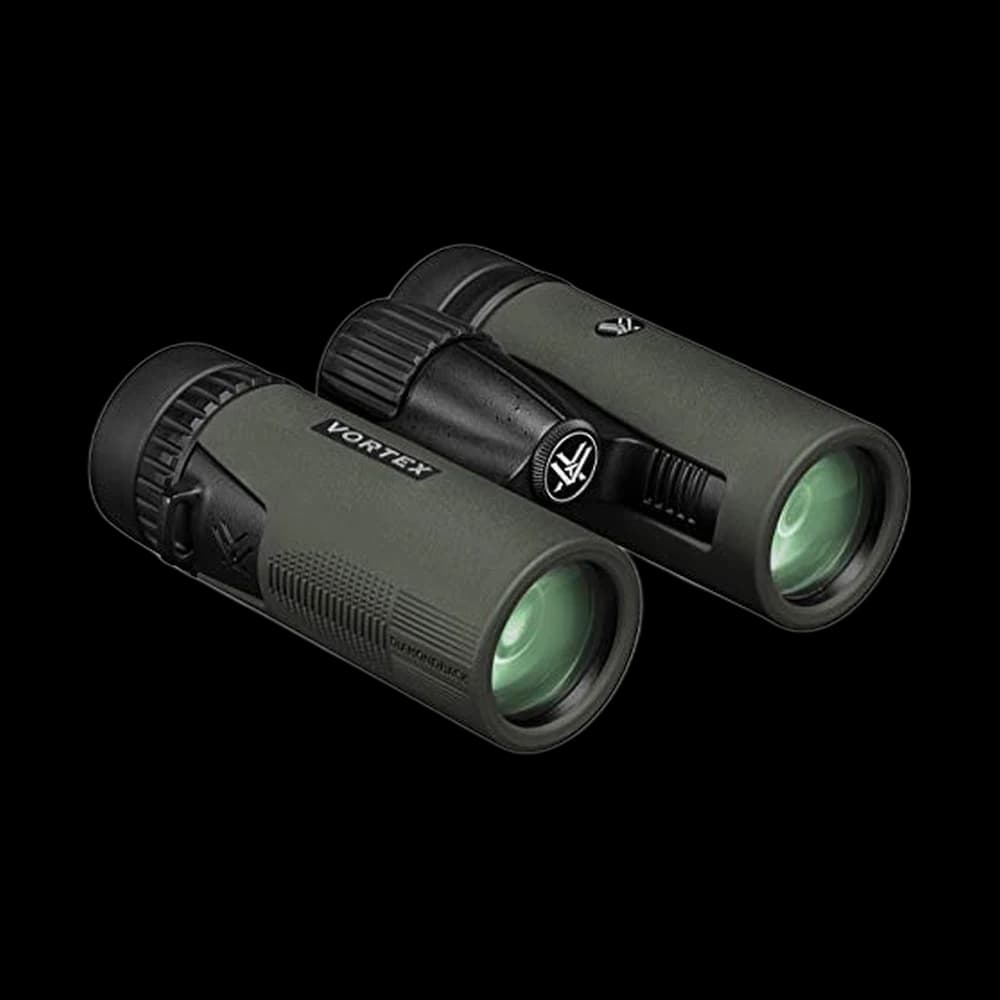 TopVortex Diamondback HD 8x32 Binoculars TopVortex Diamondback HD 8x32 Binoculars | Unbeatable warranty; the safe first buy. | ★ 4.7 Amazon | $207.50 | Buy on Amazon |
| Nikon Monarch M5 8x42 Binocular | The default first serious pair. | ★ 4.7 Amazon | $289.98 | Buy on Amazon |
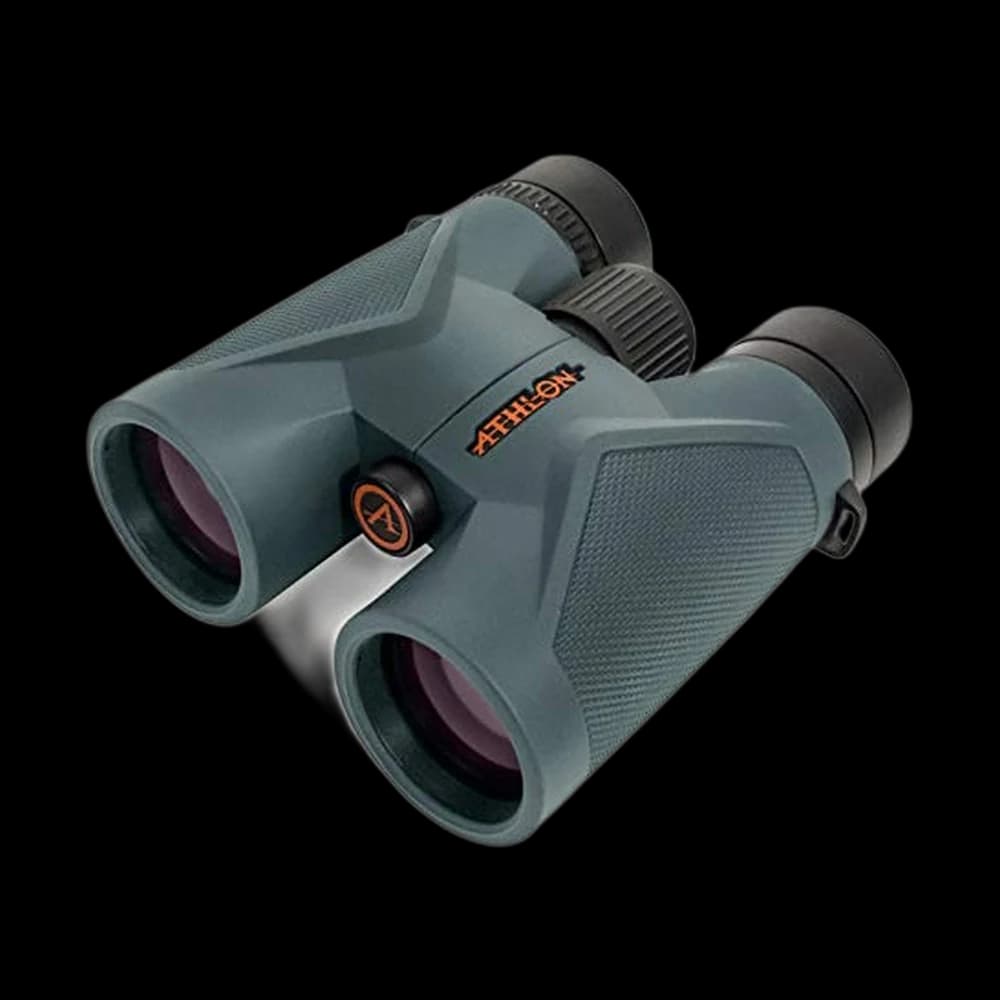 Athlon Optics 8x42 Midas UHD Gray Binoculars with ED Glass for… Athlon Optics 8x42 Midas UHD Gray Binoculars with ED Glass for… | Punches into premium-class brightness. | ★ 4.8 Amazon | — | Check price → |
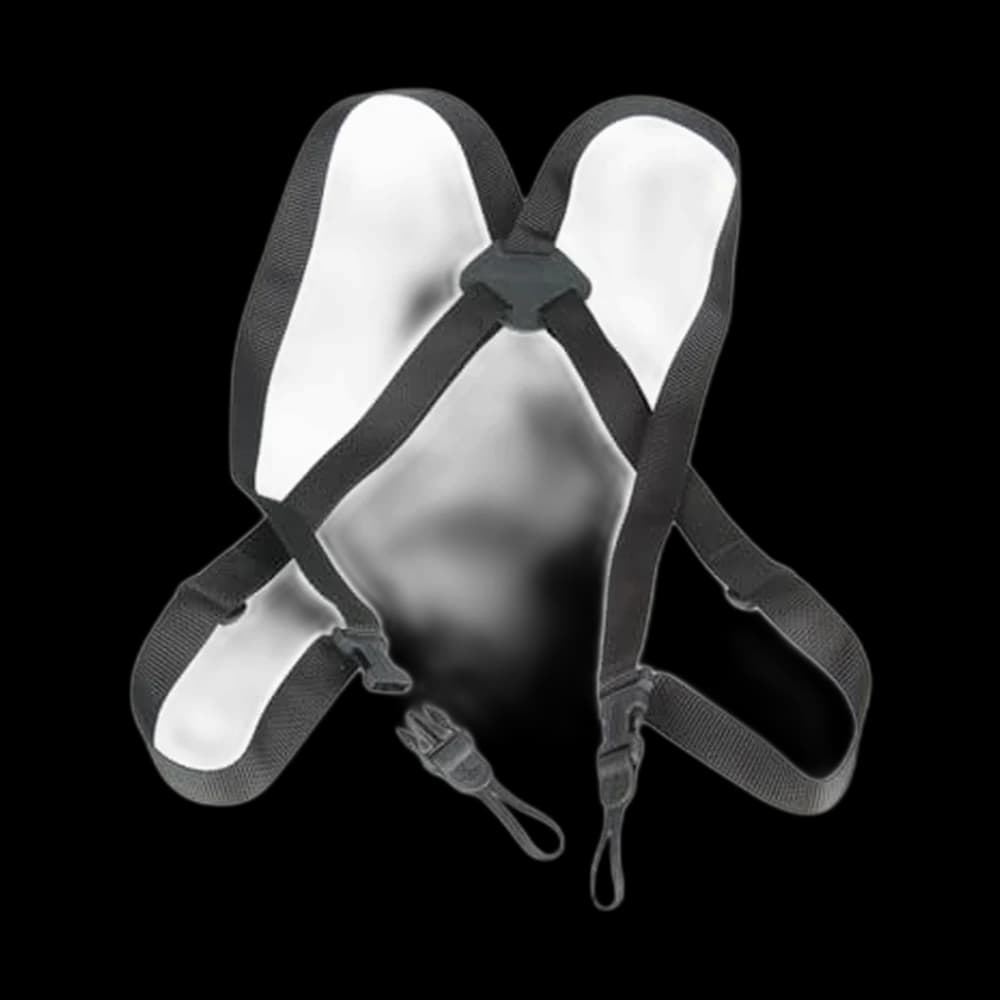 OP/TECH USA Bino/Cam Harness with Quick Release OP/TECH USA Bino/Cam Harness with Quick Release | Elastic straps that soak up bounce. | ★ 4.3 Amazon | $15.99 | Buy on Amazon |
Losing the bird is almost never your eyesight or your binoculars — it's a setup problem, and it takes about 60 seconds to fix. Most new binoculars arrive with the hinge wrong for your face, the diopter untouched, and the eyecups in the wrong position, so you're fighting the optics before you lift them. Here are the eight fixes, in the order that matters.
Fix 1: Find the bird with your eyes, then raise the binoculars
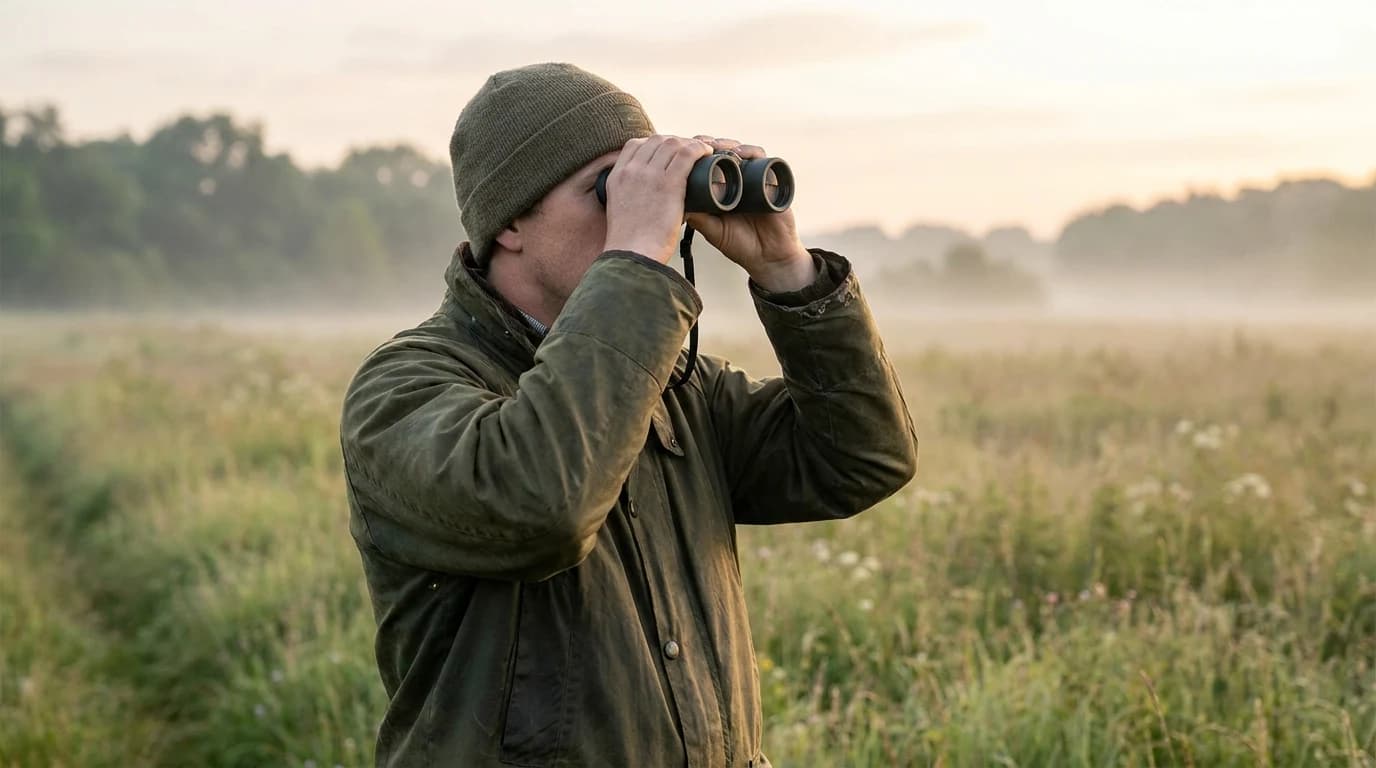
This is the single biggest beginner mistake. Never look down at your binoculars while you bring them up — the moment your eyes leave the bird, you've lost your reference point.
- Spot the movement with your naked eyes first — you have a huge field of viewHow wide a scene you see through the glass, usually given as feet at 1,000 yards — wider makes finding flitting birds easier.; your binoculars don't.
- Lock your gaze on the bird, then bring the binoculars straight up along your line of sight, without moving your head.
- If you miss, drop them, re-find the bird with your eyes, and repeat. Don't pan around blindly.
The Cornell Lab teaches exactly this: find the bird with the naked eye, then "don't take your eyes off it."
Fix 2: Set the hinge so you see ONE circle, not two
If you see two overlapping circles or dark crescents at the edges, your interpupillary distance is wrong. Hold the binoculars to your eyes and bend the central hinge until the two images merge into a single, clean, round circle with no black shadows. That's it.
Pro tip: note the number on the hinge scale once you find your setting. If someone borrows your binoculars, you can reset yourself in two seconds instead of fumbling in the field.
Fix 3: Set the diopter — the step nearly everyone skips
One eye out of focus reads as "bad glass"
Your two eyes aren't identical, and the diopter ring (usually under the right eyepiece, sometimes on the hinge, marked roughly +2 to −2) compensates. Ignore it and one eye stays slightly out of focus — which reads as eyestrain and "my binoculars just aren't sharp."
Do this once, standing still, on a fixed object at middle distance:
- Cover the RIGHT objective lens with your hand or a lens cap, both eyes open.
- Turn only the center focus wheel until it's razor sharp for your left eye.
- Switch the cover to the LEFT lens.
- Turn only the diopter ring — never the center wheel — until it's sharp for your right eye.
- Uncover both. Everything should snap into place.
You only set this once. Note where the diopter sits so you can spot it if it drifts.
Fix 4: Eyecups up or down — this one's about glasses
| Symptom | Likely cause | Fix |
|---|---|---|
| Two circles, or dark crescents | Hinge width wrong | Bend the central hinge to one circle |
| Sharp in one eye, soft in the other | Diopter never set | Run the 5-step diopter routine |
| Narrow "tunnel" view with glasses on | Eyecups extended | Twist eyecups fully down |
| Blackouts that come and go | Eyecups too low without glasses | Twist eyecups fully up |
| Image jitters and swims | No support | Elbows in, lean on something, exhale |
| Hazy, low-contrast image | Film on the lens coatings | Blow off grit, then damp-wipe |
Start with the eyecups, then check your fit
The rule is simple: glasses on → eyecups fully twisted down. Glasses off → eyecups fully extended. Eyeglass lenses already hold the binoculars away from your eyes, so extended cups push you past the eye reliefHow far your eye can sit from the eyepiece and still see the full image — 15mm+ matters if you wear glasses. and shrink your view. If yours have intermediate click stops, try them — face shapes differ. Use the glasses-fit checklist to check eye relief before buying.
Fix 5: One finger on the focus wheel, always
Focusing should be reflexive. Rest your index finger on the center wheel and leave it there so you can adjust without re-gripping, and learn which way is "closer" on your model.
Practice at home: find a house number, focus, drop, re-find, focus. Ten minutes of that beats a frustrating morning in the field.
Fix 6: Steady the image
Shake, not focus, is usually the culprit
At 8x, your heartbeat is magnified too. Shake is why distant birds look blurry even when your focus is perfect.
- Tuck your elbows into your ribs to build a tripod out of your torso.
- Lean on a tree, post, car roof, or railing whenever one is available, and sit or kneel for distant birds.
- Breathe out slowly and look during the pause at the end of the exhale.
- Choose 8x over 10x if you're shaky — the wider field also makes birds easier to find, which is why Audubon's guidance favors 7x or 8x.
Fix 7: A harness beats a neck strap for all-day carry
The load belongs on your shoulders
A neck strap hangs your binoculars off your cervical spine and lets them swing into every branch. A harness moves the load to your shoulders and pins the barrels to your chest.
- Less neck and upper-back fatigue on long walks — the most common complaint birders report about stock straps.
- No swinging when you bend over, scramble, or hike, and faster to your eyes because the barrels start closer to your face.
- Simple elastic harnesses like the OP/TECH Bino/Cam Harness cost very little; chest-pack styles add weather protection.
Fix 8: Clean without wrecking the coatings
Modern lens coatings are thin and scratch easily. The grit is what damages the glass — not the smudge.
Do this, in this order:
- Blow or brush the dust off first, with a clean, soft, oil-free lens brush. Follow your model’s care instructions for the remaining smudge.
- Then wipe with a drop of lens fluid on clean microfiber, in small circles from the center outward.
- Wipe the body dry after rain, and store somewhere dry, not a hot car.
Never do this:
- Dry-rub the lenses, or use a shirt tail, tissue, or paper towel.
- Reach for ammonia or glass cleaner — optics makers including Vortex warn these attack the coatings.
For the full care sequence and when to stop and seek service, read how to clean binocular lenses.
Do this before your next walk
Rule of thumb: bend the hinge to one circle, set the eyecups down for glasses or up without, run the two-lens diopter routine, then practice raise-and-point ten times. That's the difference between binoculars that fight you and binoculars that disappear in your hands.
Frequently asked
Why do I see two circles instead of one through my binoculars?+
The central hinge is set wider or narrower than the distance between your pupils. Hold the binoculars to your eyes and bend the barrels together or apart until the two images merge into one clean round circle with no dark crescents. Note the number on the hinge scale so you can reset it instantly.
What does the diopter on binoculars actually do?+
It focuses the right barrel independently so it can compensate for the difference between your two eyes. Without it set, one eye is always slightly out of focus, which causes eyestrain and a mushy-looking image. You set it once, then never touch it again — all field focusing happens on the center wheel.
Should I twist the eyecups up or down if I wear glasses?+
Fully down. Your eyeglass lenses already hold the binoculars away from your eyes, so extended eyecups push you past the eye relief and shrink the image to a tunnel. Birders without glasses should extend the eyecups fully, or use an intermediate click stop if their binoculars have one.
Is 8x or 10x better for a beginner?+
8x for most people. The wider field of view makes birds dramatically easier to find and follow, and the lower magnification hides hand shake. Audubon's guidance and the general birding consensus both favor 7x or 8x for this reason. Save 10x for open habitat like shorelines and hawk watches.
How do I stop my binoculars from shaking?+
Tuck your elbows against your ribs, lean on any solid object nearby, and look during the pause at the end of a slow exhale. Sitting or kneeling helps for distant birds. If shake is still a problem, an 8x binocular will look noticeably steadier than a 10x.
What is the safest way to clean binocular lenses?+
Blow or brush the loose grit off first with a blower bulb or soft lens brush, since dragging grit across the glass is what scratches coatings. Then apply a drop of proper lens fluid to a clean microfiber cloth and wipe in small circles from the center outward. Avoid tissues, shirt tails, ammonia, and household glass cleaner.
Sources & further reading
We research from primary and authoritative sources. Where our guidance rests on a fact, here's where it comes from.
- How can I adjust my binoculars so I don't see blacked-out areas? — All About Birds (Cornell Lab of Ornithology) — Cornell Lab's own setup walkthrough: extend eyecups without glasses and fully retract them with glasses, use the central hinge until you see a single circle, and set the diopter by covering one lens at a time.
- Binoculars for Kids — Cornell Lab of Ornithology K-12 — Source for the raise-and-point method: find the bird with the naked eye, 'don't take your eyes off it,' raise the binoculars along your line of sight, then adjust the center focus.
- How to Fit & Focus Your Binoculars — Mass Audubon — States that eyeglass wearers should use binoculars with the eyecups twisted down, describes merging the barrels into one circle of light, and confirms that only the center wheel should be used once the diopter is calibrated.
- The Audubon Guide to Binoculars — Audubon — Supports the 8x recommendation: most birders prefer 7- or 8-power binoculars because they are bright and have a wide field of view, making birds easier to find and follow.
- How To Clean Your Optics the Right Way — Vortex Optics — Manufacturer care guidance: blow loose debris off the glass before any contact, work from coarse soiling to fine detail, and use optics-grade cloths rather than a shirt tail.
Prices and BirdingScores reflect our most recent research and refresh on a cycle; confirm the live price before buying. We may earn a commission from affiliate retailers — it never changes our recommendations. See how we review.