
The Field Birder
Ears open, seasons mapped, the hard groups on the table.
Level 3 develops birding by ear, reading migration forecasts, and comparing tricky groups such as sparrows, warblers and shorebirds. Decide whether a spotting scope serves your local birding. A growing list is optional; stronger observations are the aim.
You're at this level if…
- You've hit the wall where everything new is hard
- You want to know the song before the singer
- Shorebirds all look the same and it bothers you
Your next field exercise
Separate a look-alike pair
Choose two similar species that occur locally. Write two distinguishing field marks before visiting a suitable public habitat. Record the marks you actually see; a distant silhouette may remain unknown.
Watch from a respectful distance. Stay on permitted routes and avoid disturbing nests or playing bird sounds to attract a response.
Notes stay in this page and clear when you leave or reload; print to keep them. Only completion is saved on this device. Notes and place names are not sent with analytics.
Skills to build
Each one has a two-minute check and something to actually go and do. No gear needed.
Birding by ear, for real
Learn 5 songs at a time, from your commonest birds outward. Verify with Merlin Sound ID, then wean off it. By 50 songs, spring woods stop being noise and become a roster.
Try it · 2 min
Best way to use Merlin Sound ID while you're learning songs?
Field assignment
Stand outside for five minutes. Name every song you hear before you open Merlin, then check yourself.
The by-ear methodHunt by forecast
Migration is weather. South winds in May load the trees overnight; BirdCast's migration forecasts tell you which mornings to call in late to work.
Try it · 2 min
It's May. BirdCast shows heavy migration overnight on southerly winds. When do you go?
Field assignment
Check tonight's BirdCast forecast for your county and decide, on the data, whether tomorrow is worth an early start.
Reading the forecastThe difficult groups, one per season
Sparrows in October, warblers in May, shorebirds in August, gulls in January. One focused season per group beats years of avoidance.
Try it · 2 min
How do people actually learn sparrows?
Field assignment
Name the difficult group you're taking on next, and the month you'll start. Write both down — vagueness is what kills this one.
Take field notes that matter
Size relative to a known bird, bill shape, behavior, voice — written before the guide is opened. This is the skill that separates listers from identifiers.
Try it · 2 min
You've found something unusual. What comes first?
Field assignment
Next unfamiliar bird: write size against a bird you know, bill shape, behaviour and voice — all before you open a guide or an app.
Worth knowing
Molt and age, the working version
You don't need banding-code fluency yet — you need 'is this a fall adult or a first-year bird?' That one question solves most fall-warbler despair.
Vagrancy and rarity psychology
A vagrant is a bird outside its usual range; a locally rare bird can also be within its normal range. Learn what is expected at your patch, rule out common lookalikes, and document an unusual sighting before deciding it is a rarity.
Counts and community
Christmas Bird Counts and spring censuses need Level 3 birders. It's the best mentorship structure the hobby has — and it's free.
Guides for this level
Hand-written, skimmable how-tos that go deeper on the skills above.
Watch & learn
Hand-picked tutorials for this level — play them right here.
Birding by Ear: A Beginner's Guide to Bird Songs and Calls
Your entry into birding by ear — identifying birds by sound, the field birder's superpower.
▶ Detroit Bird Alliance
The gear that matters here
This is the level where a spotting scope earns its price — but only if water, shorebirds, or hawk-watching are your thing. Upgrade binoculars only if your current pair actually limits you (fog, dim dawn light), not because a review told you to.
- Everything from Level 2—
Your 8x42 and your ears remain the core kit.
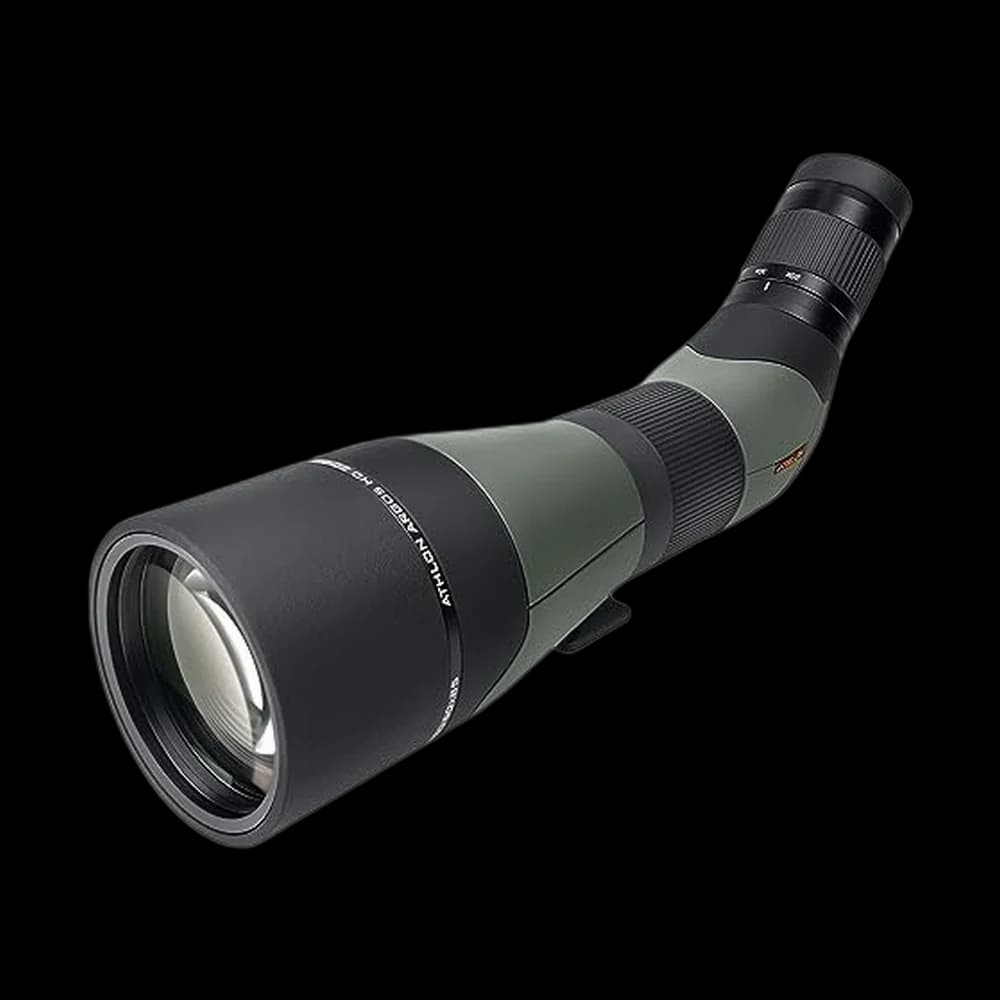
- Spotting scope + tripod (Celestron Ultima / Vortex Diamondback class)$350–700 all-in
For mudflats, lakes, and hawk ridges. Buy the tripod as seriously as the scope.
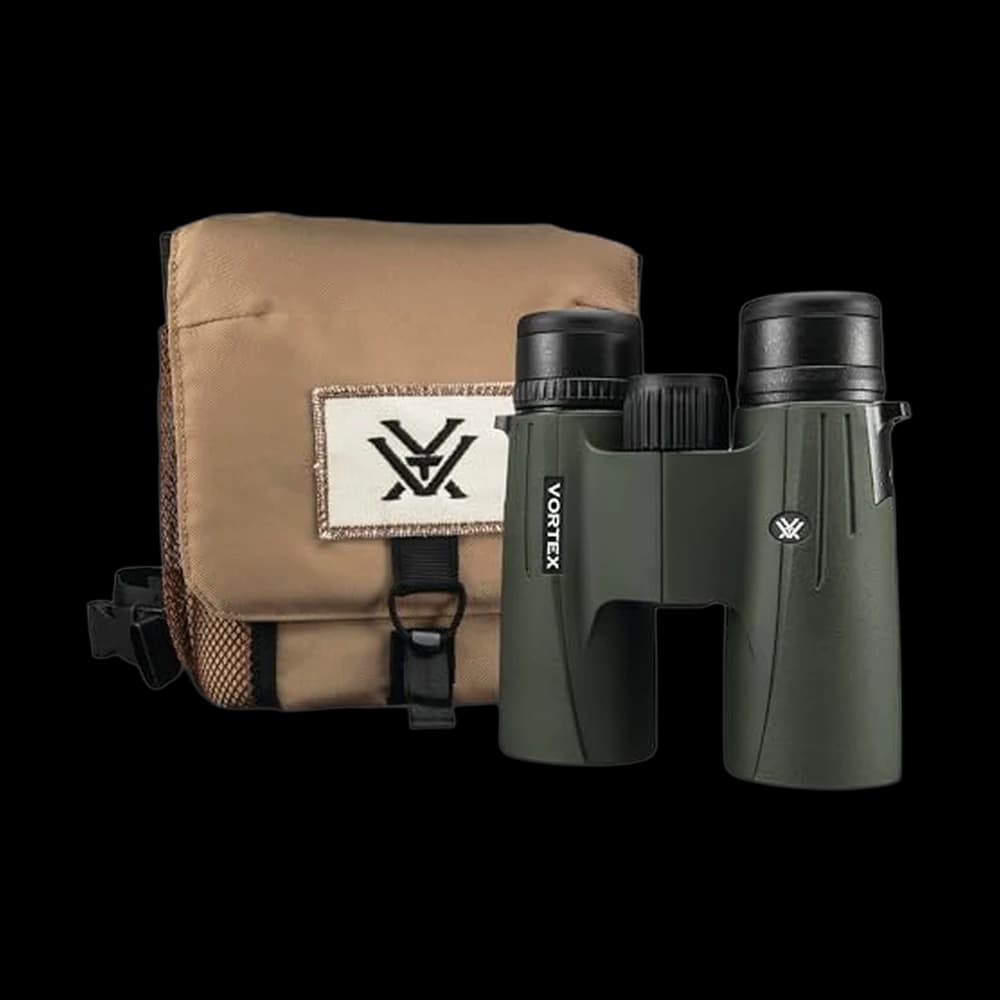
- Upgrade binoculars (ED glass)$400–1,000
Zeiss Conquest / Nikon Monarch HG class. The dawn-and-dusk difference is real; the noon difference isn't.
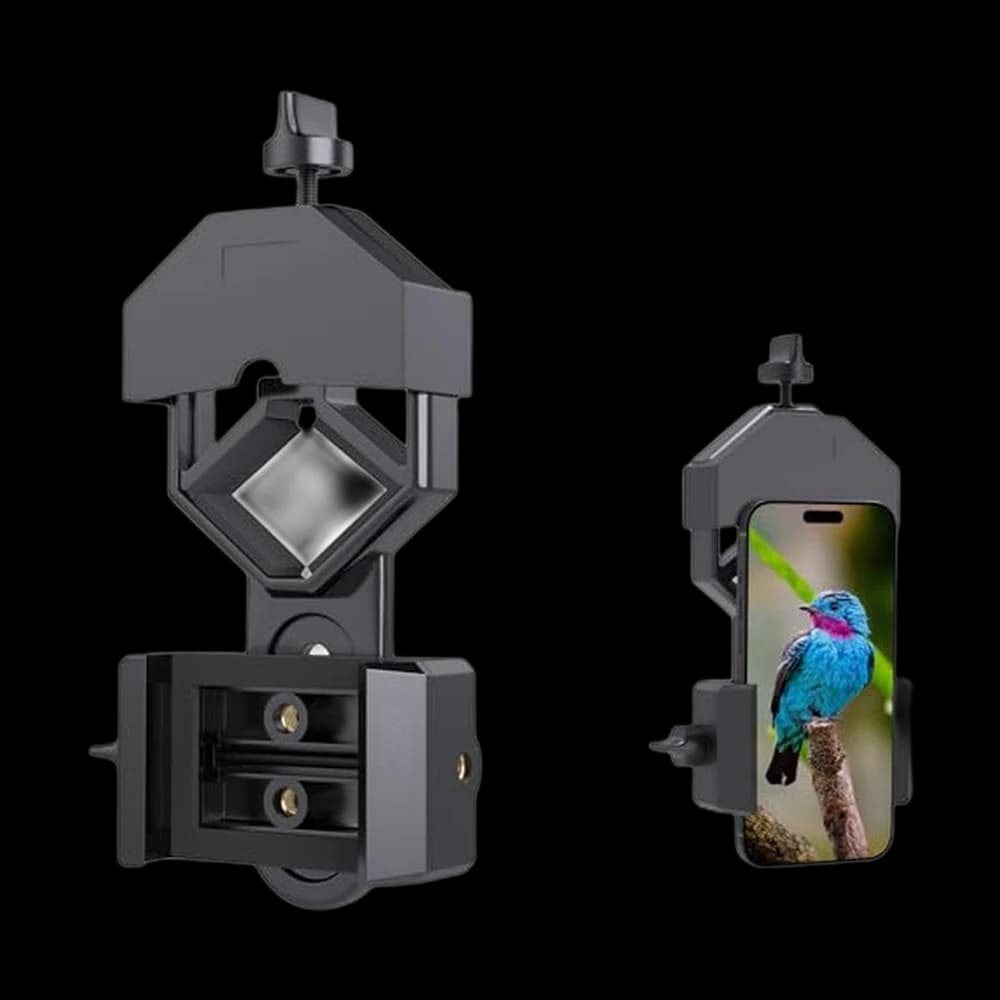
- Phone digiscoping adapter$25–70
Your scope + your phone = documentation shots for rare-bird reports. Not art — evidence.
See scored, real-price picks in the Gear section.