
Best Spotting Scopes for Birding
For mudflats, lakes, and hawk ridges — where a scope earns its price.
Content updated October 21, 2026
The 30-second answer
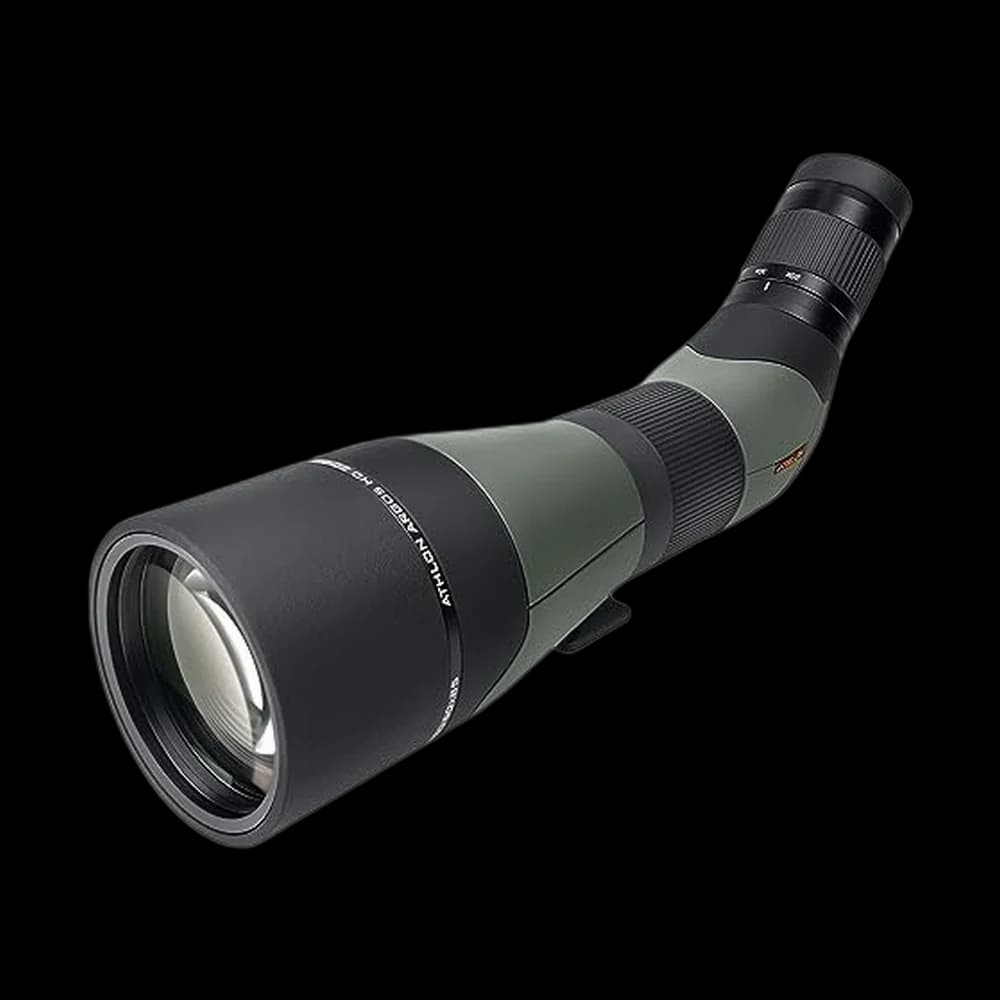
The Athlon Argos HD 20-60x85 punches far above its ~$250 price on glass and reach, making it the value pick; birders who want a bomber warranty near $500 should look at the Vortex Diamondback HD 20-60x85.
Top pickAthlon Argos HD 20-60x85
Value-seeking birders wanting near-premium HD glass and 20-60x85 reach for around $250.
Buy on Amazon$249.99
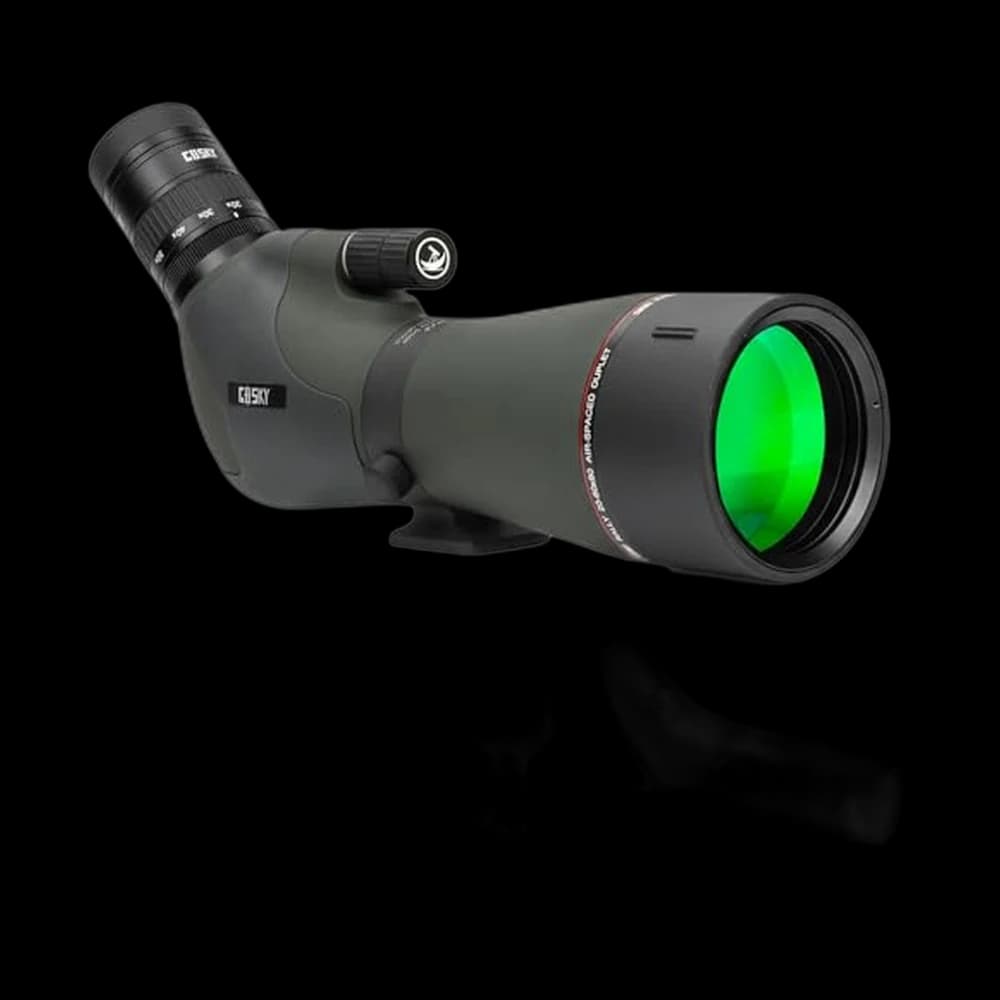
Great valueGosky 20-60x80
Beginners wanting an easy 20-60x80 scope that ships ready to digiscope with a phone adapter.
Buy on Amazon$359.99
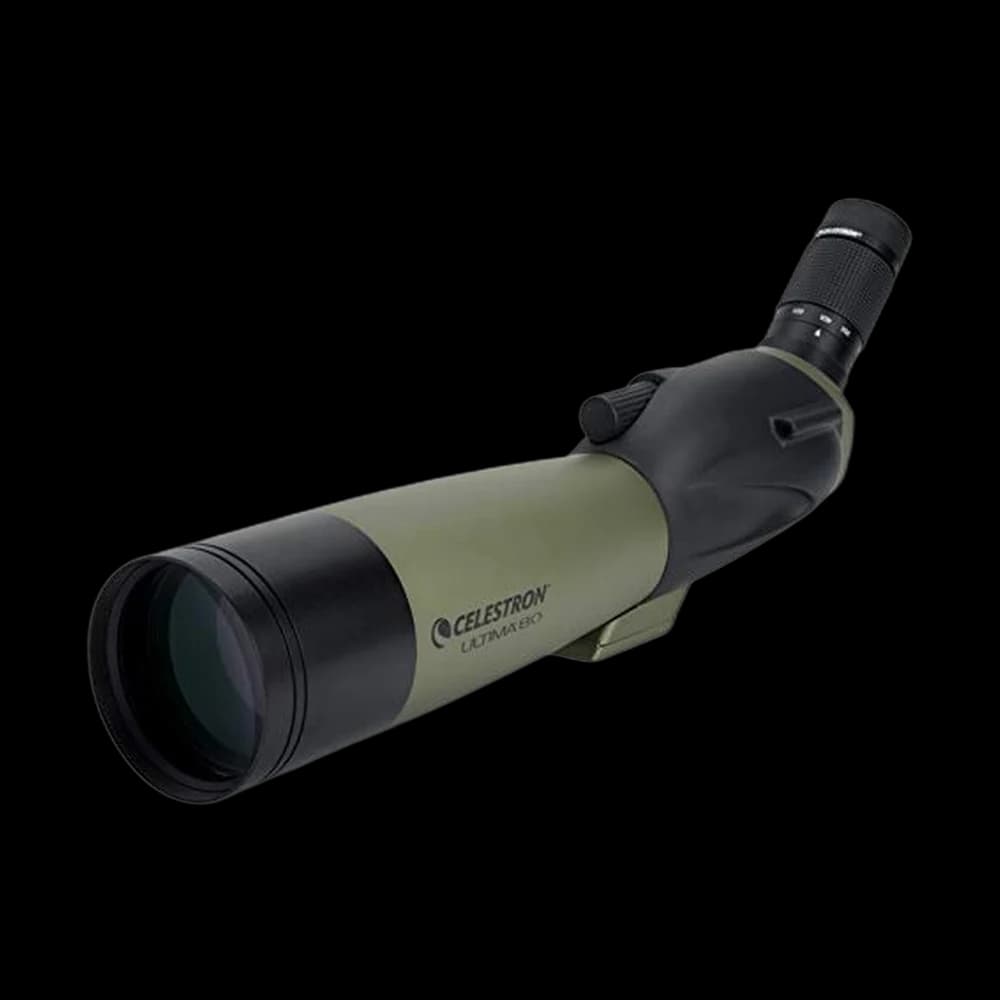
Cheapest alternativeCelestron Ultima 20-60x80
First-time scopers wanting a 20-60x80 kit with digiscoping T-adapter and lifetime US warranty.
Buy on Amazon$269.95
Owner ratings come from Amazon; BirdingScore is our separate research score.
Compare two picks
Tap an unselected chip to compare it with your current right-hand pick — all 5 picks available.
BirdingScore
78/100
78/100
Skip it if
You hike far with your scope; at 4.25 lb it's the heaviest here and some flag focus feel.
You need sharp views at the top of the zoom; buyers flag image quality at high magnification.
Magnification
20–60×
20–60×
Objective lens
85 mm
80 mm
Body angle
45° angled
45° angled
Glass / coatings
HD, fully multi-coated
Multi-coated
Weight
4.25 lb
3.56 lb
Waterproof
Yes
Yes
Who it's for
Birders who've outgrown binoculars and now scan mudflats, lakes, and hawk ridges — the open, distant habitats where a scope's reach finally earns its price.
Who should skip
Skip a scope if most of your birding is woodland warblers and feeder watching, where a good 8x42 binocular is faster and far more practical to carry.
What matters when buying
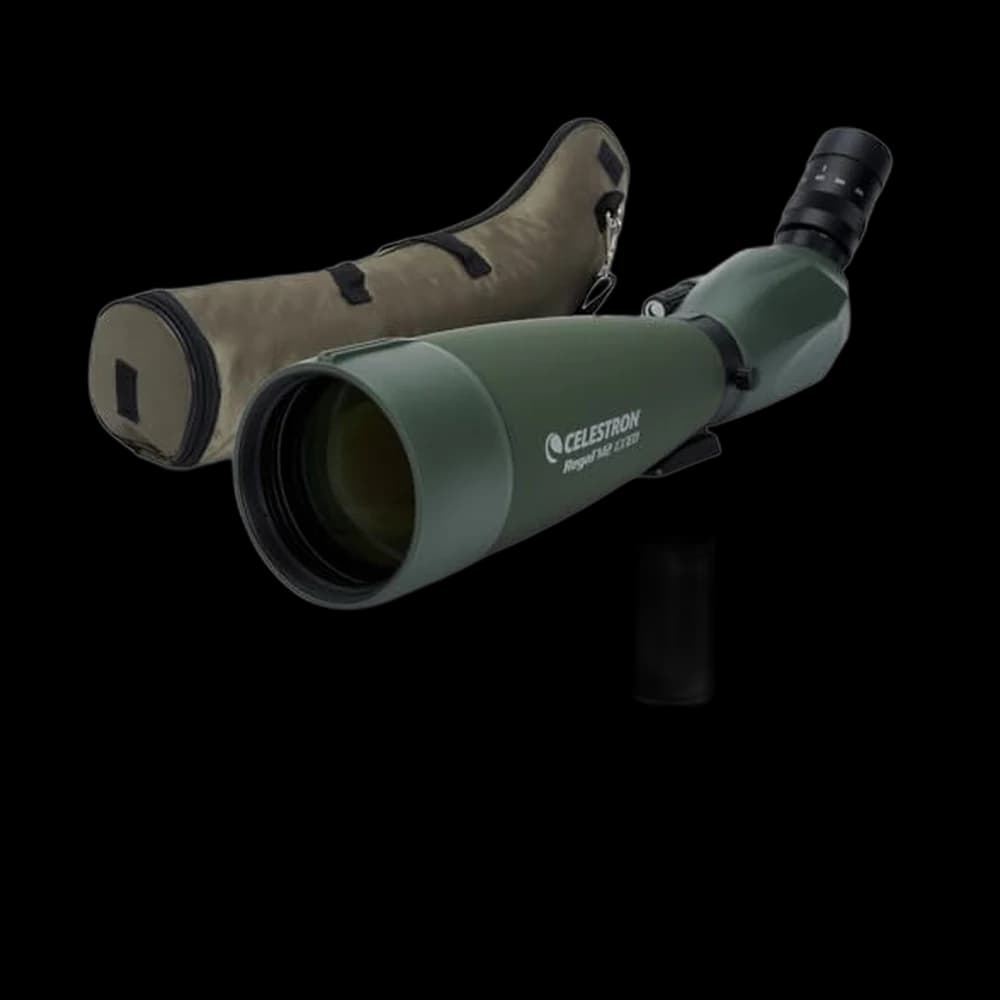
- Objective size (80-100mm) — a bigger objective gathers more light for dawn, dusk, and long-range detail, which is why the 100mm Celestron Regal reaches farthest in low light.
- Glass quality (HD/ED) — extra-low-dispersion glass cuts the color fringing that ruins a scope at high magnification.
- Weight and tripod dependence — an 85mm scope plus a sturdy tripod is a real load; plan to carry both, not just the scope.
- Digiscoping readiness — a phone adapter, like the ones bundled with the Gosky and Celestron Ultima, turns your scope into a long-range camera.
Common mistakes
- Buying a scope without a solid tripod — a wobbly mount wastes even the best glass, since you can't hold 60x steady by hand.
- Overspending on the scope and skimping on the tripod — the mount matters as much as the optics at high magnification.
- Assuming more magnification is always better — heat shimmer and shake make the top of a 20-60x zoom useless on many days.
How we chose: We ranked five picks by our BirdingScore, blending owner satisfaction with field value from published specs and thousands of owner reviews. We research rather than lab-test, and the ranking reflects glass quality, reach, and how well each scope holds up for real field birding.
The constraint-stacked answer
Carry weight decides this more than glass does, because the tripod travels with it. The Athlon Argos HD gives you the most 85 mm scope per dollar but is the heaviest here at 4.25 lb; the Vortex Diamondback HD saves nearly half a pound for roughly twice the price. The 100 mm Celestron Regal M2 reaches furthest in low light and weighs 5.0 lb — a fixed-position scope.
Every pick, reviewed
78Bird
Athlon Optics
Athlon Argos HD 20-60x85
Near-premium clarity at a mid price.
Skip it if: You hike far with your scope; at 4.25 lb it's the heaviest here and some flag focus feel.
4.3 Amazon(276)$249.99
78Bird
Celestron
Celestron Ultima 20-60x80
The value entry to serious scoping.
Skip it if: You need sharp views at the top of the zoom; buyers flag image quality at high magnification.
4.4 Amazon(1,347)$269.95
76Bird
Vortex
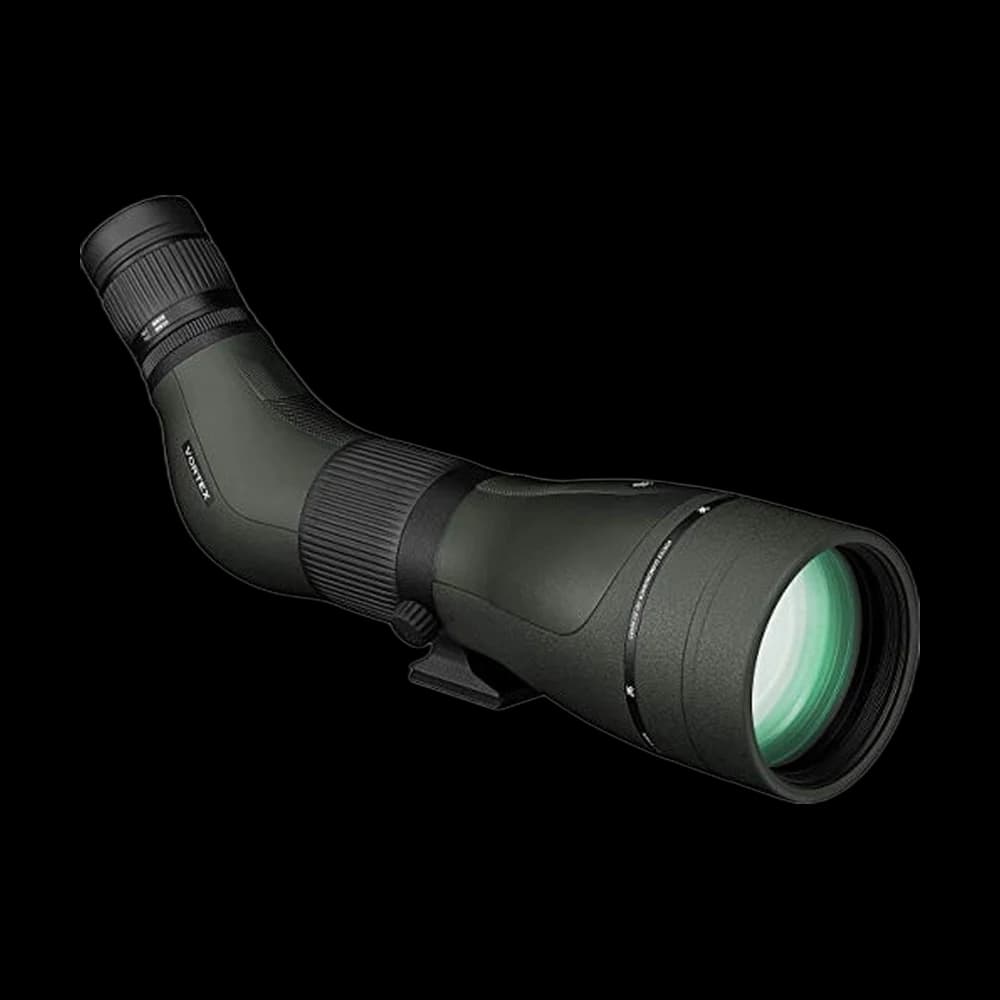
Vortex Diamondback HD 20-60x85
HD glass with the no-questions warranty.
Skip it if: You demand flawless edge clarity; some buyers note image quality and focus fall short of premium scopes.
4.6 Amazon(462)$499.00
75Bird
Gosky
Gosky 20-60x80
Big 80mm scope that ships with a digiscoping mount.
Skip it if: You want top image quality; buyers report the glass and focusing lag behind pricier HD scopes.
4.3 Amazon(220)$359.99
69Bird
Celestron
Celestron Regal M2 100ED
Big-glass reach for dedicated hawk-watchers.
Skip it if: You want light, packable glass or a tight budget; it's 5 lb, $950, and buyers question sturdiness.
4.3 Amazon(174)$913.29
From the birding community
What birders actually say about spotting scopes
Recurring themes we found across 84 public discussion threads in r/birding, read in July 2026. We summarise what comes up repeatedly and link the threads — we never quote or identify anyone, and these forums don't give us vote counts, so treat this as the shape of the conversation rather than a measured majority.
Comes up again and again
The tripod under it matters as much as the scope on top
A theme that dominates these threads: a good scope on a wobbly tripod is unusable at high magnification, and a fluid video head with proper drag is repeatedly called the difference between frustration and enjoyment.
The recurring complaint
Very cheap scopes disappoint in a specific, predictable way
Owners describe budget scopes as acceptable at the low end of the zoom and unpleasant as you wind up the magnification, with image quality falling apart well before the advertised maximum.
Comes up again and again
The zoom's top end is mostly theoretical
With a 20-60x, birders report living in the low twenties to thirties, because heat shimmer, hand shake and dimming make the highest settings unusable in most real conditions.
The dissenting view
Plenty of birders decide they do not need one
A scope is described as genuinely transformative for shorebirds, ducks and distant raptors, and as an expensive object that stays in the cupboard if you mostly bird woodland and gardens. Habitat, not skill level, is the deciding factor.
Guides for buying Spotting Scopes
Frequently asked
Do I actually need a spotting scope?+
Habitat decides it. A scope is described as transformative for shorebirds, ducks and distant raptors, and as an expensive object that stays in the cupboard if you mostly bird woodland and gardens.
Which spotting scope should I buy first?+
The Athlon Argos HD 20-60x85 is our top-scored pick for value, with the Vortex Diamondback HD alongside it for the no-questions warranty. Budget for the tripod in the same breath — a good scope on a wobbly one is unusable at high magnification.
Will I really use 60x?+
Mostly no. With a 20-60x, birders report living in the low twenties to thirties, because heat shimmer, shake and dimming make the top of the zoom range unusable in most real conditions.
Sources & research (3)Show
- How to Choose a Spotting Scope | Cornell Lab of Ornithology (All About Birds) — Backs the magnification range (birding scopes run ~15x–60x, with 20x–30x best for scanning), the 85mm objective recommendation for digiscoping, the angled-eyepiece case, and 'buy a good tripod — even the best scope fails on a flimsy one.'
- How to Choose Your Spotting Scope | Audubon — Supports the 20–60x zoom-eyepiece guidance, the 50–80mm objective range on popular birding scopes, and the point that a tripod is a required line item in the budget.
- Basics of Digiscoping | Cornell Lab of Ornithology (All About Birds) — Supports the digiscoping section: shooting through the scope with a phone, adapters to hold the phone at the eyepiece, using it to back up a rare-bird report, and the need for a steady tripod.
Keep narrowing the choice
Prices and ratings shown are the most recent values we pulled from affiliate retailers and refresh on a recurring cycle; confirm the live price before buying. See how we score.