
Do You Need a Spotting Scope? When It's a Waste of Money
You don't need a spotting scope to start birding — get binoculars first. When a scope is worth it, when it's wasted money, and what to buy instead.
The short answer
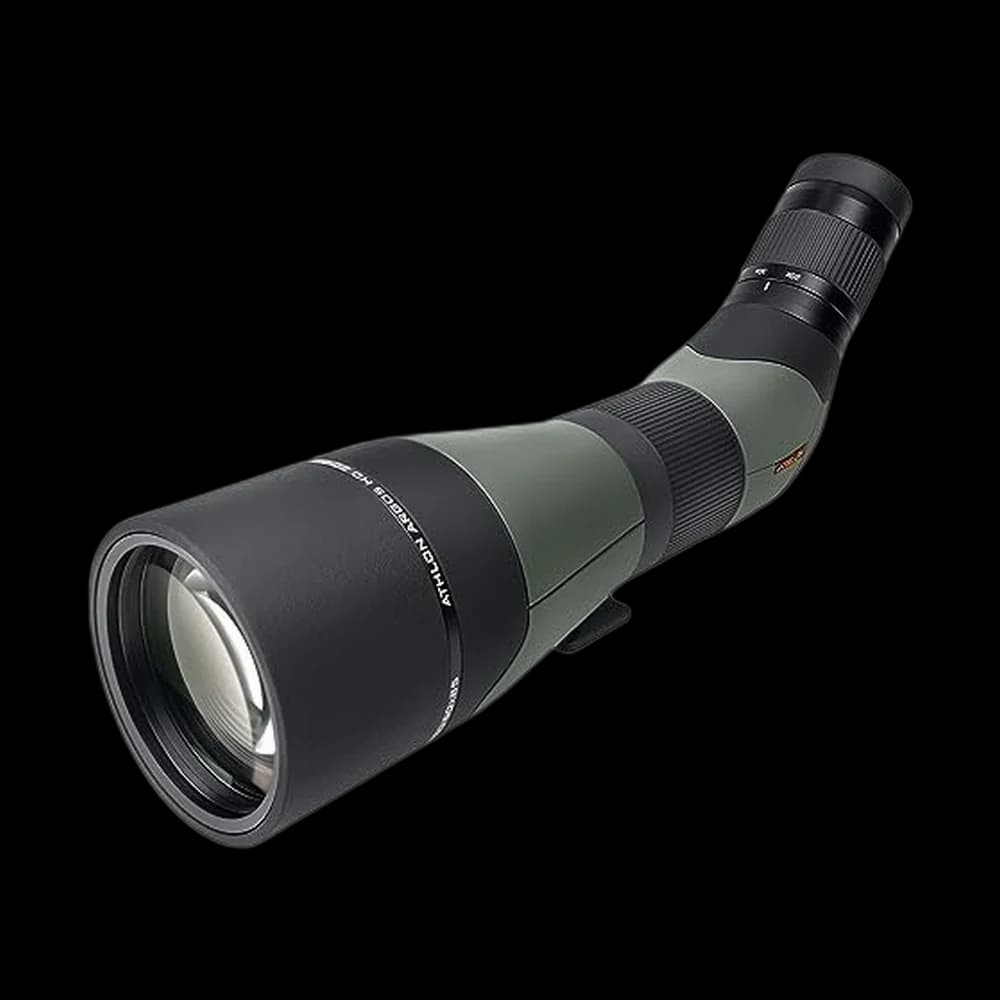
- Value-seeking birders wanting near-premium HD glass and 20-60x85 reach for around $250.
- You hike far with your scope; at 4.25 lb it's the heaviest here and some flag focus feel.
Key takeaways
- You don't need a scope to begin. Binoculars come first — a scope is a second, specialized tool, not a starter kit.
- A scope buys reach: 20-60x magnification versus a binocular's 8-10x, closing distance on birds you otherwise can't ID.
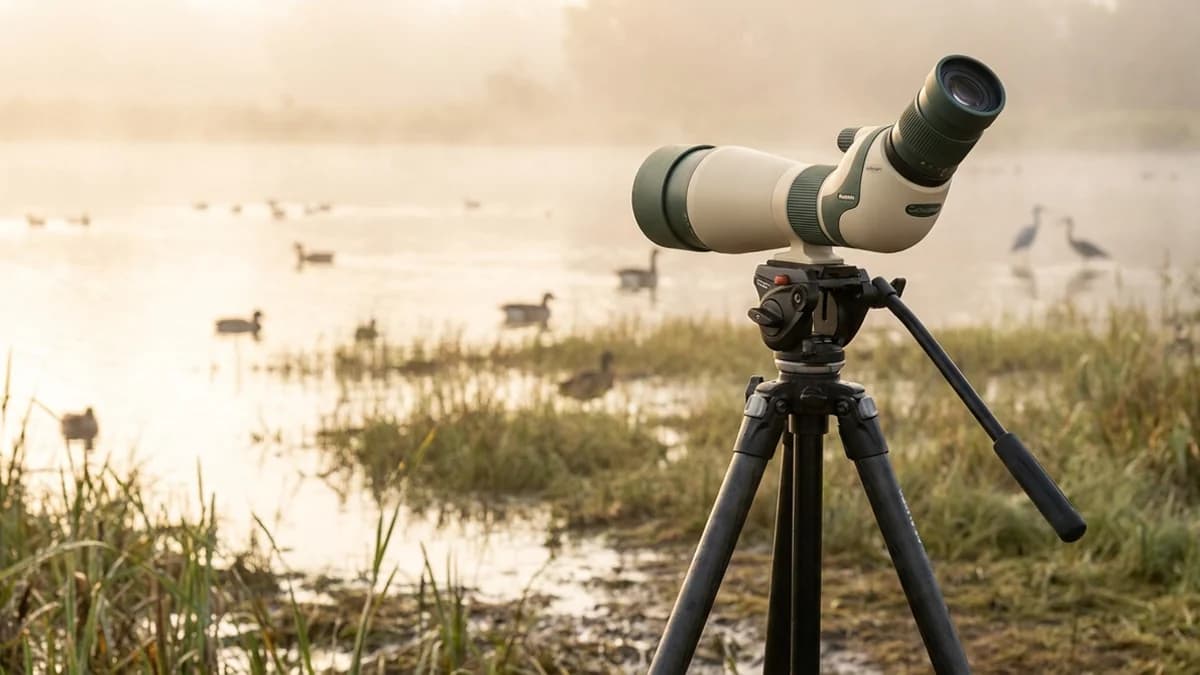
- A scope needs a tripod. At that power you cannot hand-hold it — budget for a stable tripod as part of the purchase.
- It shines for shorebirds, waterfowl, and raptors — open habitats where birds sit far out of binocular range.
Pick by your situation
| If your situation is… | Pick | Why |
|---|---|---|
| You're brand new to birding | Skip the scope, buy binoculars | You'll use binoculars every outing; a scope is a later, specialized tool. |
| You mostly bird woods, brush, and backyards | No scope needed | Birds are close enough that binoculars do the whole job. |
| You regularly watch shorebirds, waterfowl, or hawks | Add a 20-60x spotting scope | Open habitats keep birds far out, well beyond binocular reach. |
| You want to photograph distant birds cheaply | Scope plus phone adapter (digiscoping) | Shooting through the scope documents rarities without a big telephoto lens. |
| You're buying a scope | Also buy a sturdy tripod | At 20-60x the image is unusable without a stable, tall support. |
A shortcut by situation — start from the row that sounds like you.
Spotting Scopes: our picks
| Pick | Best for | Rating | Price | |
|---|---|---|---|---|
| TopAthlon Optics Argos HD 20-60x85 Spotting Scope - 45 Degree,… | Near-premium clarity at a mid price. | ★ 4.3 Amazon | $249.99 | Buy on Amazon |
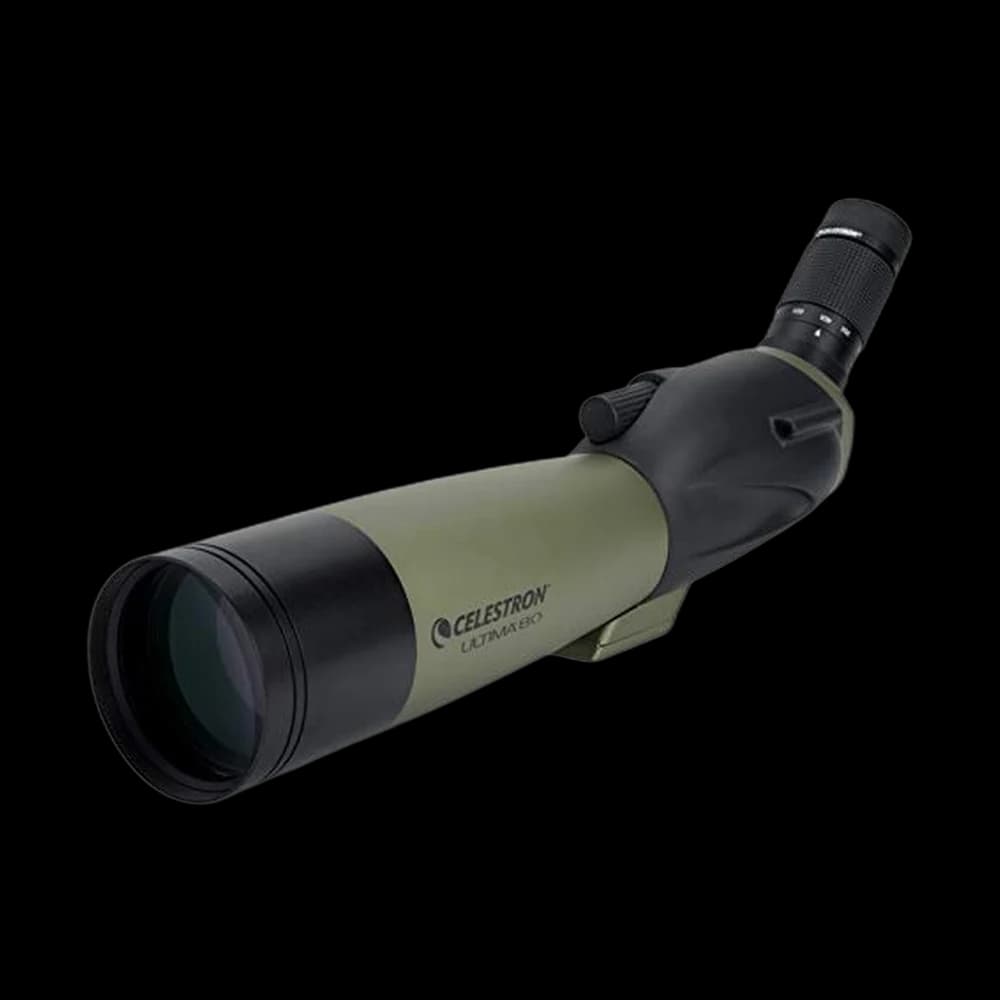 Celestron 52250 Ultima 20-60x80mm Angled Refractor Spotting Scope… Celestron 52250 Ultima 20-60x80mm Angled Refractor Spotting Scope… | The value entry to serious scoping. | ★ 4.4 Amazon | $269.95 | Buy on Amazon |
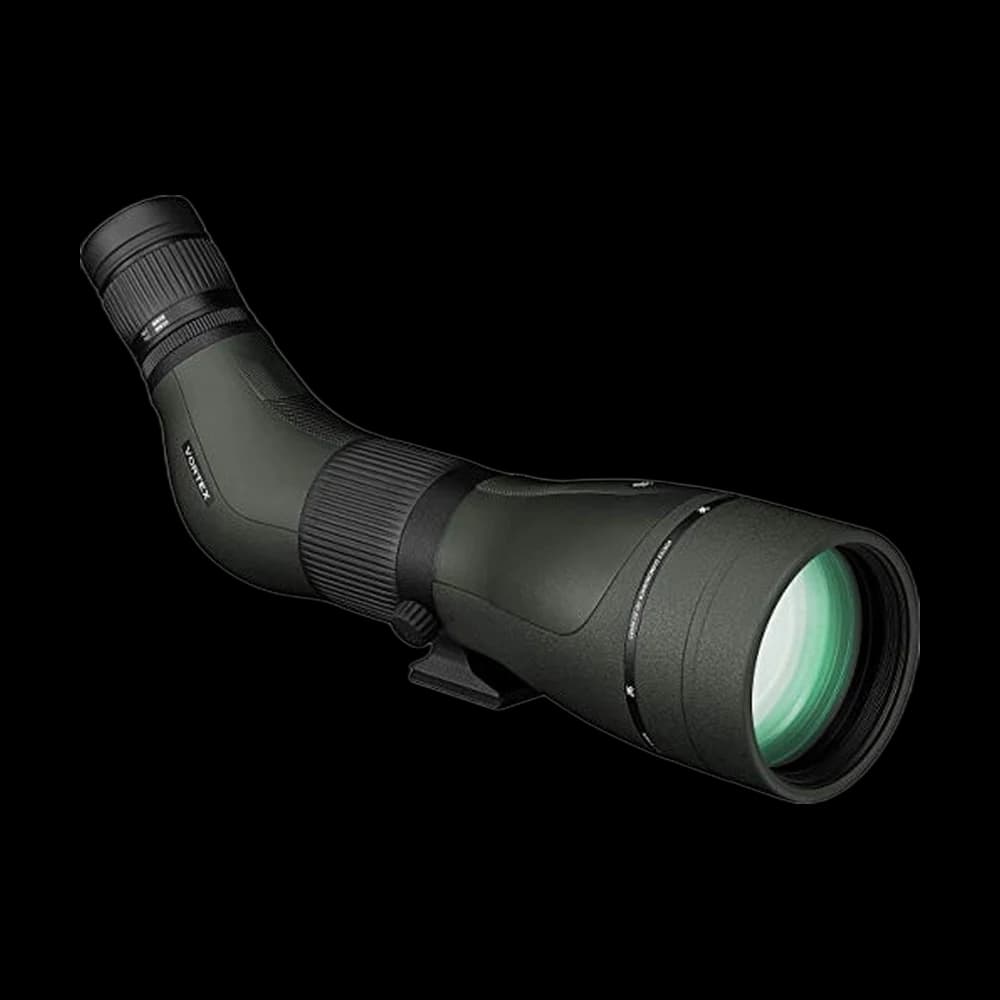 Vortex Diamondback HD Spotting Scope 20-60x85 Angled Vortex Diamondback HD Spotting Scope 20-60x85 Angled | HD glass with the no-questions warranty. | ★ 4.6 Amazon | $499.00 | Buy on Amazon |
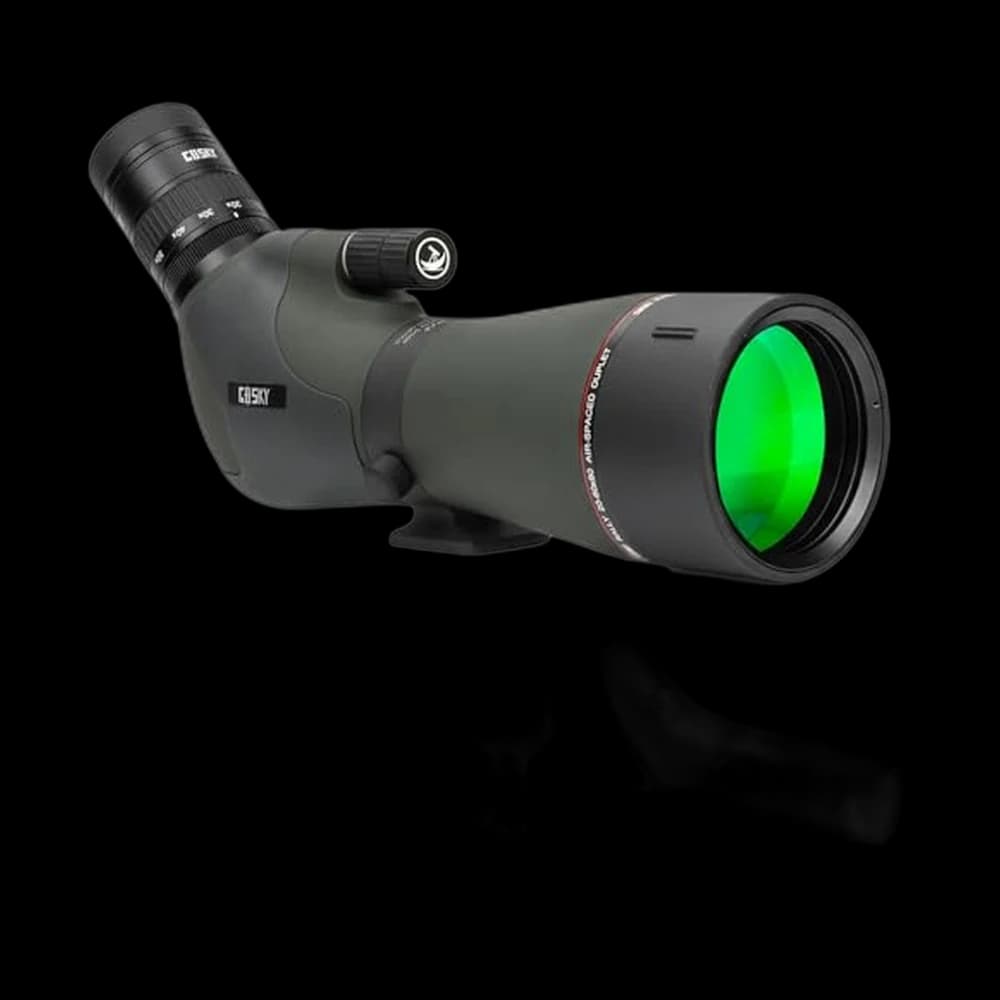 Gosky 20-60x80 Spotting Scope with Phone Adapter, Dual Focusing… Gosky 20-60x80 Spotting Scope with Phone Adapter, Dual Focusing… | Big 80mm scope that ships with a digiscoping mount. | ★ 4.3 Amazon | $359.99 | Buy on Amazon |
No — you don't need a spotting scope to start birding. Get binoculars first. A scope is a specialized second tool, and most new birders are better served putting their money into good binoculars they'll use every single outing.
Buy a scope later, once you're regularly frustrated by distance — squinting at a duck raft, a shorebird flock, or a hawk perched three fields away. That frustration is the real signal you're ready — and when the day comes, our spotting scope comparison ranks the picks.
What a spotting scope adds
A scope is essentially a small telescope built for terrestrial viewing. Where binoculars give you 8-10x, a scope gives you roughly 20-60x — a huge jump in reach.
- Massive magnification for birds far beyond binocular range.
- A bigger objective lens (often 80-85mm) for brighter, sharper distant views.
- A zoom eyepiece so you can frame wide, then push in for the ID.
- The ability to read fine field marks — leg color, bill shape, subtle plumage — at long distance.
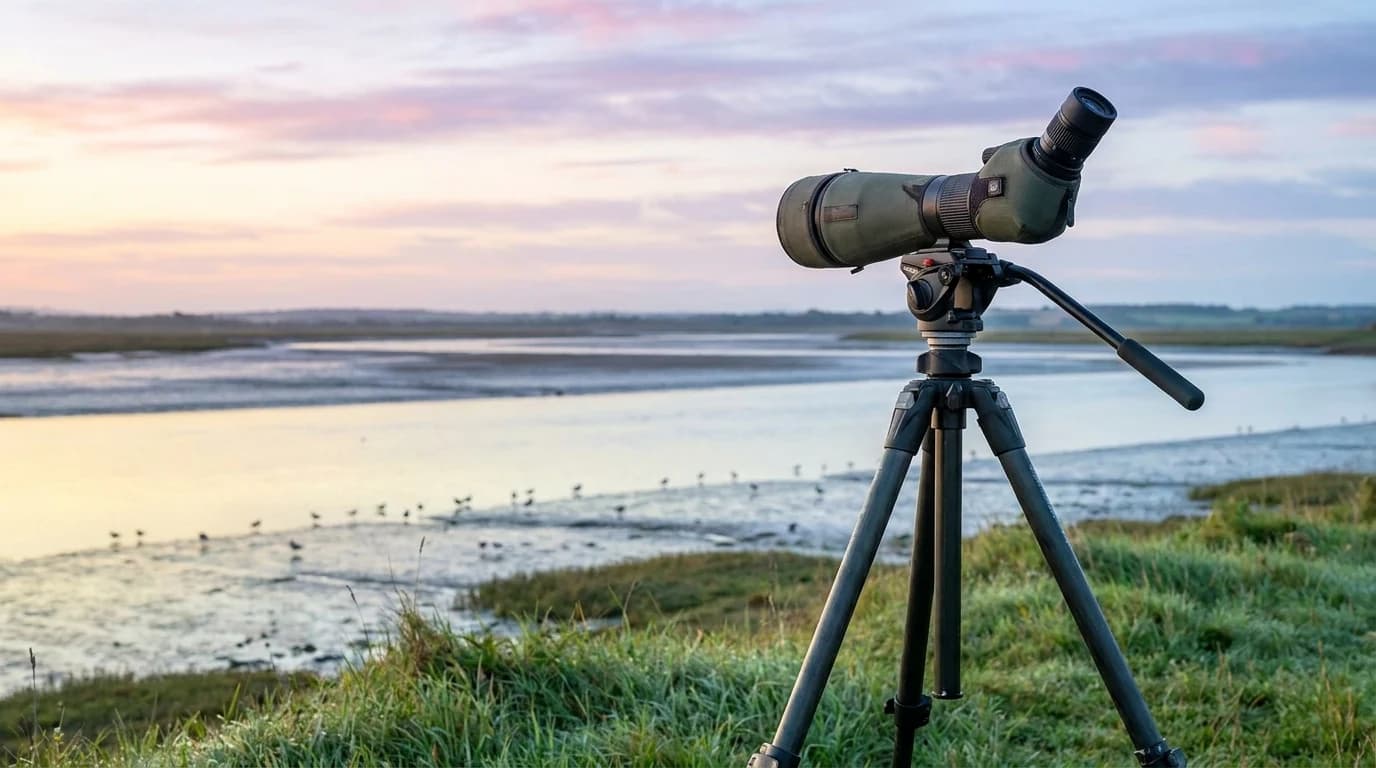
Binoculars vs spotting scope, side by side
| Factor | Binoculars | Spotting scope |
|---|---|---|
| Reach | 8-10x | 20-60x |
| Portability | Around your neck, always ready | Needs a tripod, stays put |
| Price | From ~$60 | From ~$230 |
| Best use | Everyday, woods, close birds | Shorebirds, water, raptors, far perches |
| Setup time | Instant | Mount and level first |
The tripod is not optional
Here's the part first-time buyers underestimate: at 20-60x you cannot hand-hold a scope. Even a heartbeat turns the image into jelly. A scope without a stable tripod is nearly useless.
Budget for the tripod up front. A wobbly bargain tripod ruins a good scope. A solid carbon or aluminum kit gives you the steady, tall platform that makes high magnification actually usable.
Angled bodies suit birding better than straight ones
Scopes come in two shapes. An angled scope tilts the eyepiece up around 45°, which makes it easier to share, more comfortable for sky and treetop birds, and lets you run the tripod lower and steadier. A straight scope has you looking in line with the barrel, which is slightly more intuitive to aim and better if you're glassing downhill from a car window. Most birders pick angled; straight suits digiscopingTaking photos by holding a phone or camera up to a spotting scope or binocular eyepiece.-from-a-vehicle and downward viewing.
Yes, you can digiscope with a phone
Digiscoping means shooting through the scope with a phone or camera, and it's one of the best reasons to own one. A phone adapter clamps your phone to the eyepiece for surprisingly good photos of distant birds, which makes it ideal for documenting a rarity or confirming a tricky ID after the fact. A steady tripod plus decent light equals shareable shots — no giant telephoto lens needed.
So, should you buy one?
Skip the scope if you mostly bird:
- Woods and backyards, where the birds are already close.
- On foot and light, with no appetite for carrying a tripod.
- In short outings where setup time would eat the session.
Buy one when you find yourself drawn to:
- Lakes, coasts and mudflats, where the birds sit far out.
- Hawk-watches and other long-sightline birding.
- Any spot where you keep hitting the wall of distance.
At that point, a scope stops being a luxury and becomes the tool that finally lets you name the bird.
Frequently asked
Do beginners need a spotting scope?+
No. Beginners should buy binoculars first and use them for a while. A spotting scope is a specialized upgrade that makes sense once you're regularly birding open water, shorelines, or hawk-watches and keep getting frustrated by distance.
What magnification do I need for a birding spotting scope?+
Most birding scopes use a 20-60x zoom eyepiece, and that range covers nearly everything. You'll spend most of your time around 20-30x for a bright, steady, wide view, and zoom toward 60x only to nail a distant detail on calm, clear days.
Angled or straight spotting scope for birding?+
Angled is the usual pick for birding. It's more comfortable for looking up at treetops and sky, easier to share among people of different heights, and lets you keep the tripod lower and steadier. Choose straight mainly for digiscoping from a vehicle or viewing downhill.
Can you digiscope with a phone?+
Yes. With an inexpensive phone adapter that clamps to the eyepiece, you can shoot photos and video of distant birds through the scope. On a steady tripod and in good light, the results are easily good enough to document a sighting or confirm an ID.
Sources & further reading
We research from primary and authoritative sources. Where our guidance rests on a fact, here's where it comes from.
- How to Choose a Spotting Scope | Cornell Lab of Ornithology (All About Birds) — Backs the magnification range (birding scopes run ~15x–60x, with 20x–30x best for scanning), the 85mm objective recommendation for digiscoping, the angled-eyepiece case, and 'buy a good tripod — even the best scope fails on a flimsy one.'
- How to Choose Your Spotting Scope | Audubon — Supports the 20–60x zoom-eyepiece guidance, the 50–80mm objective range on popular birding scopes, and the point that a tripod is a required line item in the budget.
- Basics of Digiscoping | Cornell Lab of Ornithology (All About Birds) — Supports the digiscoping section: shooting through the scope with a phone, adapters to hold the phone at the eyepiece, using it to back up a rare-bird report, and the need for a steady tripod.
Prices and BirdingScores reflect our most recent research and refresh on a cycle; confirm the live price before buying. We may earn a commission from affiliate retailers — it never changes our recommendations. See how we review.