
The Backyard Host
Make your yard the best bird restaurant on the block.
Level 1 is about bringing birds to you: one good feeder, the right seed, water, and a fair fight against the squirrels. A well-run yard in the US or Canada can draw 25+ species over a year — no binoculars required, though a first pair starts to make sense here.
You're at this level if…
- You want more birds (and more kinds of birds) outside your window
- You're deciding between 400 nearly identical feeders
- A squirrel is currently winning
Your next field exercise
Who uses this patch?
Spend ten minutes watching a feeder, birdbath or public green space. Record what the birds use and what they ignore. No yard needed. Choose one practical change for your next visit, such as a quieter viewing position.
Watch from a respectful distance. Stay on permitted routes and avoid disturbing nests or playing bird sounds to attract a response.
Notes stay in this page and clear when you leave or reload; print to keep them. Only completion is saved on this device. Notes and place names are not sent with analytics.
Skills to build
Each one has a two-minute check and something to actually go and do. No gear needed.
Run one feeder well before adding five
A single tube feeder with black-oil sunflower, cleaned every couple of weeks, out-performs a neglected feeder array. Dirty feeders spread disease — cleaning IS the hobby at this level.
Try it · 2 min
One tube feeder is up and birds are coming. Best next move?
Field assignment
Pick your cleaning day — an actual date, not “soon” — and put it in your phone before you close this page.
How to clean it properlyMatch food to bird
Black-oil sunflower pulls the widest crowd. Nyjer brings finches, suet brings woodpeckers, nectar brings hummingbirds, and cheap 'wild bird mix' mostly brings regret.
Try it · 2 min
You want finches specifically. What goes in the feeder?
Field assignment
Name the one species you're actually hoping for, then check what you're offering. If the food doesn't match the bird, that's your next change.
Seed guideDefend, don't fight
You will not out-smart squirrels with anger. You out-engineer them: pole + baffle + 10 feet of horizontal clearance. Physics wins where fury fails.
Try it · 2 min
A squirrel keeps reaching the feeder. Which actually fixes it?
Field assignment
Measure from your feeder to the nearest jumping-off point — fence, branch, rail, sill. Under 10 feet? You've found your problem.
Squirrel-proofing guideAdd water
A clean, shallow bath can bring visitors that ignore seed, including some warblers and thrushes. Change the water every day or two, sooner when dirty, and watch which local birds use it.
Try it · 2 min
Which brings in species that never touch your seed?
Field assignment
Put out any shallow dish of water this week — a plant saucer works. Under 2 inches deep, with a stone in the middle for footing.
Bird bath guideWorth knowing
Where birds go in winter
Some leave, some arrive. In most of the US and Canada, winter feeding is peak feeder season — chickadees, juncos, and woodpeckers rely on reliable stations.
Window strikes and how to stop them
Make windows bird-visible from the outside with markings no more than 2 inches apart across the pane, or a suitable exterior screen. One isolated hawk sticker leaves apparent flight paths; feeder distance alone does not make glass safe.
Hummingbird season
Ruby-throated arrivals vary by latitude and year; western species follow different patterns. Mix 1 part white sugar with 4 parts water, skip dye, and replace nectar within two or three days and daily in very hot weather, following Cornell guidance.
Guides for this level
Start with these, in order. The rest are optional branches — take the ones that fit your yard and your interests.
How to Attract Birds to Your Yard: Fast Beginner Guide
4 min readBird Seed Guide: Sunflower vs Nyjer vs Suet, Compared
4 min readWhere to Place a Bird Feeder (The 3-and-30 Rule, Updated)
3 min readHow to Squirrel-Proof a Bird Feeder: The 5-7-9 Rule
4 min readThen explore — optional
Why Aren't Birds Coming to My Feeder? A Calm Checklist
4 min readHow to Attract Hummingbirds: Nectar Recipe + Feeder Tips
4 min readHow to Attract Cardinals: Feeders, Cover & Water
3 min readHow to Attract Goldfinches to Your Yard
4 min readHow to Attract Bluebirds: Mealworms + the Right Box
4 min readHow to Attract Woodpeckers to Your Yard
4 min readWhat Do Cardinals Eat? The Definitive Feeding Guide
4 min readBird Bath Tips: Attract More Birds With Water
4 min readHow to Clean a Bird Feeder (The Right Way)
3 min readWhen Do Hummingbirds Come Back? Region-by-Region
4 min readHeated Bird Baths: Do You Actually Need One?
4 min readBest Bird Feeders for Winter: Dry Seed, Big Capacity, No Squirrels
7 min readHow to Store Bird Seed: Keep It Dry and Pest-Free
4 min readBird Buddy vs Birdfy vs FeatherSnap: Features and Plan Costs
3 min readWatch & learn
Hand-picked tutorials for this level — play them right here.
Bird Feeding 101: The Ultimate Beginner's Guide to Backyard Bird Feeding
A complete walkthrough of feeder types, seeds, and placement to get birds visiting fast.
▶ Badgerland Birding
The gear that matters here
Buy once, buy boring: a proven tube feeder, a real baffle, plain black-oil sunflower. The 'smart feeder' with a camera is a genuinely delightful upgrade — treat it as the reward for keeping a basic station alive for a season.
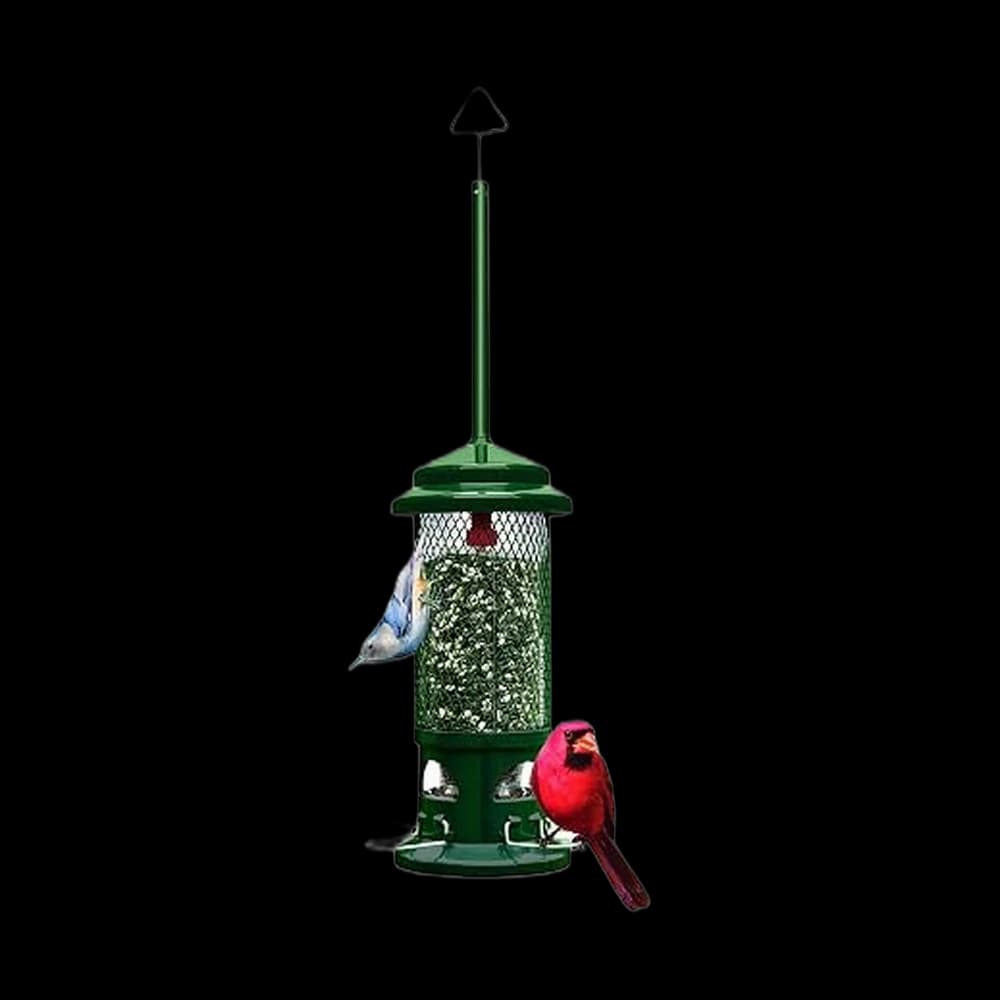
- Quality tube feeder (Droll Yankees or Aspects class)$25–50
Metal ports, easy to clean, decade lifespan. The workhorse.
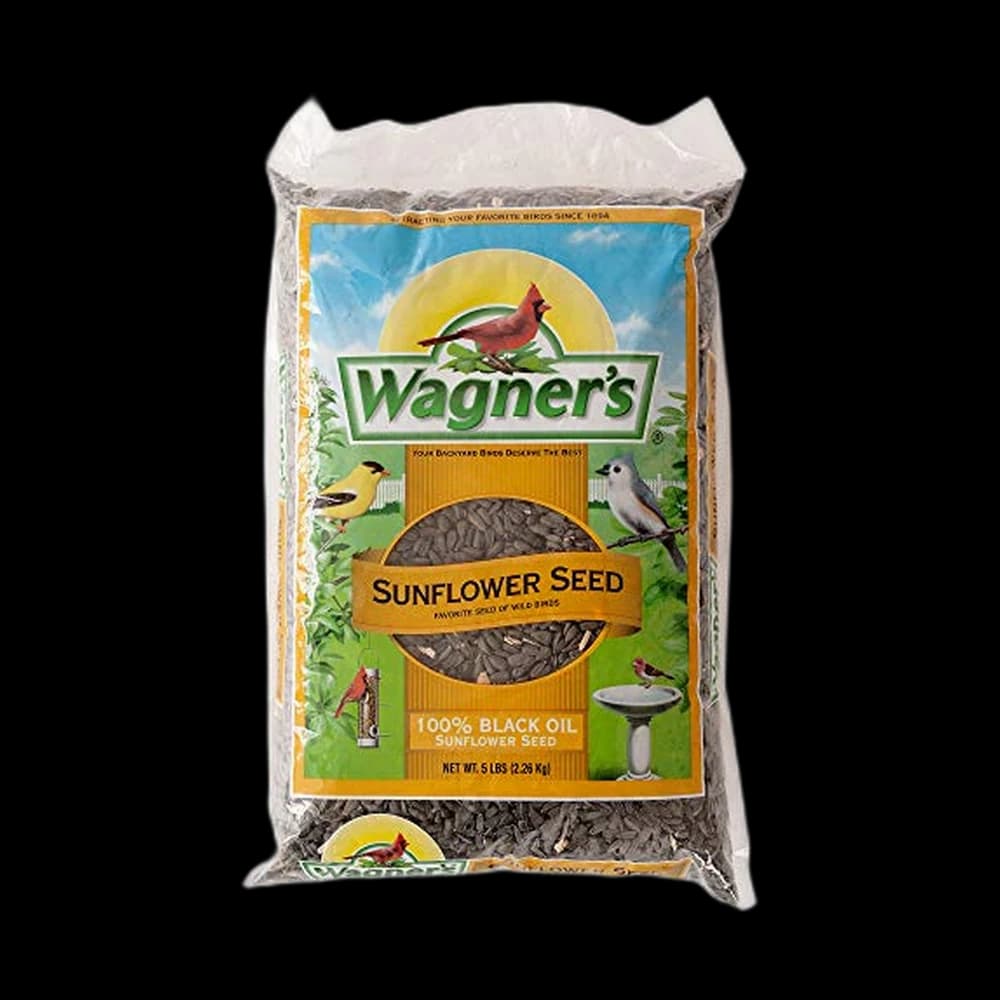
- Black-oil sunflower seed$15–30/bag
The universal draw. Skip the bargain mixed bags.
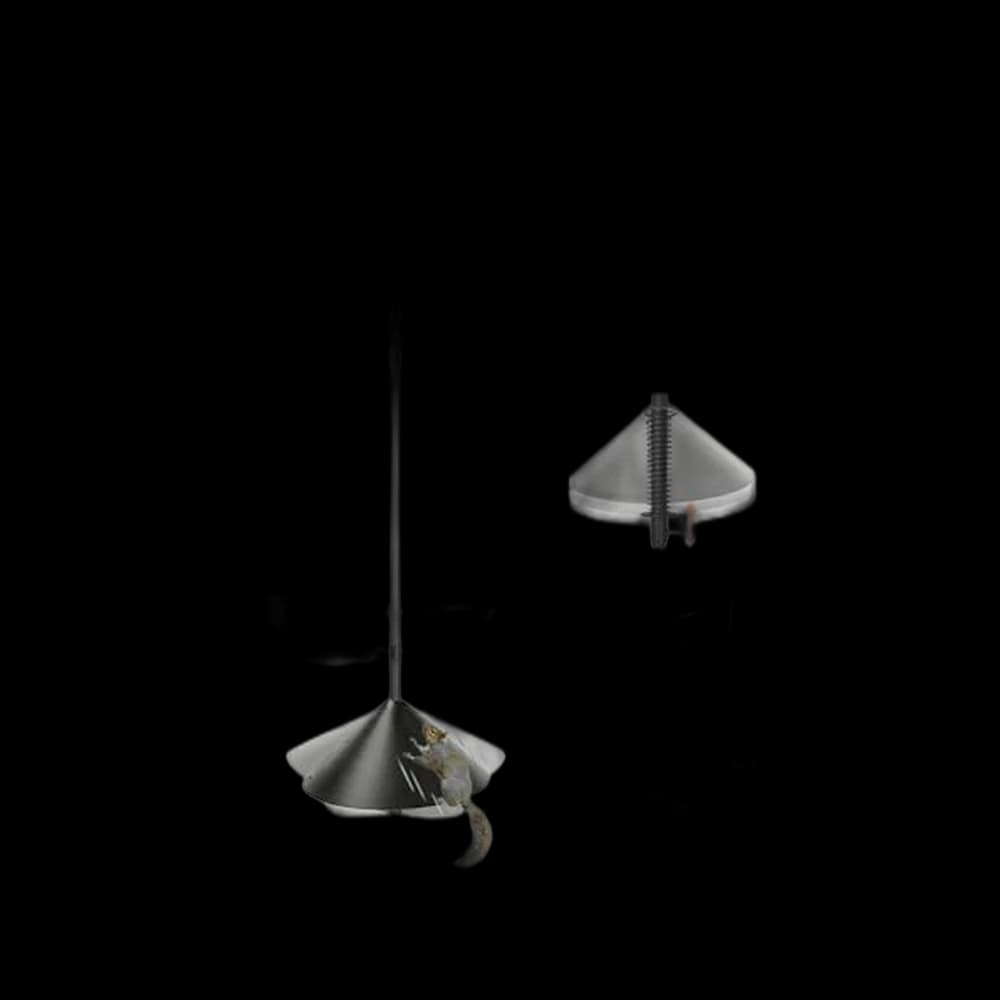
- Pole + squirrel baffle system$50–120
This is the purchase that makes every other purchase work.
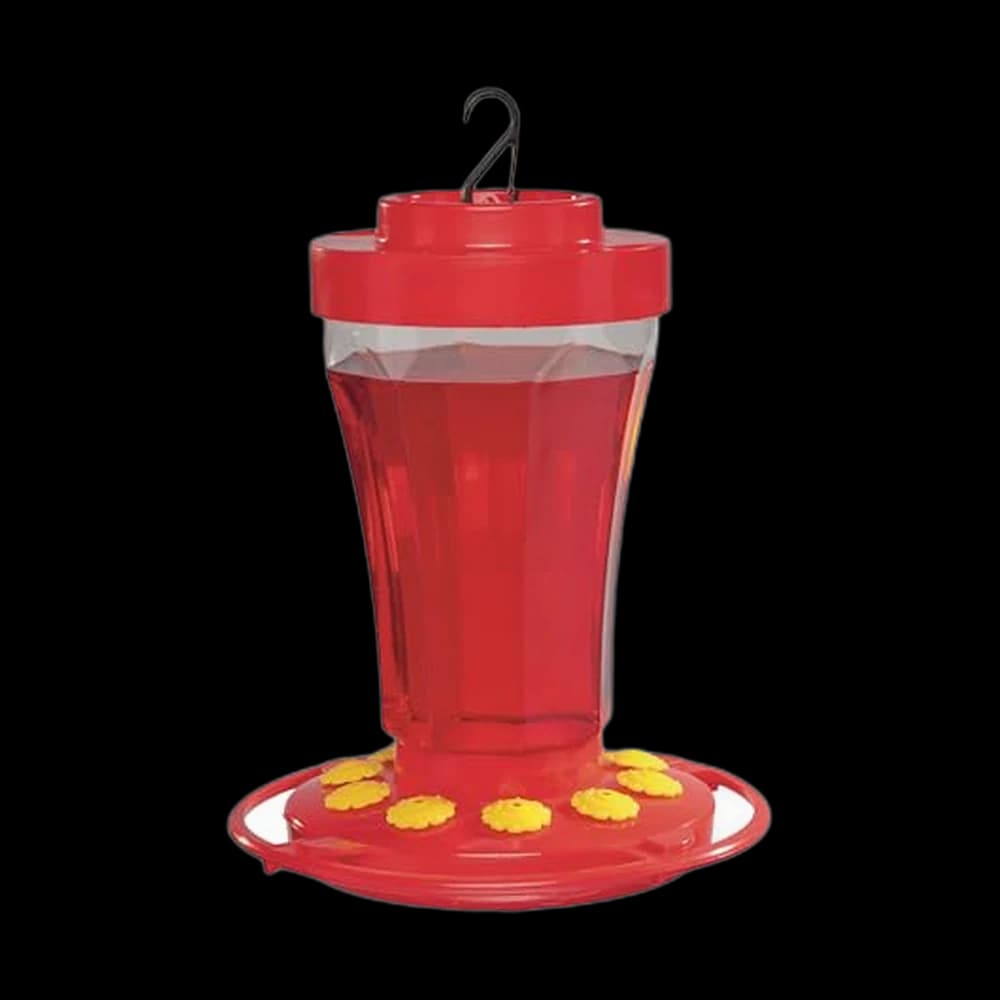
- Saucer-style hummingbird feeder$15–25
Easier to clean than bottle types — and cleaning is everything.
- Simple bird bath$30–60
Shallow (2 inches), rough-bottomed, near cover.

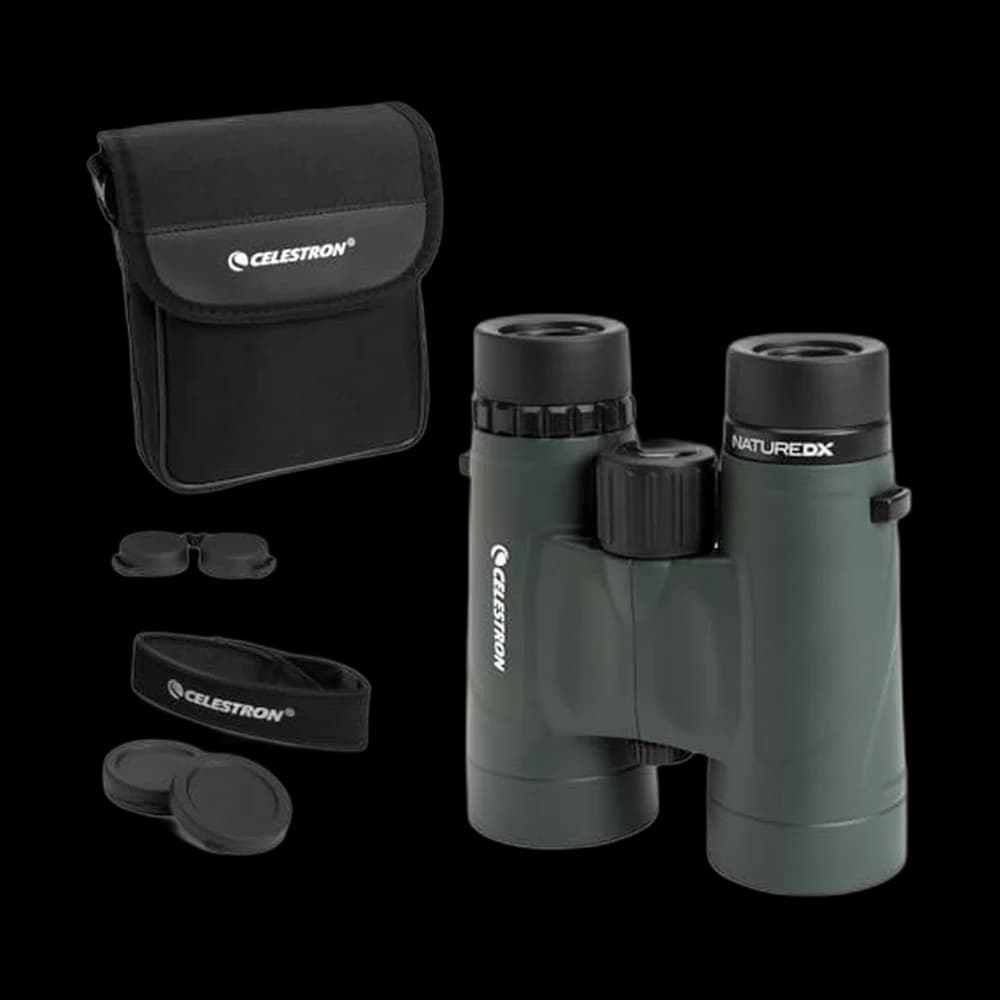
- First binoculars — 8x42$100–200
The window-to-yard distance is exactly what 8x42 was born for. See our Binocular Finder before buying.
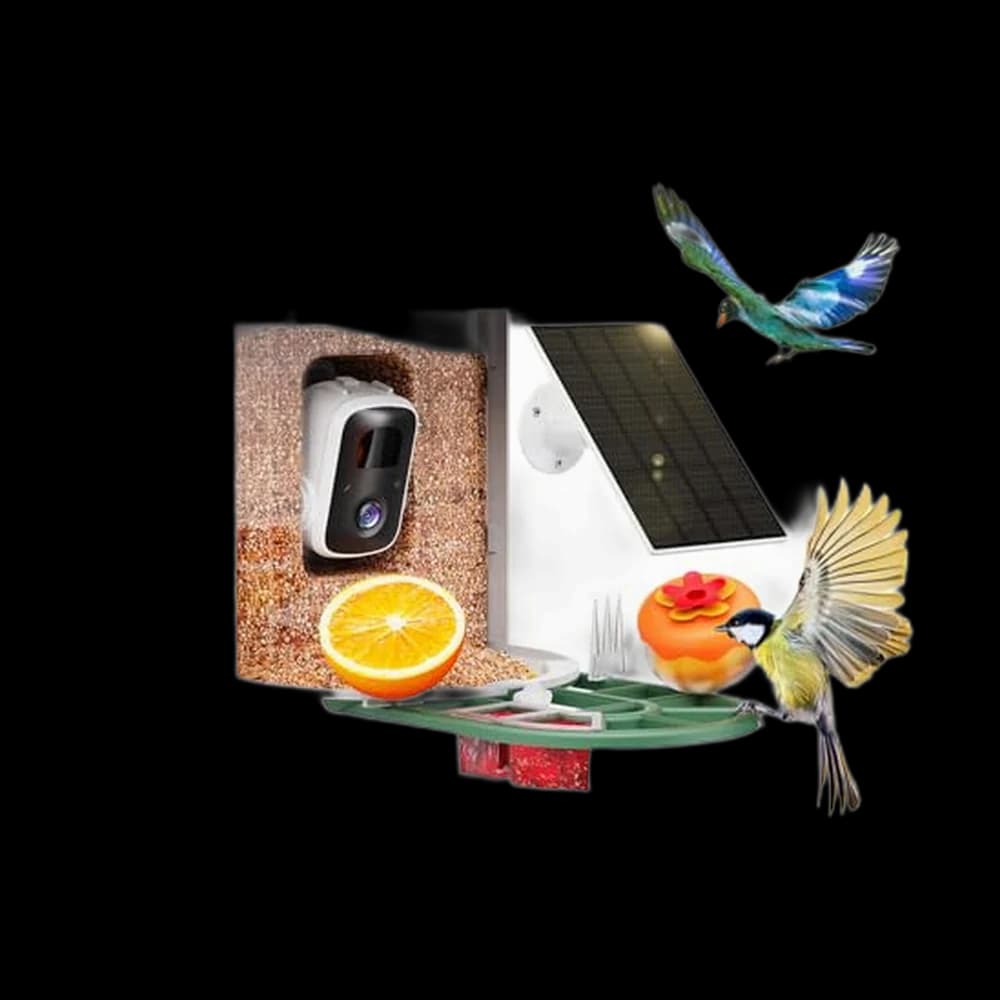
- Smart feeder with camera$120–250 (+ optional subscription)
Bird Buddy / Birdfy class. Identifies visitors and sends you portraits. Compare subscription costs before choosing — the cameras are similar; the plans aren't.
- Heated bird bath (northern winters)$70–120
Open water in February is the rarest resource in the yard.
See scored, real-price picks in the Gear section.