
Why Aren't Birds Coming to My Feeder? A Calm Checklist
Set up a feeder and nothing showed up? You're not doing it wrong. Here's the friendly, in-order checklist for getting your first visitors.
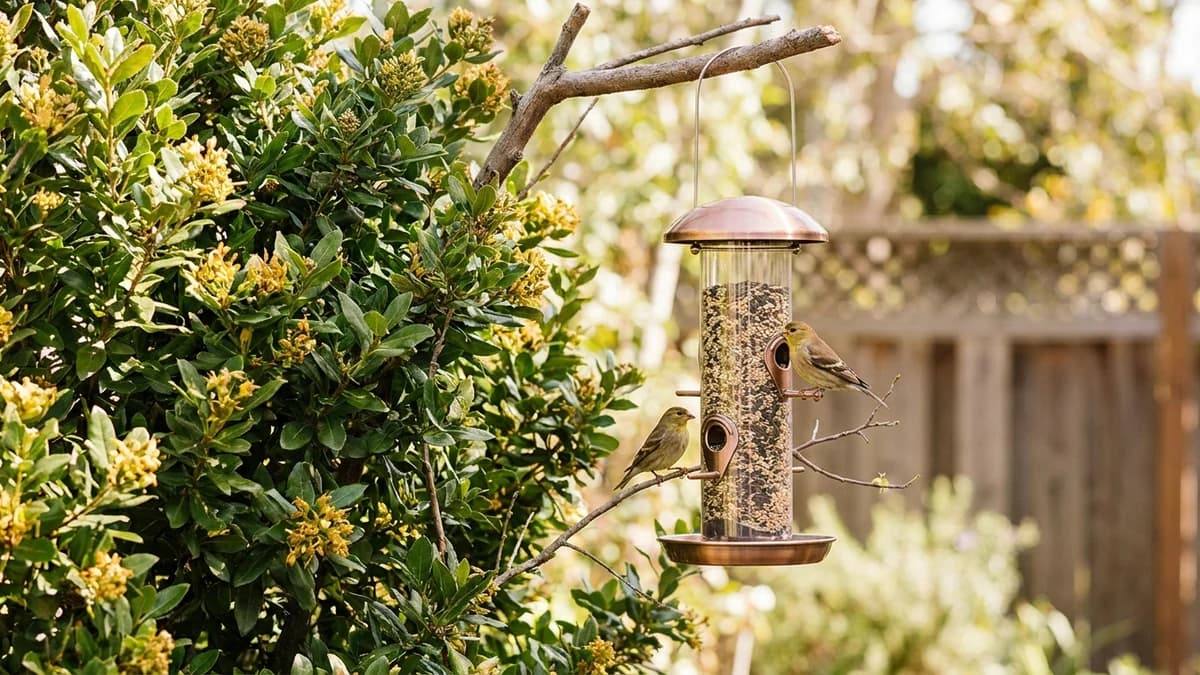
Key takeaways
- A brand-new feeder can take days to a few weeks to be discovered, so patience is the first fix.
- Location and seed quality solve most cases: add nearby cover and use fresh seed birds actually want.
- Late summer and fall are naturally slow because wild food is everywhere, not because you did anything wrong.
- Dirty feeders, prowling cats, and bullies like grackles can quietly keep gentler birds away.
Pick by your situation
| If your situation is… | Pick | Why |
|---|---|---|
| Brand-new feeder, nothing has visited yet | Patience plus good placement | Discovery is the main hurdle; give it 2 to 3 weeks near cover before changing anything else. |
| Seed piling up on the ground, feeder looks ignored | Switch to black-oil sunflower | Birds are tossing out milo filler; a quality seed stops the waste and draws more species. |
| Was busy, then went silent overnight | Wait and watch for a predator | A hawk or cat nearby makes birds lie low; activity usually returns within a few days on its own. |
| One aggressive species taking over the feeder | Add a baffle or selective feeder | Grackles, starlings, and squirrels crowd out gentler birds; limiting them rebalances the yard. |
| Feeder slow in late summer or fall | Keep it stocked and relax | Abundant wild food causes a natural lull; visits pick back up as the season cools. |
A shortcut by situation — start from the row that sounds like you.
So you hung a shiny new feeder, filled it up, and... nothing. A day goes by. Then three. The seed just sits there. If your first thought was "I must be doing something wrong," take a breath, because you almost certainly aren't. An empty feeder is one of the most common things new birders write in about, and nearly every reason behind it is normal and easy to fix.
Let's work through it together, in order. Start at the top and give each step a little time before moving on.
First, just wait
This is the fix nobody wants to hear, but it's the real one. Birds find feeders by sight and by watching each other, and a new feeder is a new object they've never seen.
Rule of thumb: in a yard that already has feeder traffic, a fresh feeder might get visitors in a day or two. In a brand-new spot it can honestly take two to three weeks, sometimes longer, before the first curious chickadee investigates and the word spreads.
So before you change anything else, give it time. If you're brand new to the whole thing, our guide on how to attract birds to your yard walks through the wider picture of what makes a yard feel safe.
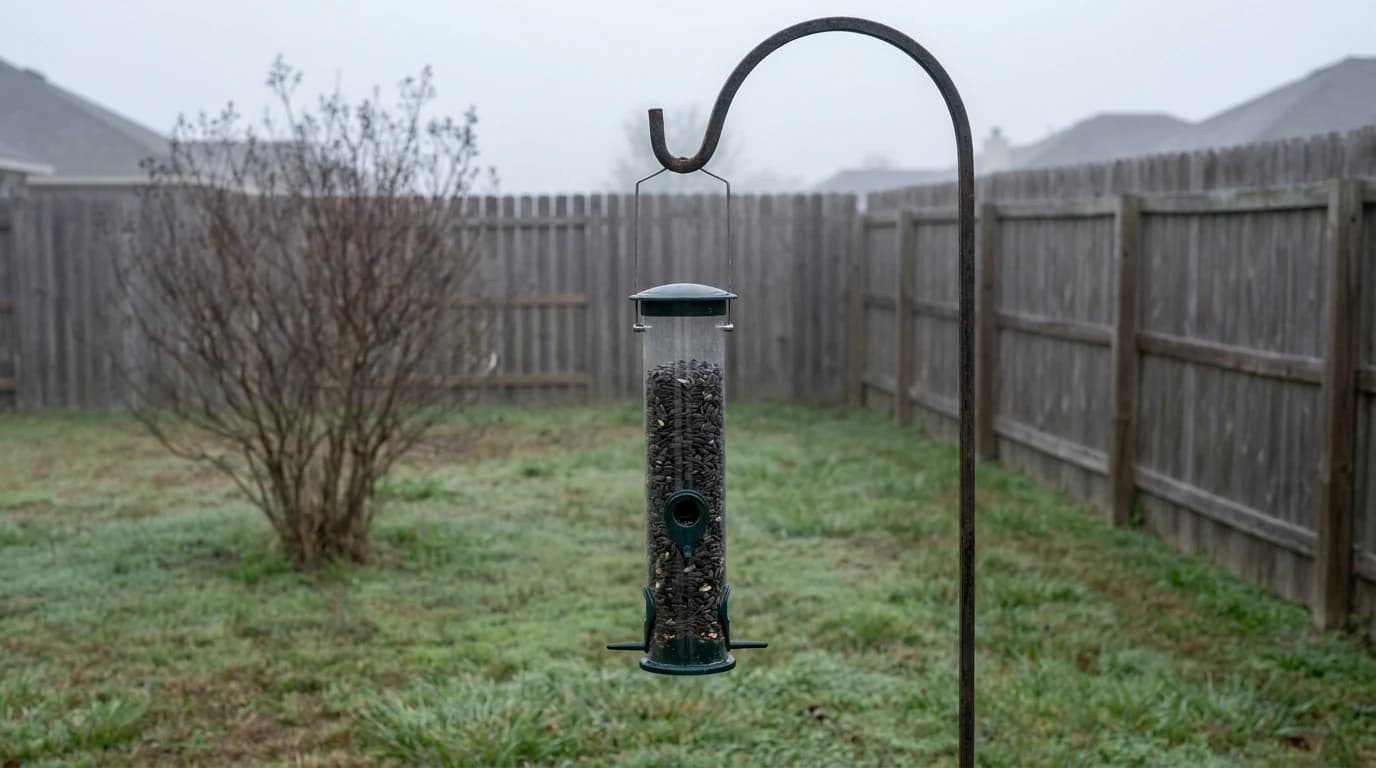
Check your location
Near cover, but not swallowed by it
Birds want a quick escape route. A feeder marooned in the middle of an open lawn, far from any tree or shrub, feels dangerous, so they skip it. But a feeder buried deep inside a hedge where nothing can see it is invisible.
The sweet spot is about ten feet from a tree or bush the birds can dart to. Our full breakdown lives in where to place a bird feeder, but the one-line version is: give them a safe branch to wait on and a clear view of the food.
Look hard at your seed
This is the sneaky one, and two separate things go wrong here.
Seed that reliably pulls birds in:
- Black-oil sunflower. Cornell's Project FeederWatch notes that most common feeder birds go for it, so a feeder full of sunflower will always out-draw a bargain mix.
- Anything fresh. If you can't remember when you bought the bag, that's your answer.
- One bag, no guessing. Wagner's black oil sunflower (on Amazon) is the top-scored seed in our bird seed picks, and it is the single seed most feeder birds already eat.
Seed that gets flicked to the ground:
- Cheap mixes padded with red milo — a hard round seed most backyard birds simply ignore. If your feeder looks "eaten from" only because seed is being tossed out, that's the tell.
- Old seed that's sat through humidity — rancid, moldy, or clumped, and birds want no part of it. If it smells musty or sticks together, dump it and start fresh.
Our bird seed guide covers which seed pulls which birds, and if you're not sure what to buy, the seed selector tool narrows it down in a minute.
Clean the feeder
A grimy feeder with damp, caked seed doesn't just look bad, it can spread disease, and birds seem to sense it. A quick scrub every couple of weeks keeps things appealing and safe. Here's how to clean a bird feeder without any fuss.
Consider who else is around
Sometimes the birds are fine, but something is scaring them off:
- Cats. A cat that patrols under the feeder will empty your yard fast. Move the feeder away from launch points like fence tops and low walls.
- Hawks. If a hawk has been hunting your yard, songbirds go quiet and lie low for a few days. This passes on its own.
- Bullies and squirrels. Grackles, starlings, and squirrels can monopolize a feeder and crowd out gentler visitors. A little help from our squirrel-proofing guide can rebalance things.
It might just be the season
A slow feeder in September is not a broken feeder
In late summer and fall, natural food is everywhere — seeds, berries, insects. Birds are wonderfully practical and will take the free wild buffet over your feeder. Activity naturally dips, then picks right back up as the weather cools and wild food thins out. If yours is due for an upgrade before then, our winter feeder picks rank feeders on dry seed, capacity and squirrels.
Quick troubleshooting table
| What you're seeing | Likely cause | What to try |
|---|---|---|
| Nothing at all, new feeder | Not discovered yet | Wait 2 to 3 weeks before changing anything |
| Seed on the ground, feeder ignored | Cheap mix full of milo | Switch to black-oil sunflower |
| Clumped or musty seed | Seed spoiled | Empty, clean, refill fresh |
| Was busy, suddenly quiet | Hawk or cat nearby | Wait a few days; move away from cover for cats |
| One species hogging it | Bullies or squirrels | Add a baffle or a selective feeder |
| Slow in late summer or fall | Natural food is plentiful | Normal seasonal lull; keep it stocked |
The trap: changing three things at once. Work the list from the top, change one thing at a time, and give each change a week. The birds are coming — they're just running on their own schedule, and it rarely matches ours.
Useful gear for this guide
Optional, subject-matched picks from our live catalog—not a requirement for doing the advice above.
Compare all gear & how we score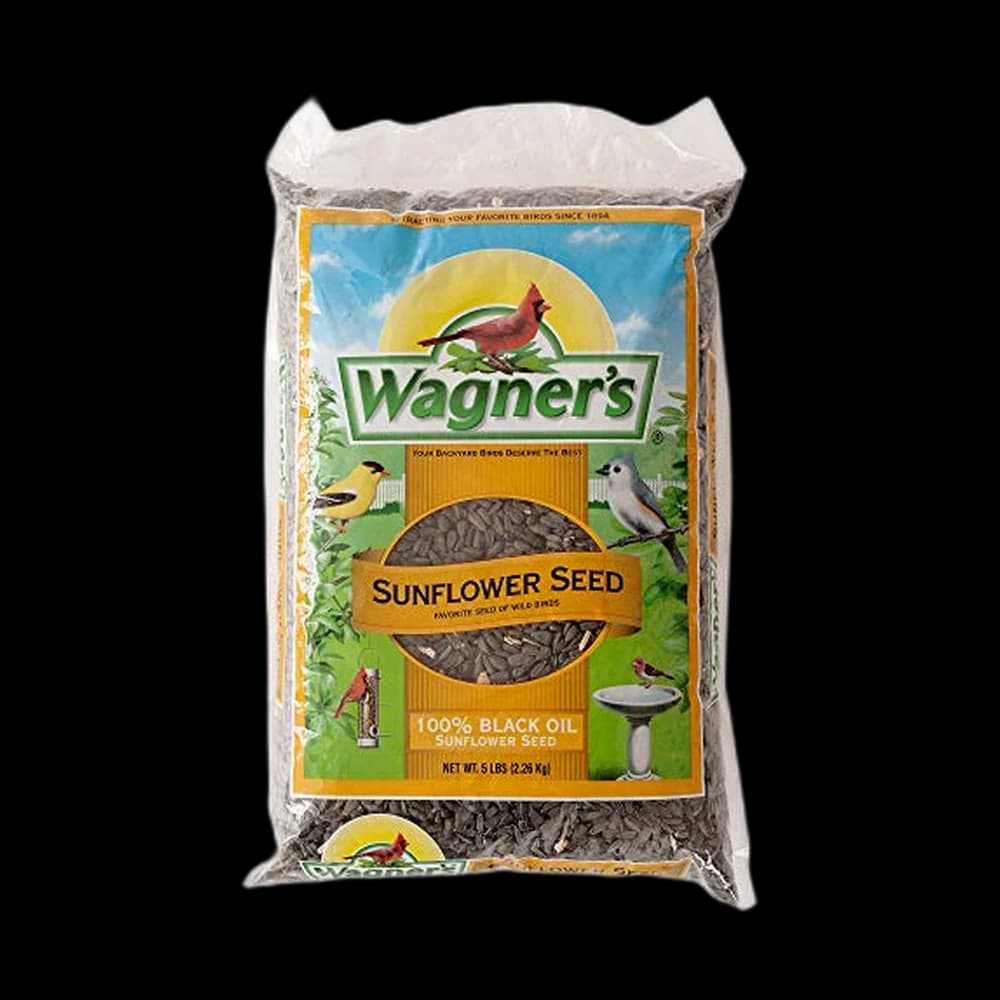
Two things fix most empty feeders — placement and seed.
Frequently asked
How long does it take for birds to find a new feeder?+
Anywhere from a couple of days to two or three weeks, and sometimes longer in a brand-new spot with no existing feeder traffic. Birds find feeders by sight and by following each other, so the first visitor is the slow part. Once one bird discovers it, others usually follow quickly.
What is the single best seed to start with?+
Black-oil sunflower. It has a thin shell and high fat content, and the widest range of common backyard birds will eat it. Starting with plain black-oil sunflower removes seed as a variable while you sort out everything else.
Why is my feeder suddenly empty after weeks of activity?+
The most common reasons are a hawk hunting nearby or a cat patrolling under the feeder, which make songbirds lie low for a few days. A seasonal dip when wild food is plentiful can also do it. If nothing changed in the yard, activity usually returns on its own.
Could my seed be the problem even though it looks fine?+
Yes. Cheap mixes are often padded with red milo that most birds toss aside, so the feeder looks used when the good seed is just being flung out. Seed can also spoil from moisture without looking obviously bad. If it smells musty or clumps together, replace it.
Should I give up if nothing comes for a week?+
No. One week is well within the normal discovery window, especially for a first-ever feeder. Keep it clean and stocked with fresh seed, make sure it is near cover, and give it at least two to three weeks before you conclude something is wrong.
Sources & further reading
We research from primary and authoritative sources. Where our guidance rests on a fact, here's where it comes from.
- Common Feeder Birds | Project FeederWatch (Cornell Lab) — Which species commonly use feeders and which foods, especially black-oil sunflower, draw the widest range of backyard birds
Prices and BirdingScores reflect our most recent research and refresh on a cycle; confirm the live price before buying. We may earn a commission from affiliate retailers — it never changes our recommendations. See how we review.