
How to Attract Birds to Your Yard: Fast Beginner Guide
Attract birds fast with four things: food, water, shelter, and safety. Here's exactly what to add and which birds each one brings.
The short answer
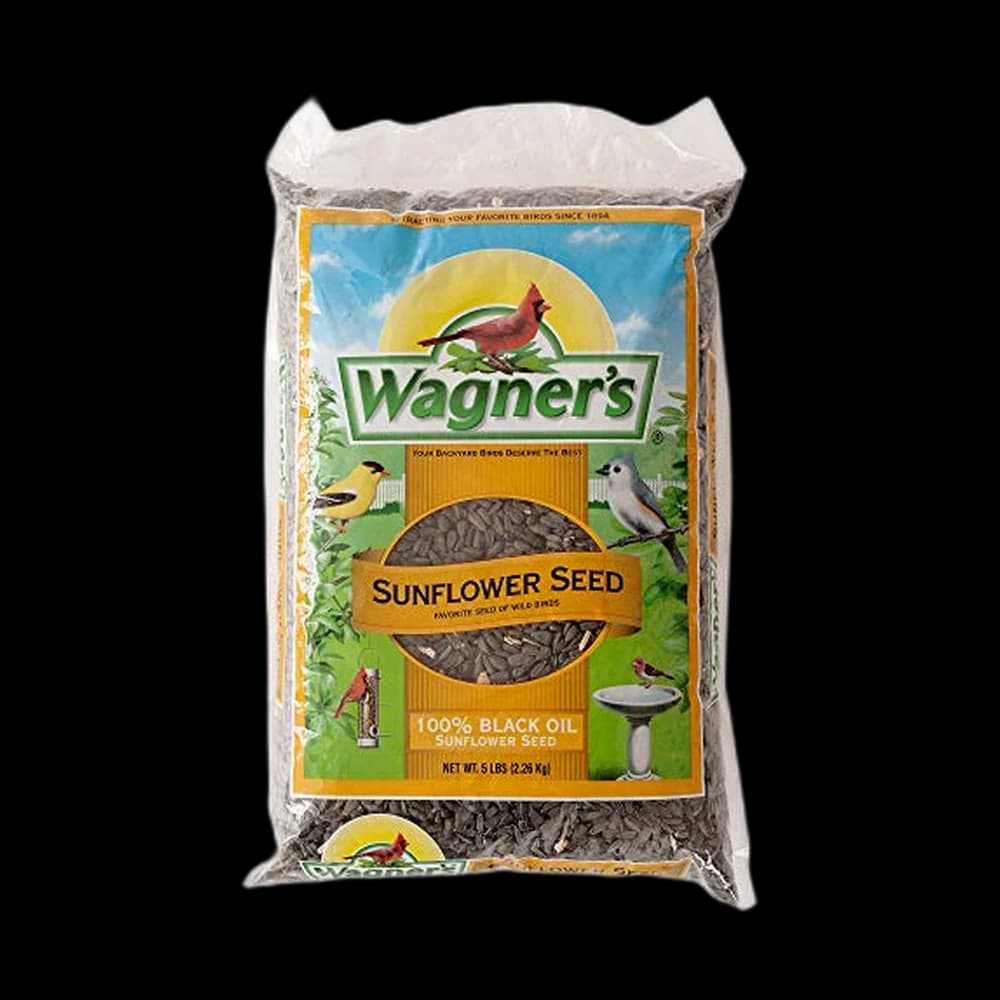
- Anyone starting out: black-oil sunflower draws the widest variety of birds with thin, easy-open shells.
- You want a tidy patio; in-shell seed leaves hulls and mess below the feeder.
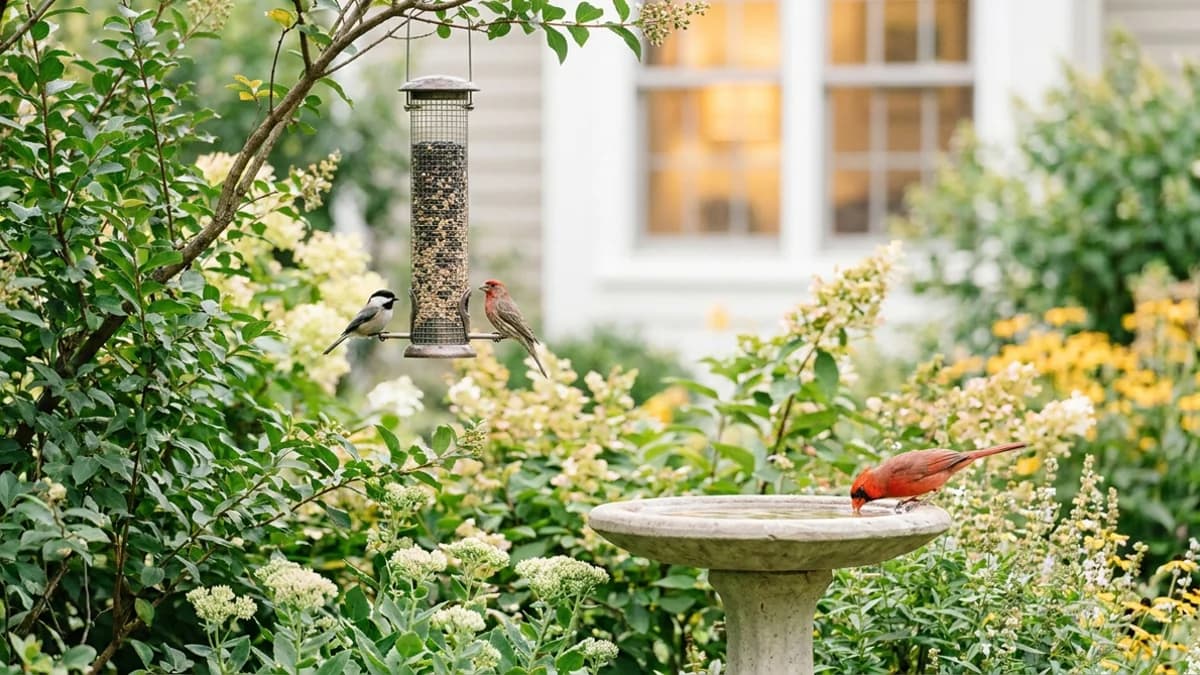
Key takeaways
- Food + water + shelter + safety is the whole formula. Nail those four and birds come.
- Black-oil sunflower is the single best starter seed — it draws the widest crowd.
- Add water (even a shallow dish). A moving-water bath can out-pull a feeder.
- Place feeders near cover so birds feel safe, but keep them away from cat hiding spots.
Pick by your situation
| If your situation is… | Pick | Why |
|---|---|---|
| If you want the most birds for the least effort | Black-oil sunflower in a tube feeder | It draws the widest variety and stays dry and clean |
| If hulls sprouting under the feeder bother you | A no-mess (hull-free) blend | Nothing germinates below the feeder, so cleanup is minimal |
| If you want to out-pull every neighbor's feeder | Add moving water (dripper or fountain bath) | Water attracts species that never visit seed feeders |
A shortcut by situation — start from the row that sounds like you.
Bird Seed & Blends: our picks
| Pick | Best for | Rating | Price | |
|---|---|---|---|---|
| TopWagner's 52023 Black Oil Sunflower Seed Wild Bird Food, 5-Pound Bag | The one seed that draws the widest crowd. | ★ 4.7 Amazon | $10.98 | Buy on Amazon |
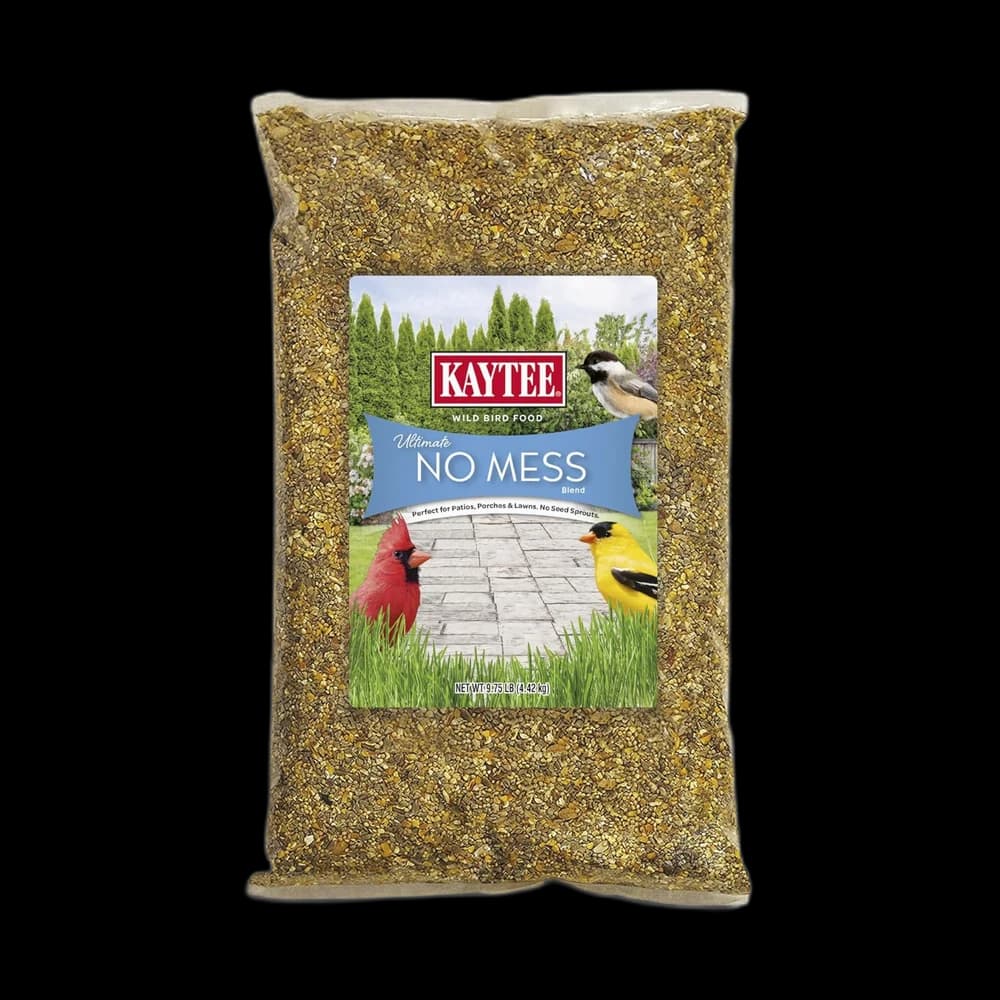 Kaytee Ultimate No Mess Wild Bird Seed, 9.75 Pounds Kaytee Ultimate No Mess Wild Bird Seed, 9.75 Pounds | Shell-free blend for less hull cleanup, not a spotless patio. | ★ 4.4 Amazon | $21.99 | Buy on Amazon |
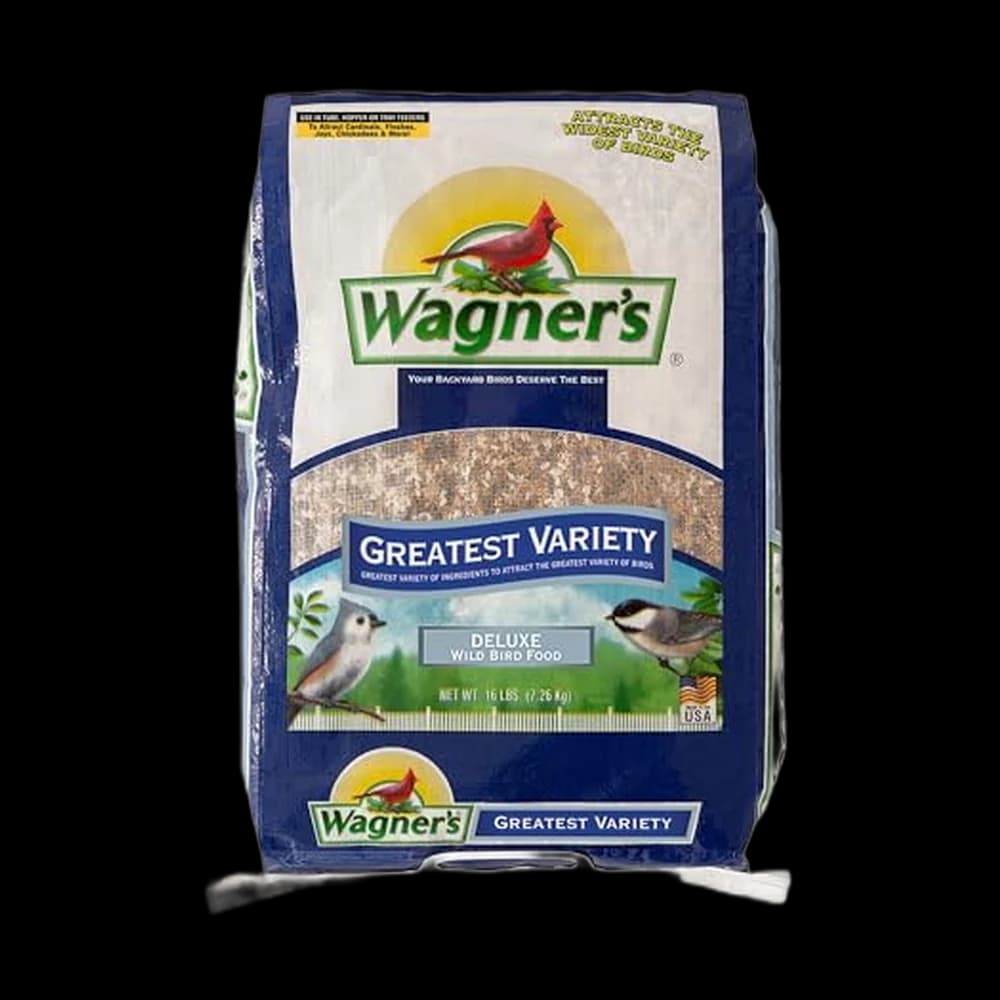 Wagner's 62059 Greatest Variety Blend Wild Bird Food, 16-Pound Bag Wagner's 62059 Greatest Variety Blend Wild Bird Food, 16-Pound Bag | A genuinely good all-round blend. | ★ 4.6 Amazon | $34.98 | Buy on Amazon |
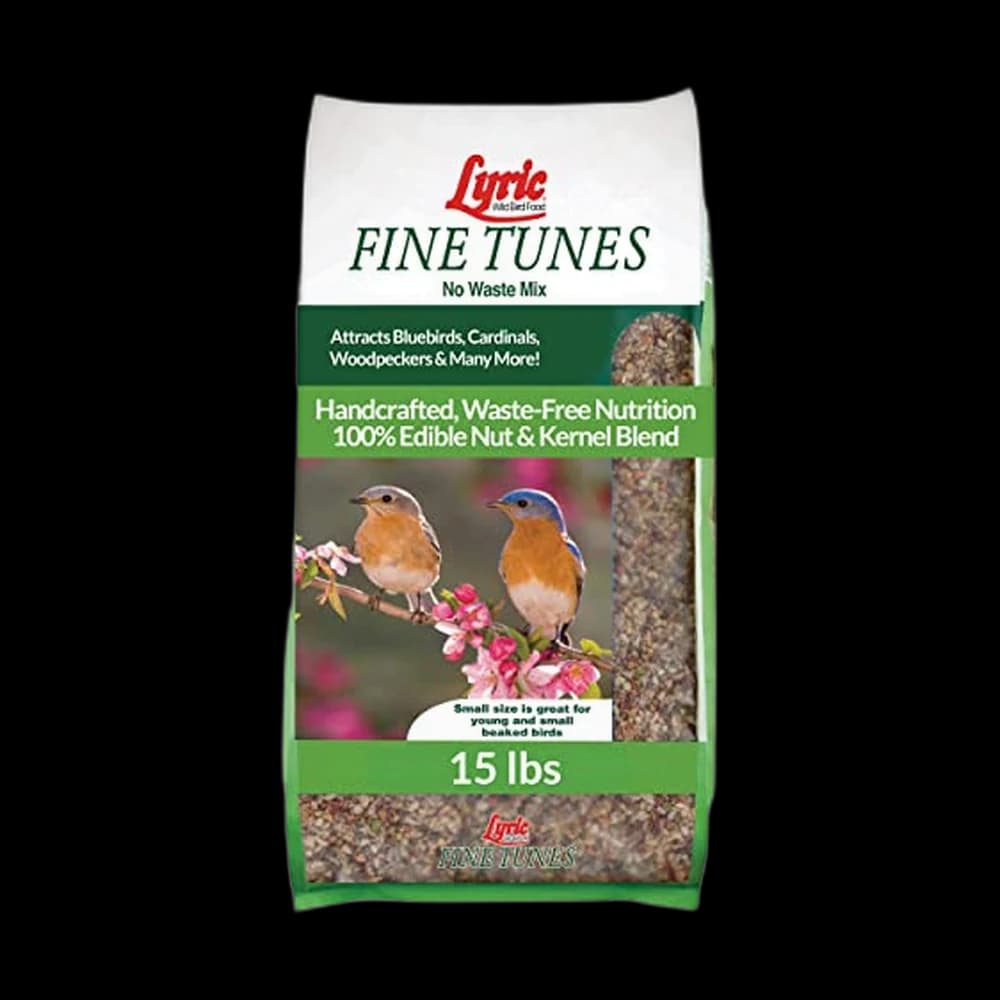 Lyric Fine Tunes Wild Bird Seed Mix - No Waste Bird Food Mix -… Lyric Fine Tunes Wild Bird Seed Mix - No Waste Bird Food Mix -… | Premium no-waste mix of hearts and nuts. | ★ 4.5 Amazon | $39.04 | Buy on Amazon |
Want more birds in your yard? Offer four things and they'll come: food, water, shelter, and safety. That's the entire formula, and you can set it up this weekend.
Most beginners overthink it. You don't need a fancy setup — you need the right seed in a clean feeder near a bit of cover, plus water. Birds find new food sources fast.
What to add, and which birds it brings
Start with this table. Each addition pulls a different crowd, so layer them over a few weeks.
| What you add | Which birds it brings |
|---|---|
| Black-oil sunflower seed | Cardinals, chickadees, finches, nuthatches, jays |
| Nyjer (thistle) seed | Goldfinches, siskins, redpolls |
| Suet cake | Woodpeckers, nuthatches, chickadees |
| A birdbath / water | Robins, warblers, waxwings — almost everything |
| Native shrubs & trees | Sparrows, thrushes, cover-loving species |
| Nyjer sock or tube feeder | Small clinging finches |
Start with the best beginner seed
If you buy one thing, buy black-oil sunflower. Its thin shell and high fat content appeal to the widest range of backyard birds across the US and Canada.
- Whole black-oil sunflower — the crowd-pleaser. See Wagner's Black Oil Sunflower.
- A no-mess blend if you hate hulls sprouting below the feeder — Kaytee No Mess.
- A good all-round mix once you're established — Wagner's Greatest Variety.
Skip cheap "filler" mixes heavy on red milo and cracked corn — birders report most birds just kick it to the ground.
Get a feeder birds trust
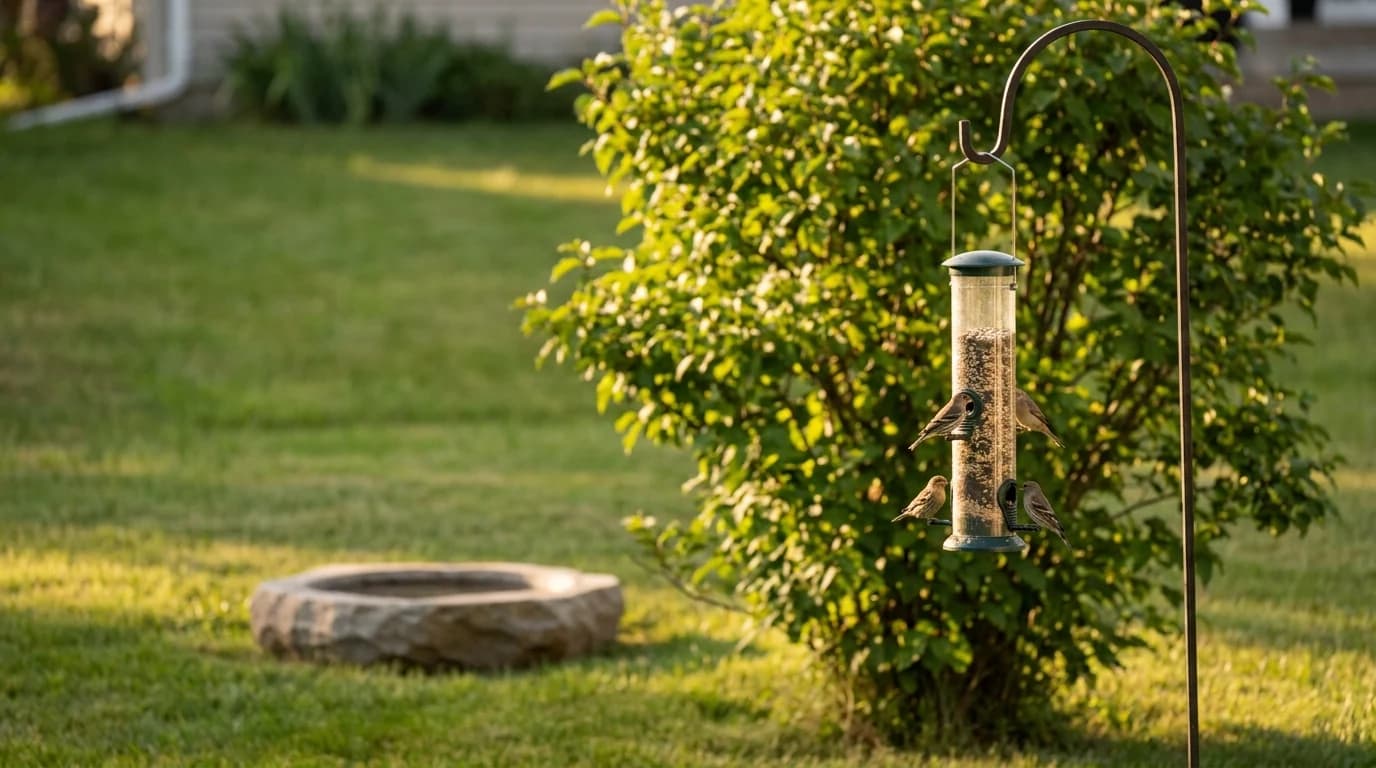
A tube feeder keeps seed dry and lets several birds feed at once. Hang it 5–10 feet from a shrub or tree so birds have an escape route but squirrels can't leap to it.
Make the window visible: a feeder within 3 feet reduces takeoff speed, but distance alone does not prevent collisions. Treat nearby glass from the outside using the methods in our window-safety guide.
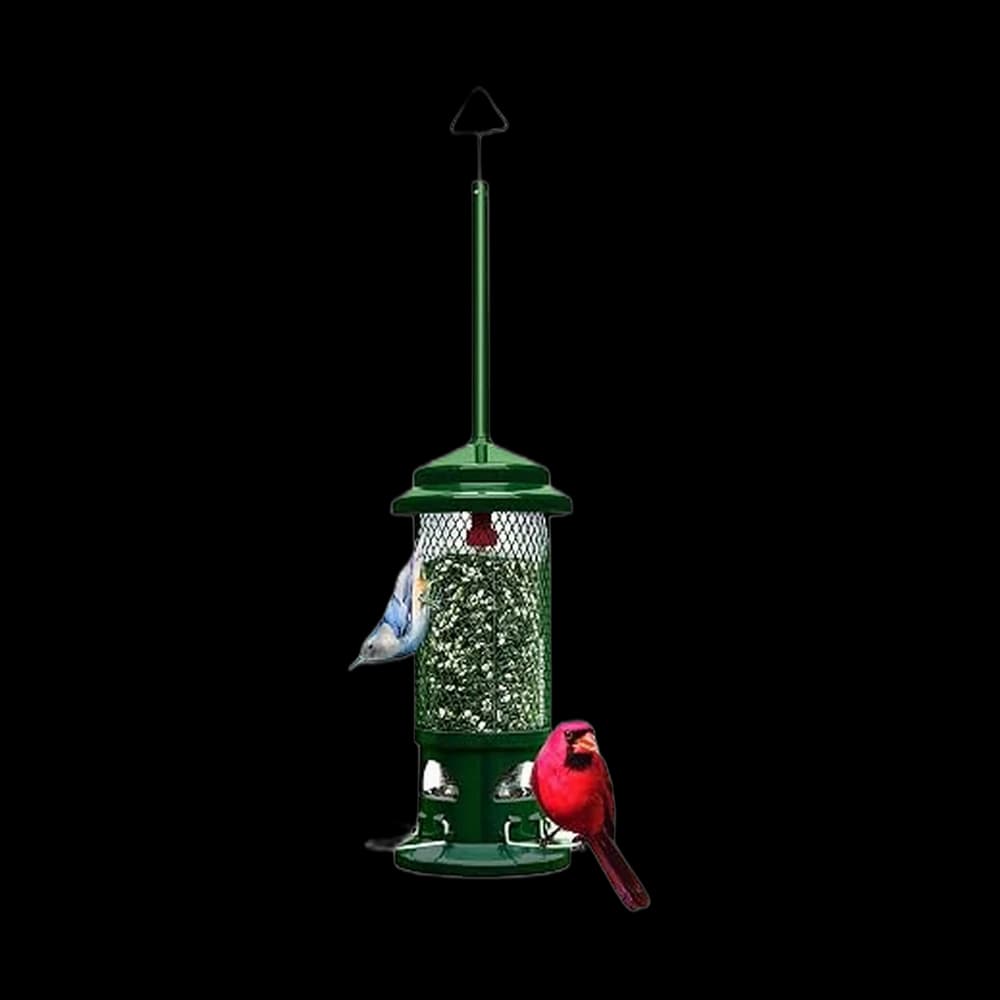
Starter feeders worth a look: the Squirrel Buster Standard, a compact four-port tube whose shroud closes under a squirrel's weight and our top-scored pick in the category, or the six-port Gray Bunny metal tube if you want to start cheaply.
Add water — the secret weapon
Every bird needs to drink and bathe, even ones that never touch a feeder. A simple shallow bath (1–2 inches deep) with a rough surface for grip works. Moving water — a dripper or solar fountain — pulls in far more birds than still water, and in winter a heated bath keeps water open through northern freezes when it's genuinely scarce.
See options like the VIVOHOME solar-fountain bath or a heated four-seasons bath for cold climates.
Give them cover and keep them safe
Birds won't linger in an exposed yard. Native shrubs, evergreens, and a brush pile give them a place to perch, hide, and nest — and planting native matters because native plants host the insects that feed nestlings.
Keep cats indoors, and trim dense cover right next to feeders where ambush predators lurk. Clean feeders every 1–2 weeks with a diluted bleach rinse to prevent disease.
Match your offering to the season
Birds want different things through the year, so tweak what you offer.
- Winter — high-fat foods matter most. Load up on suet, peanuts, and sunflower, and keep water open with a heated bath.
- Spring & summer — nesting season. Offer mealworms for insect-eaters and leave brush and native plants for cover and nest sites.
- Fall migration — keep feeders full; you'll catch species passing through that never visit otherwise.
Avoid the rookie mistakes
A few easy fixes save weeks of frustration.
Do this:
- Lead with black-oil sunflower and keep the feeder stocked.
- Place the feeder within a short flight of cover.
- Clean the feeder on a schedule so it never goes moldy.
Don't do this:
- Don't use cheap milo-heavy mixes — most birds toss the filler and it rots below the feeder.
- Don't let feeders go moldy — dirty feeders spread disease and drive birds off.
- Don't place feeders in the wide open — birds need cover within a short flight.
- Don't give up in week one — discovery genuinely takes time.
Be patient and consistent
New feeders can take a few days to a few weeks to get discovered, especially in a fresh neighborhood. Once one bird finds it, word spreads fast.
Keep it stocked, keep water fresh, and the yard fills in. Ready to go deeper? Follow the free Backyard Birder flight path to level up from first feeder to confident IDs.
Build one useful layer at a time
Food, a dependable feeder, and clean water are the practical starting categories—not a requirement to buy all three.

Frequently asked
What attracts birds to your yard the fastest?+
Black-oil sunflower seed in a visible feeder plus a shallow water source is the fastest combo. Moving water and an open, easy-to-spot feeder speed up discovery.
How long until birds come to a new feeder?+
Usually a few days to a couple of weeks. Location matters — a feeder near trees or existing bird activity gets found faster than one in an open, exposed spot. Keep it stocked and be patient.
What is the best bird food to start with?+
Black-oil sunflower seed. It appeals to the widest range of backyard birds thanks to its high fat content and thin shell. Add nyjer for finches and suet for woodpeckers once you're established.
Sources & further reading
We research from primary and authoritative sources. Where our guidance rests on a fact, here's where it comes from.
- Feeding Birds: A Quick Guide to Seed Types | All About Birds (Cornell Lab) — Black-oil sunflower's thin shell and high fat draw the widest variety of birds; cheap mixes are padded with filler birds reject.
- Think You Have a Bird-Friendly Backyard? Think Again. | Audubon — Background on backyard bird safety; current window-treatment advice is linked separately and supersedes older distance-only guidance.
- Preventing Disease: What's the Best Way to Clean Your Bird Feeders? | Project FeederWatch (Cornell Lab) — Backs cleaning feeders every ~1-2 weeks with a dilute bleach soak to prevent salmonella and other feeder-borne disease.
- To Support Nesting Eastern Bluebirds, Plant Native | NestWatch (Cornell Lab) — Supports 'plant native' advice — native plants host the insects that feed nestlings.
- Why Birds Hit Windows—and How You Can Help Prevent It | Cornell Lab — Explains why glass remains hazardous at any distance and why exterior treatments take priority over old safe-zone rules.
Prices and BirdingScores reflect our most recent research and refresh on a cycle; confirm the live price before buying. We may earn a commission from affiliate retailers — it never changes our recommendations. See how we review.