How to Attract Birds to Your Yard: Fast Beginner Guide
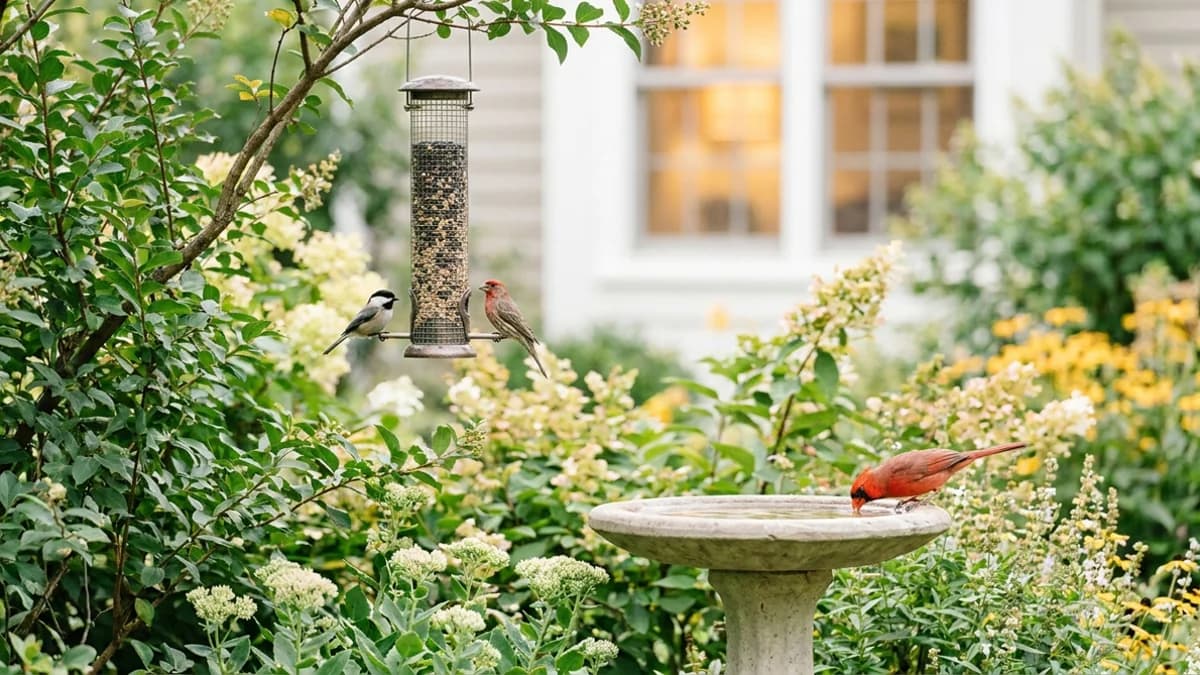
Attract birds fast with four things: food, water, shelter, and safety. Here's exactly what to add and which birds each one brings.
BirdingPath Editorial4 min·July 19, 2026
Backyard
The birds you attract depend on your region, season, and habitat. This department covers the whole craft: feeders, seed, water, housing, seasonal timing, and peaceful coexistence with squirrels.
Flight Path Level 1: The Backyard Host already covers the essentials — feeder choice, seed, water, and defense. The guides below expand each piece.
The best way to learn feeder birds is to watch one. These are free streams run by the Cornell Lab and its partners — no account, no app. Streams can pause or go offline. Start with Sapsucker Woods; it's the closest thing to a live version of a well-run North American yard.
Small calculators and pickers that answer the questions people actually get wrong — what to feed, when hummingbirds arrive, nectar ratio, and what a smart feeder really costs.
Pick a bird, get the seed and feeder that brings it in.
When they return to your region — and when to hang the feeder.
The 4:1 recipe scaled to any jug or bottle.
Device plus subscription, over one to five years.
Everything for a yard birds actually visit — attract, feed, house, and defend, with reading times shown on each guide.
Attract birds fast with four things: food, water, shelter, and safety. Here's exactly what to add and which birds each one brings.
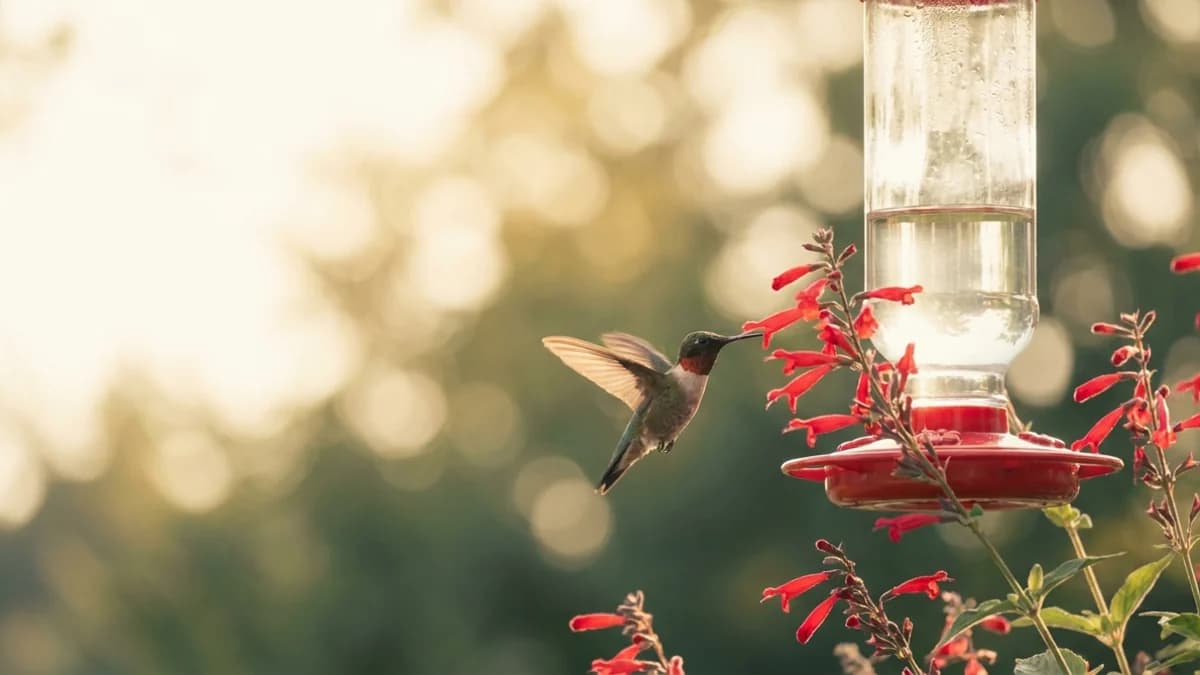
Attract hummingbirds with the right nectar: 4 parts water to 1 part white sugar, no red dye, no honey. Here's the full setup.
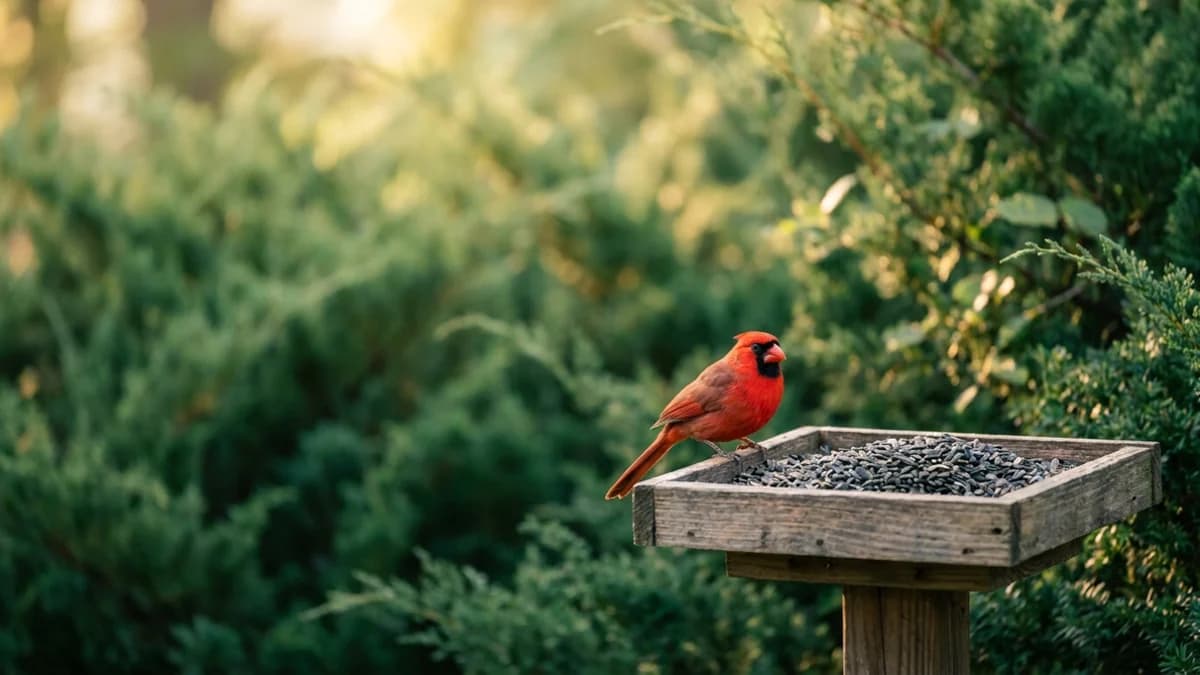
Attract cardinals with a platform or hopper feeder, dense shrubs for cover, and water. Feed at dawn and dusk — here's the full habitat setup.
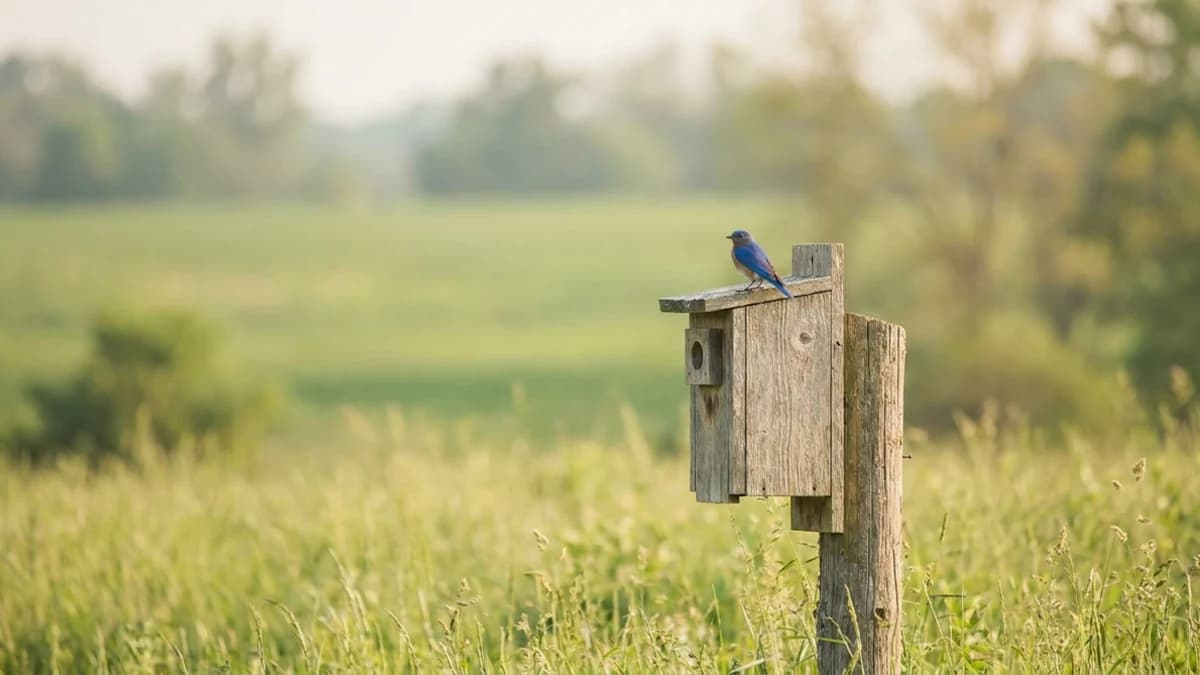
Bluebirds come for mealworms and a proper nest box over open grass, not for seed feeders. Here's exactly how to set your yard up.
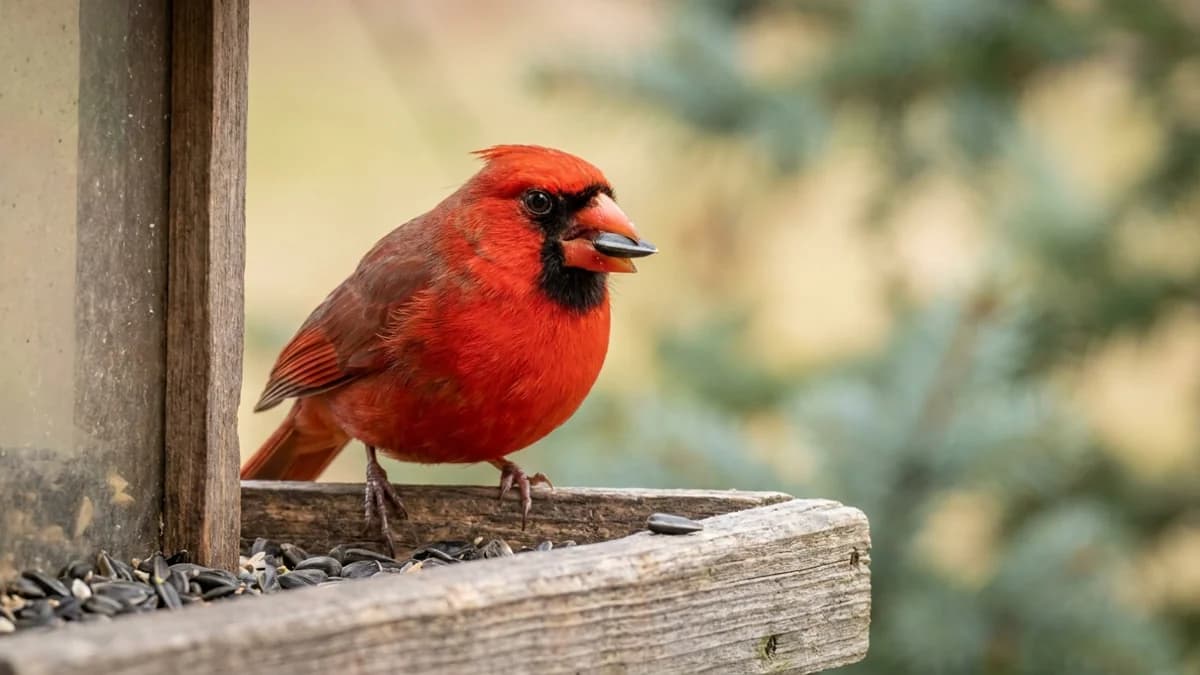
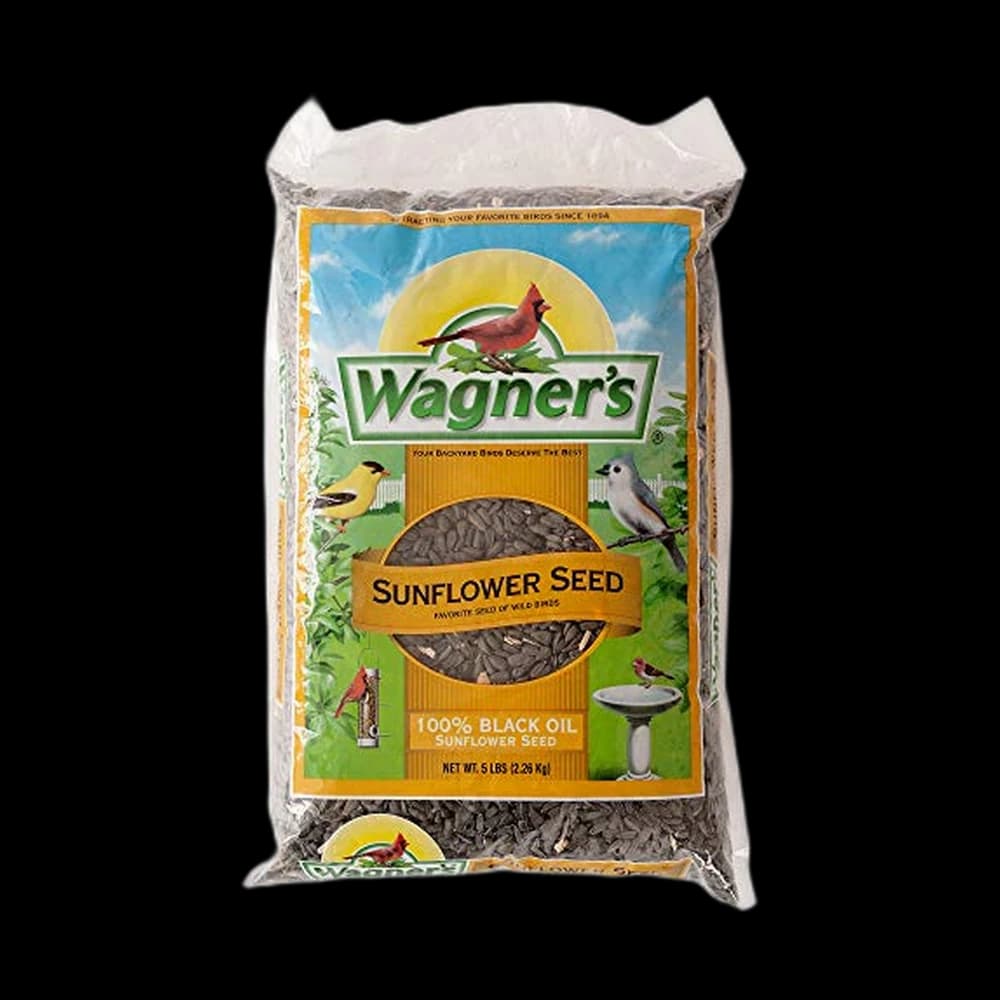
Cardinals love black-oil sunflower and safflower seeds, plus peanuts, cracked corn, berries, and summer insects. Here's exactly what to feed them.
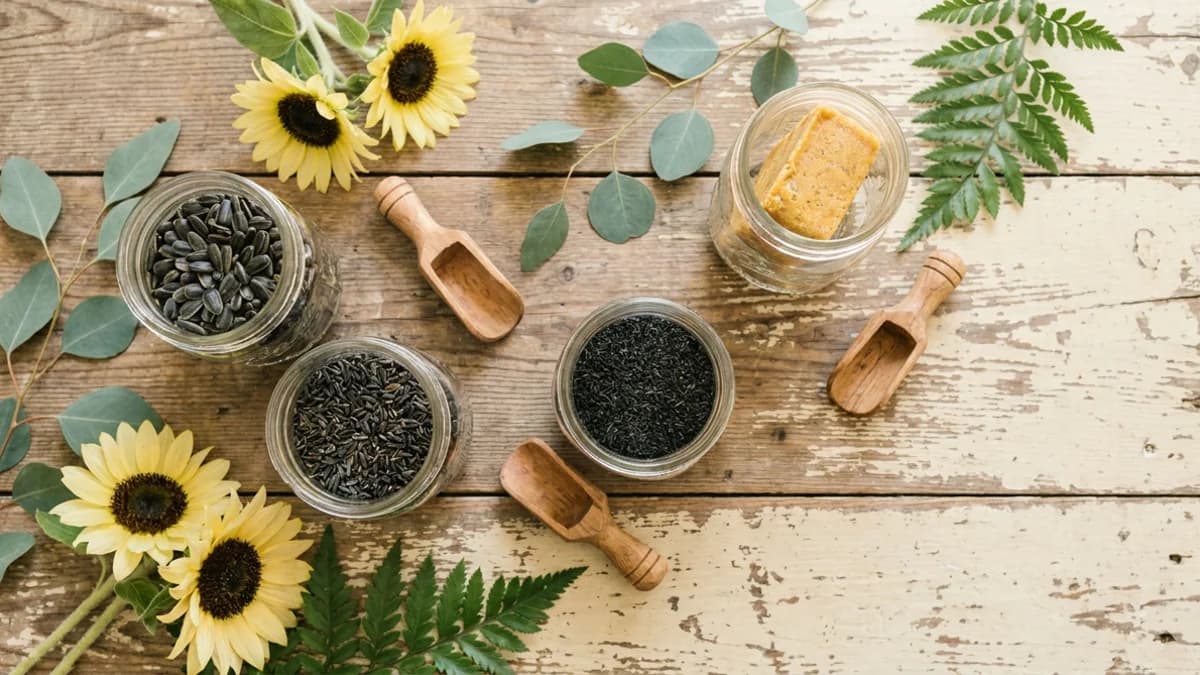
Which bird food draws which birds? A clear guide to black-oil sunflower, nyjer, and suet — and why cheap wild bird mix is mostly filler.
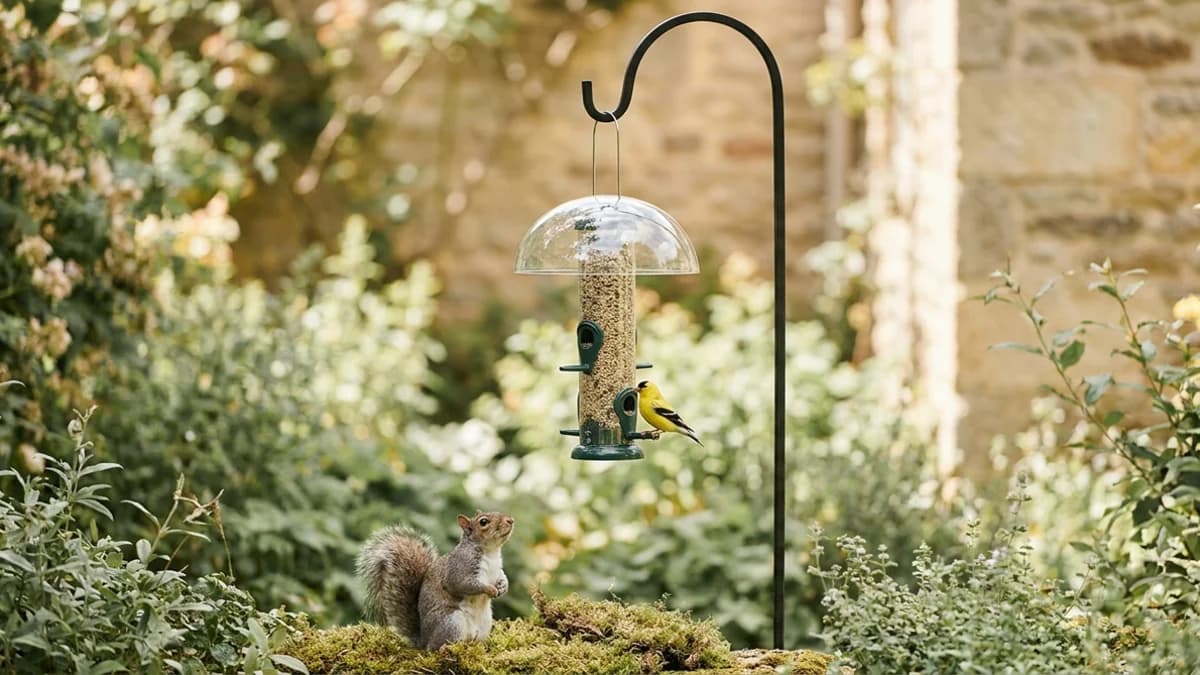
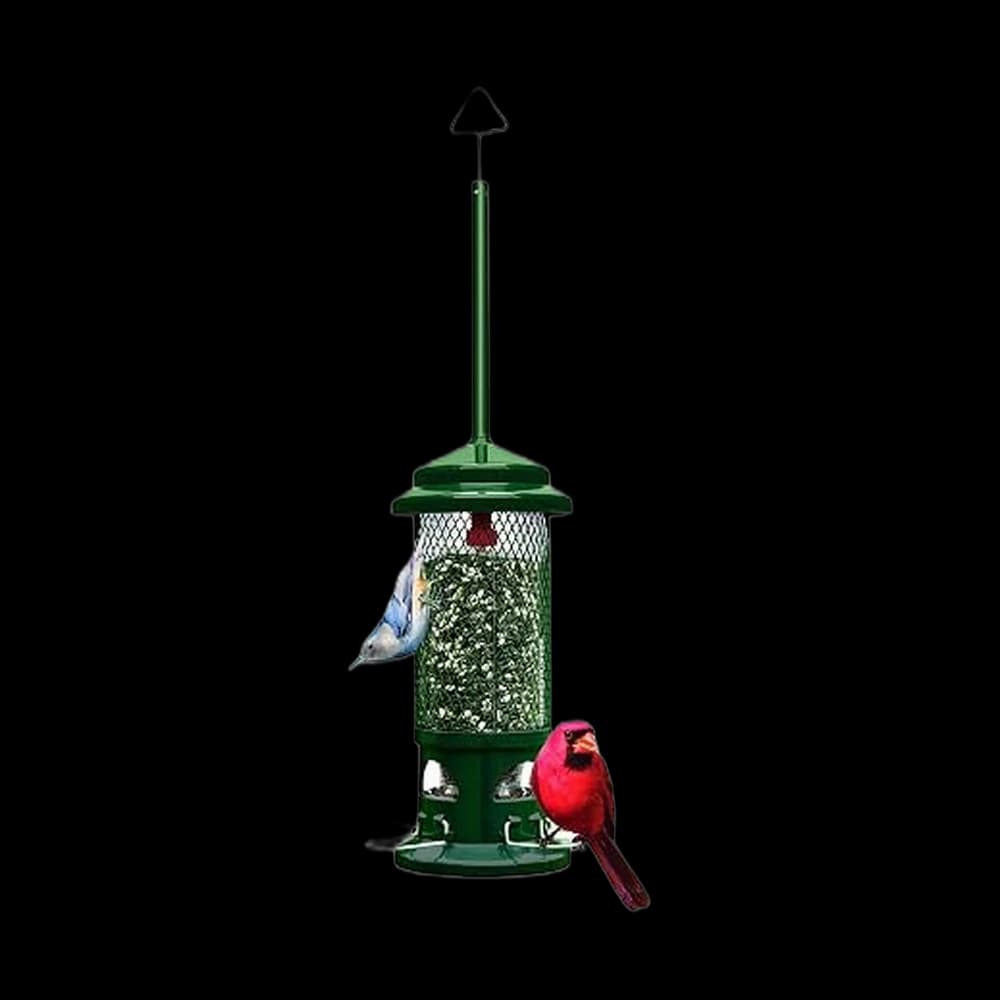
Squirrels raiding your feeder? The physics of a real baffle setup, the 10-foot rule, and the weight-activated feeders that actually work.
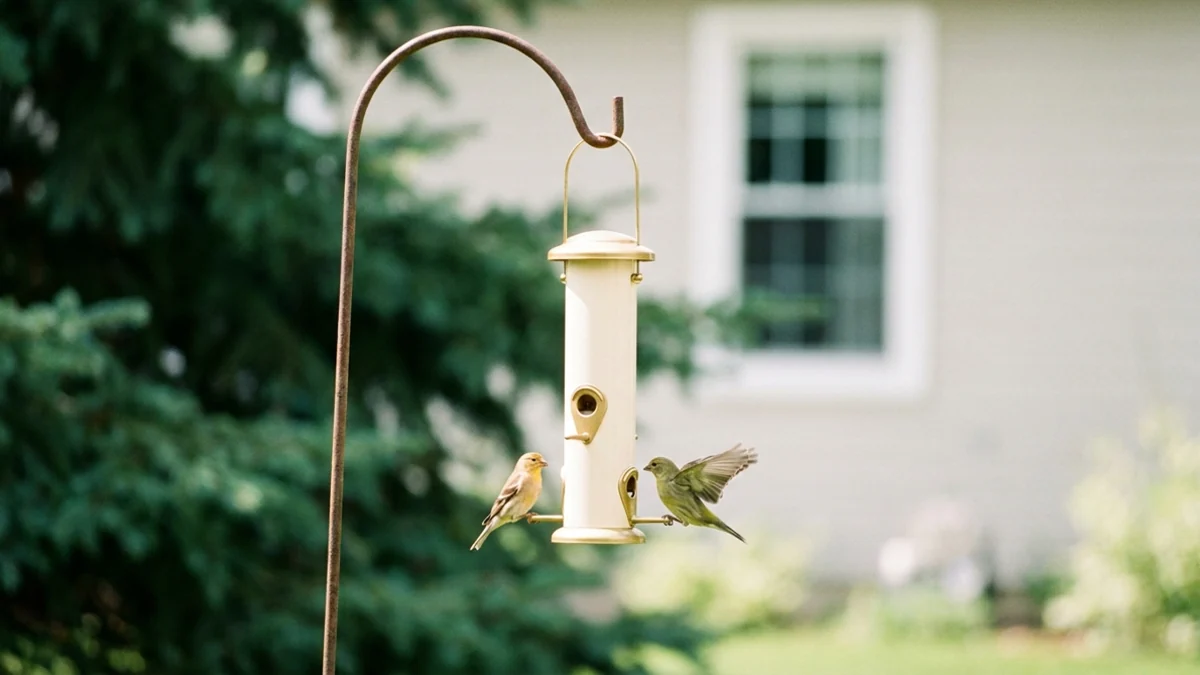
Place feeders within 3 ft of a window (and treat the glass), at least 10 ft from squirrel launch points, about 5 ft high, and 10-15 ft from cover.
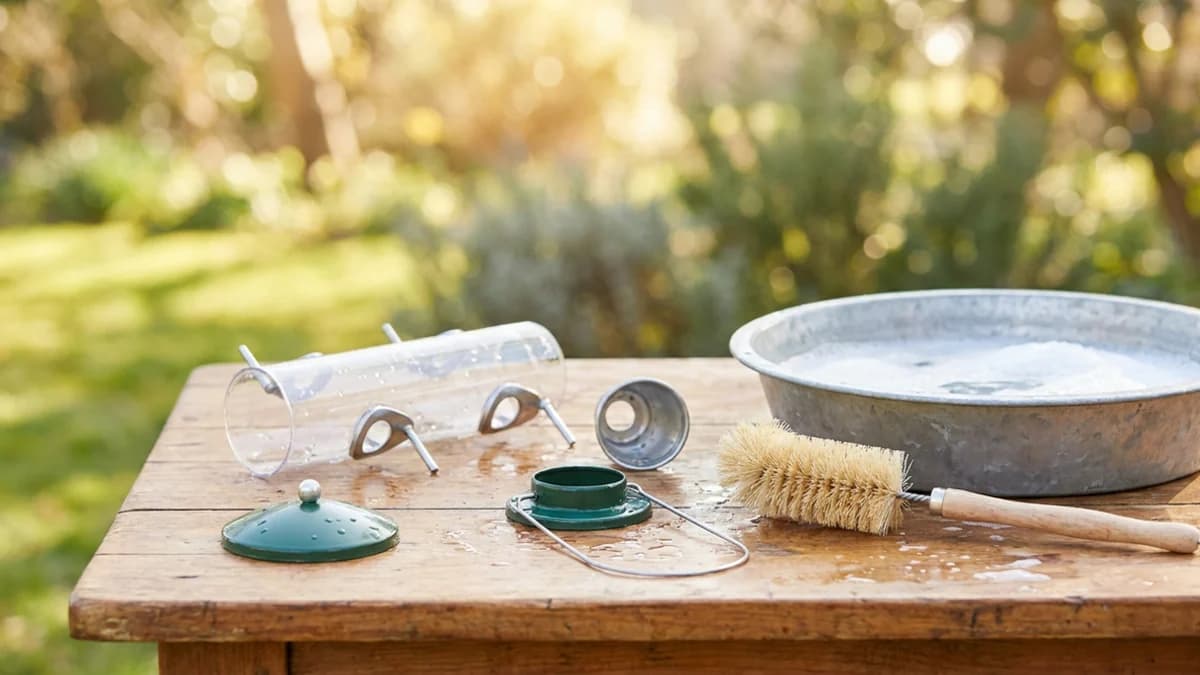
Clean feeders every ~2 weeks with a 1:9 bleach-water soak, scrub, rinse, and dry fully before refilling. Dirty feeders spread deadly bird disease.
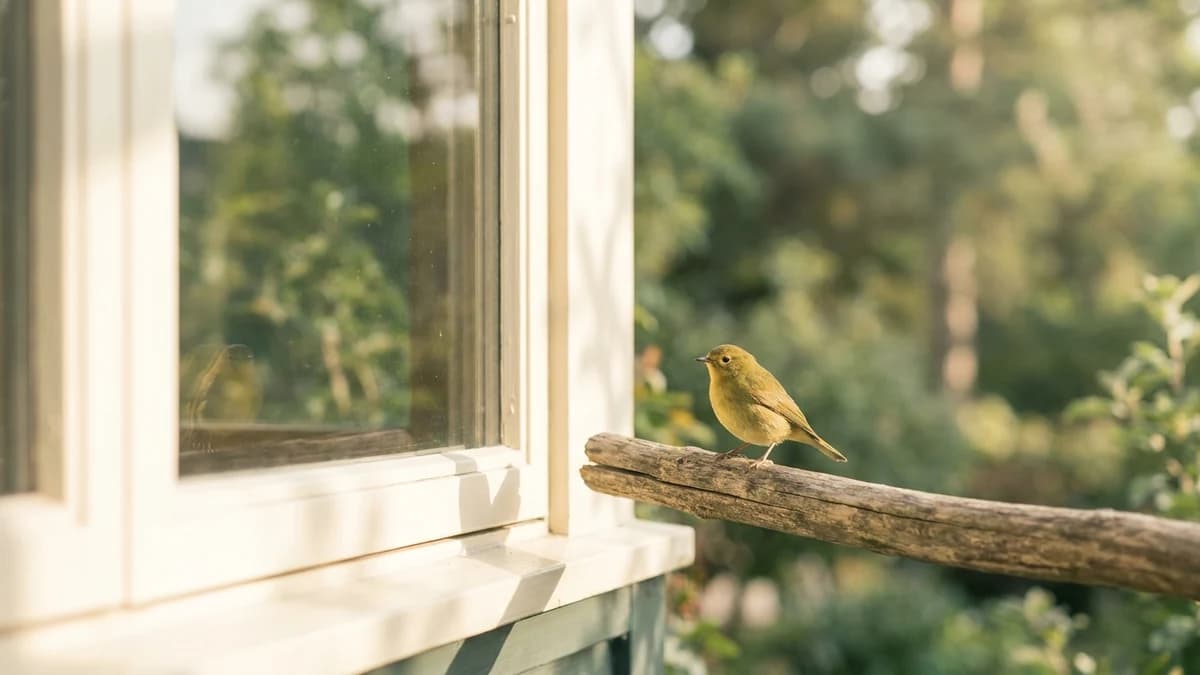
Window collisions are one of the biggest and most preventable causes of bird deaths. Here are the fixes that actually work, ranked so you can start today.
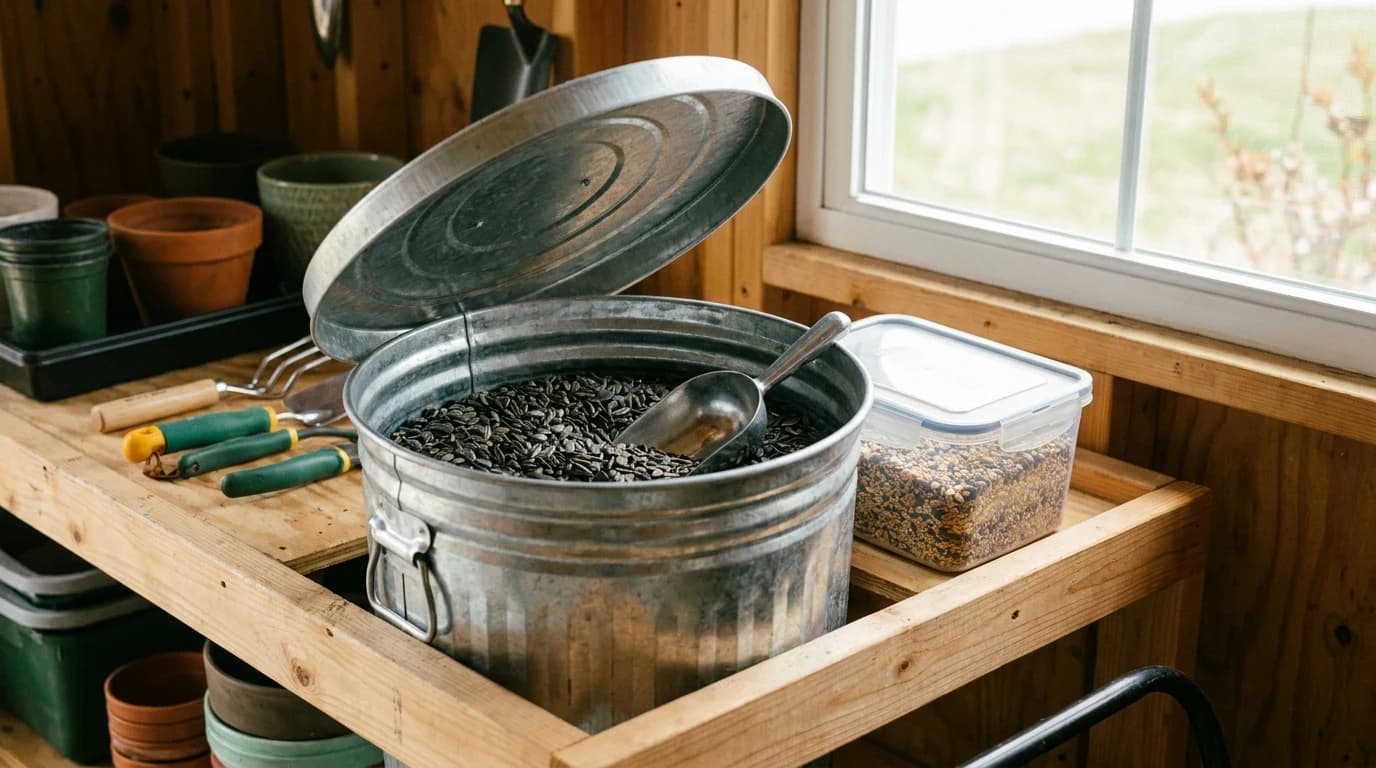
Keep bird seed cool, dry, and sealed. Check for mold and pantry pests, rotate smaller batches, and avoid carrying spoiled seed into a clean feeder.
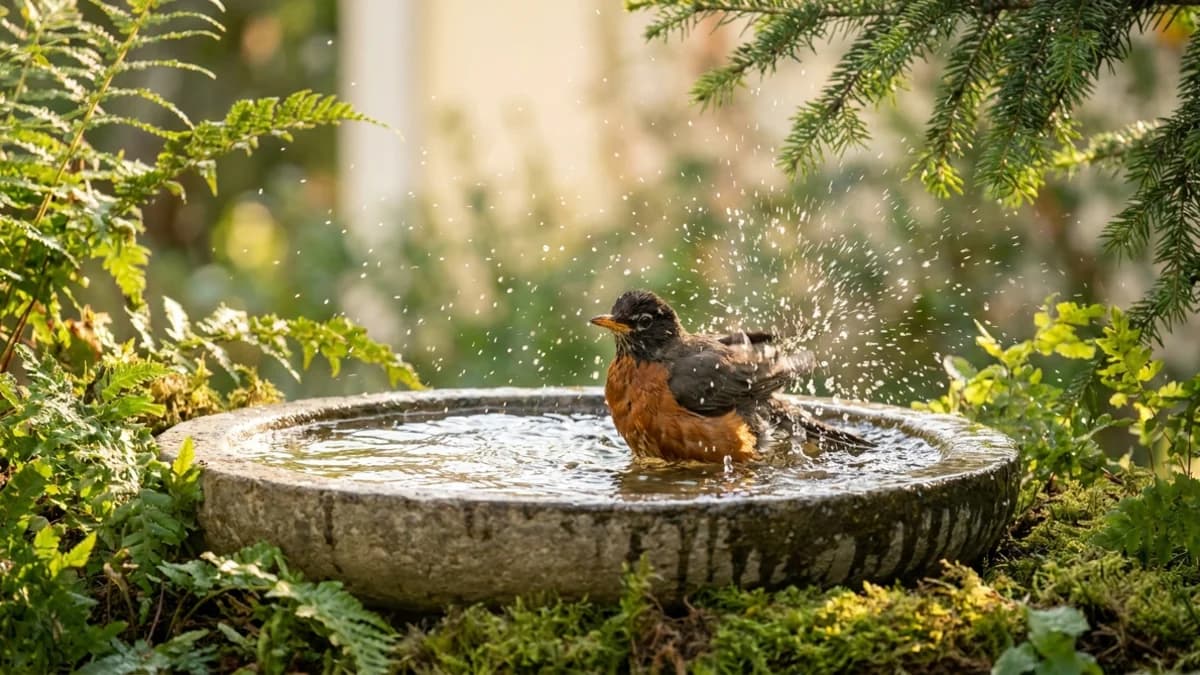
Water pulls in birds that seed never will. Keep it shallow, rough-bottomed, clean and moving, and warblers and thrushes that skip feeders can still show up.
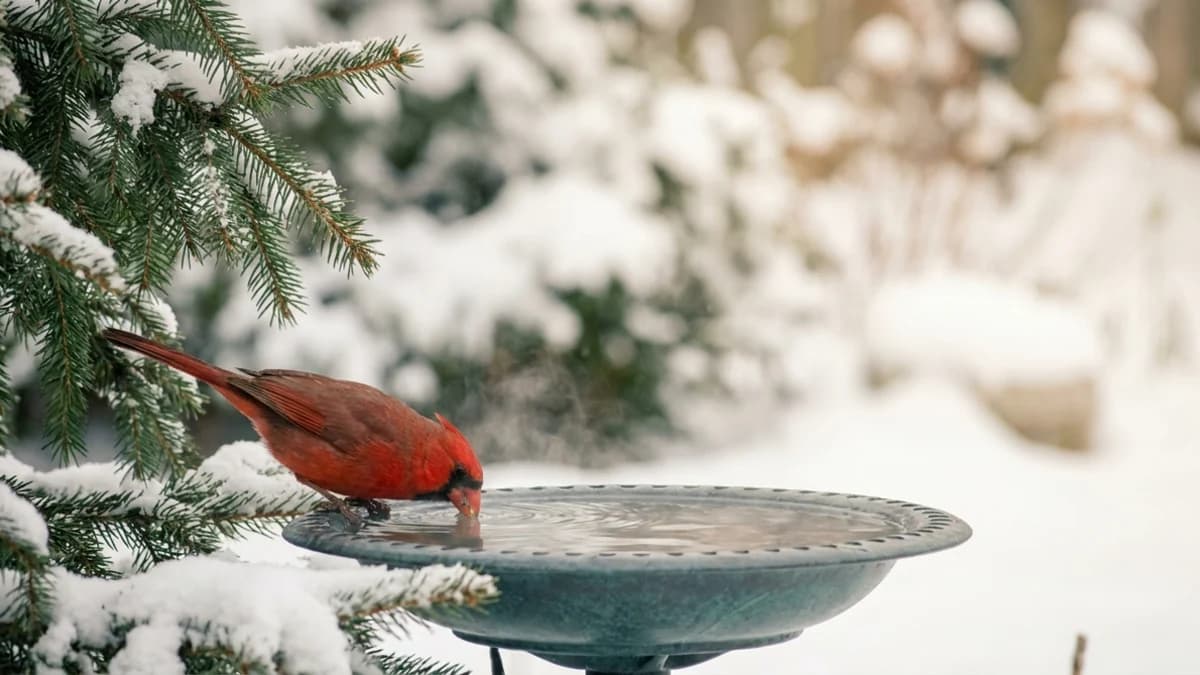
In freezing climates, open water is one of winter's scarcest resources, so a heated bath becomes a magnet when everything else locks up. In mild regions, skip it.
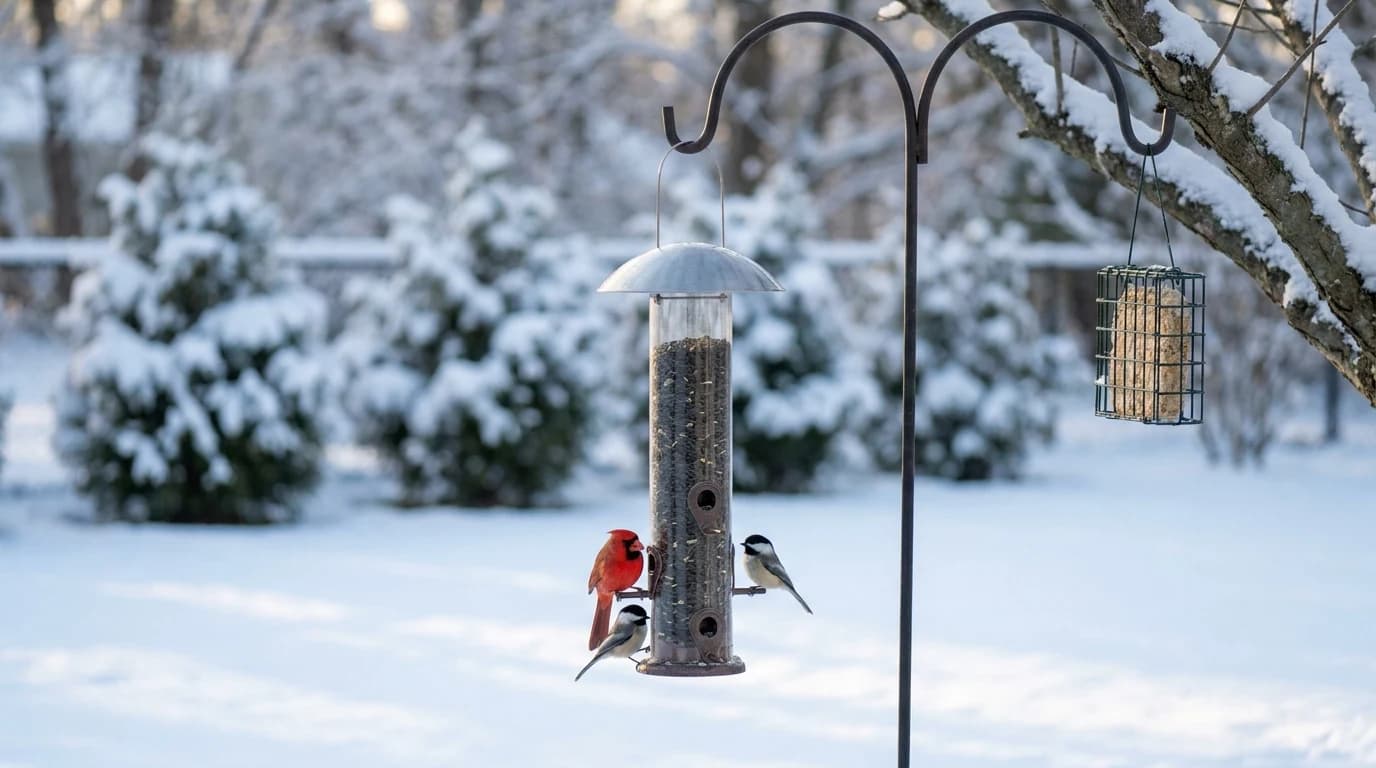
Winter feeders have four jobs: keep seed dry, carry birds through a cold snap, beat squirrels and come apart for washing. Six feeders ranked on exactly that.
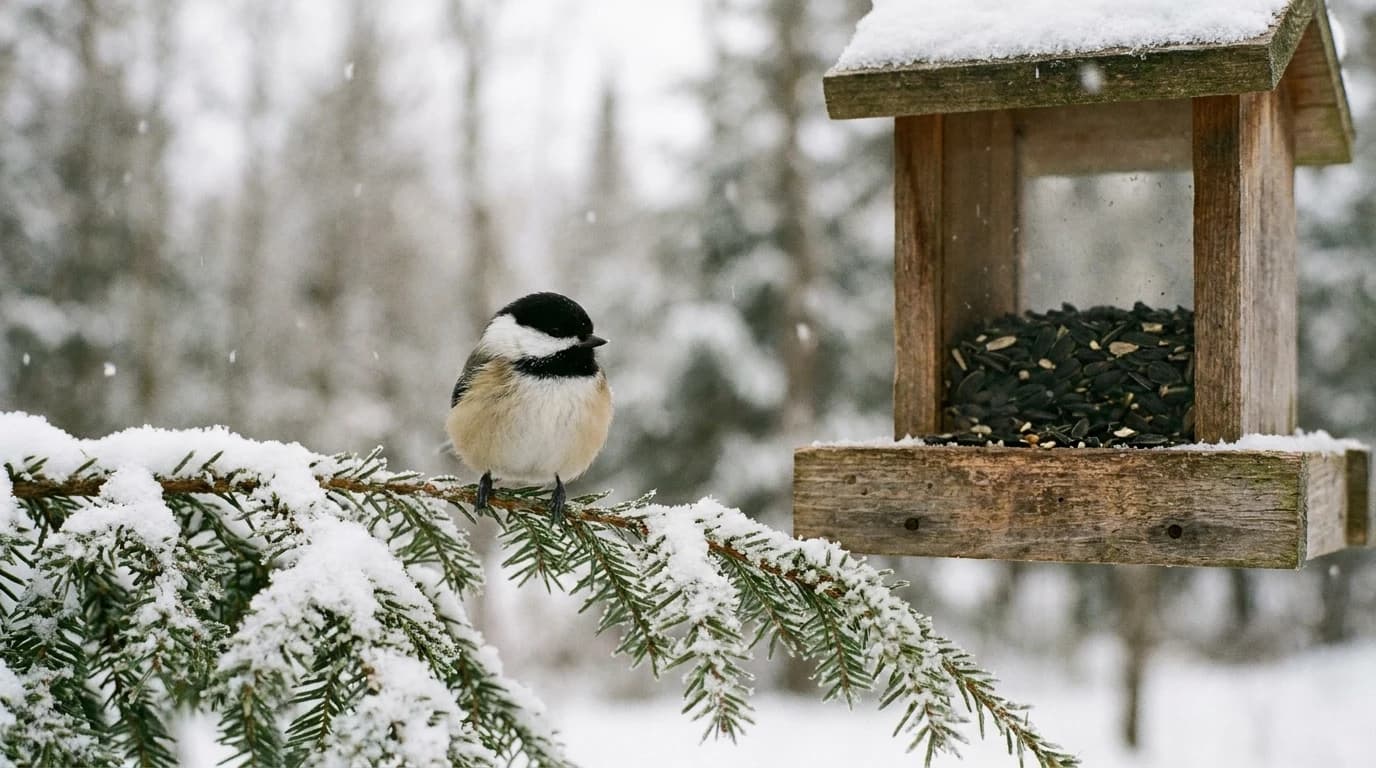
Fluffing, shivering, fat and a deliberate overnight chill keep a chickadee alive. What the long-running Wisconsin studies say your feeder adds on top.
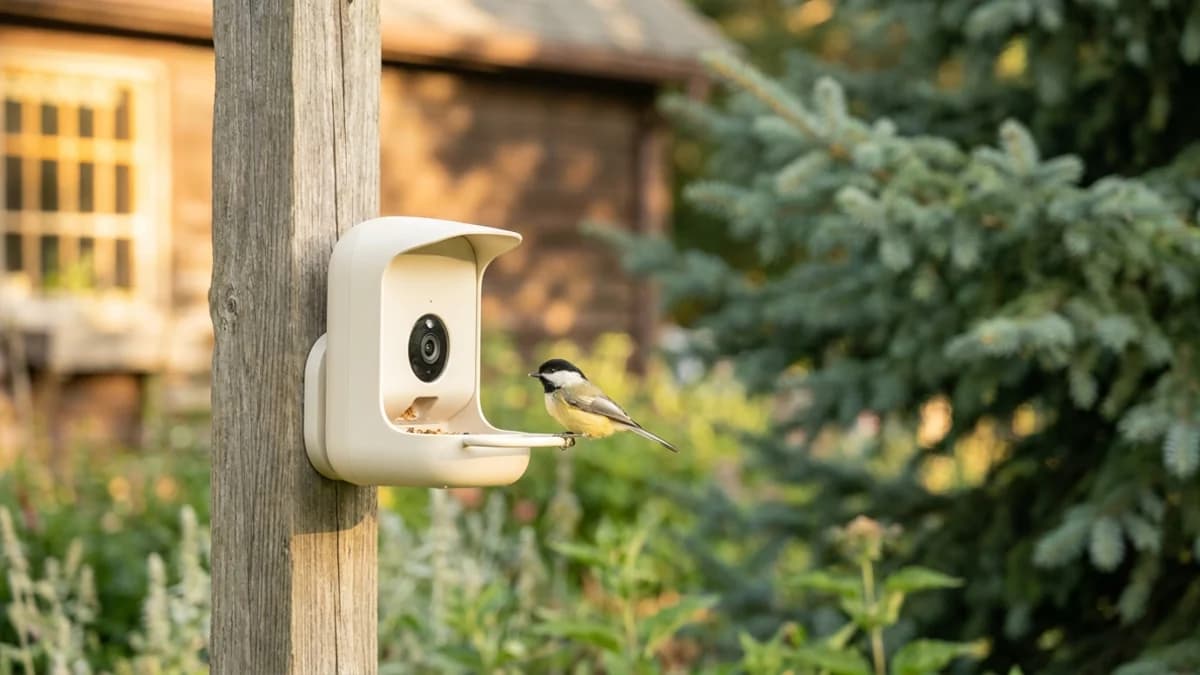
Compare the exact smart-feeder models, free camera features and paid AI plans before choosing. Current plan sources and a calculator for your own costs.
The workhorses most backyard birders start with — our top pick in each.