
Best Bird Seed and Mixes
Choose seed for your visitors, feeder and cleanup routine; compare blends and single seeds by ingredients and cost per pound.
Content updated October 21, 2026
The 30-second answer
Wagner's Black Oil Sunflower is our top-scored starting seed. Choose a mix when its ingredients suit the birds you actually see; choose hulled seed when shell cleanup matters. No-mess labels do not promise a spotless patio or a lower cost per meal. Compare the bag weights below, then watch what gets eaten.
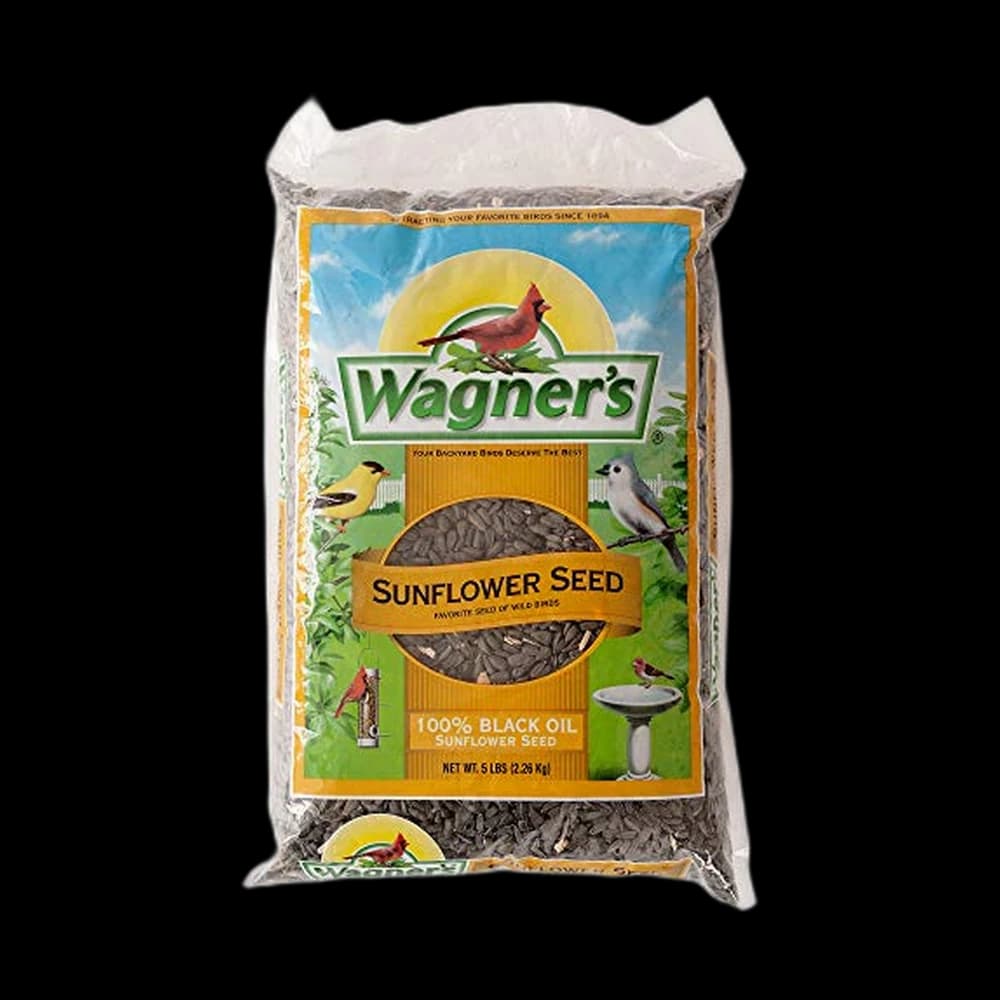
Top pickWagner's Black Oil Sunflower
Anyone starting out: black-oil sunflower draws the widest variety of birds with thin, easy-open shells.
Buy on Amazon$10.98
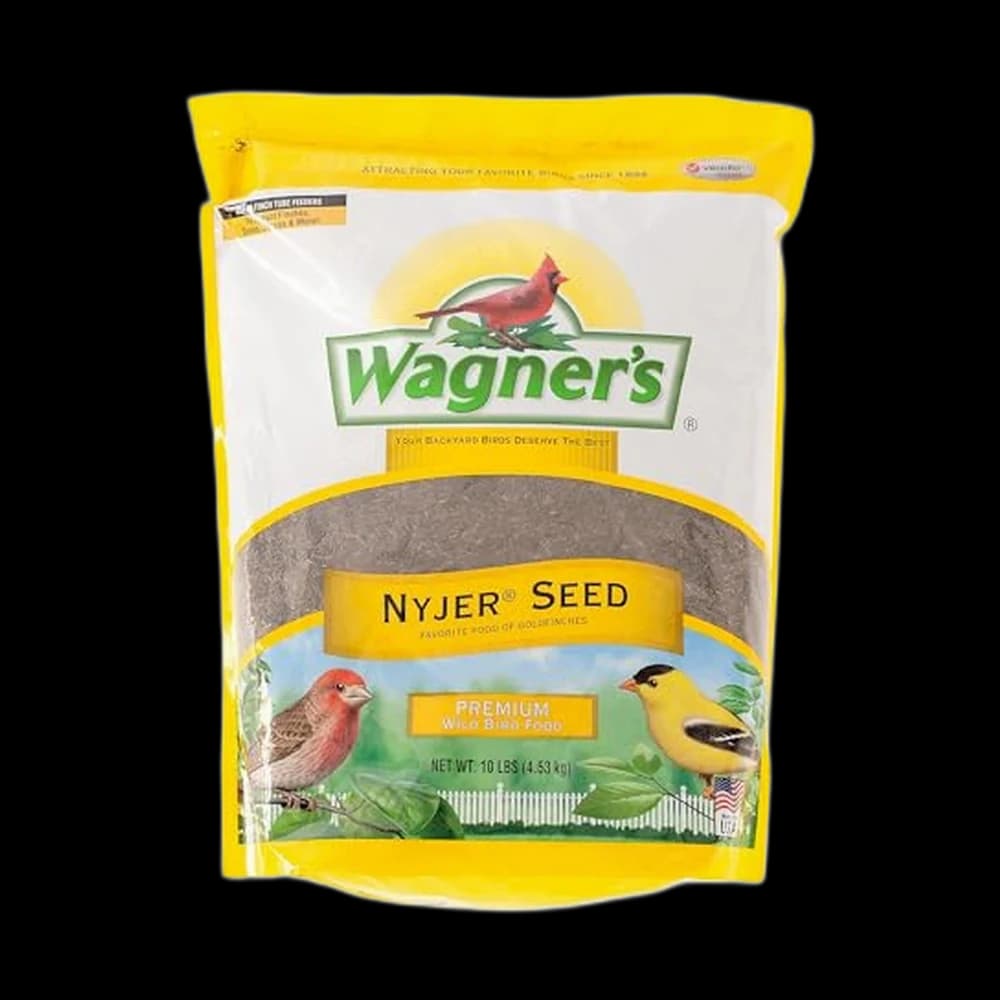
Great valueWagner's Nyjer Seed
Finch and goldfinch fans filling tube or sock feeders with fine, high-energy nyjer thistle.
Buy on Amazon$29.98
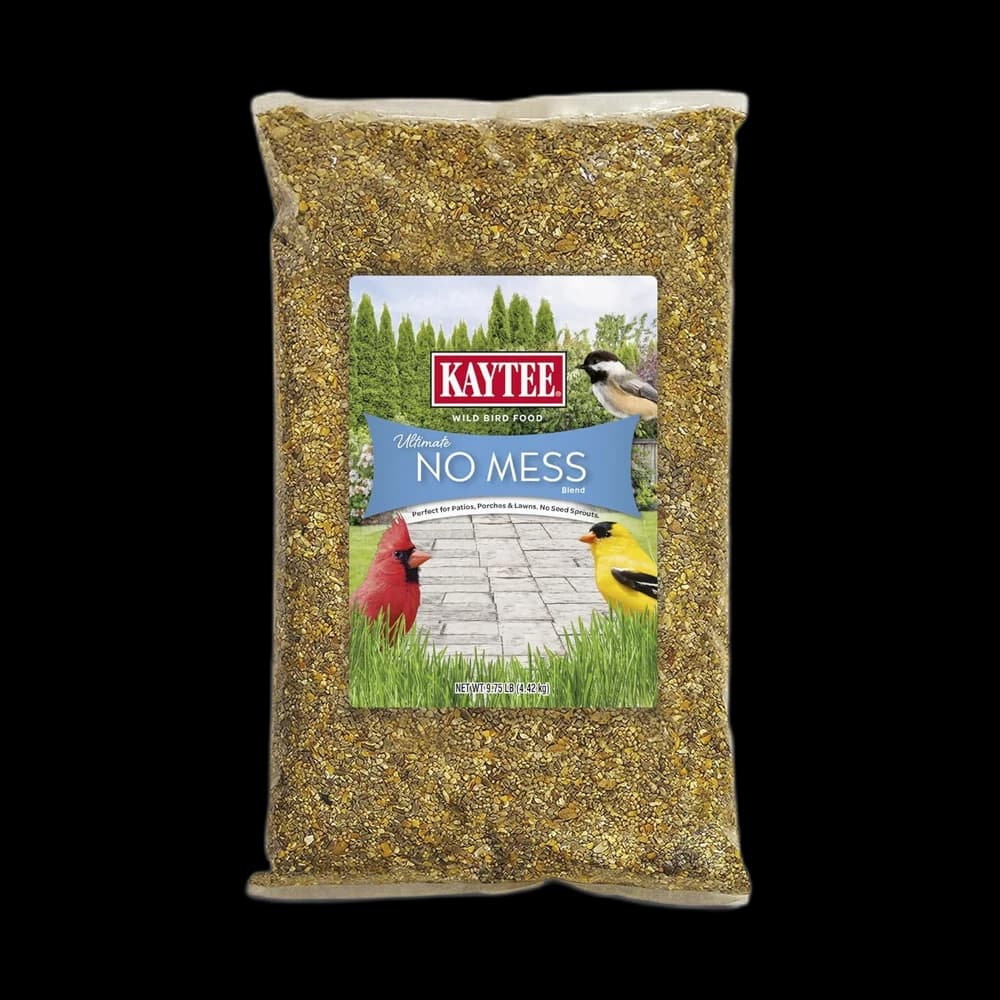
Cheapest alternativeKaytee Ultimate No Mess (9.75 lb)
Patio and deck feeders wanting fewer hulls from a sunflower-and-peanut blend; dropped food and droppings still need cleanup.
Buy on Amazon$21.99
Owner ratings come from Amazon; BirdingScore is our separate research score.
Compare two picks
Tap an unselected chip to compare it with your current right-hand pick — all 5 picks available.
BirdingScore
85/100
80/100
Skip it if
You want a tidy patio; in-shell seed leaves hulls and mess below the feeder.
You want zero waste or fillerless seed; millet and shells draw mess and occasional complaints.
Seed type
Black-oil sunflower
Mixed blend (11 ingredients, 40% sunflower)
Bag weight
5 lb
16 lb
Live cost / lb
$2.20/lb
$2.19/lb
Best for
Widest variety of birds
Variety of songbirds
No-mess / hulled
No (in-shell)
No (shells/millet)
Form
Loose seed (whole)
Loose seed
Who it's for
Backyard birders choosing a dependable first food or replacing a filler-heavy mix.
What matters when buying
- Named ingredients rather than a vague blend
- Bird species the seed actually serves
- Live cost per pound and stated bag weight
- Shell waste, sprouting, and feeder compatibility
Common mistakes
- Buying on bag price without comparing weight
- Assuming every seed in a cheap blend will be eaten
- Letting oil-rich seed sit damp or stale
How we chose: We compare stated ingredients, bag size, intended species, current owner evidence, and live price. Cost per pound is calculated from the current offer and listed weight; it does not pretend all seed is eaten equally.
The constraint-stacked answer
A blend is not automatically better than one seed. Start small, use the same feeder for a week, and note leftovers before buying a large bag. Hulled blends reduce shells but still leave dropped food and droppings. A cheaper pound is not always a cheaper meal; neither is a pricier no-mess blend automatically better value.
What we'd skip
- Lowest-price “wild bird” blends: A cheap bag is poor value when filler seed is kicked to the ground. Start with black-oil sunflower or a blend that states its ingredients.
Buying guide
How to pick the right one
Choose a single seed or a blend
| Your situation | Starting choice | Check before buying |
|---|---|---|
| You want one simple baseline | Black-oil sunflower | Expect hull cleanup; use suitable tray, hopper or seed ports |
| A mix for several visiting species | A clearly labelled sunflower-rich blend | Read the ingredient list and compare leftovers |
| A patio where shells are a problem | Hulled sunflower or a shell-free mix | Less shell litter does not mean no cleanup |
| Small finches at a dedicated feeder | Nyjer | Fine ports or mesh must hold the tiny seed |
Cornell's seed guide recommends sunflower broadly, but distinguishes white millet for ground feeders and milo for some western birds. “Filler” depends partly on the visitors and location. Hulled sunflower spoils faster when damp; offer small amounts and avoid moisture-trapping feeders.
Compare value without guessing waste
The table calculates cost per pound = current device-free seed price ÷ listed bag weight. It does not measure calories eaten, freshness, shipping differences or waste. Use it to compare bag sizes, then record what remains in your own feeder. Do not assume a shell-free bag always costs less per meal.
Try the Bird Seed Selector for a food-and-feeder match. For the cold season, read winter bird feeding and compare suet alongside seed. Start with the food you need, not a bigger shopping list.
Every pick, reviewed
85Bird
Wagner's
Wagner's Black Oil Sunflower
The one seed that draws the widest crowd.
Skip it if: You want a tidy patio; in-shell seed leaves hulls and mess below the feeder.
4.7 Amazon(2,849)$10.98
80Bird
Wagner's
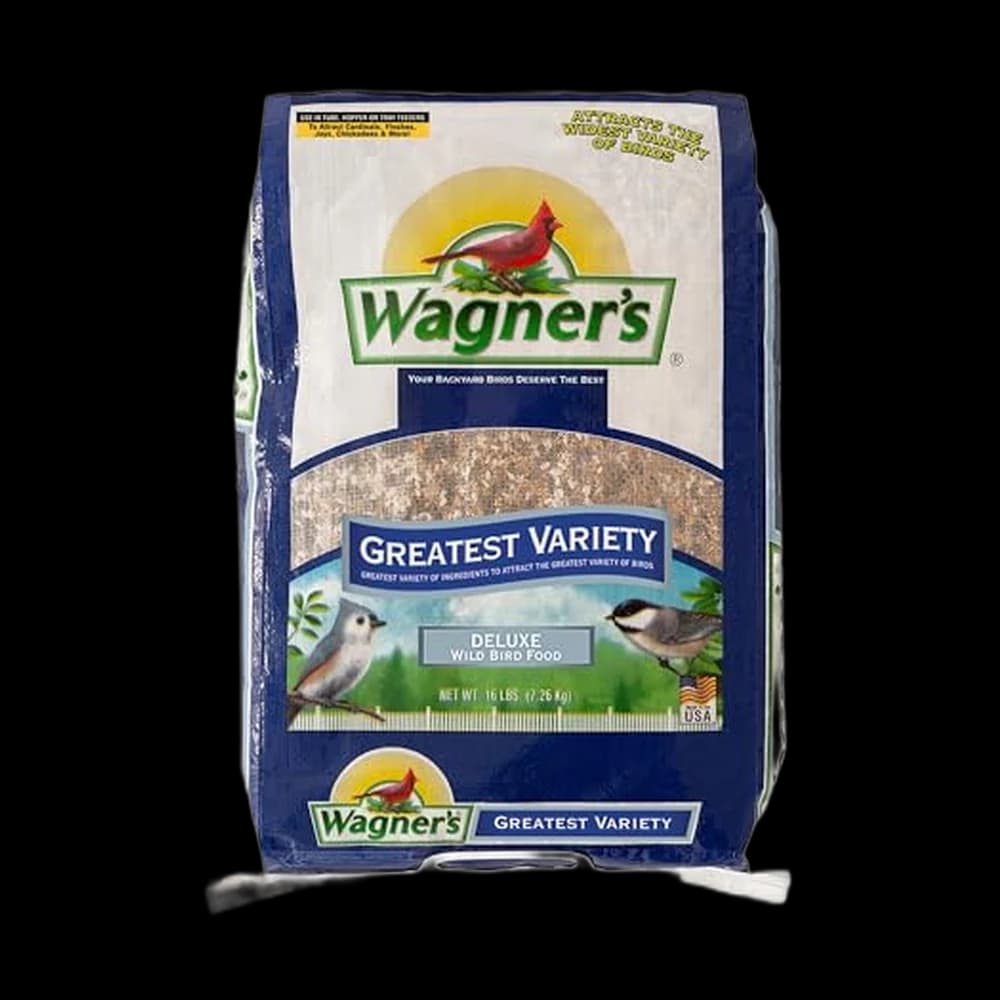
Wagner's Greatest Variety
A genuinely good all-round blend.
Skip it if: You want zero waste or fillerless seed; millet and shells draw mess and occasional complaints.
4.6 Amazon(18,350)$34.98
78Bird
Wagner's
Wagner's Nyjer Seed
The finch magnet for tube and sock feeders.
Skip it if: You want broad appeal; nyjer targets small finches and needs a proper fine-port feeder.
4.6 Amazon(5,405)$29.98
71Bird
Kaytee
Kaytee Ultimate No Mess (9.75 lb)
Shell-free blend for less hull cleanup, not a spotless patio.
Skip it if: You're cost-focused or want fillers gone entirely; some buyers question value and residue.
4.4 Amazon(7,603)$21.99
67Bird
Lyric
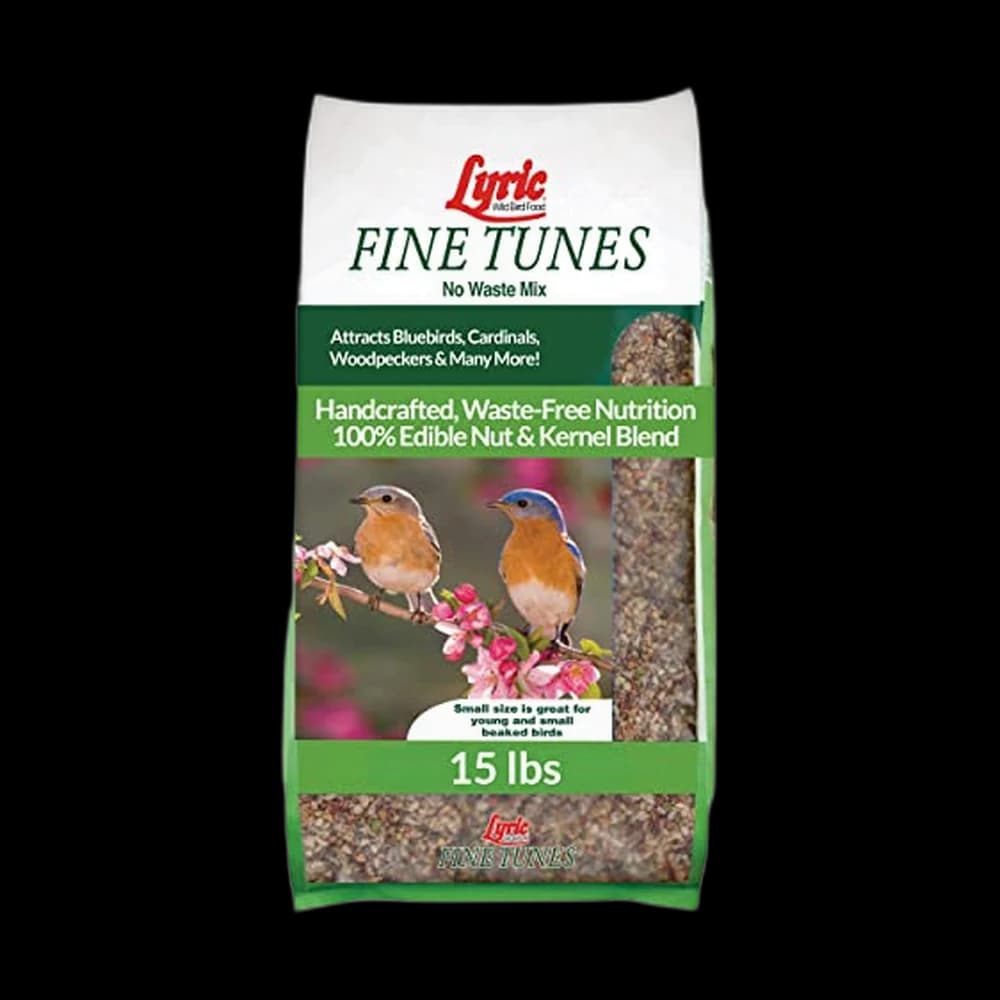
Lyric Fine Tunes No Waste
Premium no-waste mix of hearts and nuts.
Skip it if: You want budget bulk or broad appeal; it's pricey and some report low bird uptake.
4.5 Amazon(8,075)$39.04
From the birding community
What birders actually say about bird seed & blends
Recurring themes we found across 139 public discussion threads in r/birdfeeding, r/birding, read in July 2026. We summarise what comes up repeatedly and link the threads — we never quote or identify anyone, and these forums don't give us vote counts, so treat this as the shape of the conversation rather than a measured majority.
Comes up again and again
Black oil sunflower is the default answer
If you buy one seed, this is the one the community names. Thin shells and high fat content make it attractive to the widest range of feeder birds, and it is the baseline everything else gets compared against.
The recurring complaint
Bargain blends draw complaints about filler and debris
Cheap mixes are repeatedly criticised for milo, red millet and even sticks that birds throw to the ground while digging for the sunflower. The recurring advice is to read what is actually in a blend rather than buy on price per pound.
The recurring complaint
No-mess blends are not actually no-mess
People who switch expecting a clean patio report being surprised by the fine papery hull fragments that remain. Less mess than whole seed is the honest claim, not none.
The dissenting view
Regulars will tell you where to buy it cheaper
Local feed stores, farm suppliers and specialist bird shops come up often as better value and fresher than online seed, with freshness specifically flagged for nyjer, which finches reject once it has gone stale.
Guides for buying Bird Seed & Blends
How to Store Bird Seed: Keep It Dry and Pest-Free4 min readDark-eyed Junco: Identify and Feed Your Winter Visitors6 min readHow Birds Survive Winter, and What Your Feeder Adds7 min readWhy Aren't Birds Coming to My Feeder? A Calm Checklist4 min readHow to Attract Goldfinches to Your Yard4 min readBird Seed Guide: Sunflower vs Nyjer vs Suet, Compared4 min readHow to Attract Birds to Your Yard: Fast Beginner Guide4 min readHow to Attract Cardinals: Feeders, Cover & Water3 min readWhat Do Cardinals Eat? The Definitive Feeding Guide4 min read
Frequently asked
What is the best bird seed?+
Black oil sunflower, if you buy only one. Thin shells and high fat content make it attractive to the widest range of feeder birds, and it is the baseline everything else is compared against. Wagner's black oil sunflower is our top-scored pick.
Is hulled sunflower worth the extra cost?+
Hulled seed reduces shell waste, which can help on patios. Whether it saves money depends on the price, spoilage and what your birds eat. Compare usable food and cleanup, not a guaranteed cost-per-meal saving. Keep portions small and dry.
Why do birds throw my seed on the ground?+
Birds select among ingredients, but scattering can also happen while handling food. Watch which ingredients remain before changing blends. White millet suits many ground-feeding birds; milo also has regional users. No-mess mixes still leave dropped food and droppings.
What is the best bird seed mix for my feeder?+
Choose by ingredients and visitors. A sunflower-rich blend is a broad starting point; a shell-free blend reduces patio hulls; nyjer needs fine feeder ports. Test a small bag first and compare the live cost per pound below.
Sources & research (31)Show
- University of Minnesota Extension: pantry pests in stored food — Specifically names birdseed as susceptible to pantry insects; supports stock rotation, inspecting packages, closed containers and discarding infested material.
- Project FeederWatch: reasons to keep seed dry — Summarizes a study of Trichomonas gallinae persistence in wet versus dry seed, not a fungal-growth study.
- Audubon: backyard bird-feeding hygiene — Recommends cool, dry seed storage in secure metal cans against mice and squirrels, and warns about mold in damp seed.
- Cornell Lab: Dark-eyed Junco identification — Field marks and broad regional forms.
- Cornell Lab: Dark-eyed Junco life history — Seed preferences and ground-foraging behavior.
- Audubon: Dark-eyed Junco field guide — Mixed winter flocks and resident versus migratory populations.
- Project FeederWatch: feeder types — Low platforms, drainage and feeder-design guidance.
- Project FeederWatch: feeding birds — Cleaning, water and placement guidance.
- U.S. Fish & Wildlife Service — How do birds keep warm in the winter? — Chickadees keep a 100°F body temperature at 0°F air and eat more than 35% of body weight daily; preening and air-trapping feathers; tree swallows huddle; nuthatches, titmice and Downy Woodpeckers roost in cavities and boxes; countercurrent heat exchange in waterfowl legs; suet, peanuts, black-oil sunflower and heated baths as winter help
- Audubon Magazine — How Do Birds Cope With Cold Winter Weather? — Fluffing creates air pockets that trap heat; huddling; fat can exceed 10% of winter body weight in small birds like chickadees and finches; caching by chickadees, nuthatches and woodpeckers
- Jung et al. (2026) — Black-capped chickadees use rapid facultative hypothermia to reduce fat loss overnight, Journal of Comparative Physiology B — Abstract: 10 wild chickadees at 20°C vs 3°C; most showed lower body temperature and greater fat loss at 3°C; larger temperature drops meant lower overnight fat loss; some individuals did not drop
- Brittingham & Temple (1988) — Impacts of Supplemental Feeding on Survival Rates of Black-Capped Chickadees, Ecology 69 — Abstract: 418 fed vs 158 unfed chickadees, winters 1982 to 1985; monthly survival 95% vs 87%, overwinter 69% vs 37%, +0.13 g body mass; differences mainly in months with more than 5 days below −18°C
- Conservation Evidence — summary of Brittingham & Temple (1992), Does winter bird feeding promote dependency? Journal of Field Ornithology 63 — After feeder removal at a site fed for 25 winters, 49 previously fed chickadees had 84% monthly survival vs 85% for 35 never-fed controls
- Virginia Cooperative Extension — Feeding Wild Birds: Should People Feed Birds and What's Best to Feed Birds? — Cites Brittingham and Temple 1992 for chickadees taking only 21% of daily energy needs from feeders
- Hawkshaw & Mathot (2026) — Small changes in daytime body temperature in black-capped chickadees in response to supplemental food, Ecology and Evolution — 15 chickadees; lower subcutaneous temperature in colder weather, strongest when the feeder was empty; effects small
- Nilsson et al. (2020) — Predictability of food supply modulates nocturnal hypothermia in a small passerine, Biology Letters — Great tits: females without a predictable food supply entered deeper nocturnal hypothermia; males unchanged
- Cornelius et al. (2017) — Chickadees faced with unpredictable food increase fat reserves but certain components of their immune function decline, Physiological and Biochemical Zoology — Captive chickadees on unpredictable food carried more body and fat mass, with some immune components reduced
- Penn State Extension — Winter Bird Feeding: The Basics — Black-oil sunflower as best all-round seed for its high oil content; winter cold can mean drought for birds; heaters keep water open
- Common Feeder Birds | Project FeederWatch (Cornell Lab) — Which species commonly use feeders and which foods, especially black-oil sunflower, draw the widest range of backyard birds
- American Goldfinch Life History | All About Birds (Cornell Lab) — Supports the goldfinch diet of nyjer/thistle and sunflower, their strictly granivorous vegetarian feeding, late-summer nesting timed to thistle seed, and flocking behavior.
- Food Types (Project FeederWatch) — Cornell FeederWatch reference backing black-oil sunflower as the widest-appeal seed, nyjer for finches, and suet for woodpeckers.
- Milo (Project FeederWatch Food Types) — Backs the claim that milo/sorghum is a low-preference filler most backyard birds reject, especially in the East.
- Hulled Sunflower Seeds (Project FeederWatch Food Types) — Supports the no-mess / no-waste value of hulled seed blends for patios and balconies.
- Feeding Birds: A Quick Guide to Seed Types | All About Birds (Cornell Lab) — Black-oil sunflower's thin shell and high fat draw the widest variety of birds; cheap mixes are padded with filler birds reject.
- Think You Have a Bird-Friendly Backyard? Think Again. | Audubon — Background on backyard bird safety; current window-treatment advice is linked separately and supersedes older distance-only guidance.
- Preventing Disease: What's the Best Way to Clean Your Bird Feeders? | Project FeederWatch (Cornell Lab) — Backs cleaning feeders every ~1-2 weeks with a dilute bleach soak to prevent salmonella and other feeder-borne disease.
- To Support Nesting Eastern Bluebirds, Plant Native | NestWatch (Cornell Lab) — Supports 'plant native' advice — native plants host the insects that feed nestlings.
- Why Birds Hit Windows—and How You Can Help Prevent It | Cornell Lab — Explains why glass remains hazardous at any distance and why exterior treatments take priority over old safe-zone rules.
- Northern Cardinal Life History | All About Birds (Cornell Lab) — Backs cardinals' cone bill for cracking seeds, preference for black-oil sunflower, and nesting in dense shrubs/tangles.
- Northern Cardinal | Audubon Field Guide — Supports habitat/cover needs and year-round non-migratory range across the US and Canada.
- Northern Cardinal — Diet and Foraging | Birds of the World (Cornell Lab) — Peer-edited authority on cardinal foods (seeds, fruit, insects) supporting the food recommendations.
Keep narrowing the choice
Prices and ratings shown are the most recent values we pulled from affiliate retailers and refresh on a recurring cycle; confirm the live price before buying. See how we score.