
How to Attract Goldfinches to Your Yard
American Goldfinches are one of the easiest, cheeriest birds to bring in. A little fresh nyjer seed, the right feeder, and some patience is really all it takes.
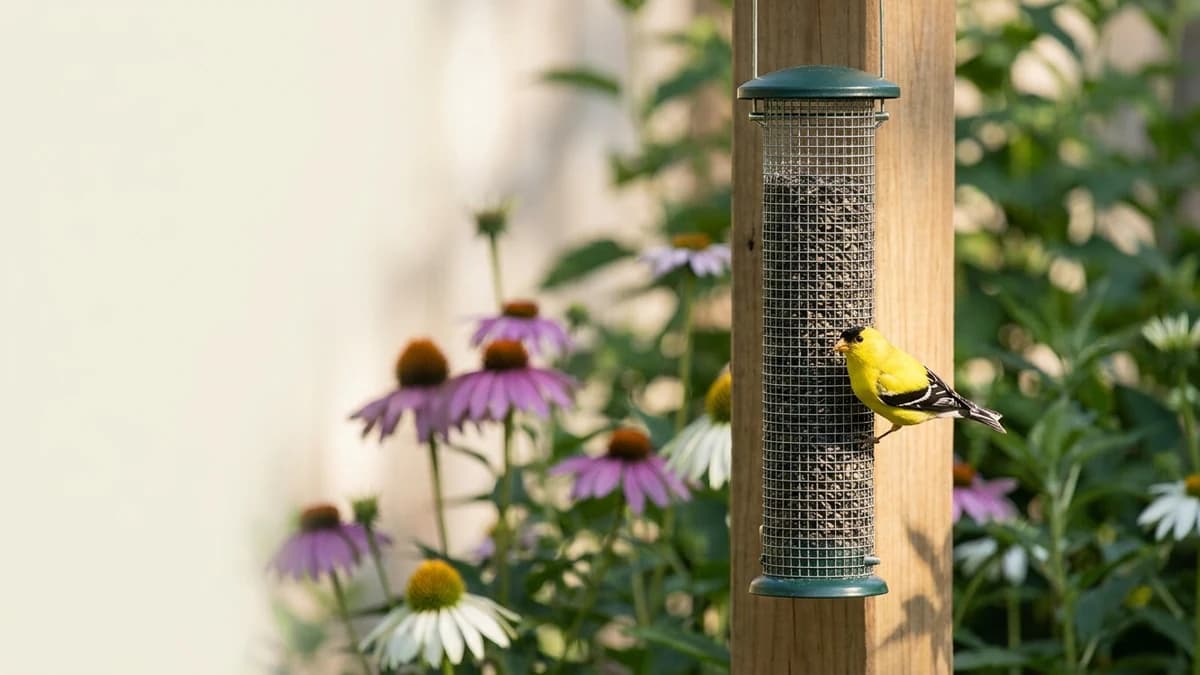
Key takeaways
- Nyjer (thistle) seed in a small-port finch feeder is the number one draw for goldfinches, with black-oil sunflower and sunflower hearts close behind.
- Nyjer dries out and goldfinches will reject stale seed, so replace it every few weeks and buy it in small amounts.
- The dull olive bird at your feeder in winter is the same American Goldfinch as the bright yellow one from summer, just in its off-season plumage.
- Water and a few native seed-bearing plants like coneflowers and sunflowers make your yard a place goldfinches want to stay.
Pick by your situation
| If your situation is… | Pick | Why |
|---|---|---|
| You want the single most effective first step | A nyjer feeder with fresh thistle seed | Nyjer is the top goldfinch draw, and a small-port finch feeder is built for their beaks and clinging habit. |
| Your finch feeder is full but no birds are visiting | Dump the old nyjer and refill with fresh | Nyjer dries out and goldfinches reject stale seed even when the feeder looks full. |
| You want goldfinches to stay and nest nearby | Leave coneflowers, thistles, and sunflowers to go to seed | Goldfinches are late nesters that rely on seed heads and thistle down in mid to late summer. |
| You want to attract a flock rather than a single bird | A tube or mesh feeder with several perches plus water | Goldfinches feed in flocks and cling to feeders, so multiple perches and a bird bath invite the whole group. |
A shortcut by situation — start from the row that sounds like you.
American Goldfinches might be the most beginner-friendly bird you can invite to your yard. They are common across most of North America, they travel in chatty little flocks, and they have a real weakness for one specific, inexpensive seed. If you have ever wanted a splash of lemon-yellow at your window, this is a great place to start. No special skills required.
Meet the American Goldfinch
In summer, the males are unmistakable: bright canary-yellow bodies, black caps, and black-and-white wings. Females are a softer yellow. Then winter arrives and something confusing happens for a lot of new birders — the bright birds seem to vanish and are replaced by drab, olive-brown ones.
Nothing has gone wrong: it is the exact same bird. Goldfinches molt into muted plumage for the colder months, so the plain little finch at your feeder in January is your summer goldfinch in a winter coat.
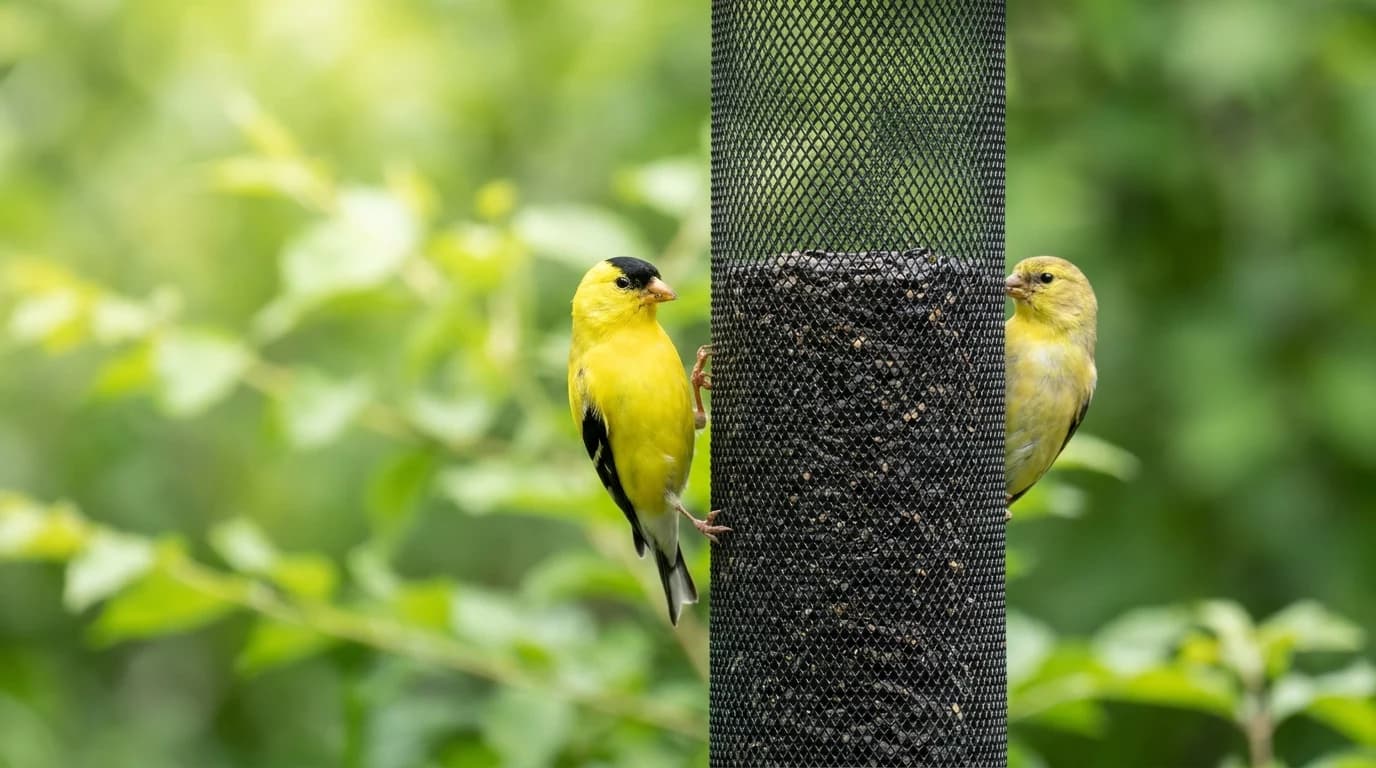
Goldfinches are also one of the few strictly vegetarian songbirds. They are granivores, meaning they eat seeds almost exclusively, even feeding seeds to their young. That single fact shapes everything about attracting them.
The number one draw: nyjer seed
If you offer just one thing, make it nyjerTiny black thistle-like seed that finches love; needs a fine-port 'nyjer feeder'., sometimes sold as thistle seed.
- Nyjer (thistle) first. Goldfinches love it, and it is the one seed worth building the setup around.
- A dedicated nyjer or finch feeder, with very small ports sized for their small beaks and their habit of clinging while they feed.
- A tube or mesh body with several perches — they feed in flocks, and extra perches keep the peace.
Our tube feeders guide walks through the styles that work best, and Wagner's nyjer (on Amazon) is the nyjer in our bird seed picks. Black-oil sunflower seed and sunflower hearts are the strong runners-up, and many people offer both. For the full rundown on how these seeds compare, see our bird seed guide covering sunflower, nyjer, and suet, or let our seed selector tool point you to the right mix.
Stale nyjer is the mistake almost everyone makes
Nyjer is an oil-rich seed that dries out over time, and goldfinches will simply stop eating it once it goes stale, even if the feeder still looks full.
What actually fixes an untouched finch feeder:
- Buy nyjer in small quantities rather than the giant sack.
- Store it somewhere cool and dry.
- Replace whatever is in the feeder every few weeks, and clean the feeder when you refill it.
What people assume instead:
- That there simply aren't goldfinches around — old seed is the likelier culprit.
- That a full feeder means a fresh one.
Our guide on how to clean a bird feeder covers the simple routine. Fresh seed in a clean feeder is most of the battle.
What goldfinches want at a glance
| What they want | The goldfinch-friendly pick |
|---|---|
| Seed | Nyjer (thistle) first, then black-oil sunflower and sunflower hearts |
| Feeder | Nyjer or finch feeder with small ports; tube or mesh so they can cling |
| Plants | Coneflowers, native thistles, and sunflowers left to go to seed |
| Water | A shallow bird bath with fresh water for drinking and bathing |
Water and native plants seal the deal
Feeders bring goldfinches in, but water and plants make them stay. A shallow bird bath is a reliable draw for drinking and bathing. If you do not have one yet, our guide on attracting birds with a bird bath covers placement and upkeep.
Plants matter just as much. Goldfinches naturally forage on seed heads, so a few coneflowers, native thistles, and sunflowers left standing rather than deadheaded give them a wild buffet.
Why they nest so late: the Cornell Lab notes goldfinches wait to breed until mid to late summer, timing their nesting to the abundance of thistle down and seed, which they use for both food and nest material. Leaving some plants to go to seed in late summer is one of the kindest things you can do for them.
Give it time
Goldfinches travel in flocks and take their time discovering a new feeder, so do not worry if week one is quiet. Once a single bird finds your fresh nyjerTiny black thistle-like seed that finches love; needs a fine-port 'nyjer feeder'., its companions tend to follow. If a few weeks pass with no visitors at all, our guide on why birds aren't coming to your feeder can help you troubleshoot.
Want to bring in more color while you wait? The same welcoming setup pairs beautifully with our guides on how to attract cardinals and the broader how to attract birds to your yard. Every bird is a good bird, and goldfinches are a wonderful place to begin.
Useful gear for this guide
Optional, subject-matched picks from our live catalog—not a requirement for doing the advice above.
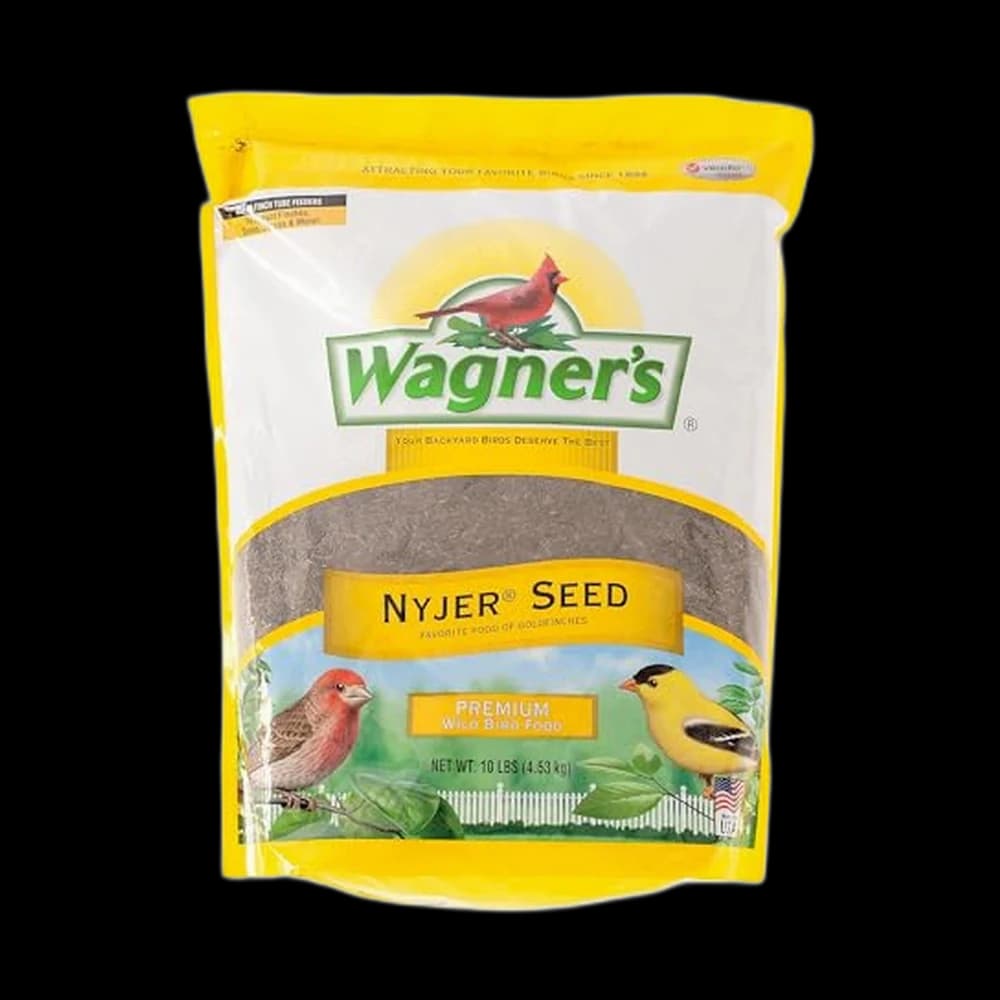
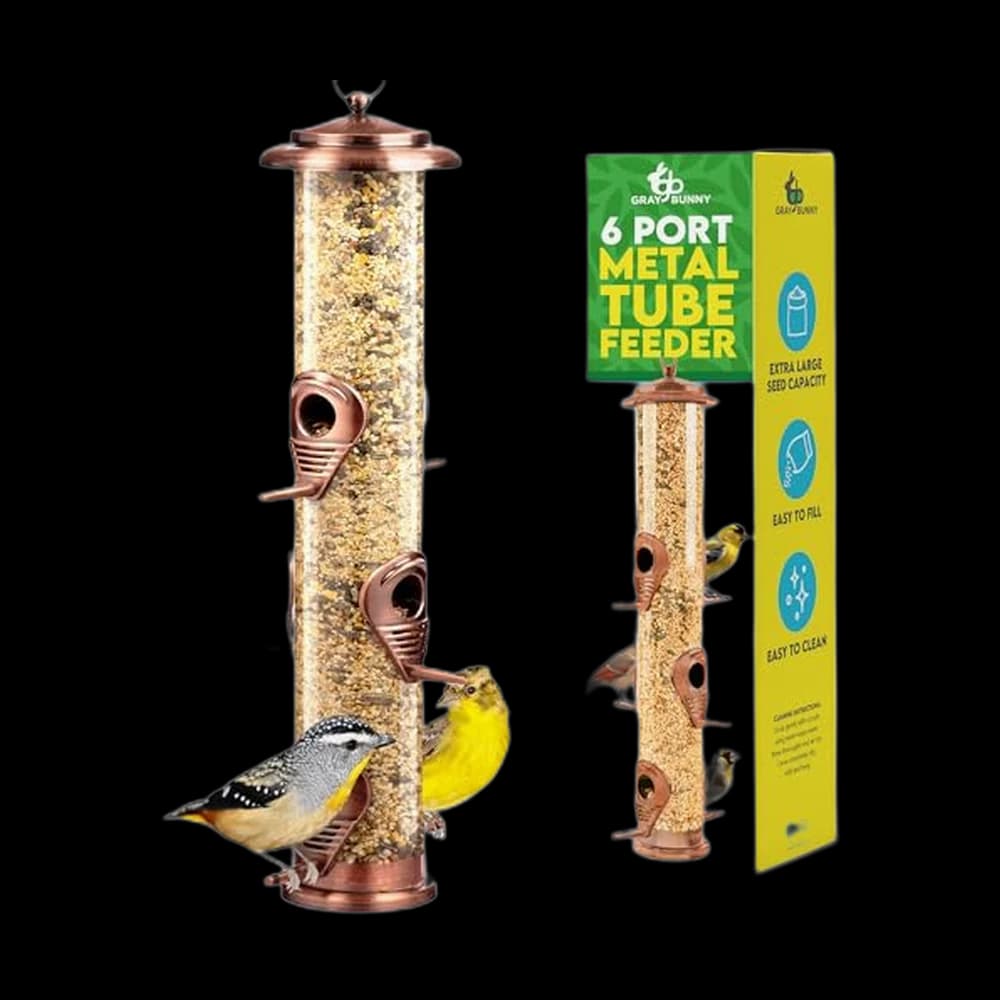
Goldfinches come down to one thing: the right seed.
Frequently asked
What is the best seed to attract goldfinches?+
Nyjer, also sold as thistle seed, is the top choice for goldfinches. Offer it in a small-port finch feeder. Black-oil sunflower seed and sunflower hearts are excellent second options, and many people put out both.
Why did my bright yellow goldfinches turn dull and brown?+
They did not leave, and nothing is wrong. American Goldfinches molt into muted olive-brown plumage for the winter and return to bright yellow in spring. The drab bird at your winter feeder is the same goldfinch you saw in summer.
Why are goldfinches ignoring my nyjer feeder?+
The most common reason is stale seed. Nyjer dries out and goldfinches reject it even when the feeder looks full. Replace the seed every few weeks, buy it in small amounts, and clean the feeder at each refill.
When do goldfinches nest?+
Goldfinches are late nesters, breeding in mid to late summer. They time it to the ripening of thistles and other seed-bearing plants, using the down and seeds for nesting material and food. Leaving native plants to go to seed helps them.
Do goldfinches eat insects?+
Almost never. Goldfinches are among the few strictly vegetarian songbirds, eating seeds almost exclusively and even feeding seeds to their chicks. That is why a good seed supply matters so much for attracting them.
Sources & further reading
We research from primary and authoritative sources. Where our guidance rests on a fact, here's where it comes from.
- American Goldfinch Life History | All About Birds (Cornell Lab) — Supports the goldfinch diet of nyjer/thistle and sunflower, their strictly granivorous vegetarian feeding, late-summer nesting timed to thistle seed, and flocking behavior.
Prices and BirdingScores reflect our most recent research and refresh on a cycle; confirm the live price before buying. We may earn a commission from affiliate retailers — it never changes our recommendations. See how we review.