
What Do Cardinals Eat? The Definitive Feeding Guide
Cardinals love black-oil sunflower and safflower seeds, plus peanuts, cracked corn, berries, and summer insects. Here's exactly what to feed them.
The short answer
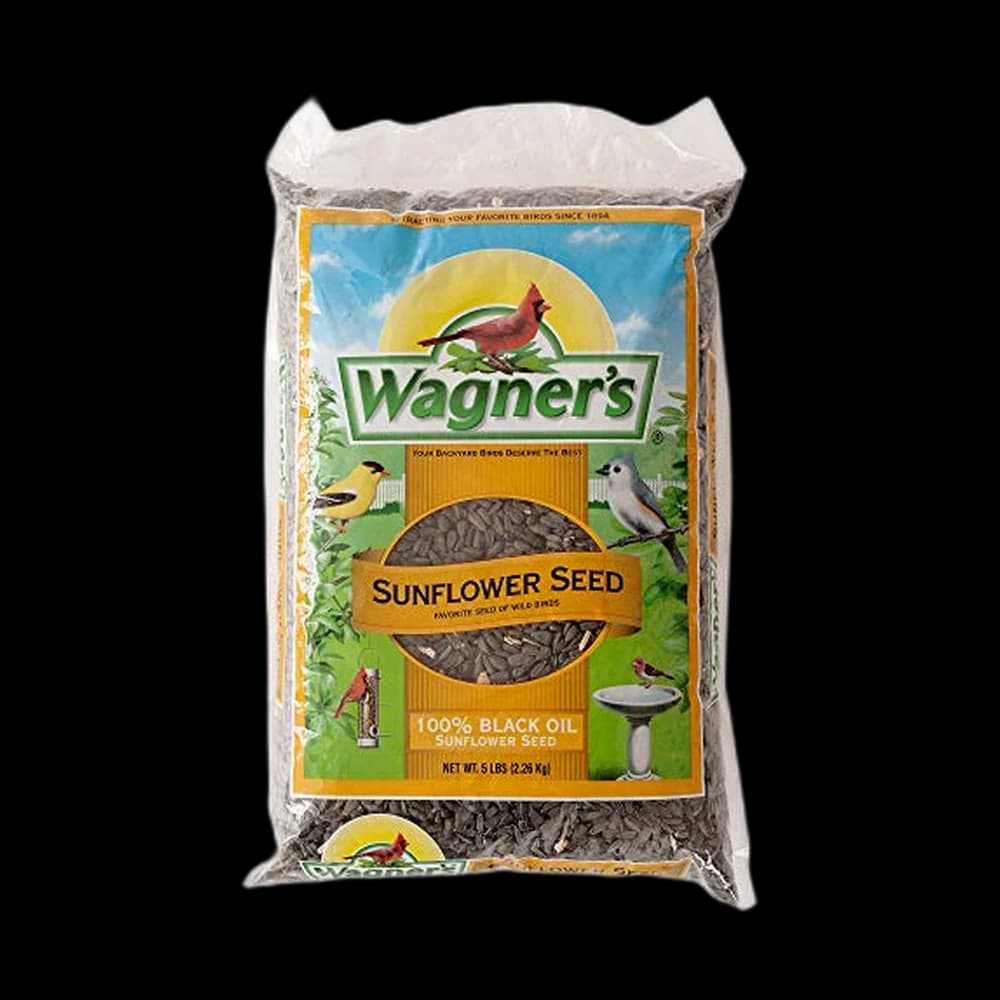
- Anyone starting out: black-oil sunflower draws the widest variety of birds with thin, easy-open shells.
- You want a tidy patio; in-shell seed leaves hulls and mess below the feeder.
Key takeaways
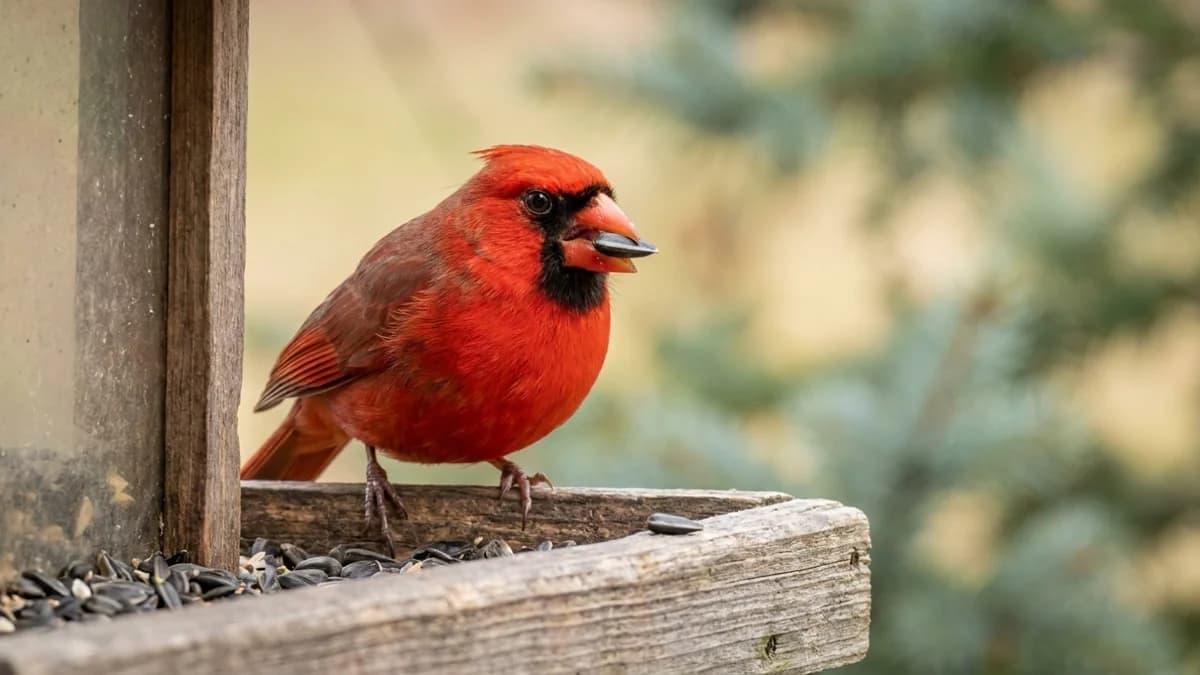
- Black-oil sunflower is the #1 cardinal food. Its thin shell and rich kernel are exactly what a cardinal's heavy bill is built to crack.
- Safflower is the pro move. Cardinals love it, but squirrels and grackles usually don't, so it doubles as a pest deterrent.
- Their diet shifts by season. Seeds and fruit dominate cold months; insects become a big part of summer feeding, especially for chicks.
- Feeder style matters. Cardinals need room to perch, so hoppers, platforms, and ground feeding beat tiny clinging tubes.
Pick by your situation
| If your situation is… | Pick | Why |
|---|---|---|
| If you want to attract cardinals with one seed | Black-oil sunflower in a hopper or tray feeder | It's their favorite and works in every season |
| If squirrels and grackles keep raiding the feeder | Switch part of your offering to safflower seed | Cardinals love it while most pests avoid it |
| If you're feeding cardinals in summer | Keep seed out but expect more insect foraging | Adults and nestlings rely heavily on insect protein in the breeding season |
A shortcut by situation — start from the row that sounds like you.
Bird Seed & Blends: our picks
| Pick | Best for | Rating | Price | |
|---|---|---|---|---|
| TopWagner's 52023 Black Oil Sunflower Seed Wild Bird Food, 5-Pound Bag | The one seed that draws the widest crowd. | ★ 4.7 Amazon | $10.98 | Buy on Amazon |
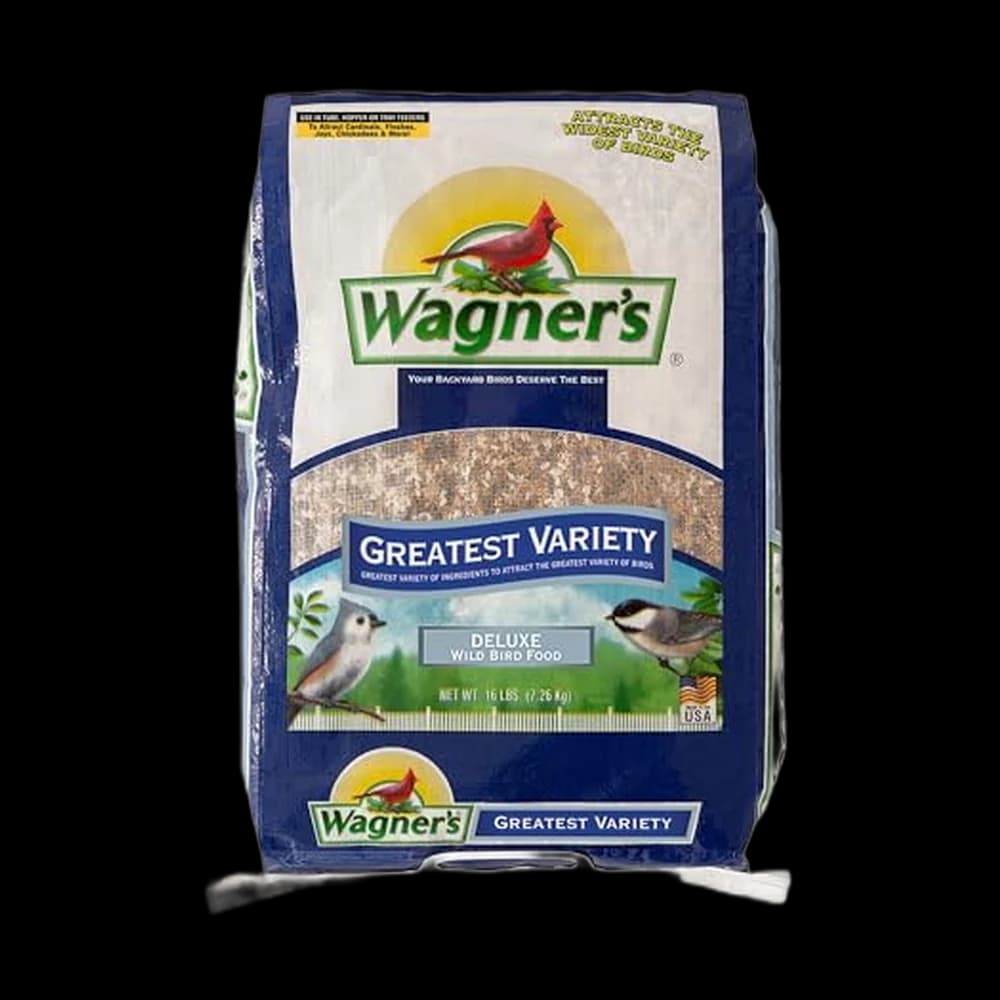 Wagner's 62059 Greatest Variety Blend Wild Bird Food, 16-Pound Bag Wagner's 62059 Greatest Variety Blend Wild Bird Food, 16-Pound Bag | A genuinely good all-round blend. | ★ 4.6 Amazon | $34.98 | Buy on Amazon |
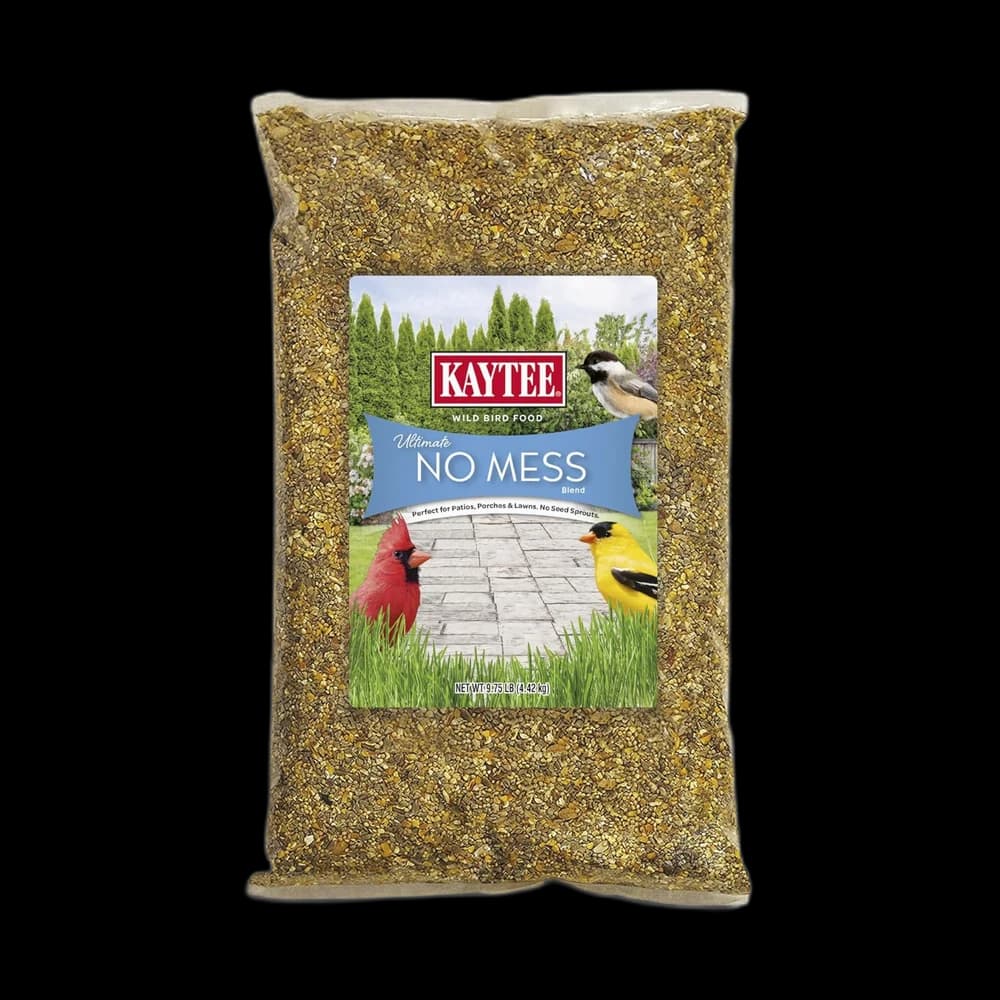 Kaytee Ultimate No Mess Wild Bird Seed, 9.75 Pounds Kaytee Ultimate No Mess Wild Bird Seed, 9.75 Pounds | Shell-free blend for less hull cleanup, not a spotless patio. | ★ 4.4 Amazon | $21.99 | Buy on Amazon |
Seed is the constant; the rest of a cardinal's menu follows the season — insects carry spring and summer, berries carry fall and winter. So the feeder half is simple: fill a hopper or tray with black-oil sunflower, give cardinals room to perch, and you've done 90% of the job. Add safflower when squirrels, starlings or grackles are emptying it, because many of them avoid it.
This is the anchor guide for our species-by-species feeding series — bookmark it, then branch out to the birds you want next.
The cardinal's favorite foods
Northern cardinals have a thick, cone-shaped bill built to crack seeds. That shapes what they'll happily eat.
- Black-oil sunflower seed — the top pick, easy to open and calorie-dense.
- Safflower seed — a cardinal favorite that many squirrels, starlings, and grackles avoid.
- Peanuts — shelled peanut pieces are a rich, welcome treat.
- Cracked corn — cheap filler cardinals will take, especially on the ground.
- Sunflower hearts/chips — no shells, no mess, and cardinals love them.
- Berries and fruit — dogwood, mulberry, sumac, and grapes, mostly fall and winter.
- Insects — beetles, crickets, caterpillars, and cicadas, heavily in spring and summer.
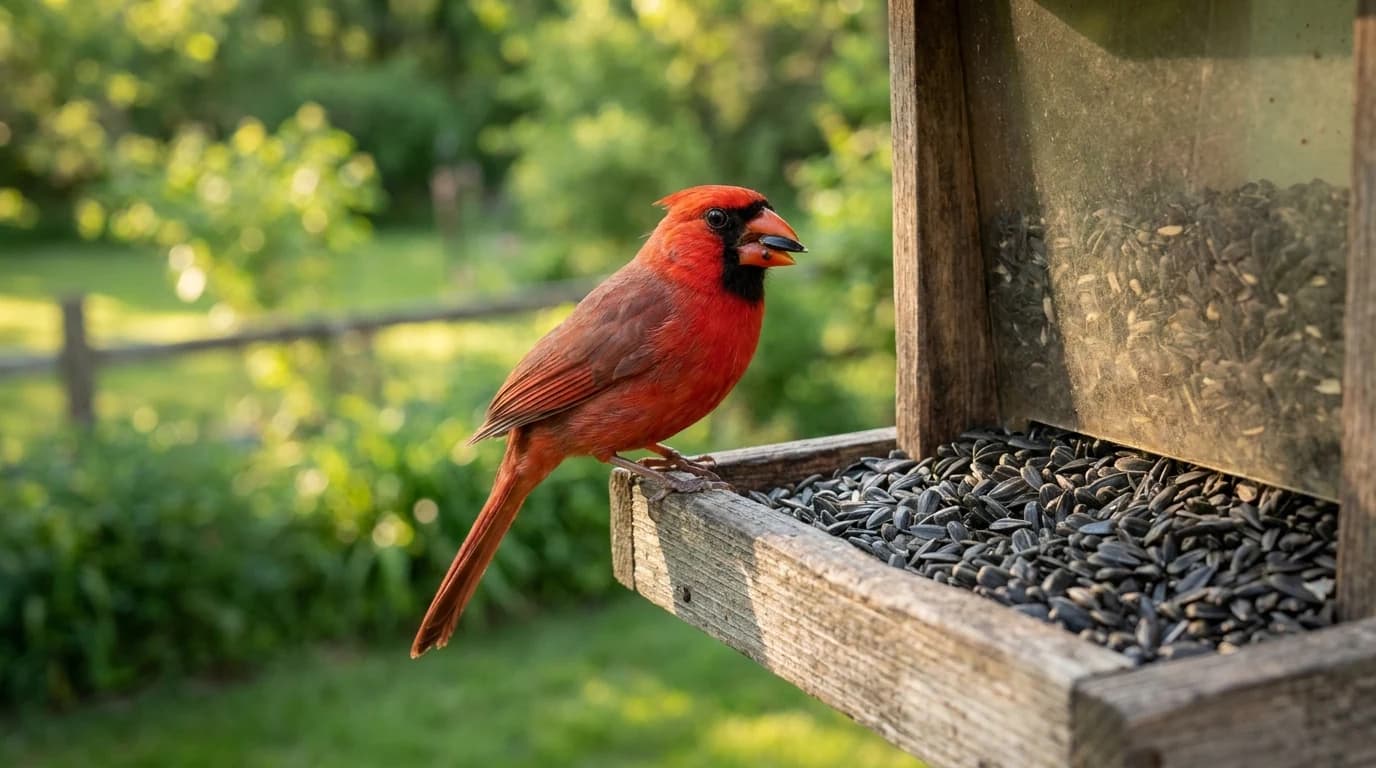
Cardinal food chart by season
| Food | Why cardinals eat it | Best season |
|---|---|---|
| Black-oil sunflower | Thin shell, high fat, easy to crack | Year-round |
| Safflower | Loved by cardinals, ignored by many pests | Year-round |
| Peanuts (shelled) | Rich protein and fat | Fall, winter |
| Cracked corn | Cheap energy, eaten on the ground | Winter |
| Berries and fruit | Natural sugars and moisture | Fall, winter |
| Insects | Protein for adults and nestlings | Spring, summer |
The best seed to start with
If you buy one bag, make it black-oil sunflower. It draws the widest crowd and cardinals are near the front of the line. The Wagner's Black Oil Sunflower Seed is a straightforward, well-reviewed option to anchor your feeder.
Want fewer squirrels and grackles muscling in? Add safflower as a second feeder. Cardinals cross over to it readily while many pests turn up their noses.
Pro tip: feed cardinals at dawn and dusk. They're among the first birds at the feeder in the morning and the last to leave at night, so keeping seed topped up at those hours gives you the best views.
What feeder do cardinals prefer?
Cardinals are relatively large and need a stable place to perch. Feeder choice matters as much as seed choice.
Feeders they'll settle into:
- Hopper feeders — a wide, sheltered ledge cardinals love.
- Platform/tray feeders — open and roomy, ideal for a heavy-bodied bird.
- Ground feeding — cardinals naturally forage on the ground, so a little scattered seed below the feeder works well.
Feeders they'll give up on:
- Small clinging feeders — tiny perches and finch-sized ports frustrate them.
Feeding cardinals through the year
Winter and spring: seed does the work
Keep sunflower and safflower stocked through winter; cardinals rely on feeders most when natural food is scarce. In spring, continue seed, but expect adults to start hunting insects as they pair up and nest.
Summer and fall: insects, then fattening up
Insects and fruit rise in importance in summer, so you may see slightly fewer feeder visits — that's normal. Come fall, cardinals fatten up, which makes it a great time to offer peanuts and berries alongside seed.
Keep water available too. A shallow bird bath is a strong draw and keeps cardinals returning even between meals.
Foods to skip
A few things do more harm than good, so leave them out of the feeder:
- Bread and crackers — filler with little nutrition; can mold fast.
- Salted or roasted nuts — salt is bad for birds; always offer plain, raw nuts.
- Cheap 'wild bird' filler blends — heavy on milo and red millet that cardinals kick aside, leaving waste and mess.
- Anything moldy or spoiled — damp seed grows toxins; empty and clean feeders regularly.
A cleaner, higher-quality offering means less waste under the feeder and healthier birds returning to it.
Quick answer for beginners
Start with black-oil sunflower in a hopper or tray feeder, add safflower if pests are a problem, and toss a little seed on the ground. Keep the feeder clean and the water fresh. Do that and a pair of cardinals will likely become daily regulars, often bringing streaky brown juveniles along in late summer.
Frequently asked
What is a cardinal's favorite food?+
Black-oil sunflower seed is the clear favorite. Its thin shell and rich, oily kernel are ideal for a cardinal's heavy seed-cracking bill. Safflower seed is a close second and has the bonus of deterring squirrels and grackles.
Do cardinals eat safflower seed?+
Yes, cardinals eat safflower readily and it's one of their favorites. It's especially useful because many squirrels, starlings, and grackles avoid its bitter taste, so a safflower feeder can give cardinals more room to feed.
What do baby cardinals eat?+
Baby cardinals are fed almost entirely insects, such as caterpillars, beetles, and grasshoppers, by their parents. The high protein fuels rapid growth. Adults shift the young to seeds and fruit as they fledge and learn to forage.
Do cardinals eat from the ground?+
Yes. Cardinals naturally forage on the ground and will happily eat spilled or scattered seed below a feeder. A platform feeder or a low, open tray suits them better than small clinging tube feeders.
Sources & further reading
We research from primary and authoritative sources. Where our guidance rests on a fact, here's where it comes from.
- Northern Cardinal Life History | All About Birds (Cornell Lab) — Confirms diet is mainly seeds and fruit supplemented with insects, with nestlings fed mostly insects.
- Northern Cardinal — Diet and Foraging | Birds of the World (Cornell Lab) — Peer-edited diet account: an average annual diet of 71% vegetable and 29% animal matter (McAtee 1908, 498 stomachs), with nestlings fed almost entirely animal food.
- Feeding Birds: A Quick Guide to Seed Types | All About Birds (Cornell Lab) — Supports black-oil sunflower as the top feeder seed and safflower as one many pests avoid.
- Northern Cardinal | Audubon Field Guide — Independent authority on cardinal foods and behavior backing the feeding guide.
Prices and BirdingScores reflect our most recent research and refresh on a cycle; confirm the live price before buying. We may earn a commission from affiliate retailers — it never changes our recommendations. See how we review.