
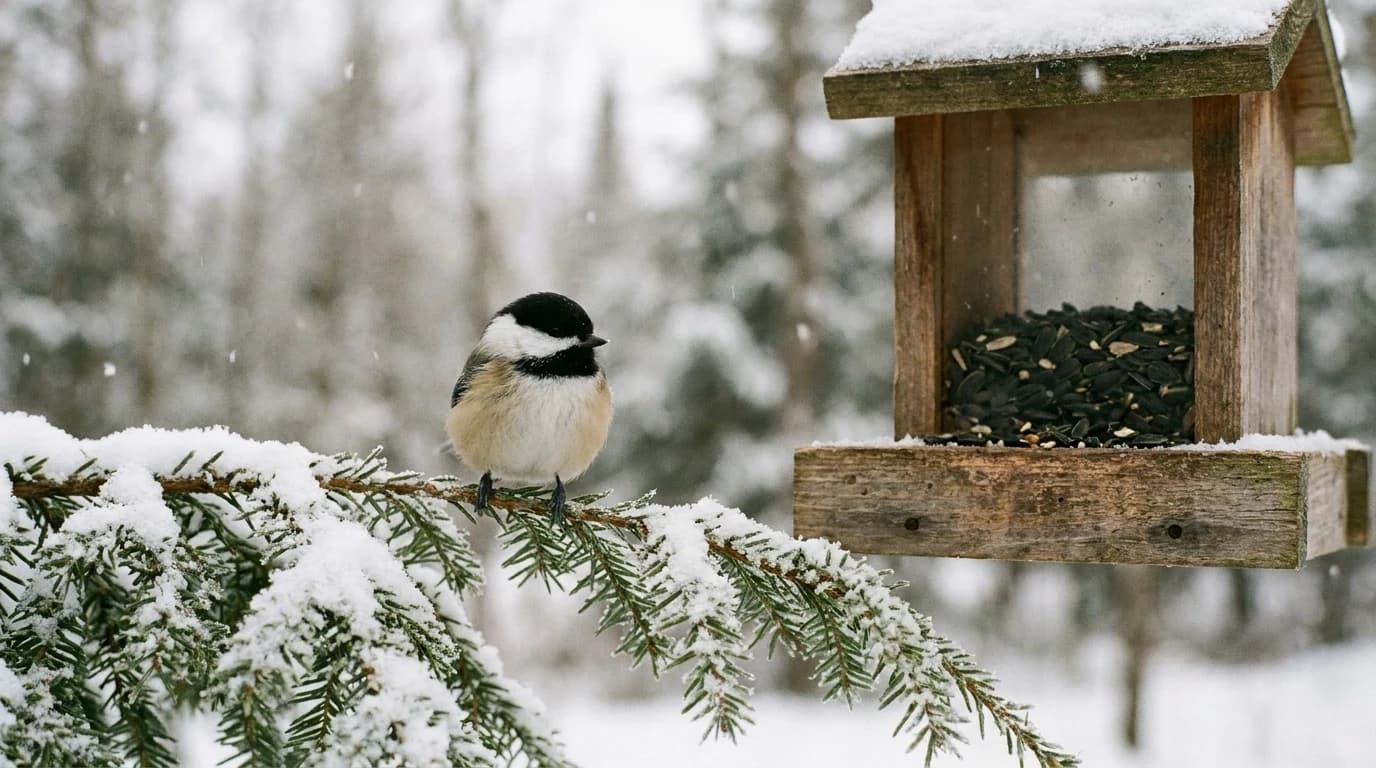
How Birds Survive Winter, and What Your Feeder Adds
Fluffing, shivering, fat and a deliberate overnight chill keep a chickadee alive. What the long-running Wisconsin studies say your feeder adds on top.
BirdingPath Editorial7 min·September 27, 2026
Practical, jargon-free birding advice — gear comparisons, backyard how-tos, and the answers to questions every new birder has. No fluff, no gatekeeping.
Showing 20 posts tagged #backyard-birding
Fluffing, shivering, fat and a deliberate overnight chill keep a chickadee alive. What the long-running Wisconsin studies say your feeder adds on top.
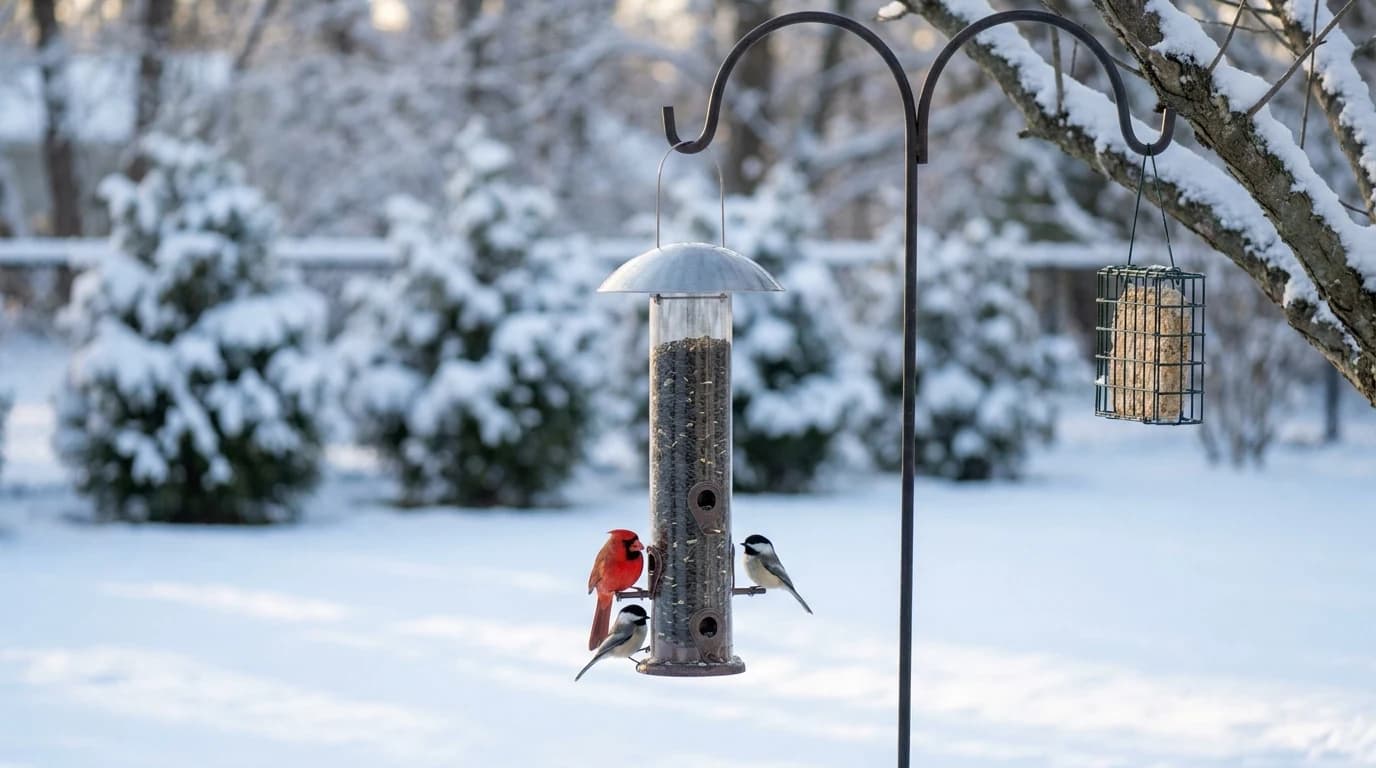
Winter feeders have four jobs: keep seed dry, carry birds through a cold snap, beat squirrels and come apart for washing. Six feeders ranked on exactly that.
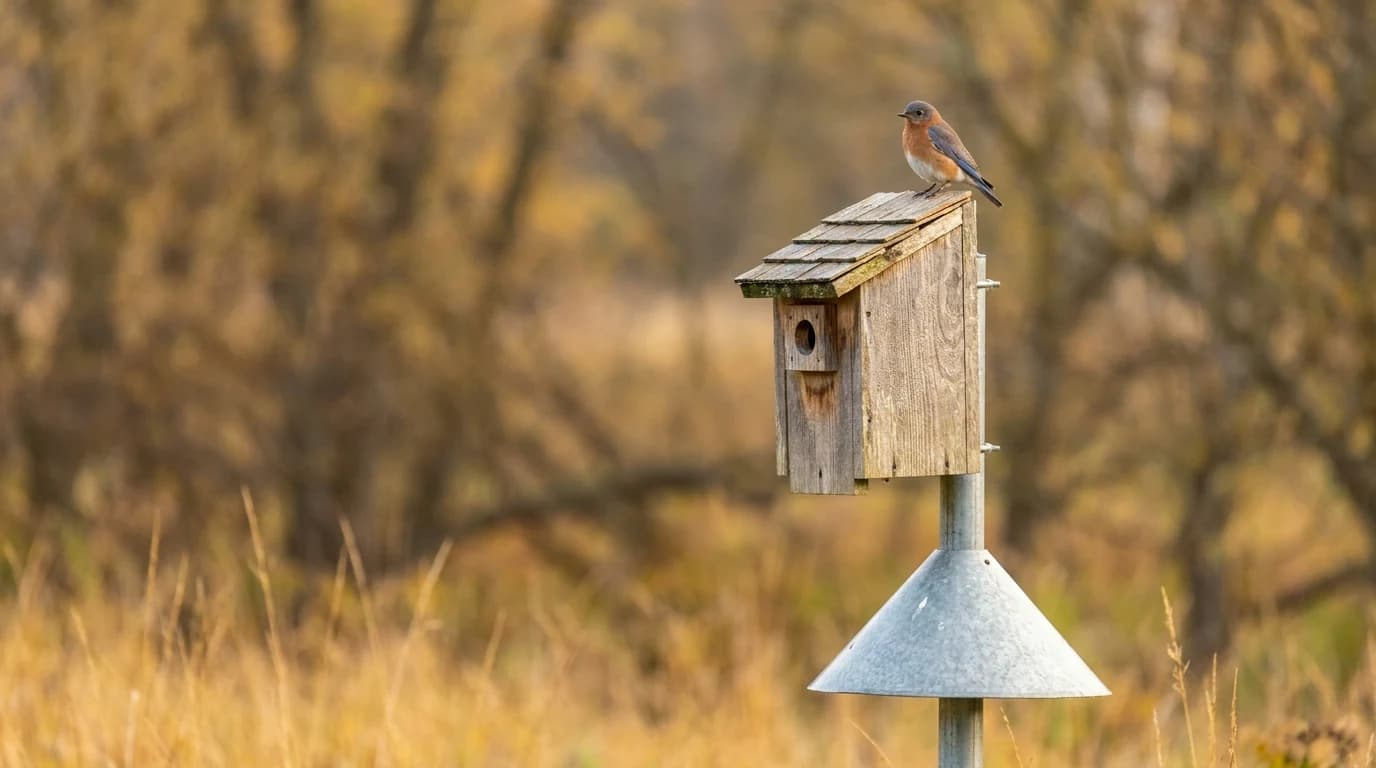
A 1-inch hole says wren, 1 1/2 says bluebird. Eight backyard species' hole, floor and height from Cornell's NestWatch, plus the fall-to-spring timing.
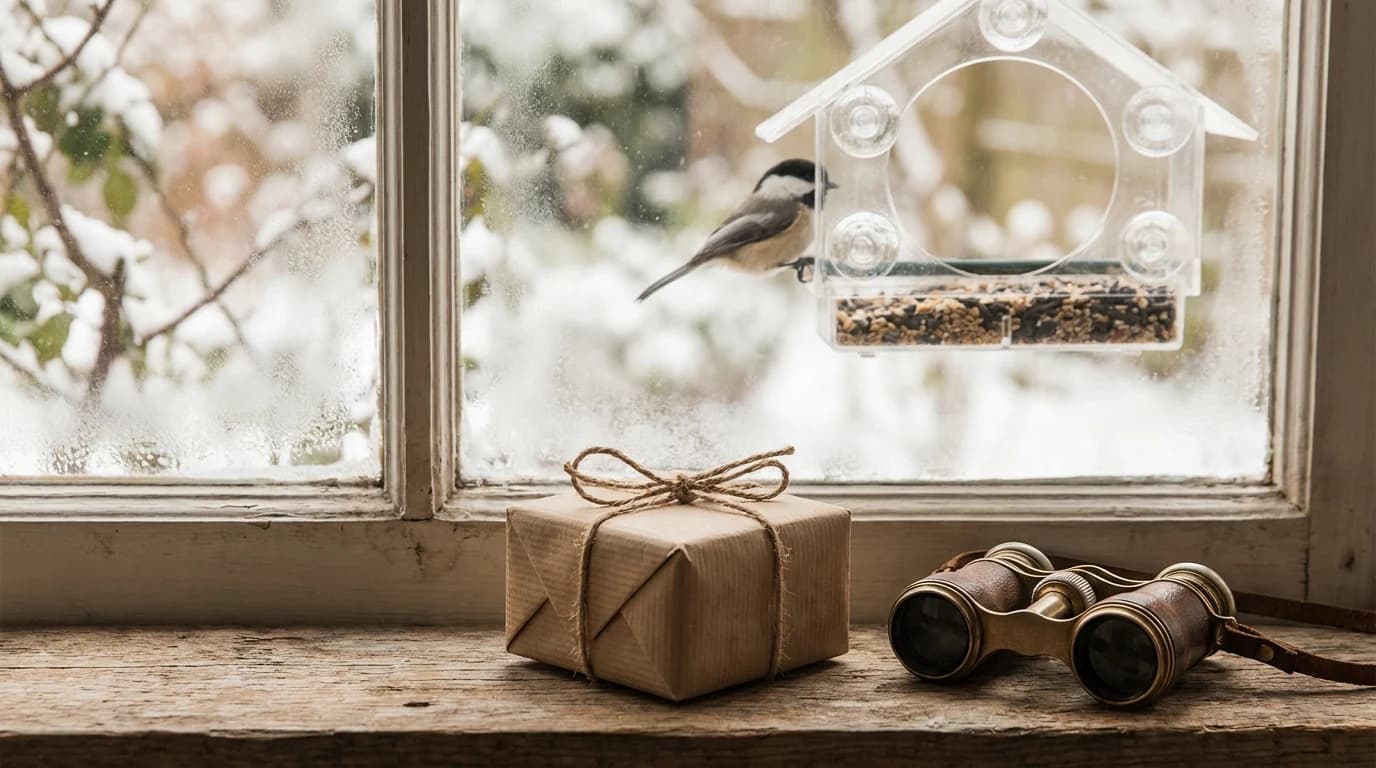
Sorted by birding stage, not price: what a backyard beginner will use, what a hooked birder wants next, and what an experienced birder would return.
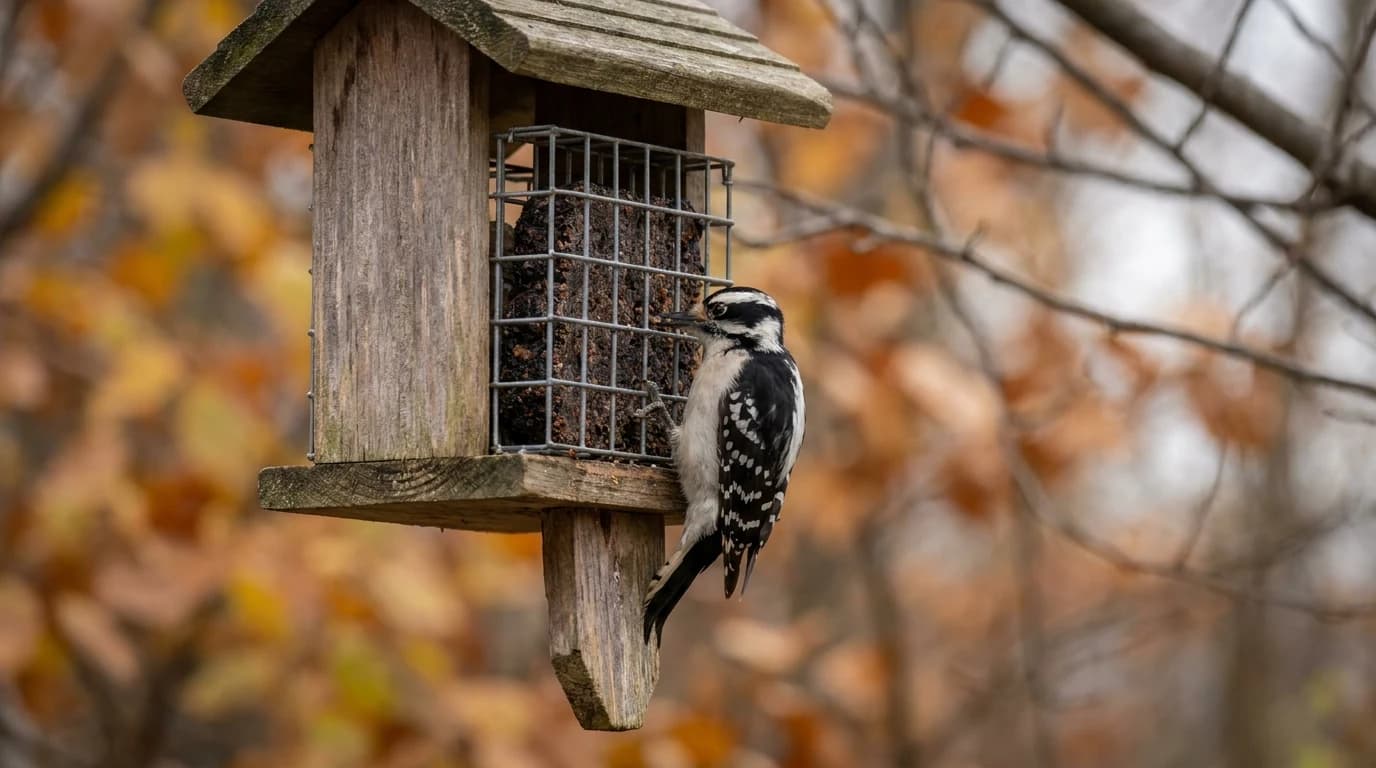
Nearly half of Cornell's 98 common feeder birds take suet, and three will use nothing but a cage. What it is, when to start, and which feeder to hang.
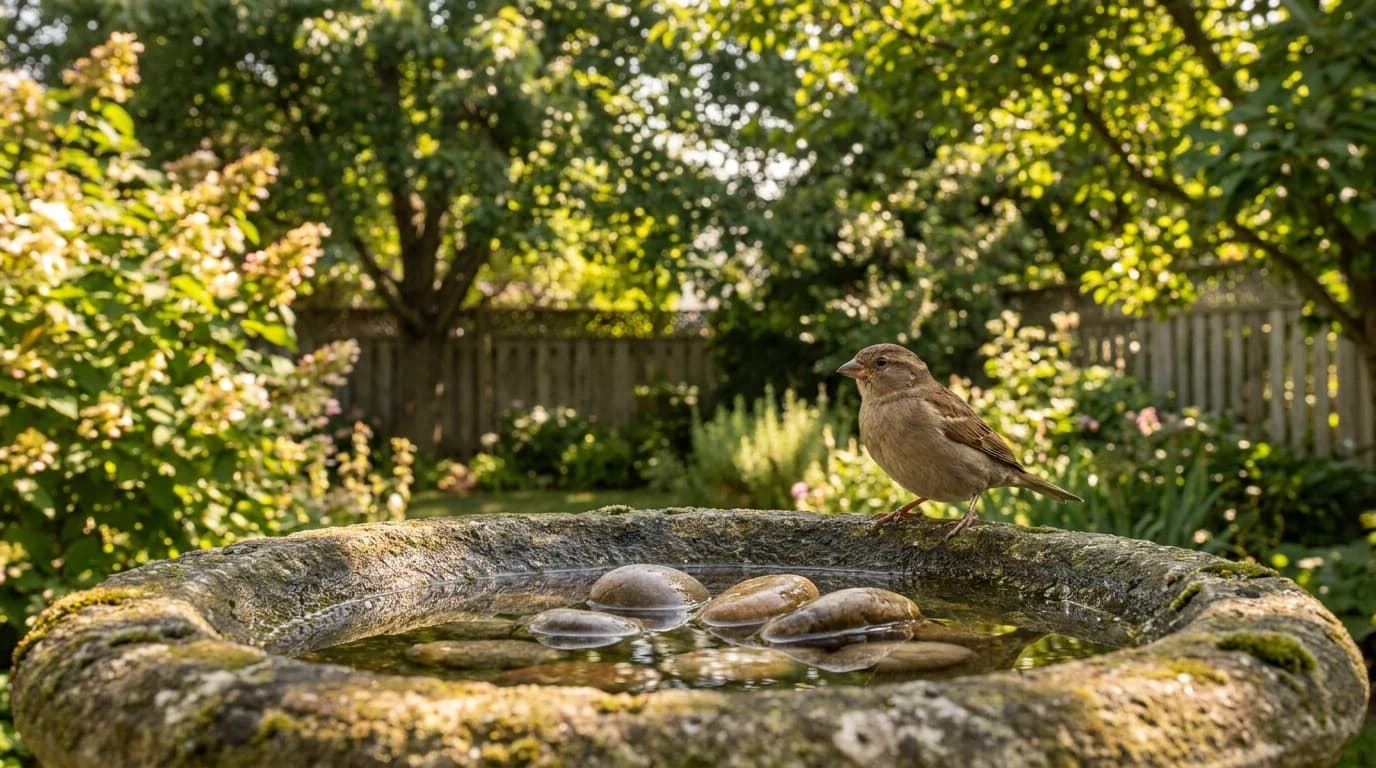
The ornamental concrete pedestal is the bird bath most people buy and the one Cornell steers you away from. Depth, texture and cleanability decide it.
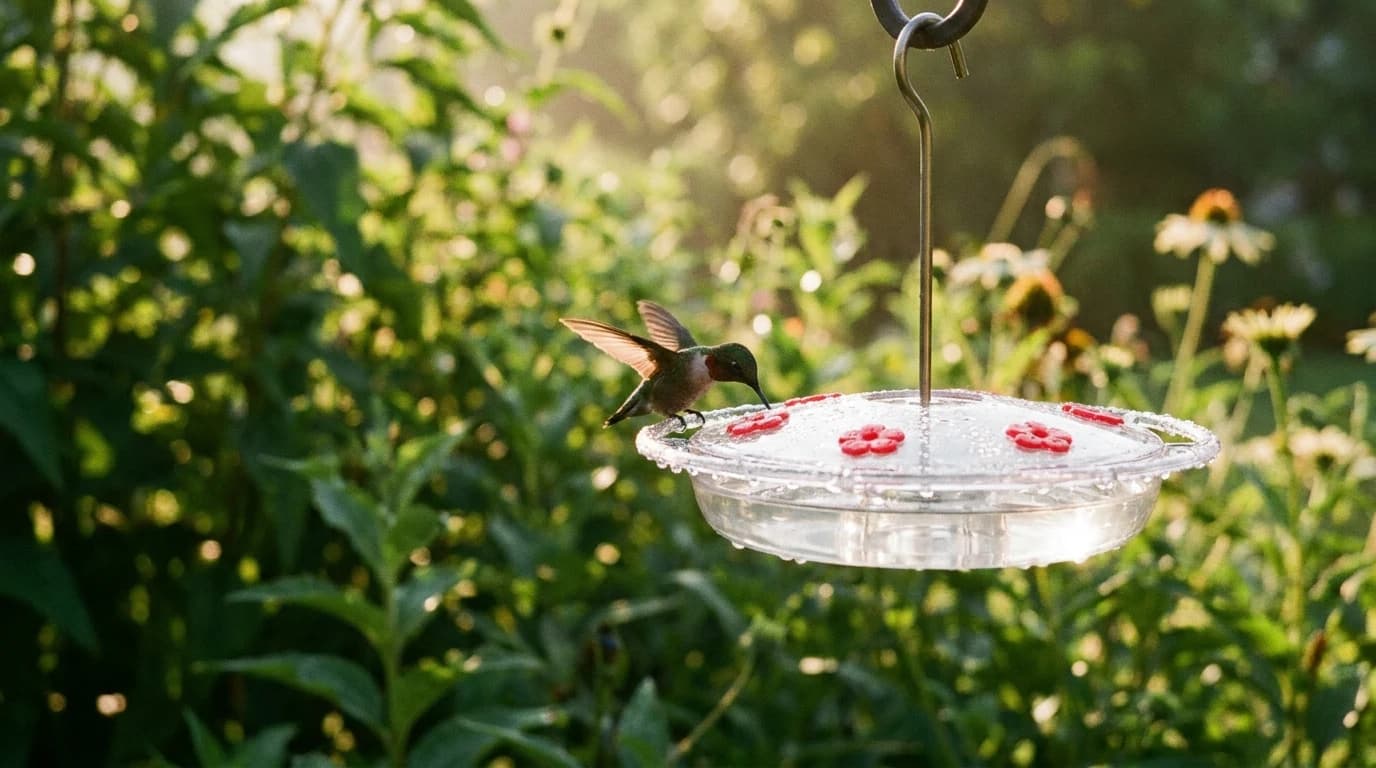
Roundups rank hummingbird feeders by capacity. Authorities say clean yours every 1–3 days all summer — so cleanability is the spec that decides it.
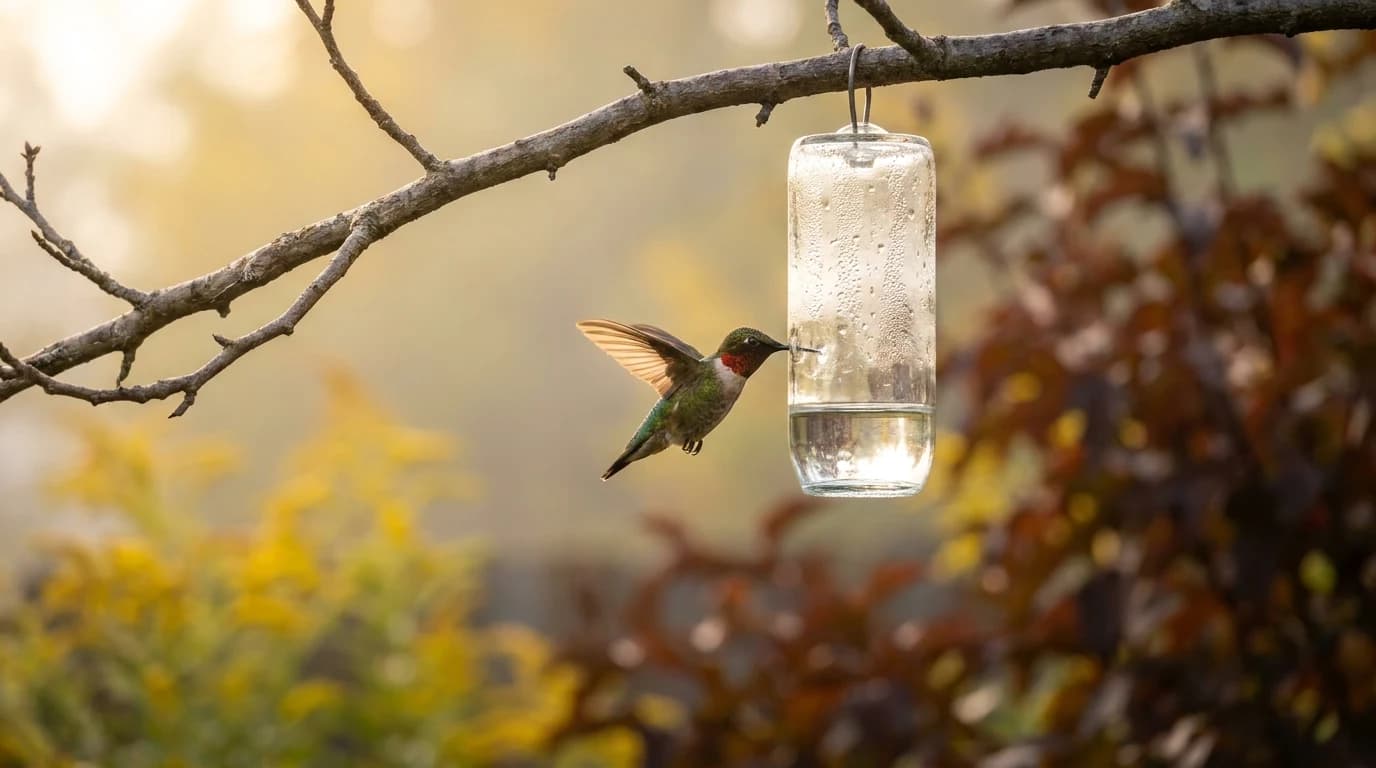
Leaving a feeder up does not delay hummingbird migration — day length sets the clock. When to take yours down by region, and where you never should.
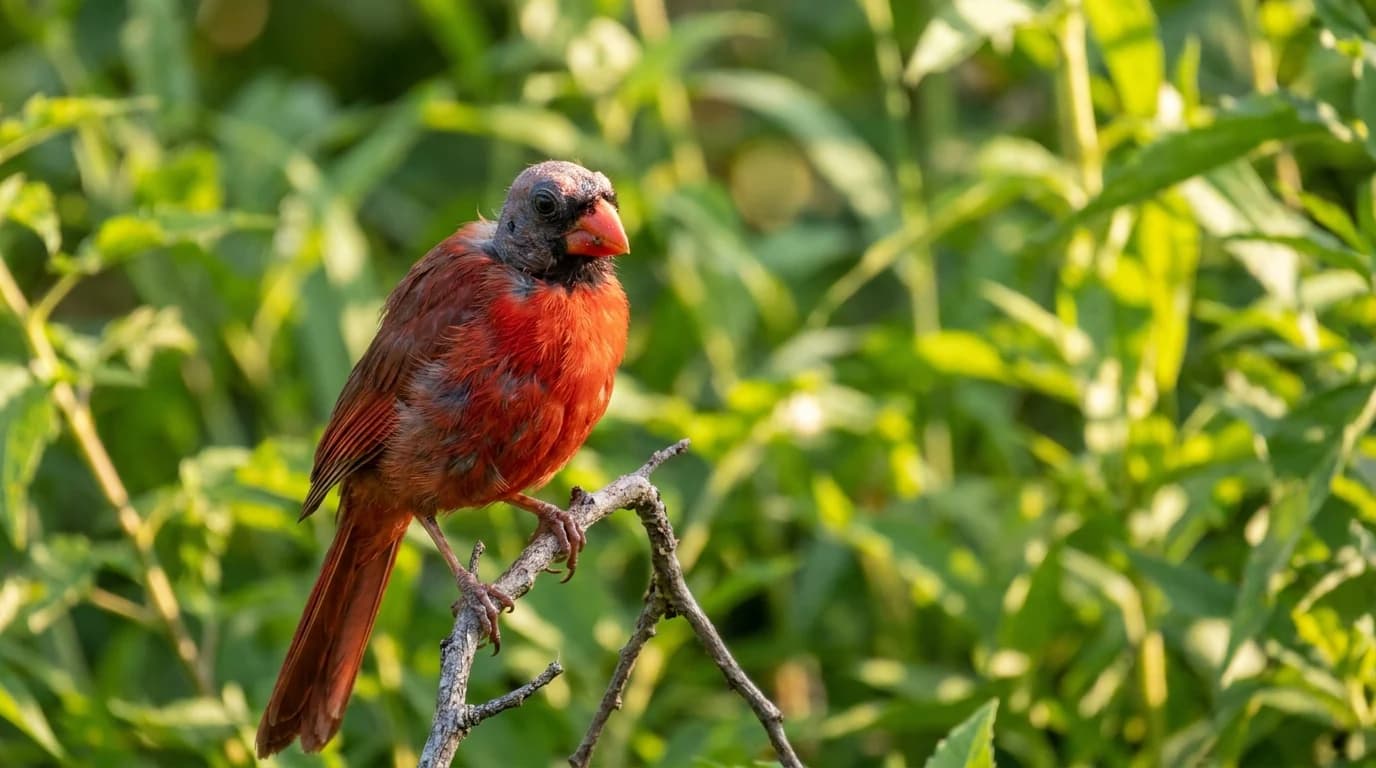
Bald cardinals, silent mornings and ragged jays are one story: molt. What it costs a bird, an August field key, and two questions science hasn't settled.
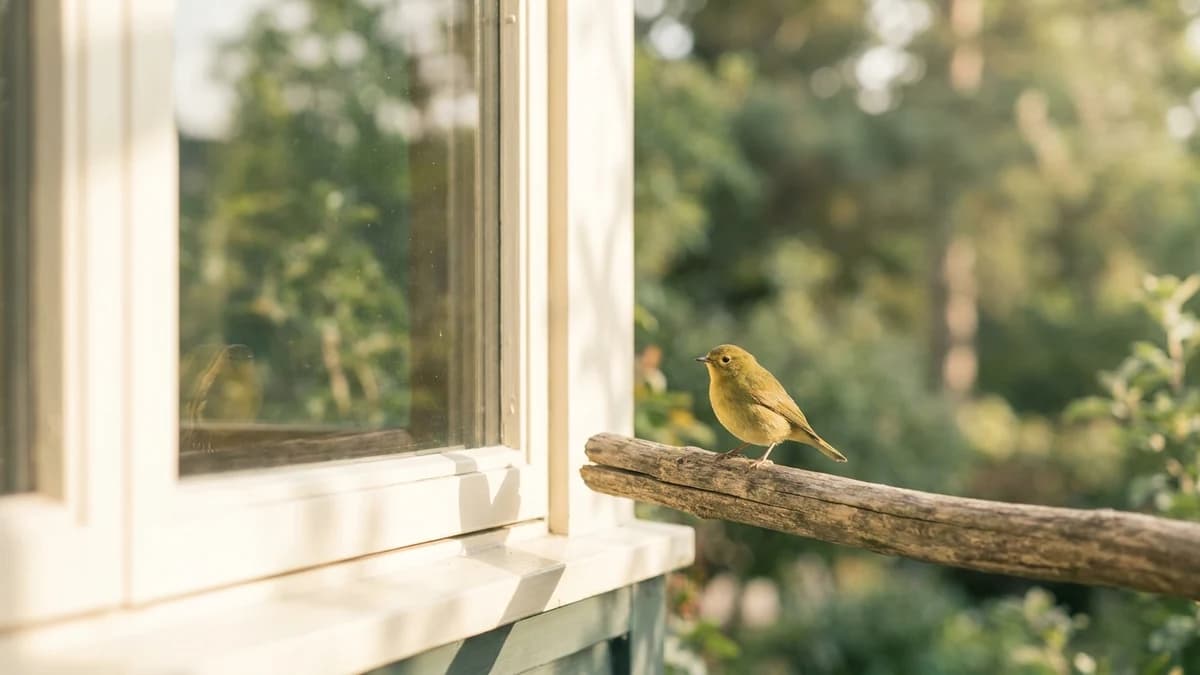
Window collisions are one of the biggest and most preventable causes of bird deaths. Here are the fixes that actually work, ranked so you can start today.
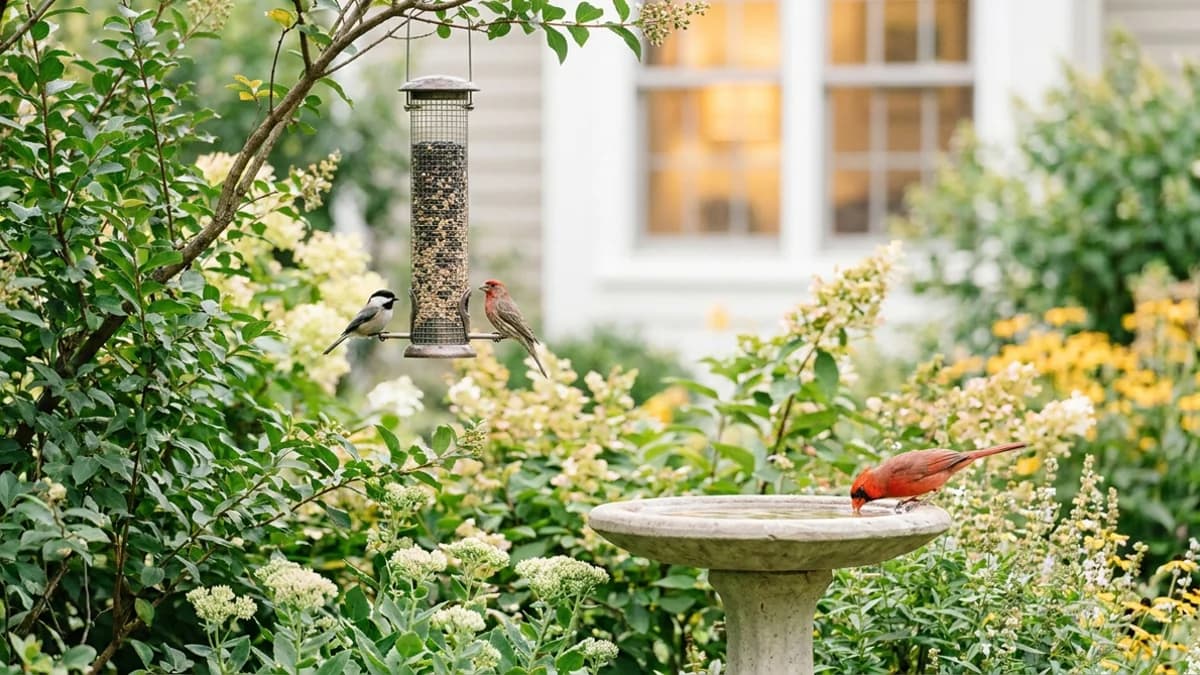
Attract birds fast with four things: food, water, shelter, and safety. Here's exactly what to add and which birds each one brings.
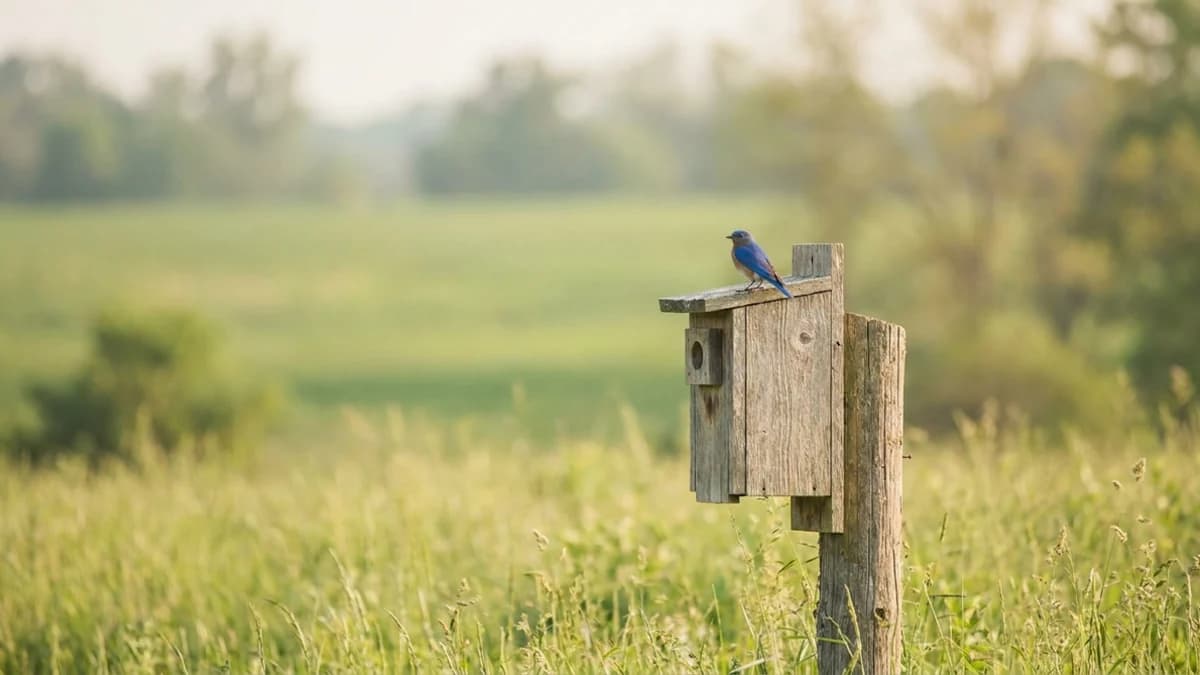
Bluebirds come for mealworms and a proper nest box over open grass, not for seed feeders. Here's exactly how to set your yard up.
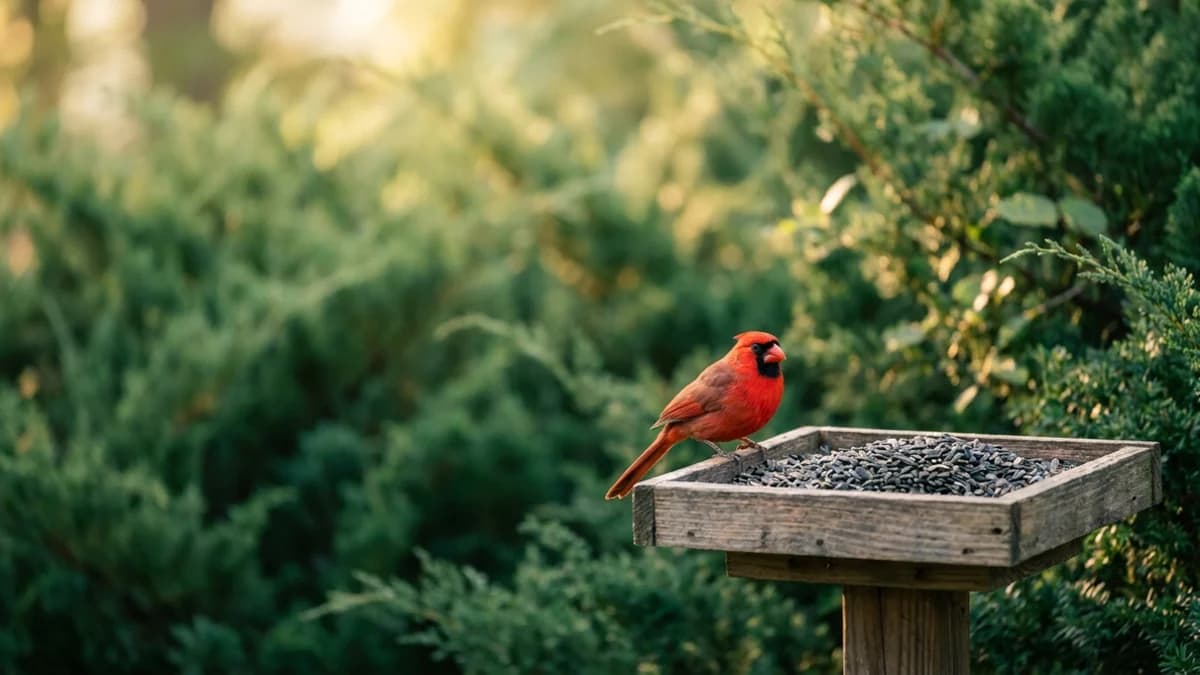
Attract cardinals with a platform or hopper feeder, dense shrubs for cover, and water. Feed at dawn and dusk — here's the full habitat setup.
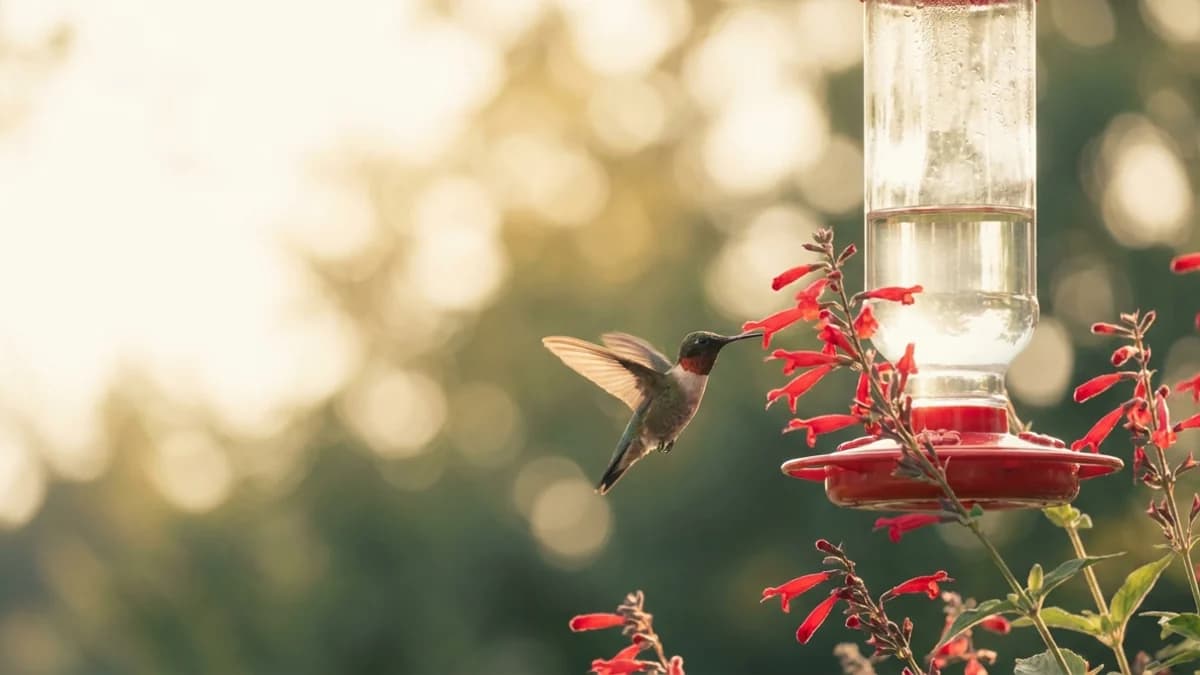
Attract hummingbirds with the right nectar: 4 parts water to 1 part white sugar, no red dye, no honey. Here's the full setup.
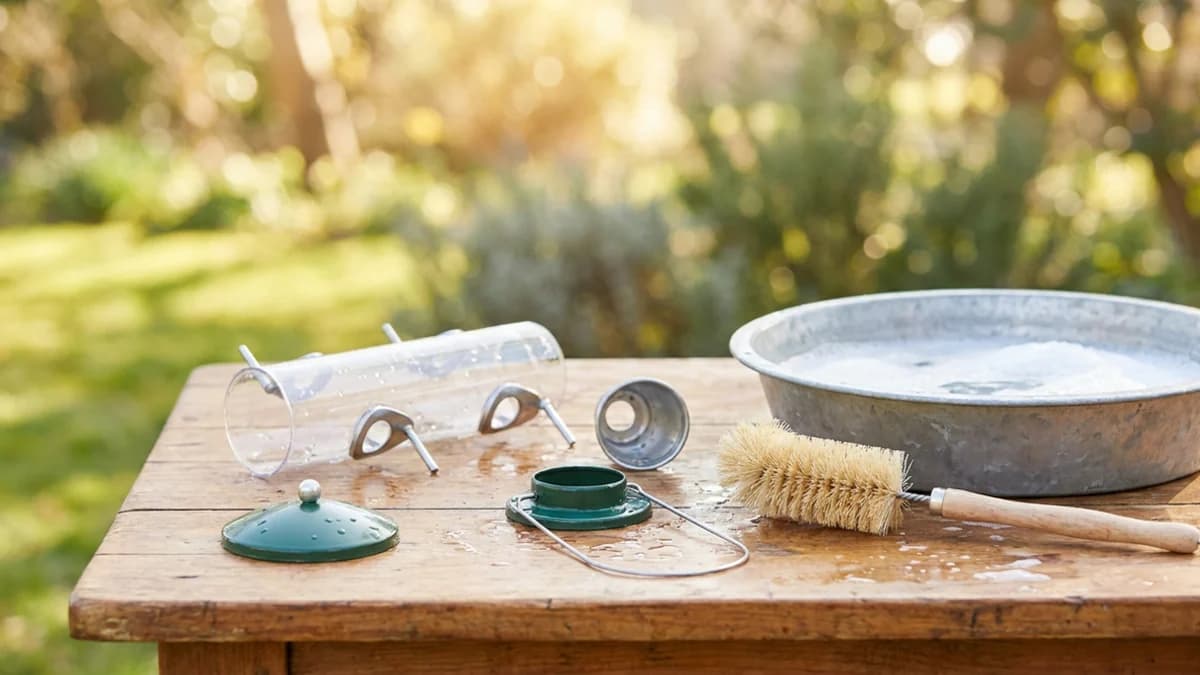
Clean feeders every ~2 weeks with a 1:9 bleach-water soak, scrub, rinse, and dry fully before refilling. Dirty feeders spread deadly bird disease.
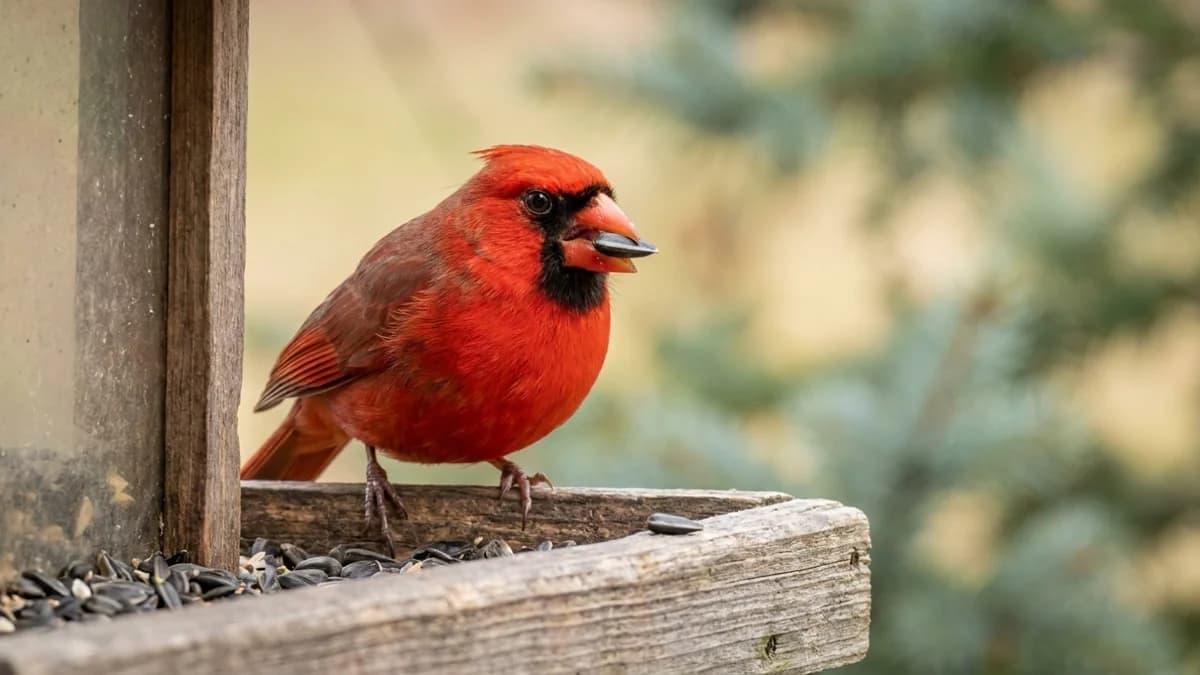
Cardinals love black-oil sunflower and safflower seeds, plus peanuts, cracked corn, berries, and summer insects. Here's exactly what to feed them.
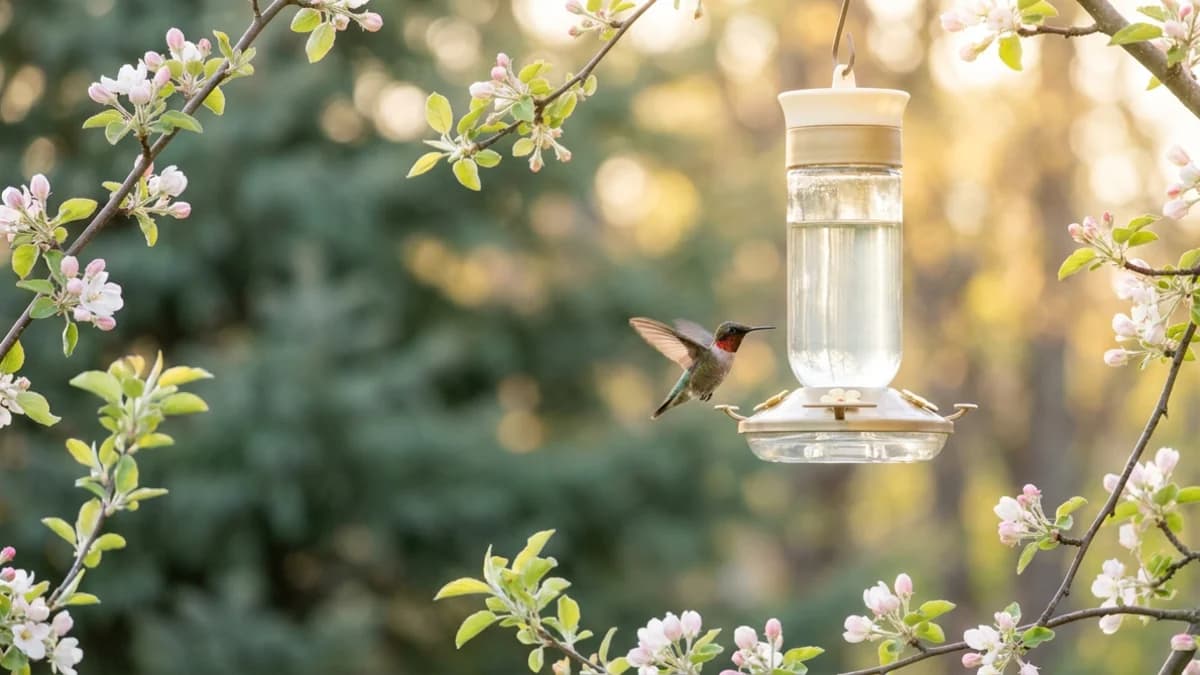
Ruby-throated hummingbirds hit the Gulf Coast by late Feb-March, mid-latitudes by April, and Canada by early-mid May. Hang feeders ~1-2 weeks early.
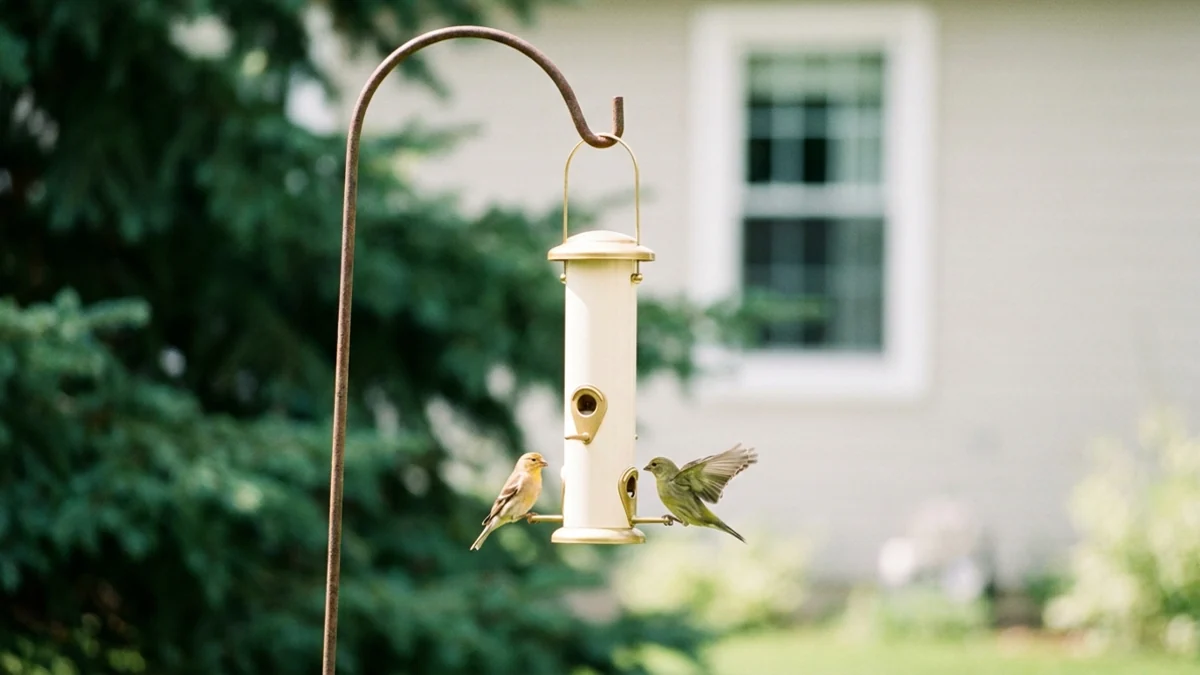
Place feeders within 3 ft of a window (and treat the glass), at least 10 ft from squirrel launch points, about 5 ft high, and 10-15 ft from cover.
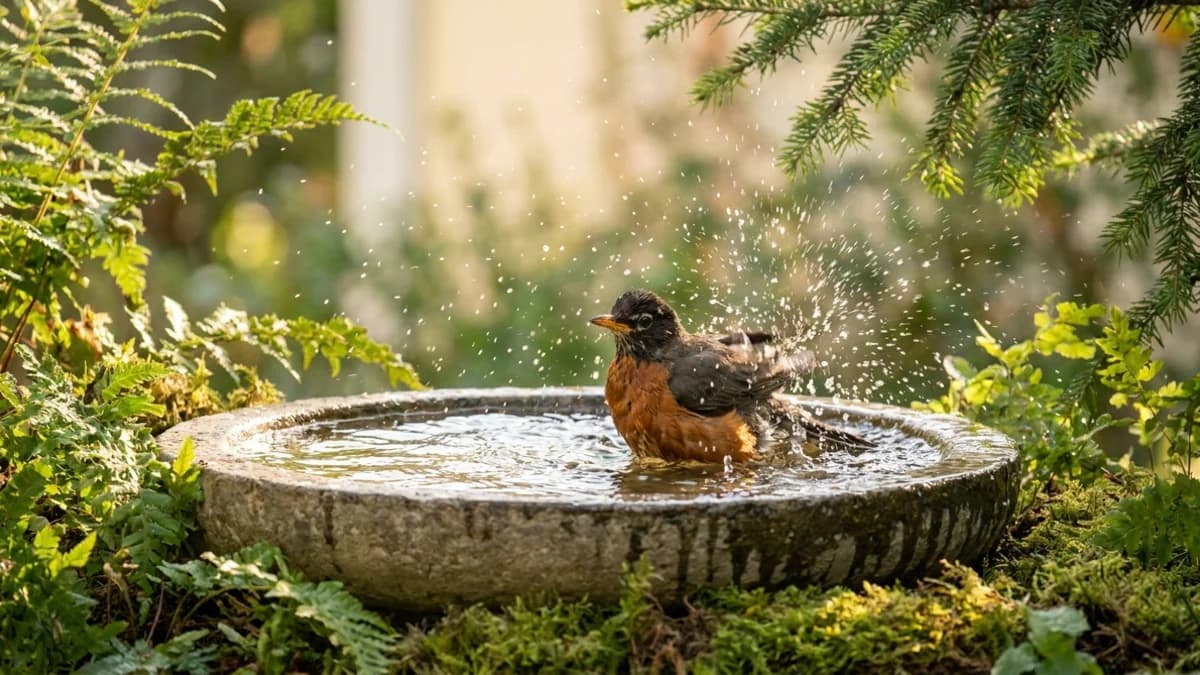
Water pulls in birds that seed never will. Keep it shallow, rough-bottomed, clean and moving, and warblers and thrushes that skip feeders can still show up.
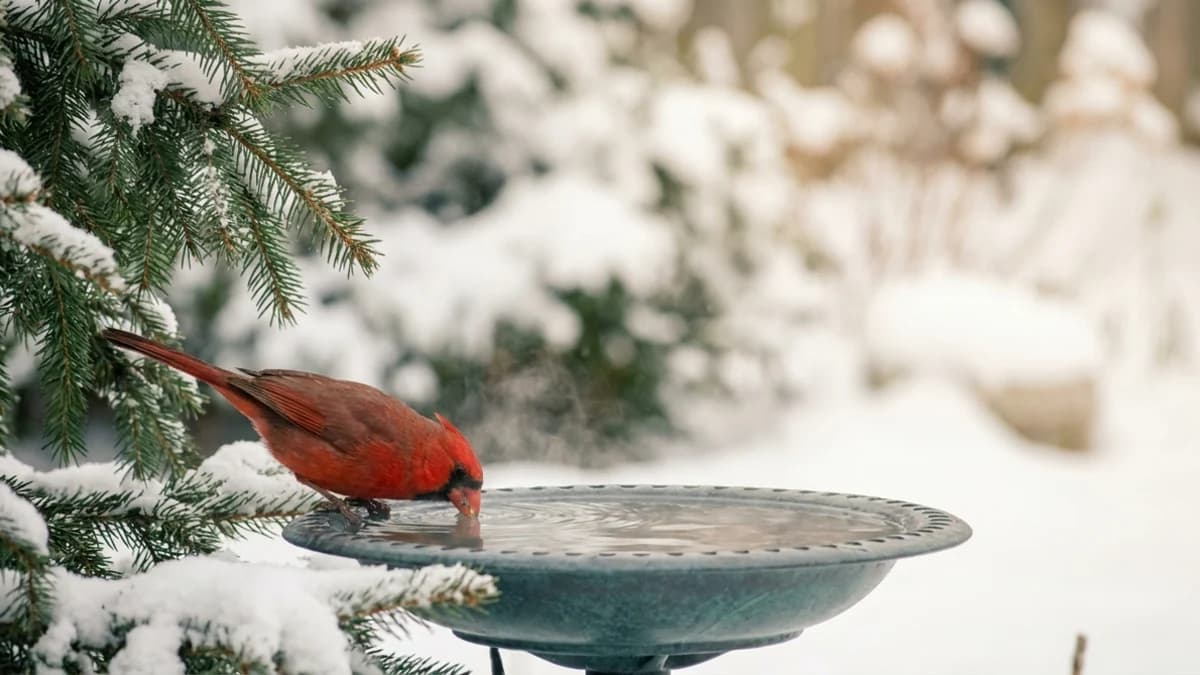
In freezing climates, open water is one of winter's scarcest resources, so a heated bath becomes a magnet when everything else locks up. In mild regions, skip it.