
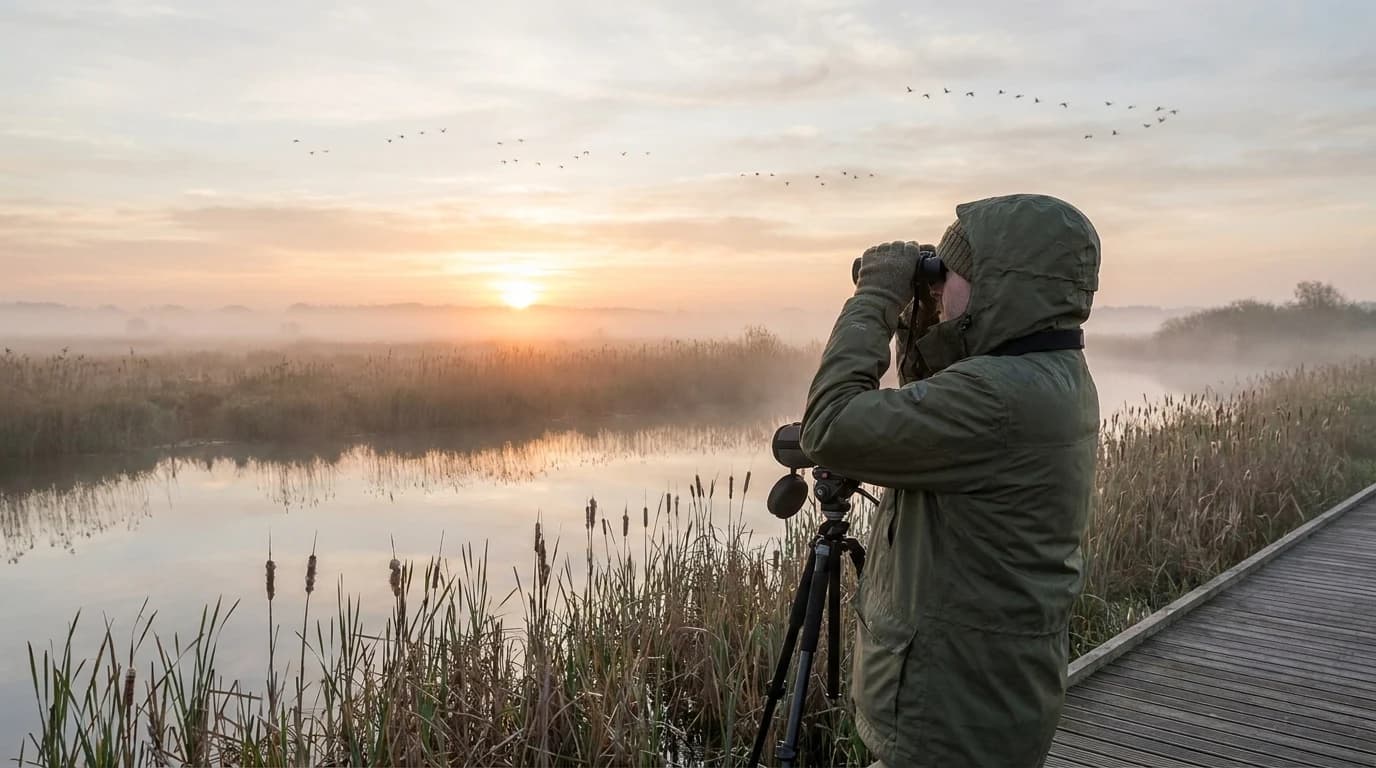
eBird Explore: Find the Bird, Then Read Your Odds
Explore turns eBird from a notebook into a trip planner. Route your question to the right tool, then read a bar chart for what it is: a reporting rate.
BirdingPath Editorial6 min·August 21, 2026
Practical, jargon-free birding advice — gear comparisons, backyard how-tos, and the answers to questions every new birder has. No fluff, no gatekeeping.
Showing 7 posts tagged #field-skills
Explore turns eBird from a notebook into a trip planner. Route your question to the right tool, then read a bar chart for what it is: a reporting rate.
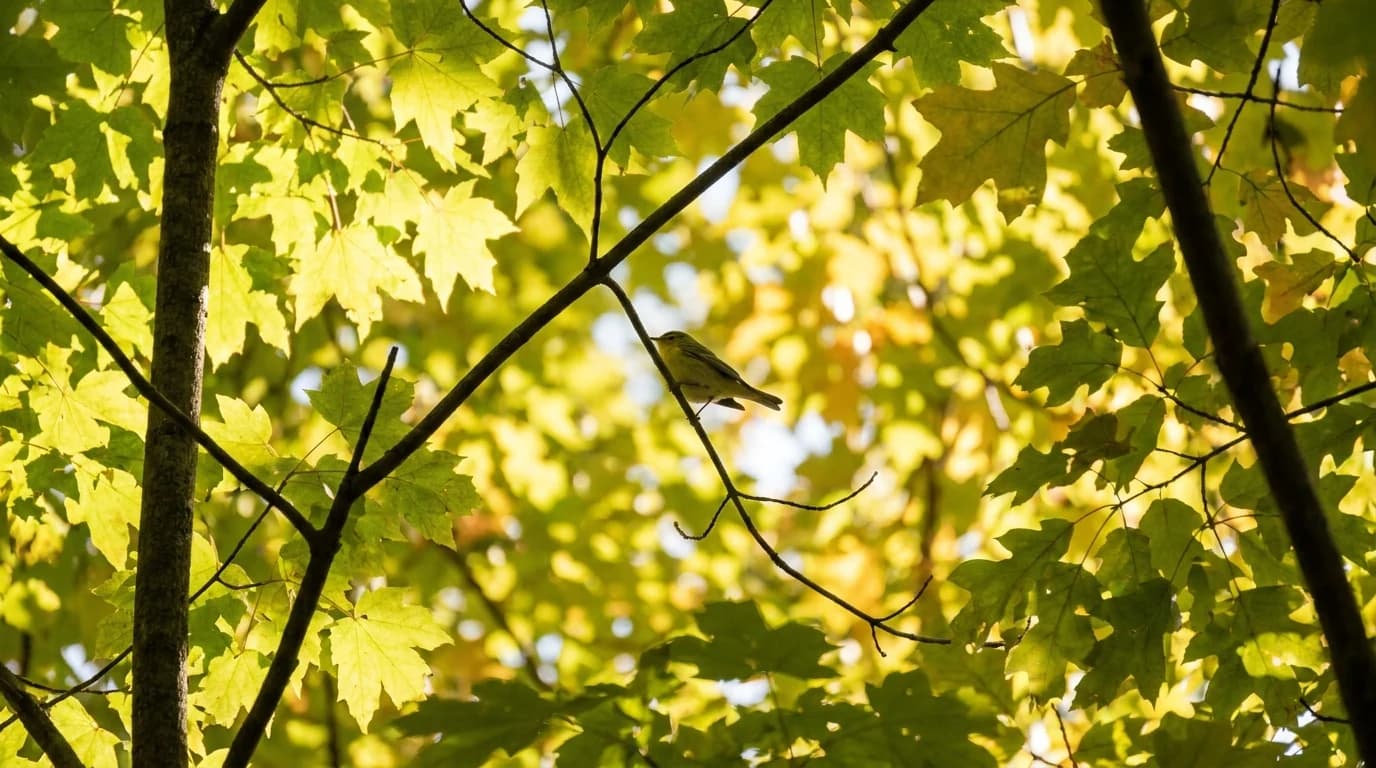
Field guides draw warblers in profile; the canopy shows you the underside. A five-species key read from below, plus the two pairs that are genuinely hard.
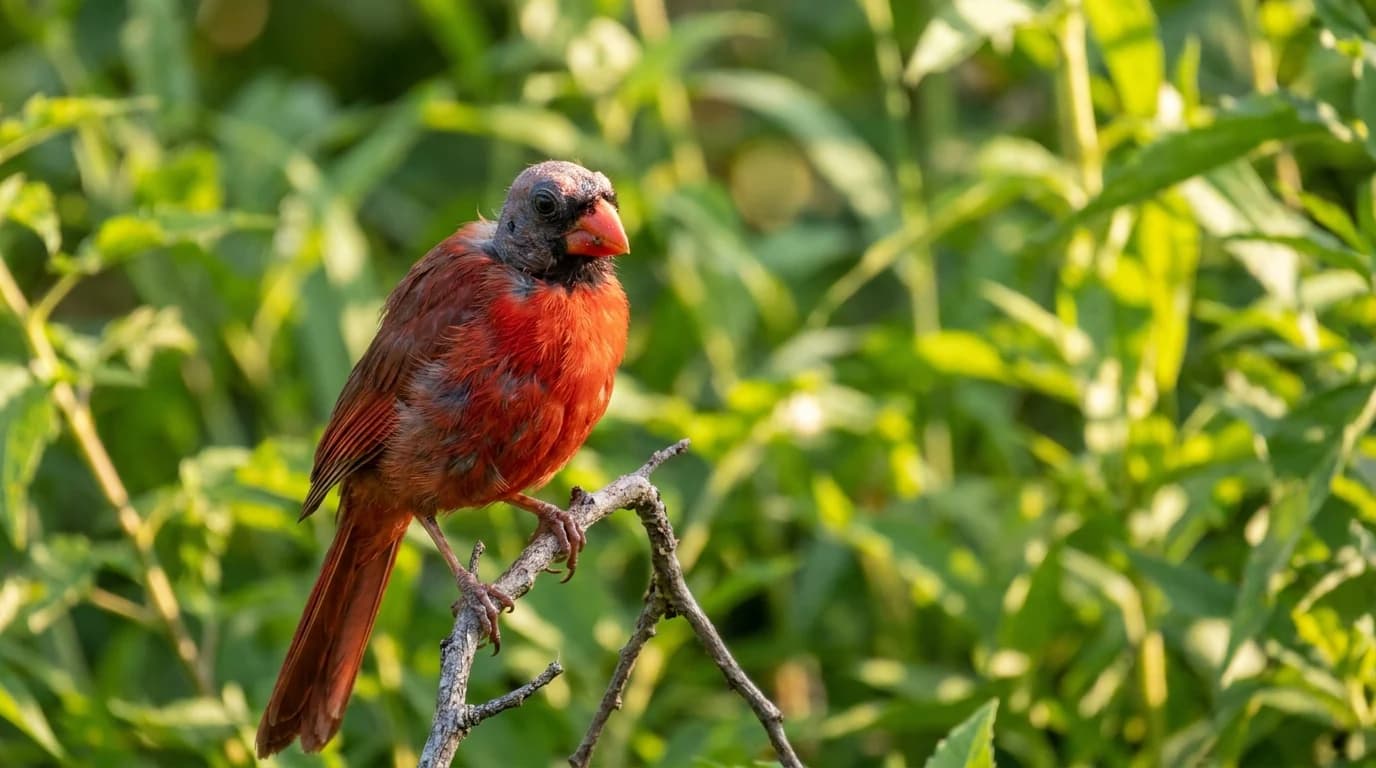
Bald cardinals, silent mornings and ragged jays are one story: molt. What it costs a bird, an August field key, and two questions science hasn't settled.
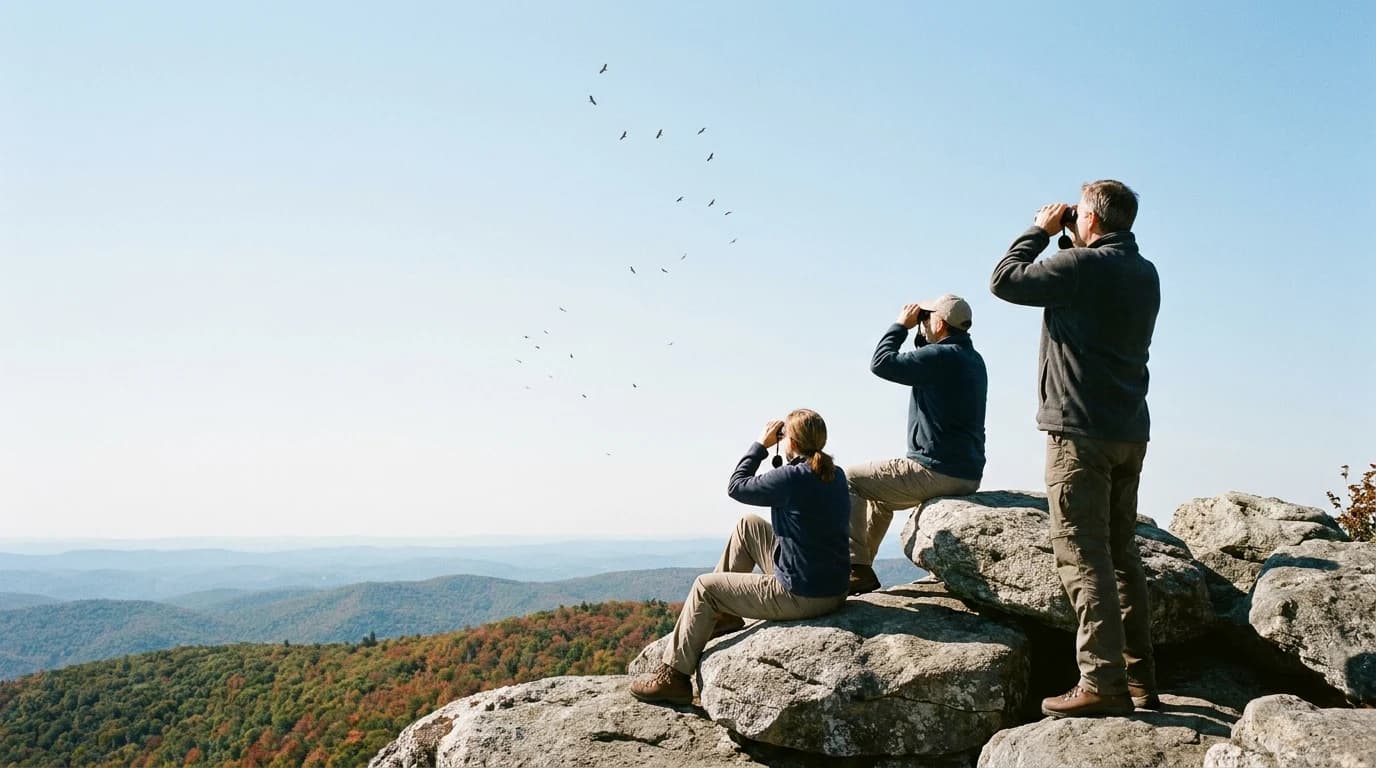
At a hawk watch the date matters more than the place. Ninety years of counts from one ridge show where the big days fall, and how to pick yours.

Fall migration runs mid-August to mid-November, and it is harder than spring: drab plumage, almost no song, more juveniles. A week-by-week guide.
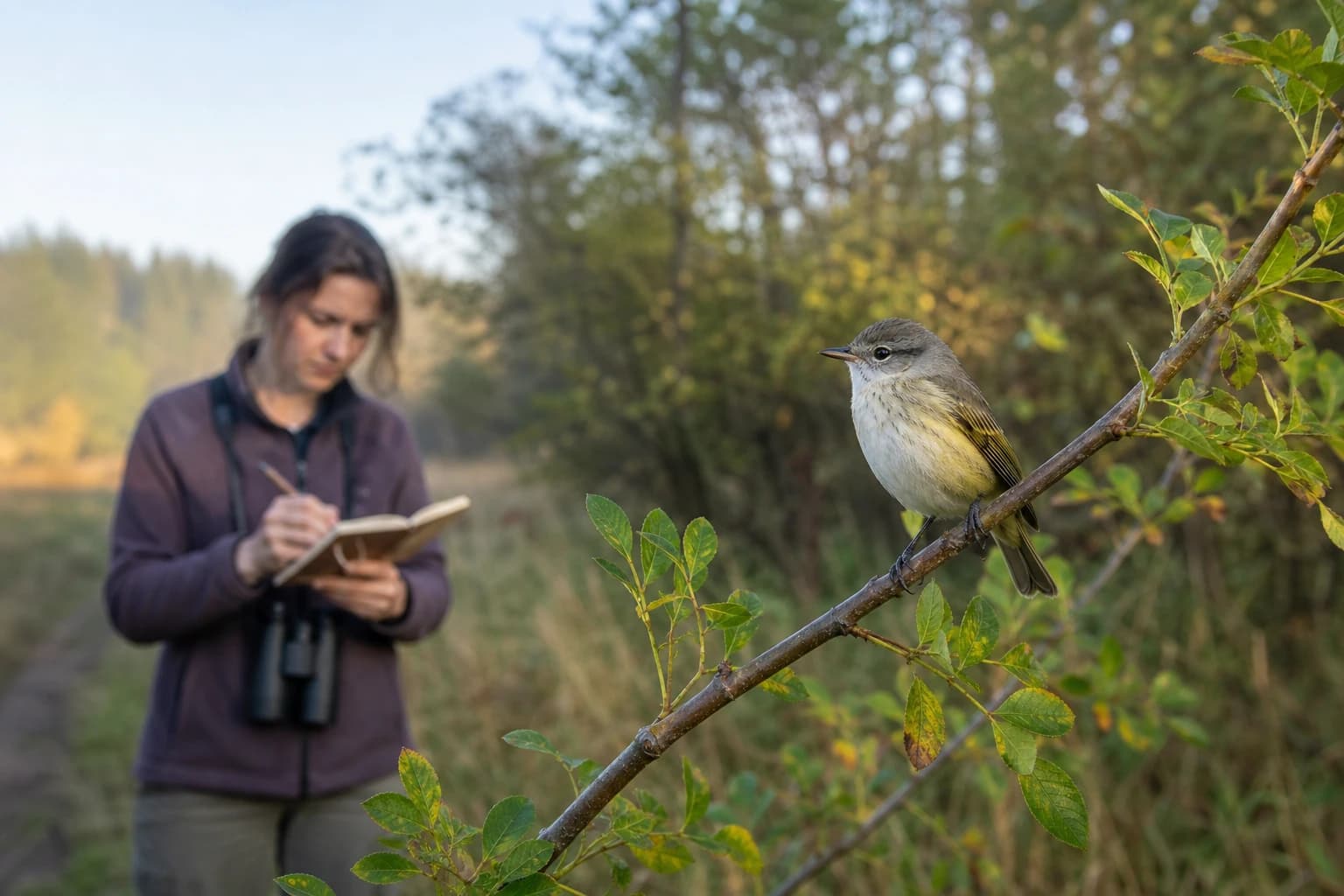
Identify an unfamiliar bird by recording five clues in order: shape, bill, behavior, habitat, and sound. Color comes later.

Birding by ear is a memory skill, not a musical gift. Learn 10 local singers first, describe sounds by quality, and use Merlin the honest way.