
How to Identify an Unknown Bird: 5 Clues
Identify an unfamiliar bird by recording five clues in order: shape, bill, behavior, habitat, and sound. Color comes later.
Key takeaways
- Start broad, not tiny. Decide whether the bird is sparrow-shaped, thrush-shaped, hawk-shaped, or something else before looking for an eyering.
- Use a fixed five-clue order. Shape, bill, behavior, habitat, and sound survive bad light better than color.
- Write before you search. A ten-second note prevents an app suggestion from rewriting what you think you saw.
- Unidentified is a valid answer. A confident family-level ID is better than a shaky species guess.
Pick by your situation
| If your situation is… | Pick | Why |
|---|---|---|
| The bird is backlit or far away | Shape and behavior | Silhouette, posture, tail use, and movement survive when color disappears. |
| It is a small brown bird | Bill plus habitat | Bill shape separates seed-eaters from insect-eaters, while micro-habitat removes unlikely families. |
| Two species look nearly identical | One decisive field mark | Use broad clues to make a shortlist first, then look for the single mark that separates those candidates. |
| An app suggests a rare bird | Leave it unconfirmed | Check season, range, sound, and a second observation before accepting an unusual result. |
| The bird disappears before a photo | Write the five clues | A quick note preserves movement and habitat details that a late or blurry image cannot. |
A shortcut by situation — start from the row that sounds like you.
You do not need to memorize every bird to identify an unfamiliar one. You need a repeatable way to notice the clues that eliminate wrong answers. Use this order: shape, bill, behavior, habitat, sound. Only then use color and small field marks to confirm the species.
That order is the important part. The Cornell Lab's four-key method starts with size and shape, color pattern, behavior, and habitat because a tiny eyering is useful only after you know which group of birds to compare. Our five-clue field card separates the bill from the silhouette and adds sound, giving beginners a compact note-taking routine for the ten seconds before a bird disappears.
The five-clue field card
| Write this down | Fast question | What it eliminates |
|---|---|---|
| 1. Shape | Robin, crow, duck, hawk, or sparrow-sized? Round or slim? Long tail? | Whole bird families |
| 2. Bill | Thin, thick, hooked, chisel-like, or flat? | Likely food and feeding style |
| 3. Behavior | Hopping, walking, climbing, hovering, diving, tail-flicking? | Lookalikes with different habits |
| 4. Habitat | Ground, canopy, open water, reeds, trunk, feeder, open sky? | Birds unlikely to be there |
| 5. Sound | Whistle, trill, buzz, chip, rattle, or silence? | Similar-looking species |
Keep this order in your phone notes or on an index card. The goal is not elegant prose. Five blunt observations beat one beautiful but unreliable memory.
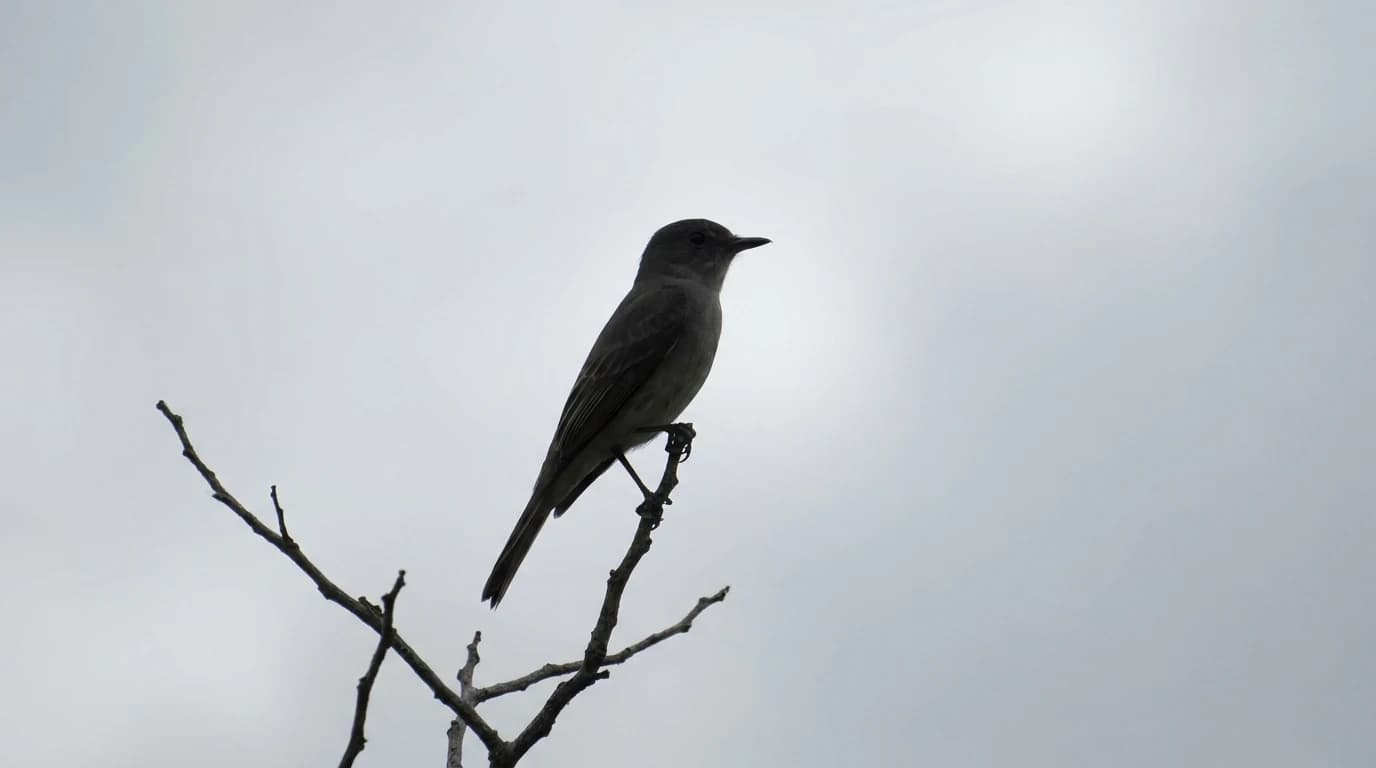
1. Capture the silhouette
Ask what familiar bird the stranger resembles in size and build. Do not estimate inches; distance makes that hard. Compare it with a nearby feeder, fence post, leaf, or known bird. Then notice proportions: large head or small head, short tail or long tail, plump body or narrow body, long legs or barely visible legs.
Audubon's identification guide recommends starting with structure because distance, difficult light, feather wear, and individual variation can hide color marks. A bird backlit into a silhouette still shows its posture, tail, wing shape, and proportions.
Rule of thumb: name the family-sized shape rather than the species. "Small upright sparrow shape," "chunky ground bird," or "long-winged soaring bird" is progress, not a cop-out.
2. Read the bill as a tool
The bill often tells you what kind of problem the bird is built to solve.
- Short, thick, triangular points toward seed-cracking birds.
- Narrow and pointed suits picking insects.
- Hooked suggests tearing.
- Long and probing sends you toward shorebirds, hummingbirds, or other specialists, depending on the rest of the silhouette.
Do not identify from the bill alone. Use it as a filter: "small bird with a heavy seed bill" produces a much shorter comparison list than "small brown bird." If you can see only one detail clearly, bill shape is usually more stable than a patch of color in shifting light.
3. Watch what the bird does
Behavior is identification information. Note whether it hops with both feet or walks one foot at a time. Does it climb a trunk, hang under a twig, pump its tail, scratch through leaves, catch insects in the air, or return repeatedly to the same perch?
This is where patience beats zoom. Audubon notes that posture, feeding action, flight shape, and wingbeat cadence can separate birds whose plumage looks similar. Spend five seconds watching before reaching for your phone. A blurry photo may preserve color; your note preserves the action the photo missed.
If you want to build this skill deliberately, pair it with our common backyard bird guide. Learn the movement of a chickadee, robin, woodpecker, dove, and finch, and you gain five reference patterns for every future mystery bird.
4. Record the exact habitat
"Park" is not precise enough
Write down the micro-habitat:
- Bare ground, halfway up a deciduous tree, the top of a conifer, over open water, inside reeds, or circling above a field.
- The place name and the date — range changes with season, and a common winter visitor may be absent in summer.
Why the detail is worth the extra five seconds:
- Cornell treats habitat as one of its four primary keys because many birds are selective about where they feed and rest.
- An app can filter by location later, but it cannot recover the micro-habitat you forgot. "Low in thorny shrubs beside a pond in July" is far more useful than "near water."
5. Save the sound, even badly
You do not need musical vocabulary. Write a rough rhythm: three clear whistles, dry chip repeated, rising buzz, two notes then a trill. If the bird is still vocalizing, make a recording and compare it later with the workflow in How to Use Merlin Bird ID. Treat an app result as a candidate, not a verdict.
Sound matters even when it does not yield a species. A harsh alarm call may explain why a bird looks restless; repeated singing from an exposed perch may indicate territorial behavior. Our bird-song-by-ear method shows how to turn vague sounds into repeatable descriptions.
Color comes last
Record a pattern, not a color
Color is useful, but beginners often give it too much authority. Sunlight can warm gray into brown. Shade can erase yellow. Male, female, juvenile, seasonal, worn, and stained plumages can look different. Instead of naming one color, write the pattern: dark cap with pale cheek, streaked chest with plain face, two light wing bars, pale eyebrow, contrasting tail edge.
Then ask which single mark would separate your final two candidates. That is when an eyering or wing bar becomes decisive. Cornell's method makes the same distinction: broad clues get you to the right group; field marks finish the job.
A confidence ladder that prevents bad guesses
Use three levels:
- Family confident: "This is a woodpecker." The shape, bill, climbing, and habitat agree.
- Shortlist confident: "Downy or Hairy Woodpecker." Most clues agree, but the decisive size/bill comparison was unclear.
- Species confident: "Downy Woodpecker." You saw the confirming proportions or field mark clearly.
Worth knowing: stop at the highest honest level. Audubon explicitly notes that not every bird can be identified in the field — juveniles, hybrids, unusual plumage, poor views, and near-identical species defeat experienced birders too. "Unknown sparrow" is useful evidence. A forced species name is not.
The ten-second unknown-bird routine
When the next mystery bird appears: keep looking for five seconds, say the five clues aloud, write one line, then use binoculars, a photo, or an app. If binocular handling is stealing your view, fix that first with our binocular technique guide.
The win is not naming every bird. The win is noticing enough that your second look is smarter than your first.
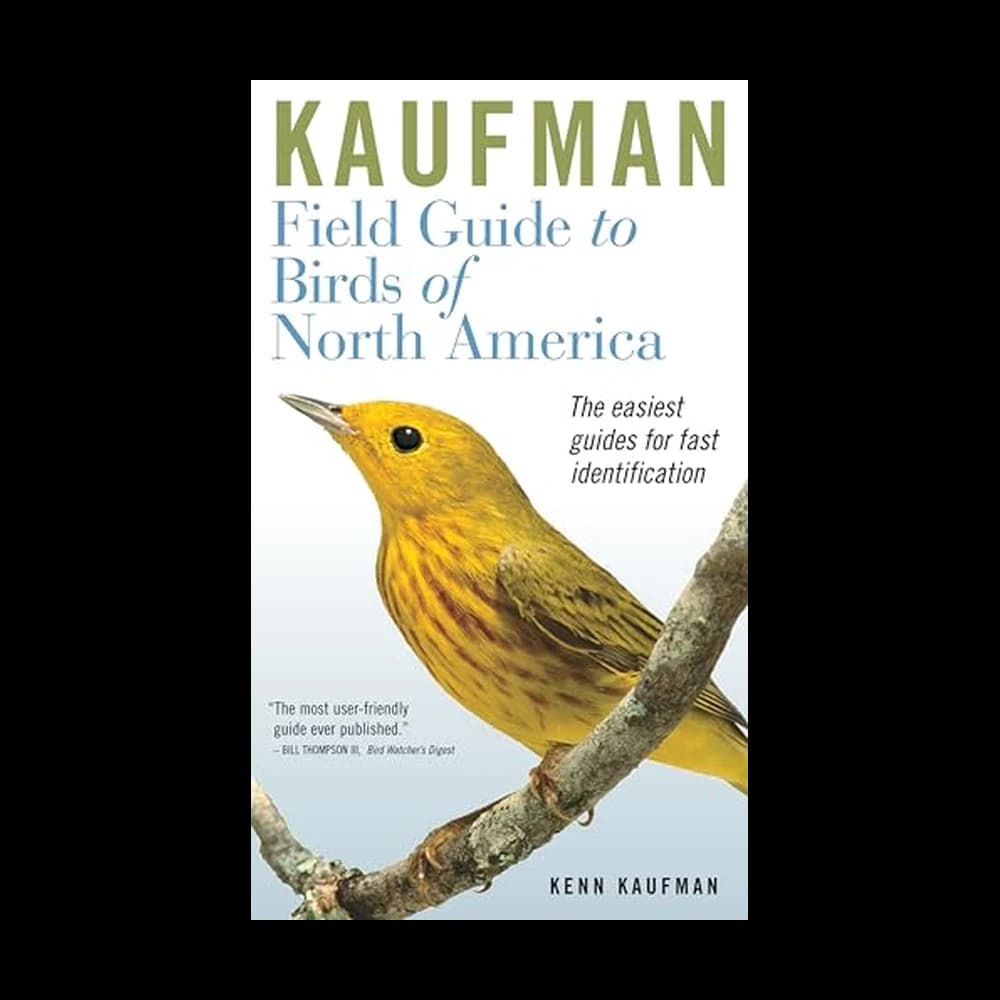
When you want to settle it at home, a paper field guide is still the thing that explains why an identification is right rather than just naming it. The Kaufman Field Guide to Birds (on Amazon) is photo-based and beginner-friendly, which is exactly the shape of tool this routine wants.
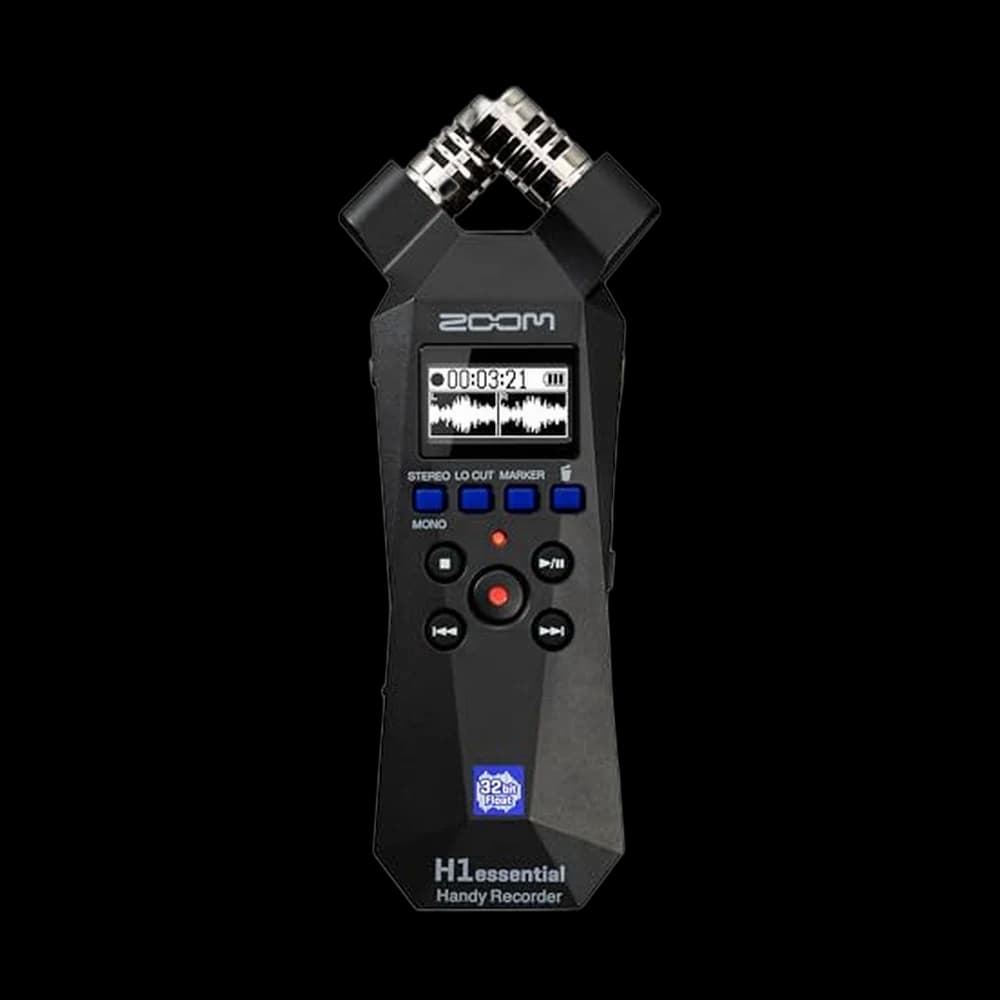
Useful gear for this guide
Optional, subject-matched picks from our live catalog—not a requirement for doing the advice above.
Next: put a name to the regulars in your yard.
Frequently asked
What should I notice first when identifying a bird?+
Start with overall size and shape: body proportions, tail length, posture, legs, and wing shape. Those clues stay visible in poor light and narrow the bird to a useful family before you inspect color.
Why is bird color sometimes misleading?+
Light, distance, feather wear, age, sex, and season can change how plumage appears. Record the arrangement of light and dark areas, then use a small color mark only to confirm a shortlist.
What if I cannot identify the bird to species?+
Stop at the highest level the evidence supports: family, genus, or a two-species shortlist. Unidentified is a normal field result, and it is more useful than forcing a confident but unsupported name.
Should I use Merlin before or after taking notes?+
Take a ten-second note first, then use Merlin as a shortlist tool. Writing shape, bill, behavior, habitat, and sound before seeing suggestions protects your original observation from confirmation bias.
Sources & further reading
We research from primary and authoritative sources. Where our guidance rests on a fact, here's where it comes from.
- Building Skills: The 4 Keys to Bird Identification — Cornell Lab — Primary framework for starting with size and shape, color pattern, behavior, and habitat before small field marks.
- How to Identify Birds — National Audubon Society — Supports structure-first identification, behavior and flight clues, note-taking, sound, range, and the honest limits of field identification.
- Identifying Birds — Project FeederWatch — Supports making a sketch or written record before consulting a guide and observing multiple field characteristics.
Prices and BirdingScores reflect our most recent research and refresh on a cycle; confirm the live price before buying. We may earn a commission from affiliate retailers — it never changes our recommendations. See how we review.