Best Bird Feeders for Winter: Dry Seed, Big Capacity, No Squirrels
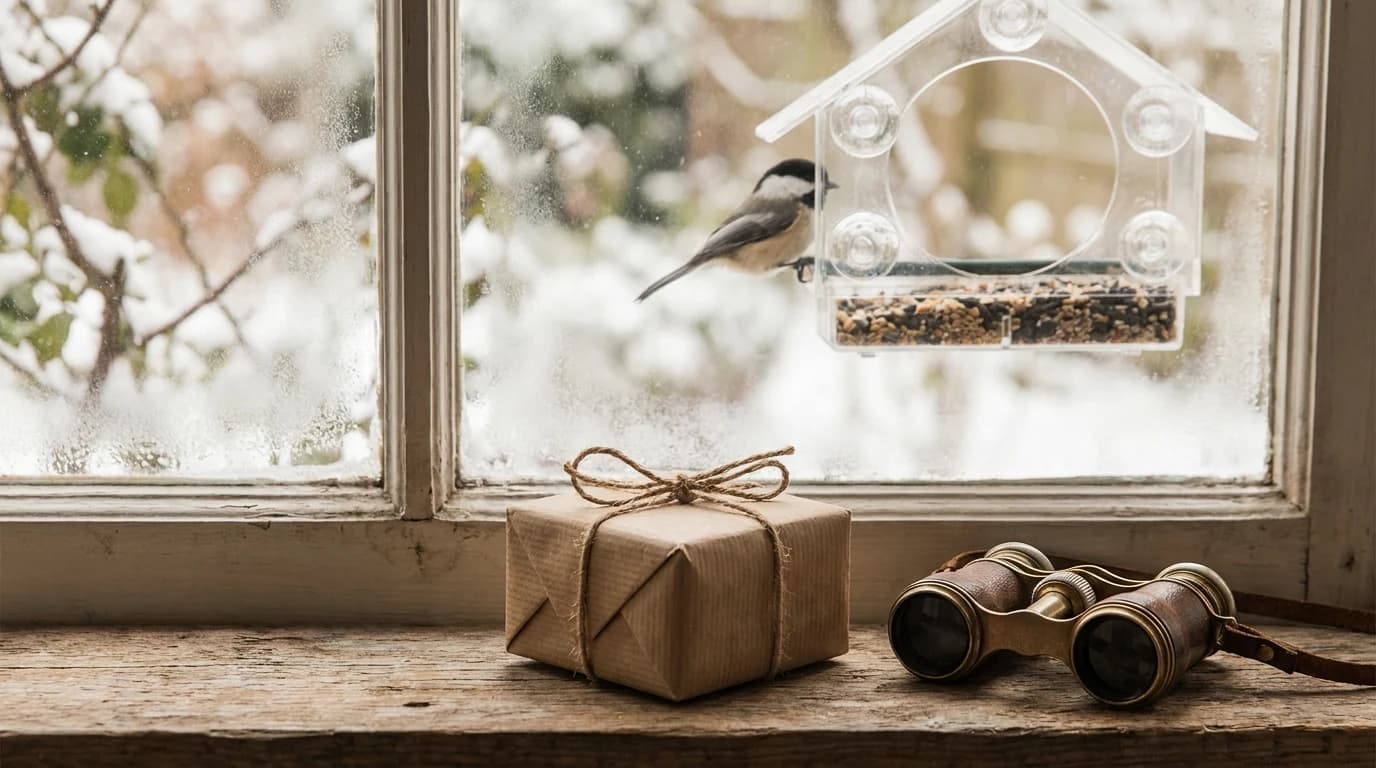
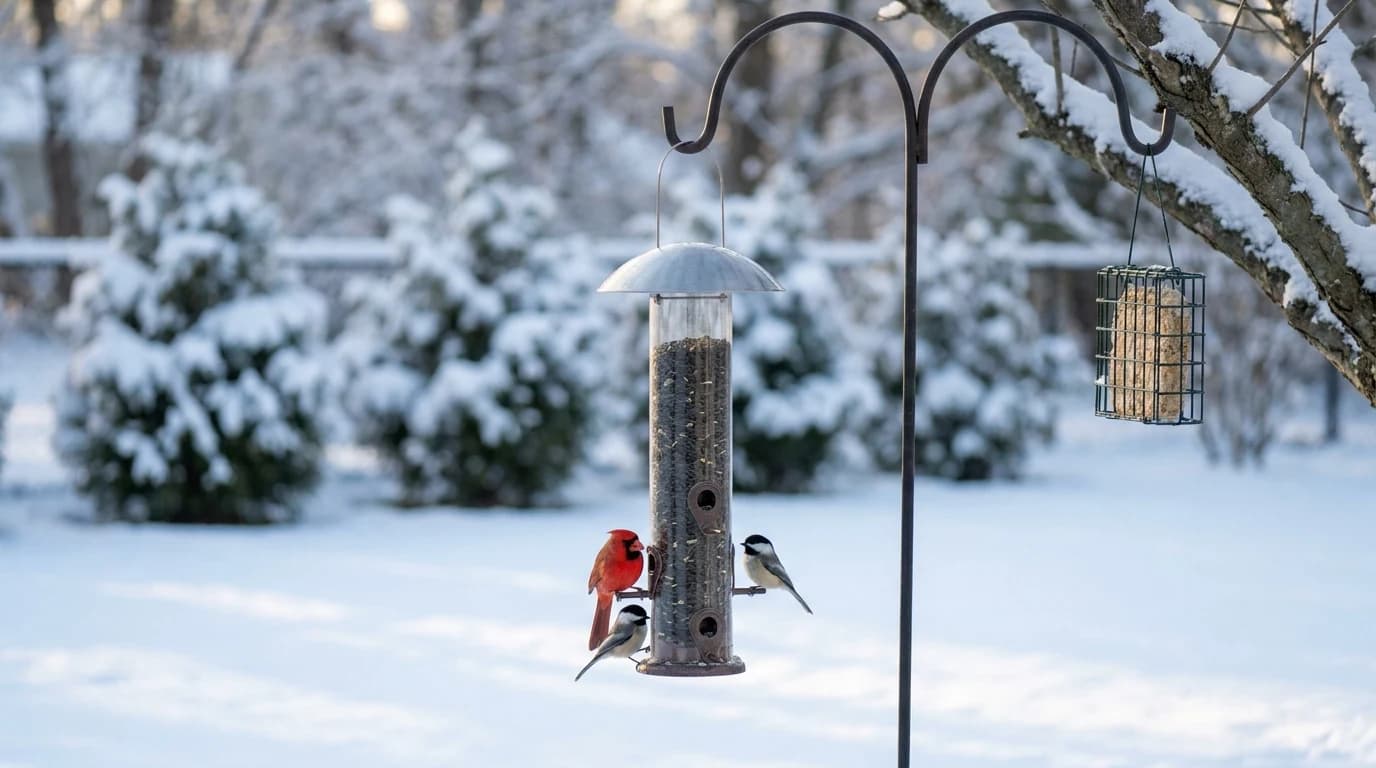
Winter feeders have four jobs: keep seed dry, carry birds through a cold snap, beat squirrels and come apart for washing. Six feeders ranked on exactly that.
Practical, jargon-free birding advice — gear comparisons, backyard how-tos, and the answers to questions every new birder has. No fluff, no gatekeeping.
Showing 10 posts tagged #buying-guide

Winter feeders have four jobs: keep seed dry, carry birds through a cold snap, beat squirrels and come apart for washing. Six feeders ranked on exactly that.

Sorted by birding stage, not price: what a backyard beginner will use, what a hooked birder wants next, and what an experienced birder would return.

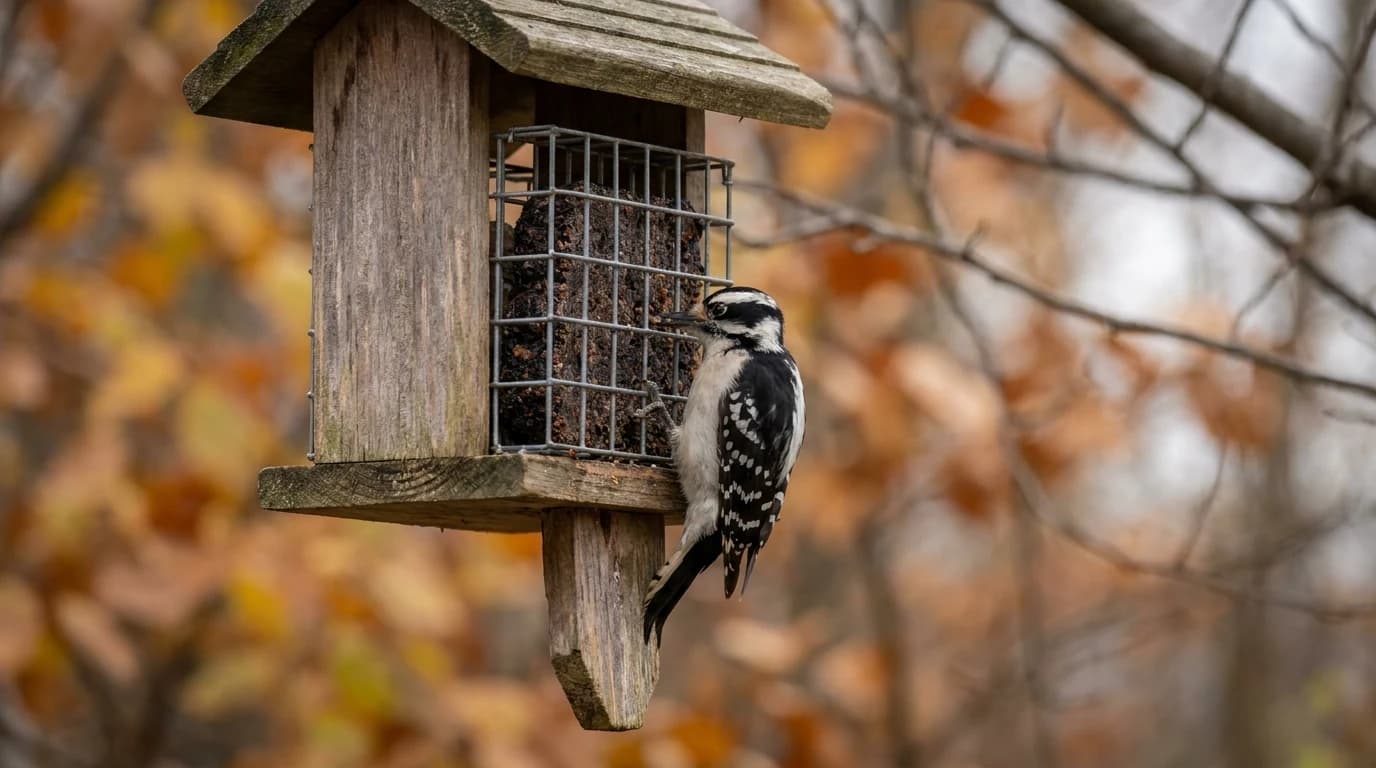
Nearly half of Cornell's 98 common feeder birds take suet, and three will use nothing but a cage. What it is, when to start, and which feeder to hang.

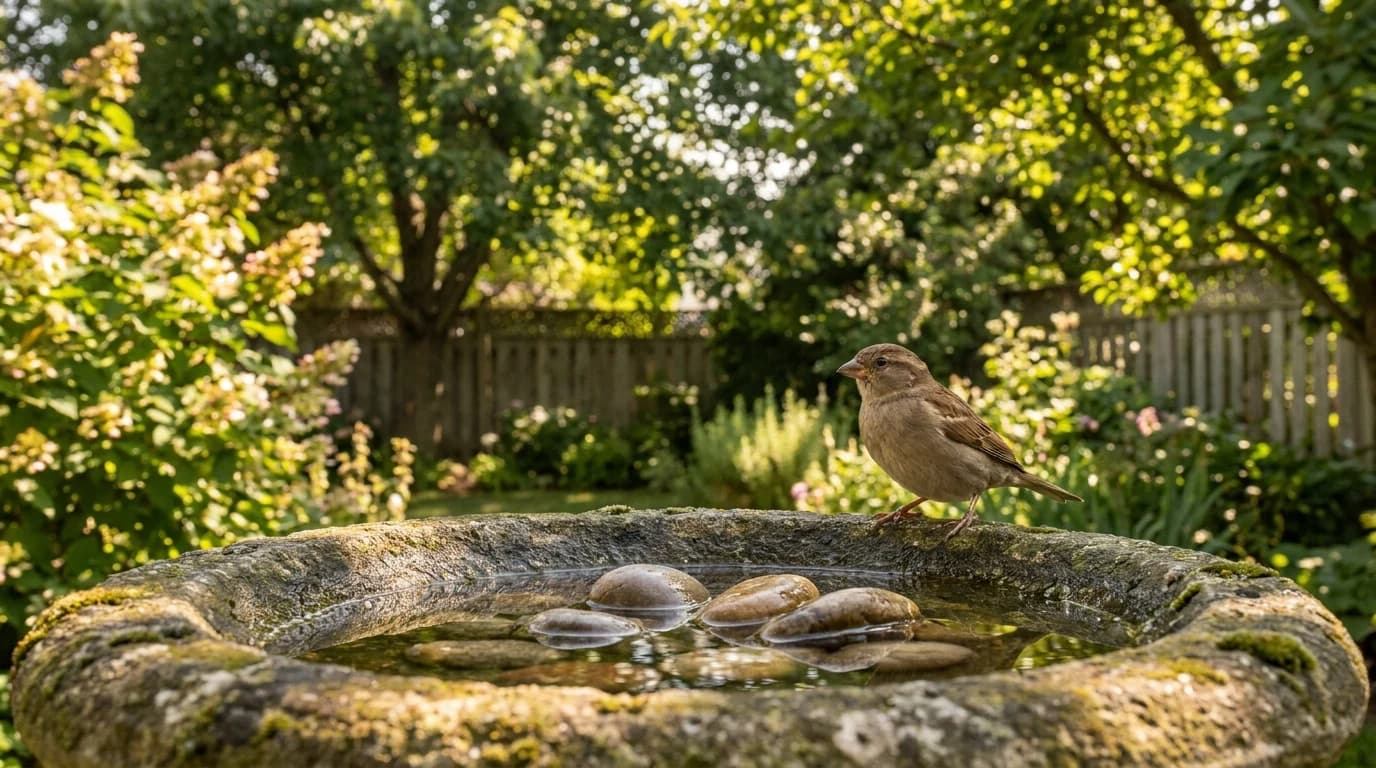
The ornamental concrete pedestal is the bird bath most people buy and the one Cornell steers you away from. Depth, texture and cleanability decide it.

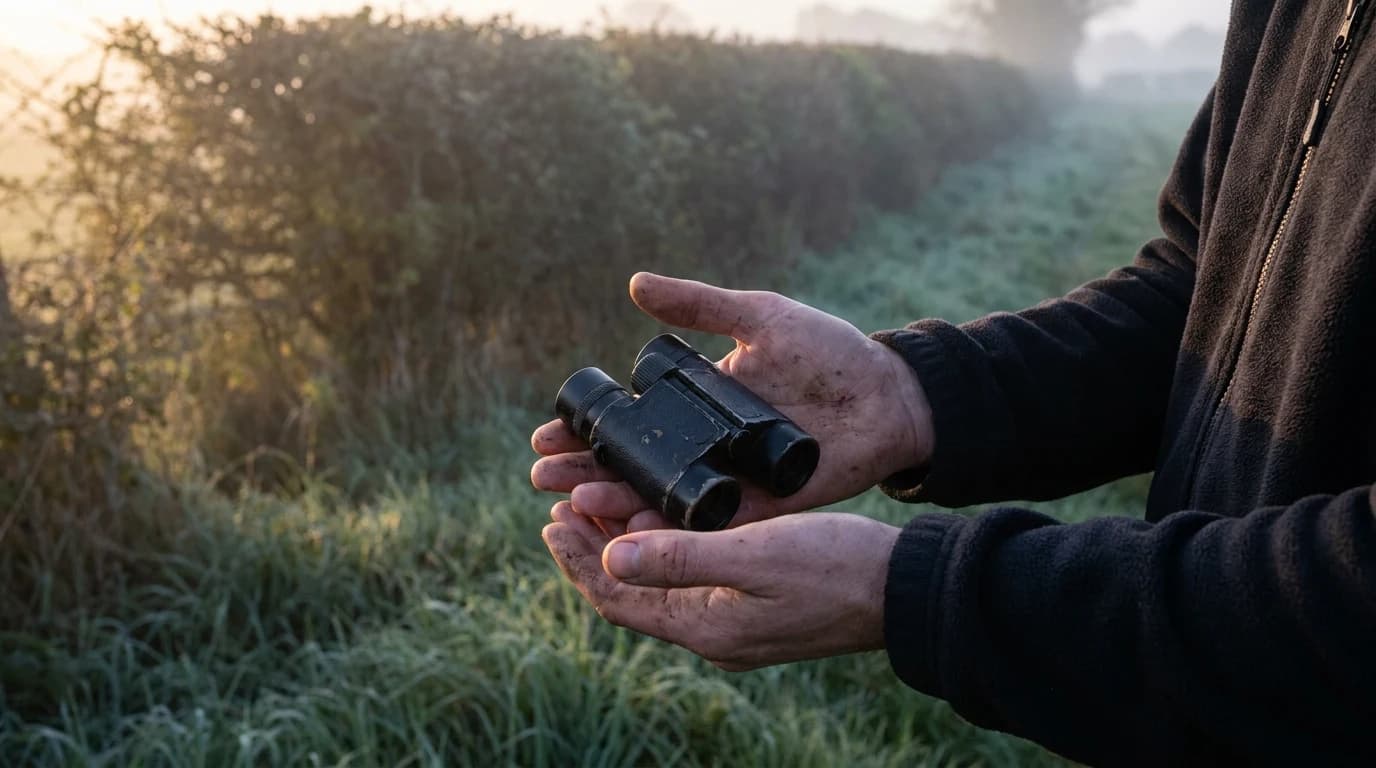
Compact binoculars trade away dawn light. We compare exit pupil, weight and price across five 8x25-8x32 pairs, and say when to buy full-size.

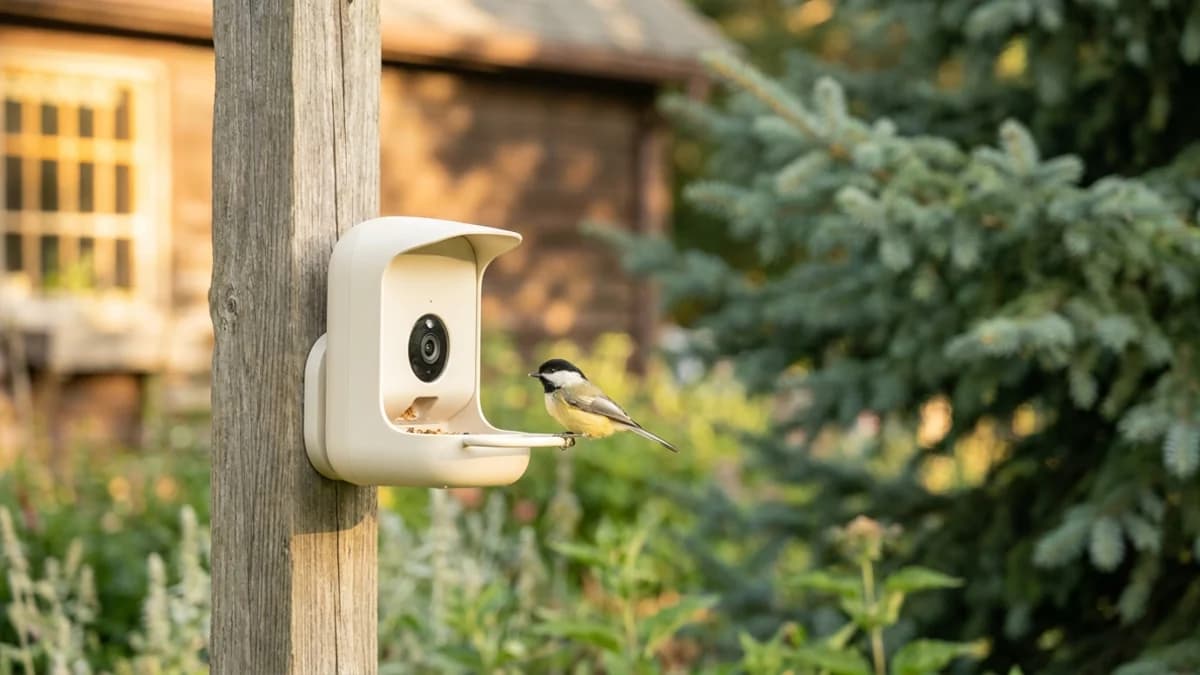
Compare the exact smart-feeder models, free camera features and paid AI plans before choosing. Current plan sources and a calculator for your own costs.

You don't need to spend a fortune on your first pair. Why 8x42 wins under $200, the specs that matter, and how to actually use them in the field.

8x42 is the right pick for most birders — wider view, steadier image, brighter in shade. 10x42 suits open country and raptors.

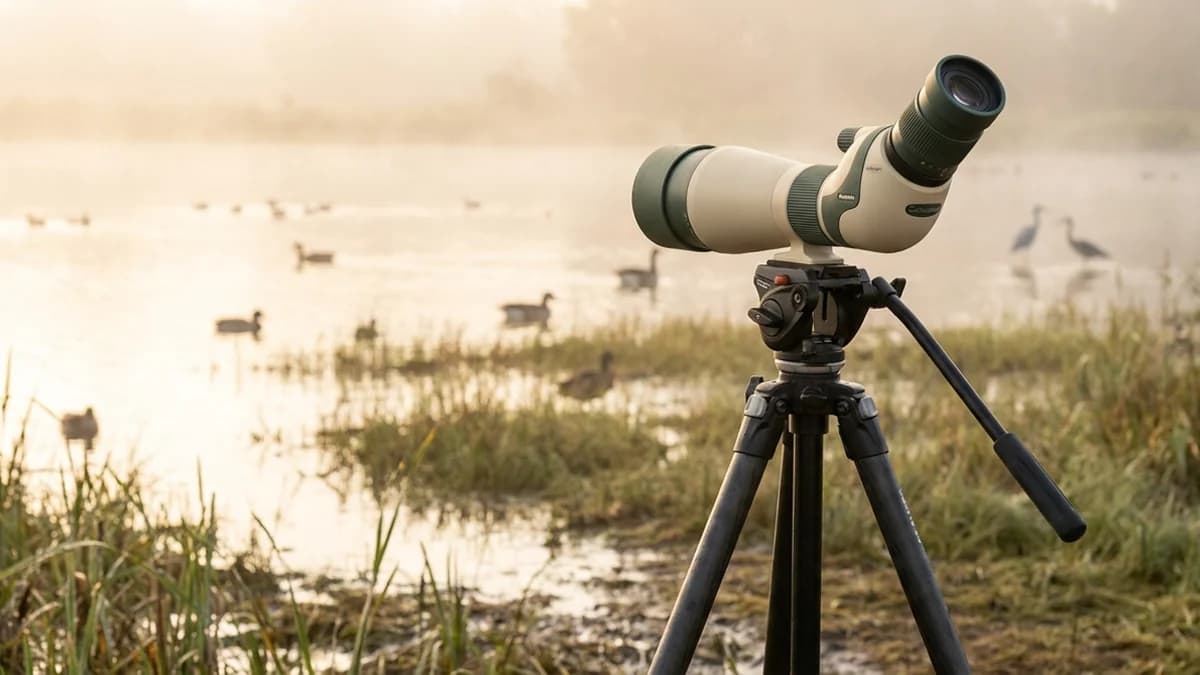
You don't need a spotting scope to start birding — get binoculars first. When a scope is worth it, when it's wasted money, and what to buy instead.

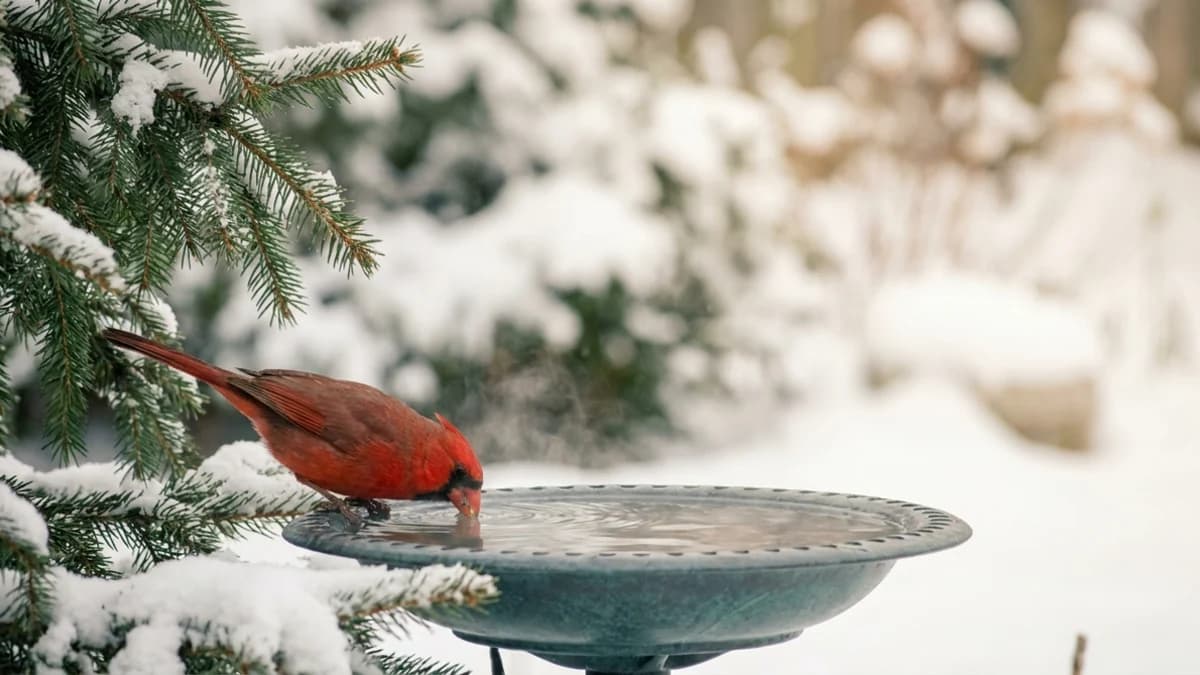
In freezing climates, open water is one of winter's scarcest resources, so a heated bath becomes a magnet when everything else locks up. In mild regions, skip it.