
8x42 vs 10x42 Binoculars for Birding: Which Wins?
8x42 is the right pick for most birders — wider view, steadier image, brighter in shade. 10x42 suits open country and raptors.
The short answer
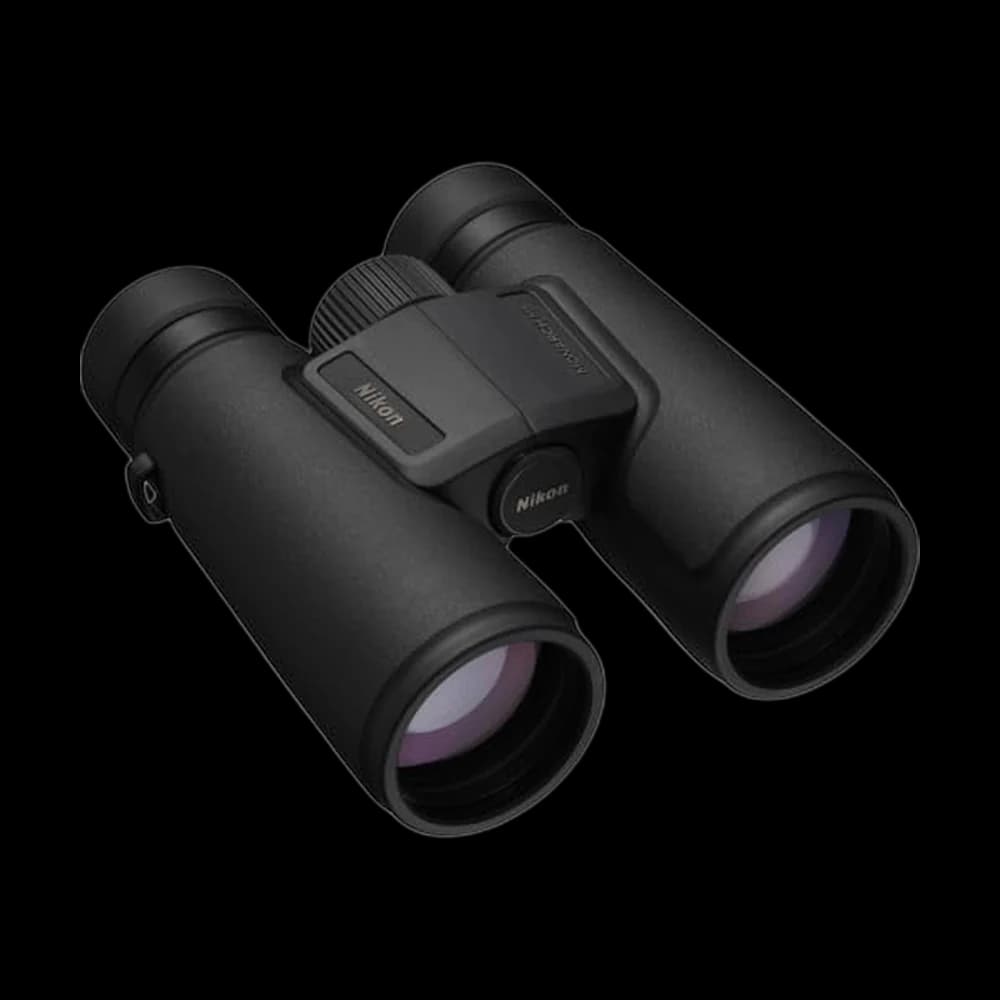
- Eyeglass wearers who prize the class-leading 19.5mm eye relief in a proven, sealed 8x42.
- Skip if you track fast flocks; the 335 ft field is the narrowest here, and some flag durability.
Key takeaways
- 8x42 is right for most birders. Wider field, steadier image, and brighter light make it the easiest all-rounder — especially in woods.
- 10x42 trades comfort for reach. More magnification helps at distance but shows hand-shake and a smaller slice of sky.
- Same 42mm objective, same brightness class. The real difference is field of view and steadiness, not low-light power.
- Glasses wearers should check eye relief, not just the number — a roomy 8x42 is usually the friendlier buy.
Pick by your situation
| If your situation is… | Pick | Why |
|---|---|---|
| You bird mostly in woodland, backyards, or brushy edges | 8x42 | The wider field catches flitting warblers and songbirds fast at short range. |
| You scan open water, marsh, or shorebird flats | 10x42 | Extra reach helps on distant ducks and shorebirds sitting far out. |
| You watch soaring hawks and raptors in open country | 10x42 | Long, open sightlines reward the added magnification on distant specks. |
| Your hands shake or it's your first pair | 8x42 | A steadier, more forgiving image shows more usable detail than raw 10x power. |
| You wear glasses | 8x42 with long eye relief | Roughly 19mm eye relief (e.g., Nikon Monarch M5) shows the full field with glasses on. |
A shortcut by situation — start from the row that sounds like you.
Mid-Range Binoculars: our picks
| Pick | Best for | Rating | Price | |
|---|---|---|---|---|
| TopNikon Monarch M5 8x42 Binocular | The default first serious pair. | ★ 4.7 Amazon | $289.98 | Buy on Amazon |
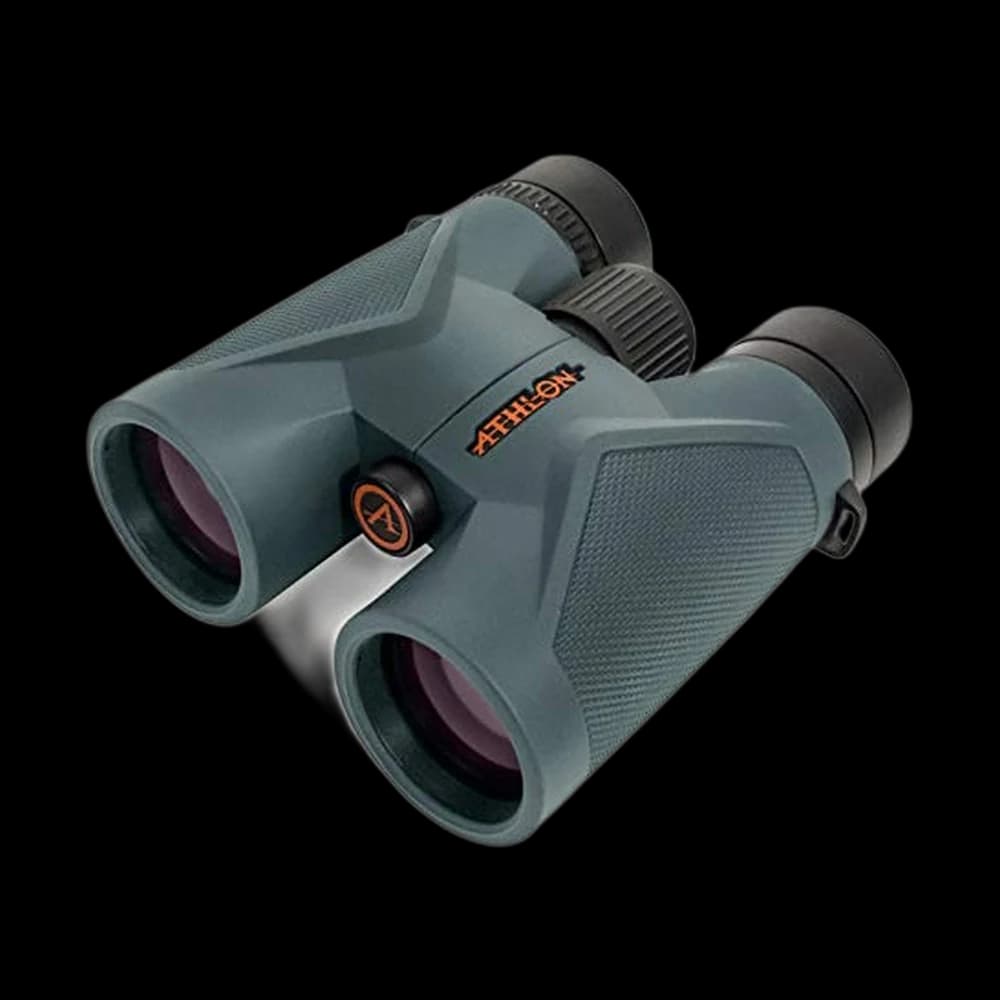 Athlon Optics 8x42 Midas UHD Gray Binoculars with ED Glass for… Athlon Optics 8x42 Midas UHD Gray Binoculars with ED Glass for… | Punches into premium-class brightness. | ★ 4.8 Amazon | — | Check price → |
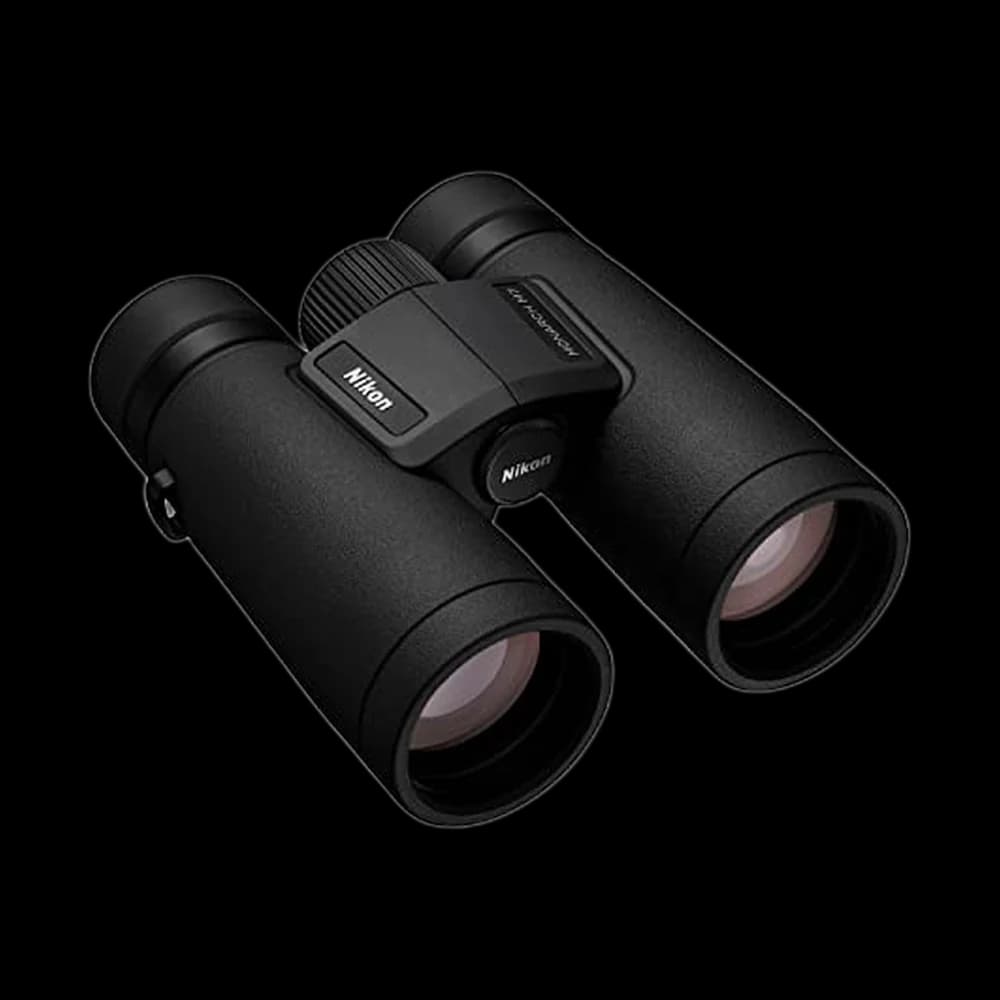 Nikon MONARCH M7 8x42 Binocular Nikon MONARCH M7 8x42 Binocular | Wide 8.3-degree field keeps flocks in view. | ★ 4.6 Amazon | $536.95 | Buy on Amazon |
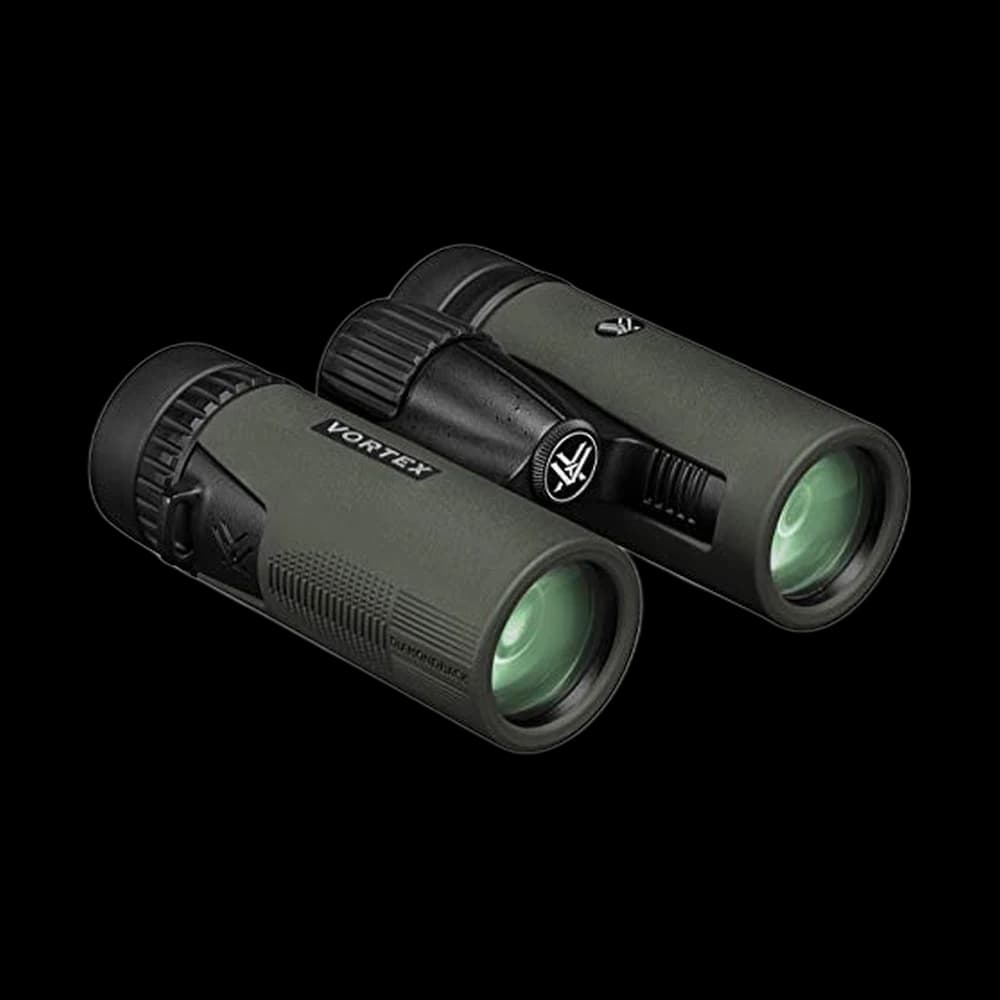 Vortex Diamondback HD 8x32 Binoculars Vortex Diamondback HD 8x32 Binoculars | Unbeatable warranty; the safe first buy. | ★ 4.7 Amazon | $207.50 | Buy on Amazon |
For most birders, 8x42 is the better choice. It shows a wider field, holds steadier in your hands, and looks brighter in shade — the exact conditions where you actually find birds. Pick 10x42 only if you mostly watch open country: shorebirds, waterfowl, distant perched raptors, or hawks in flight.
Both share a 42mm objective lens, so they gather the same amount of light. The number in front (8 or 10) is only the magnification. That single difference cascades into everything that matters below.
How 8x42 and 10x42 actually differ
Think of magnification as a trade, not an upgrade. More power pulls the bird closer but narrows your window and amplifies every tremor in your hands.
| Factor | 8x42 | 10x42 |
|---|---|---|
| Field of view | Wider (~390-435 ft) | Narrower (~320-340 ft) |
| Brightness in shade | Brighter (bigger exit pupil) | Slightly dimmer |
| Image steadiness | Steadier, less shake | Visibly shakier |
| Detail at distance | Good | Better |
| Weight | Same class | Same class |
| Best use | Woods, yards, warblers | Water, fields, raptors |
Field of view is what you notice first
A wider field of view is the single most useful thing when you're learning. Warblers flit, and a fast-moving bird in a shrub is far easier to catch in the 8x42's roomier window.
The 8x42 finds the bird faster — less hunting, less frustration. A 10x42 makes you "aim" more, which costs the exact seconds a bird gives you. In dense woodland, most birds are close enough that 8x is plenty.
Steadiness is the hidden dealbreaker
Higher magnification also magnifies motion. At 10x, your pulse and breathing show up as a wobble; at 8x that shake is noticeably calmer.
Rule of thumb: if your hands shake at all — cold mornings, coffee, or just being human — an 8x42 will feel dramatically sharper than a 10x42, because a steady image reveals more real detail than raw magnification you can't hold still.
Which one fits your birding
10x isn't wrong — it's specialized. If distance is your daily reality, the extra reach pays off.
Stay with 8x42 if you mostly bird:
- Yards, woodlots and hedgerows, where the bird is already close.
- Warblers and other fast movers you have to catch in the window.
- Dawn, dusk and shaded canopy, where the brighter image is forgiving.
Step up to 10x42 if you mostly bird:
- Open water and marsh — ducks and shorebirds sit far out.
- Grasslands and coastlines — long sightlines, little cover.
- Hawk-watches — soaring raptors are already specks.
You'll still often want a spotting scope for the truly distant stuff.
Brightness barely separates the two
Because both are 42mm, neither is dramatically brighter in the dark. But the 8x42's larger exit pupil (5.25mm vs 4.2mm) gives a slightly brighter, more forgiving image at dawn, dusk, and under a shady canopy — when many birds are most active.
Glasses wearers should check eye relief, not power
Check this before magnification: if you wear glasses, eye reliefHow far your eye can sit from the eyepiece and still see the full image — 15mm+ matters if you wear glasses. matters more than the 8-vs-10 question. You want roughly 16mm or more so you see the full field with your glasses on. The Nikon Monarch M5 8x42, for example, is popular for its long ~19.5mm eye relief — comfortable with or without glasses.
The bottom line
Default to 8x42. It's the most versatile, most beginner-friendly, most comfortable choice, and it's what most birders reach for. Choose 10x42 only when your birding is dominated by wide-open distance — and even then, know you're trading away field and steadiness to get it. And if neither fits because you want glass small enough to actually carry, that's a different trade entirely — see our compact binoculars comparison for what you give up and gain.
Compare the actual options
The numbers are a starting rule, not a brand recommendation. Compare current 8×42 mid-range binoculars for field of viewHow wide a scene you see through the glass, usually given as feet at 1,000 yards — wider makes finding flitting birds easier., eye relief, close focus, and weight, or start with the budget binocular comparison if price is the constraint. The Binocular Finder applies the same steadiness, glasses, travel, and budget rules in four questions.
Frequently asked
Is 8x or 10x better for birding?+
8x is better for most birders. It gives a wider field of view, a steadier image, and slightly brighter light in shade — ideal for finding fast, close birds in woods and yards. Choose 10x mainly for open water, fields, and raptors.
Does 10x42 show more detail than 8x42?+
In theory yes, because it magnifies more. In practice the extra magnification also magnifies hand-shake, so unless the image is very steady, a calm 8x42 view often reveals just as much real detail — with far less fatigue.
Which is better for glasses wearers, 8x42 or 10x42?+
Neither number decides it — eye relief does. Look for about 16mm or more so you see the full field with glasses on. An 8x42 with long eye relief, like the Nikon Monarch M5, is usually the most comfortable pick.
Are 8x42 binoculars good for beginners?+
Yes — 8x42 is the classic beginner recommendation. The wide field makes birds easy to locate, the steady image is forgiving, and the bright 42mm glass works well from dawn through dusk. It's the safest first-binocular choice.
Sources & further reading
We research from primary and authoritative sources. Where our guidance rests on a fact, here's where it comes from.
- Field of View Is Important in Birdwatching Binoculars. Here's Why | Cornell Lab of Ornithology (All About Birds) — Backs the field-of-view figures (typical birding binoculars run ~5.5°–8.5°, or 290–470 ft at 1,000 yards) and the rule that field of view shrinks as magnification rises — Cornell's stated reason many birders prefer 8x over 10x.
- Six Steps to Choosing a Pair of Binoculars You'll Love | Cornell Lab of Ornithology (All About Birds) — Supports the core recommendation: 8x is the sweet spot for most birding, while 10x suits long-distance shorebirds, raptors and seabirds but narrows the field and exaggerates hand shake.
- Exit pupil | Basic Information about Binoculars | Nikon — Manufacturer technical page for the exit-pupil formula (objective diameter ÷ magnification, so 42÷8 = 5.25mm vs 42÷10 = 4.2mm) and why a larger exit pupil looks brighter in dim light.
- Eye relief | Basic Information about Binoculars | Nikon — Defines eye relief and states the manufacturer recommendation that eyeglass wearers choose long-eye-relief (high eyepoint) binoculars to see the full field.
Prices and BirdingScores reflect our most recent research and refresh on a cycle; confirm the live price before buying. We may earn a commission from affiliate retailers — it never changes our recommendations. See how we review.