
Best Compact Binoculars for Birding
Pocketable glass for travel, hikes, and festivals — 70% of the weight, most of the view.
Content updated October 21, 2026
The 30-second answer
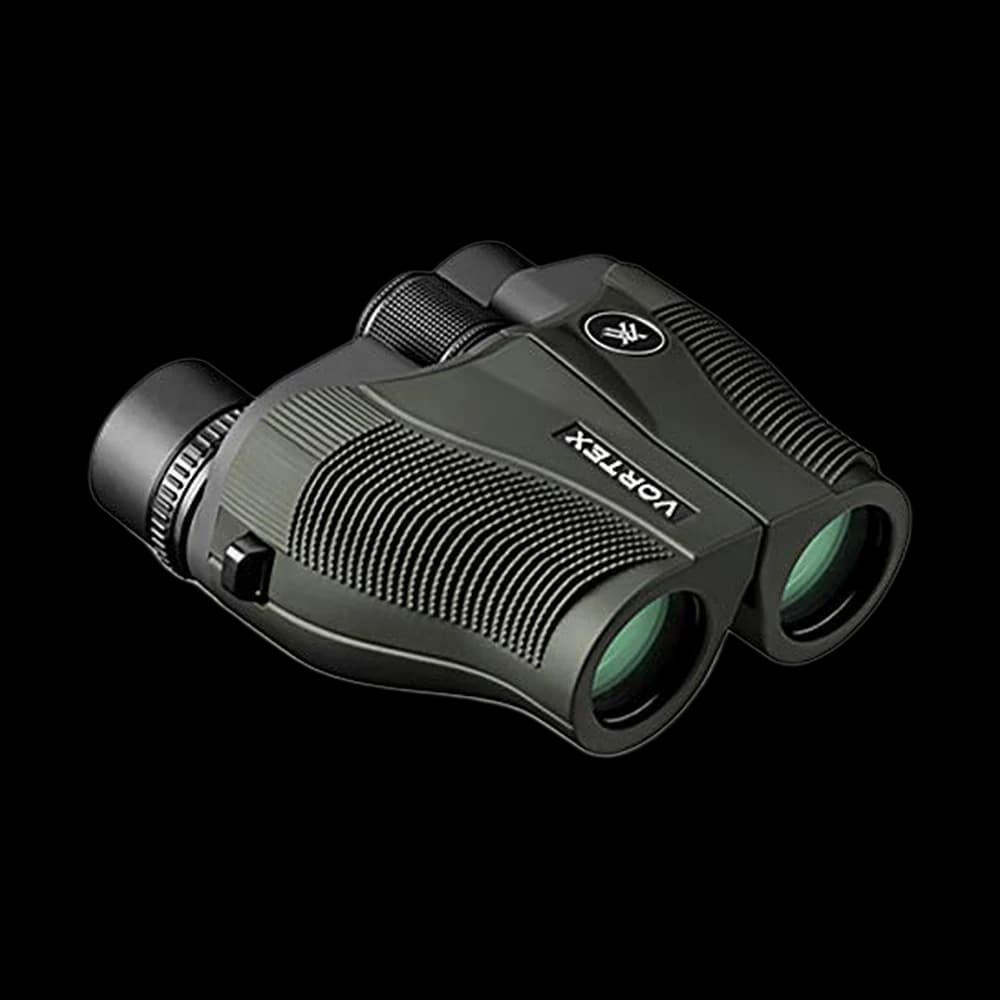
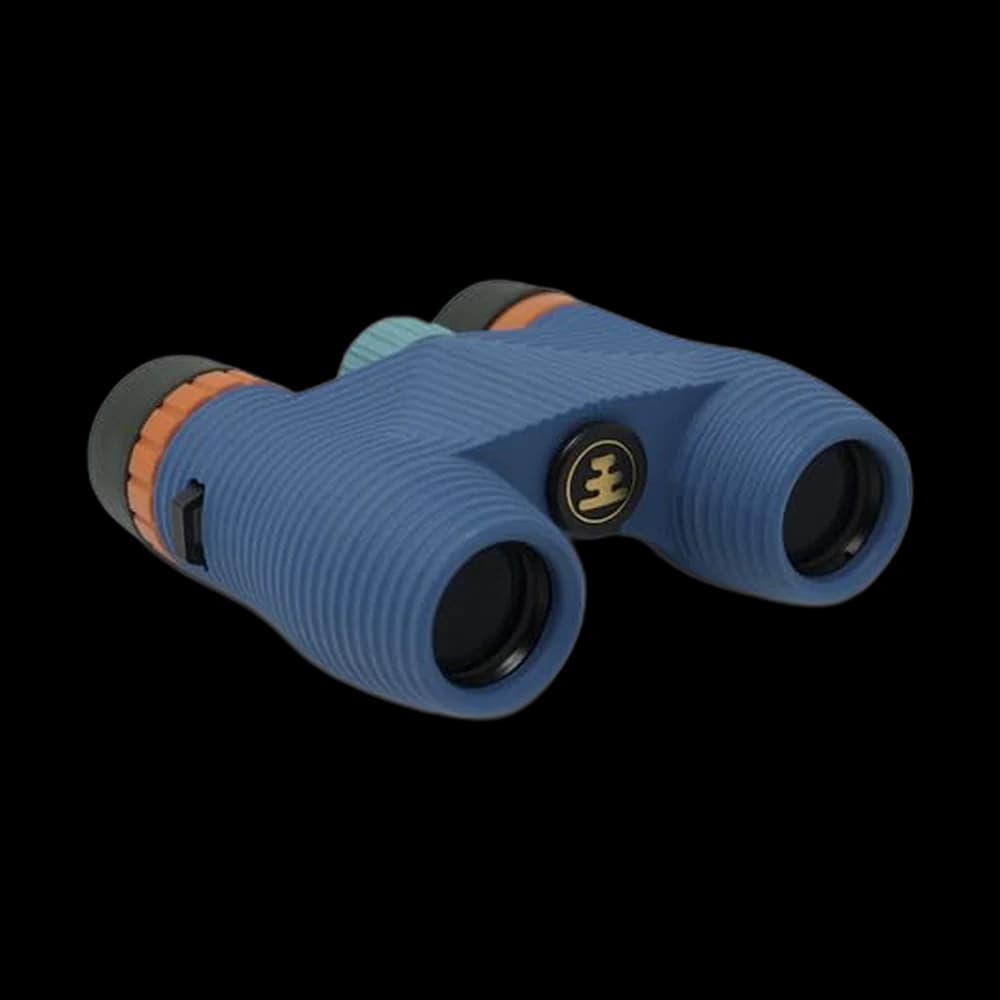
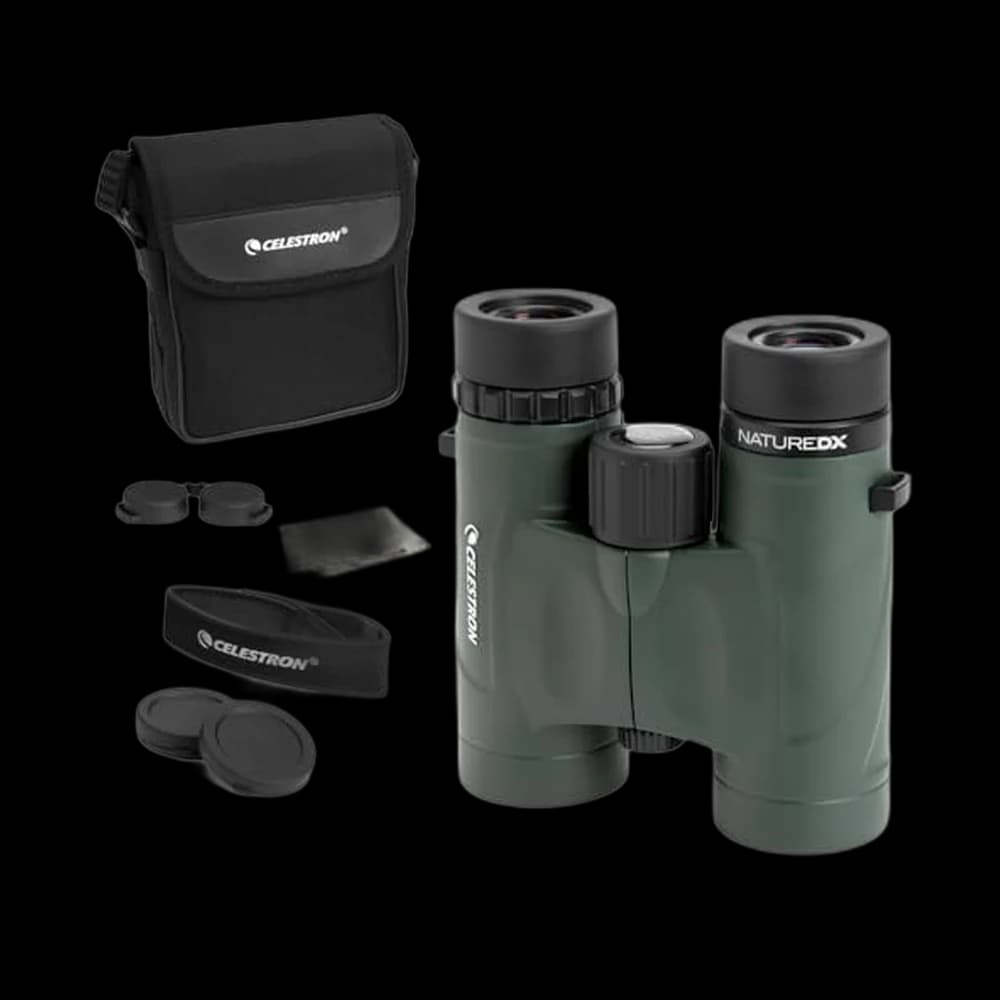
The Vortex Vanquish 8x26 ($99.00) is our top pick — a waterproof, fogproof reverse-porro at 0.8 lb that folds to 4.7 by 4.4 inches and gives a 3.3 mm exit pupil, a touch more than a true 8x25; the Nocs Standard Issue 8x25 ($97.99) is the IPX7 alternative at 0.7 lb, and step up to the Celestron Nature DX 8x32 if you bird at dawn, where its larger 4.0mm exit pupil gives a brighter, more forgiving view.
Top pickVortex Vanquish 8x26
Travelers wanting a 0.8 lb reverse-porro compact plus Vortex's lifetime VIP warranty for under $100.
Buy on Amazon$99.00
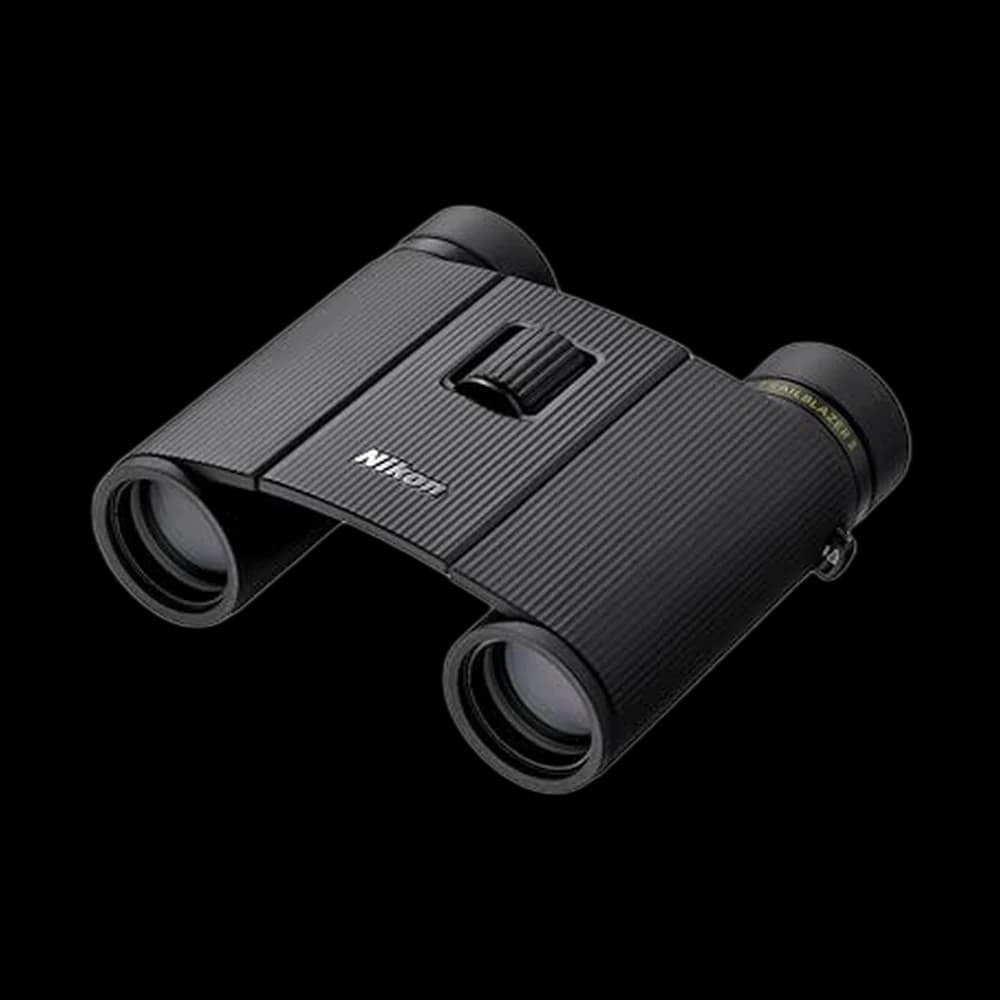
Great valueNikon Trailblazer II 8x25
Budget buyers wanting a genuinely sealed, waterproof compact with a wide 429 ft field for under $100.
Buy on Amazon$99.99
Cheapest alternativeNocs Standard Issue 8x25
Everyday carriers wanting a pocketable 0.7 lb IPX7 pair to wear on every walk.
Buy on Amazon$97.99
Owner ratings come from Amazon; BirdingScore is our separate research score.
Compare two picks
Tap an unselected chip to compare it with your current right-hand pick — all 5 picks available.
BirdingScore
89/100
87/100
Skip it if
You need 42mm low-light reach or reassurance on ruggedness; some buyers flag durability.
You need low-light performance; the 25mm objective dims noticeably in shade and at dusk.
Magnification
8×
8×
Objective lens
26 mm
25 mm
Exit pupil
3.3 mm
3.1 mm
Field of view
352 ft / 1000 yd
357 ft / 1000 yd
Weight
0.8 lb (12.7 oz)
0.7 lb (11.85 oz)
Folded size
4.7 × 4.4 in
4.5 × 4.3 in
Waterproof
Yes — waterproof & fogproof
Yes — IPX7 waterproof & fogproof
Who it's for
Birders who already own a full-size pair and want glass that actually leaves the house — for travel, hikes, festivals, and the jacket pocket.
Who should skip
Skip these if this would be your only binocular. A compact's small exit pupil goes dim exactly when birds are most active — at dawn and dusk — and a full-size 8x42 is the safer one-pair choice.
What matters when buying
- Exit pupil — objective divided by magnification. An 8x25 hands your eye a 3.1mm disc of light; the 8x32 in this lineup delivers 4.0mm, and that gap is the whole first hour of the morning
- Real waterproofing — every pick here is sealed and fogproof, which cheap compacts often are not
- Weight and folded size — the honest reason to buy one: 10.9-12.7oz pairs ride along on trips a 1.5lb pair never gets invited on
- Hinge design — double-hinge pocket bodies fold smallest but are fiddlier to set to your eyes each time you unfold them
Common mistakes
- Buying a compact as your first and only pair — it's a second binocular, not a starter binocular
- Expecting daylight performance at dawn and dusk, when a small exit pupil can't feed a dilated eye
- Ignoring the 8x32 middle ground — birders on the forums push newcomers toward a 32mm over a true pocket 25mm for exactly this reason
How we chose: BirdingScore blends owner satisfaction with field value from manufacturer specs and thousands of owner reviews rather than our own optical bench tests. In this category we weighted exit pupil, sealed construction, and carry weight — the three things owners actually mention after purchase.
The constraint-stacked answer
For glasses, travel, and real field use together, start with an 8×25 that has twist-up eyecups and confirm its eye relief on the product page. Choose the 8×32 Nature DX when dawn and shade matter more than fitting a pocket; it adds roughly half a pound but gives a larger 4 mm exit pupil.
What we'd skip
- Ultra-cheap 10×25 mini-binoculars: The combination of high magnification and a tiny objective produces a narrower, dimmer, shakier view—the opposite of what a travel pair should make easy.
Useful add-ons under $40
Three inexpensive additions that solve real field problems; none is required to enjoy the binoculars.
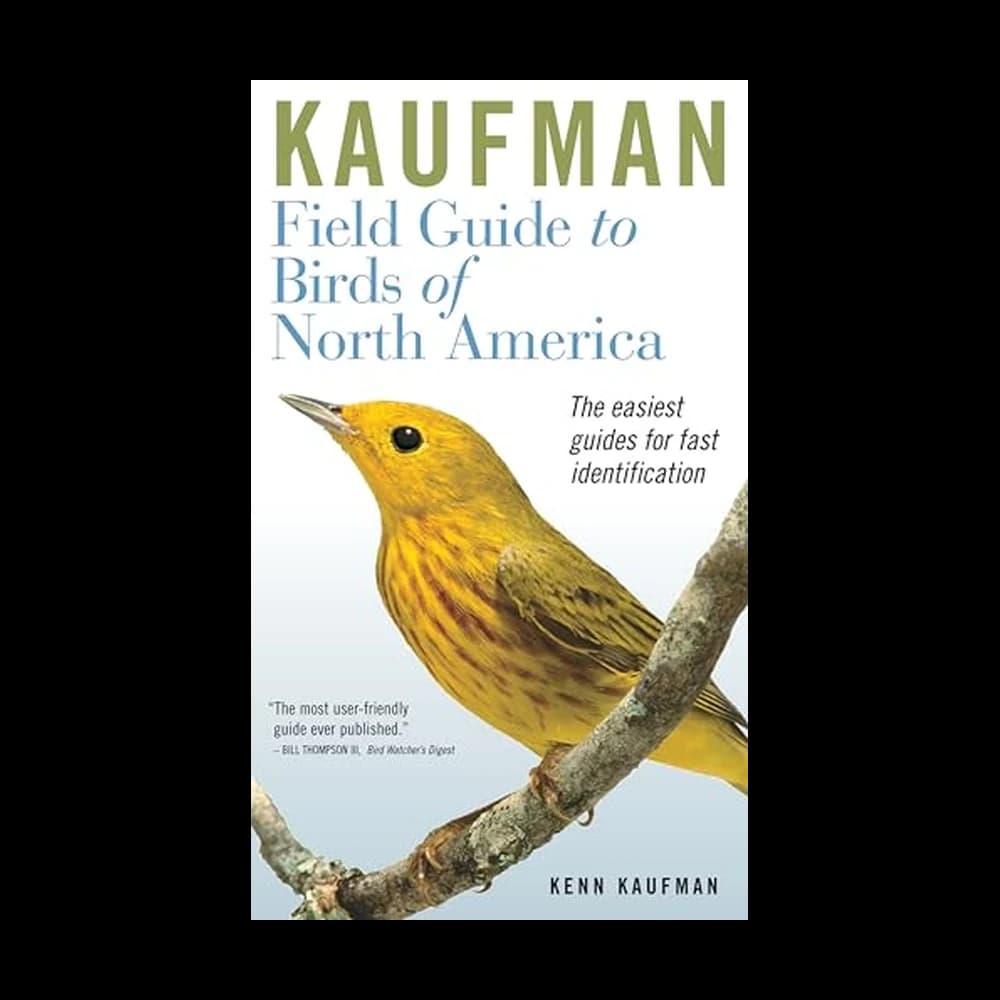
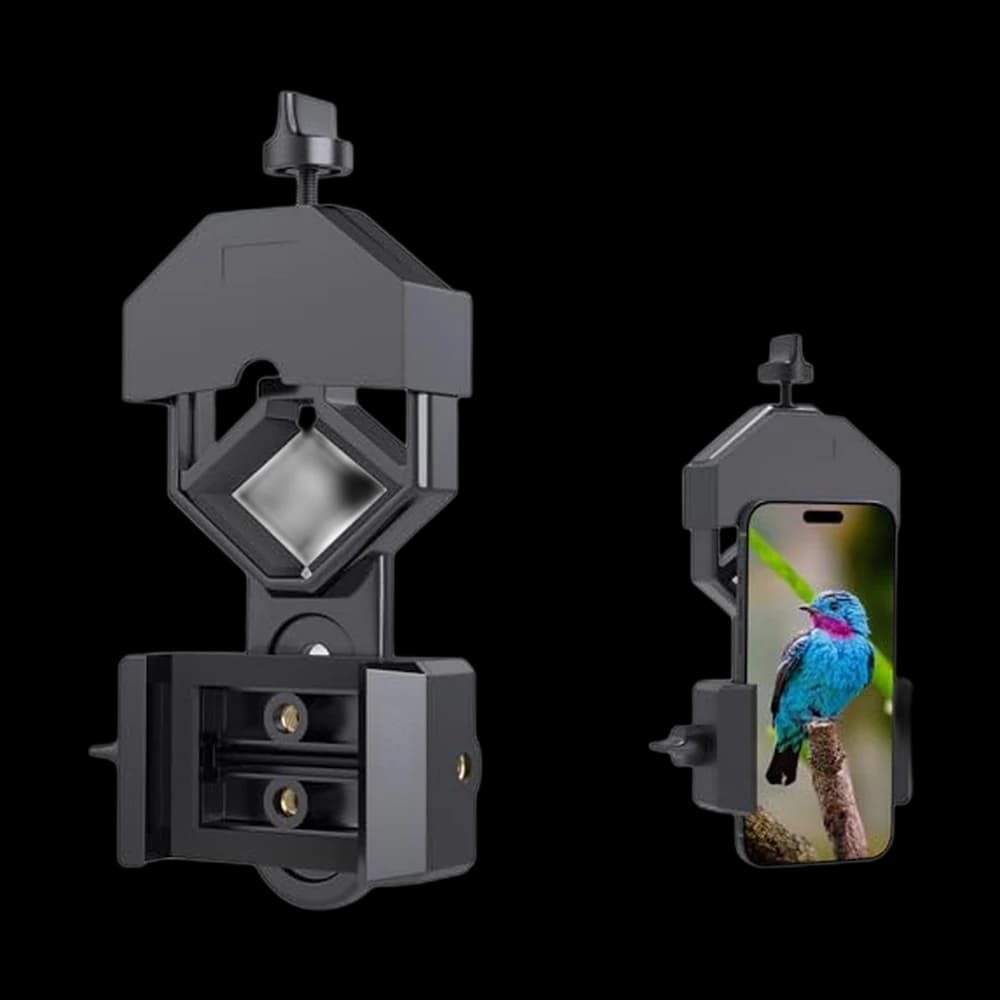
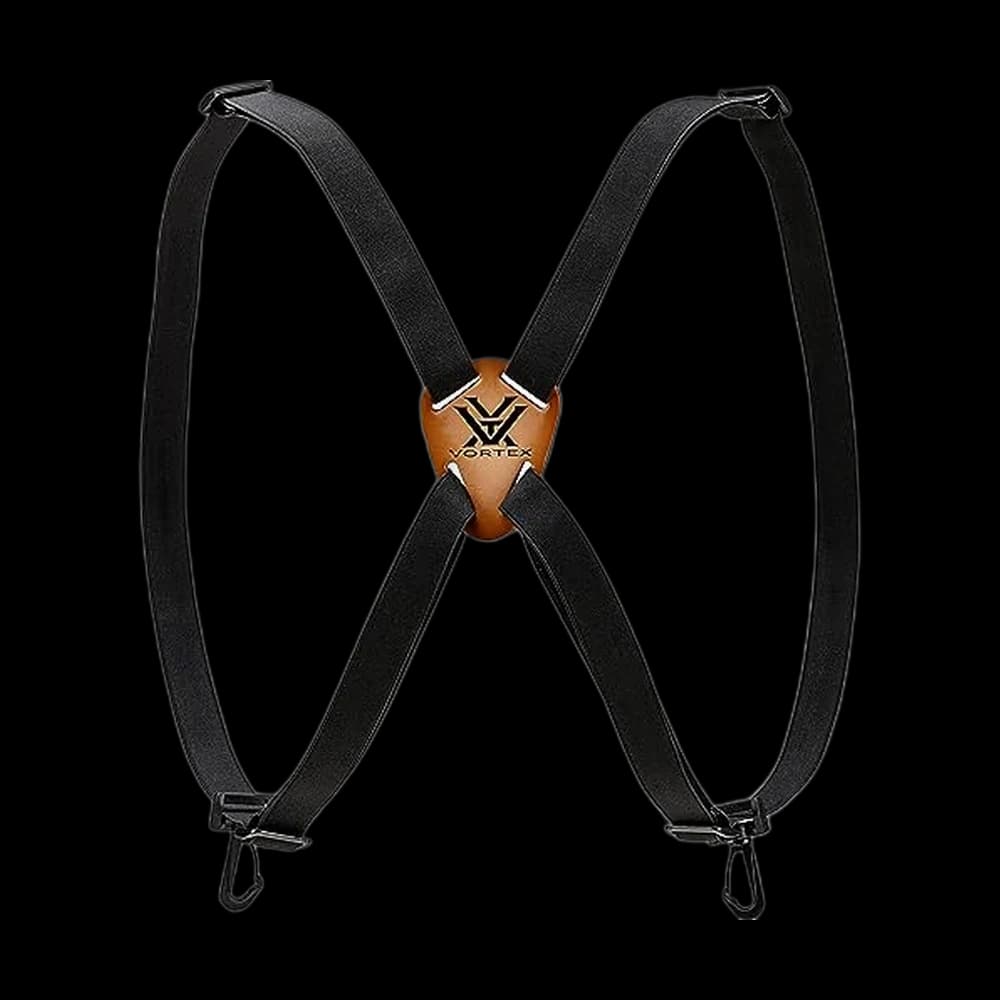
Compare field guides & books →Compare phone digiscoping adapters →Compare binocular harnesses & straps →
Compare all gear & how we scoreEvery pick, reviewed
89Bird
Vortex
Vortex Vanquish 8x26
Reverse-porro brightness plus Vortex warranty.
Skip it if: You need 42mm low-light reach or reassurance on ruggedness; some buyers flag durability.
4.7 Amazon(379)$99.00
87Bird
Nocs Provisions
Nocs Standard Issue 8x25
Waterproof, warrantied, worn on purpose.
Skip it if: You need low-light performance; the 25mm objective dims noticeably in shade and at dusk.
4.5 Amazon(532)$97.99
79Bird
Celestron
Celestron Nature DX 8x32
Half-size Nature DX, same sealing.
Skip it if: You bird mostly at dawn and dusk; the 32mm objective gathers less light than a 42mm.
4.4 Amazon(381)$139.95
78Bird
Nikon
Nikon Trailblazer II 8x25
The best cheap sealed compact.
Skip it if: You need dusk brightness; the small 25mm objective limits low-light detail versus a 42mm. Rated 4.1 stars on about 60 ratings, just under our usual 4.3 bar, on a new 2026 model.
4.1 Amazon(60)$99.99
75Bird
ZEISS
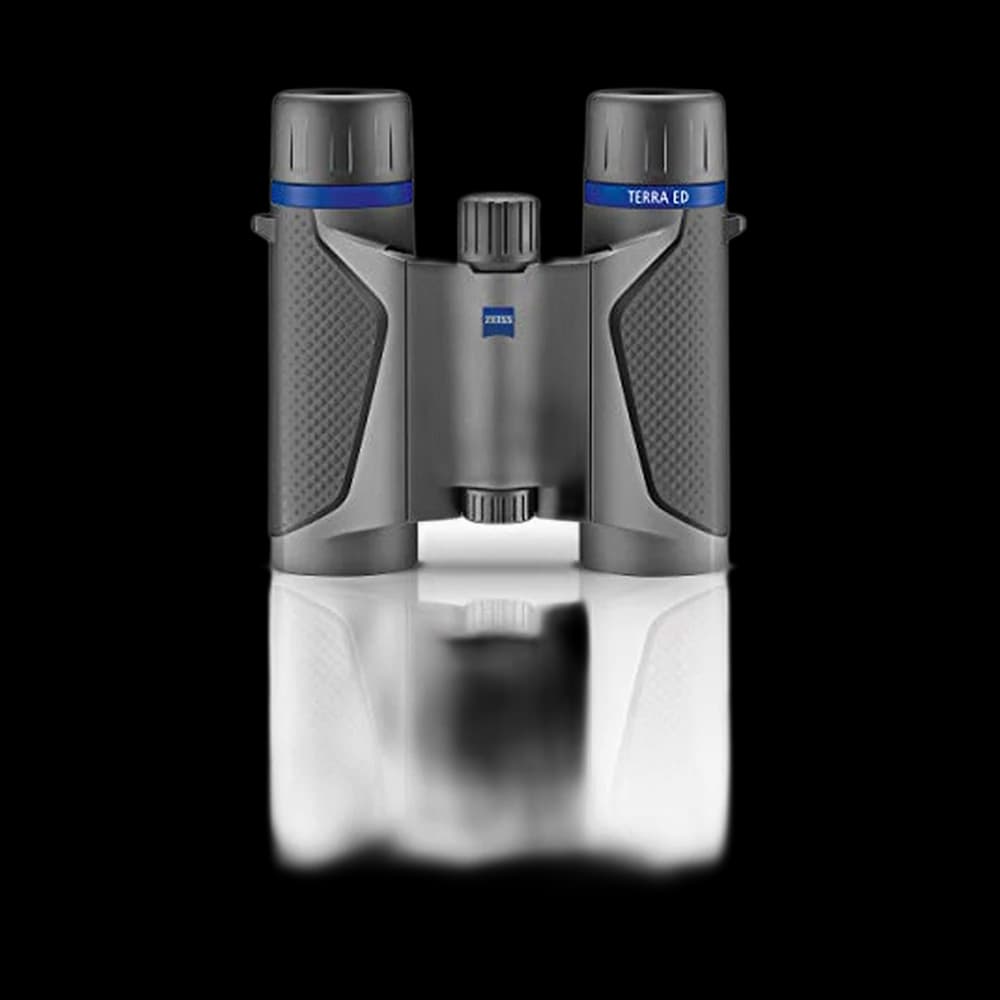
Zeiss Terra ED Pocket 8x25
Real Zeiss glass in a jacket pocket.
Skip it if: You're value-focused or fussy about focus feel; $399.99 for 25mm is steep and buyers note focusing.
4.5 Amazon(353)$399.99
From the birding community
What birders actually say about compact & travel binoculars
Recurring themes we found across 115 public discussion threads in r/birding, r/Binoculars, read in July 2026. We summarise what comes up repeatedly and link the threads — we never quote or identify anyone, and these forums don't give us vote counts, so treat this as the shape of the conversation rather than a measured majority.
Comes up again and again
The compact you actually carry beats the full-size you left at home
Travellers, backpackers and people who bird with a camera make the same case: a pocketable pair gets used on trips where a 42mm body stays in the bag. That convenience, not optical quality, is the reason to buy one.
The dissenting view
Experienced birders push people toward an 8x32 instead of an 8x25
A 32mm is repeatedly framed as the real sweet spot for a second pair, small enough to travel with but without the tunnel-vision feel and dim dusk performance that people report from true pocket 25mm models.
The recurring complaint
Small exit pupil is the complaint that comes up after purchase
The recurring regret is low-light performance: pocket binoculars are described as fine in bright daylight and disappointing at dawn and dusk, which is exactly when birding happens. Glare and flare on cheaper compacts get flagged too.
The recurring complaint
Double-hinge bodies and warranty limits draw grumbles
The folding double-hinge design is described as fiddly to set consistently, and at least one account describes a premium compact falling outside warranty with a repair quoted above replacement cost.
Guides for buying Compact & Travel Binoculars
Frequently asked
Are compact binoculars good enough for birding?+
The case travellers and photographers make is that the compact you actually carry beats the full-size pair you left at home. Convenience, not optical quality, is the reason to buy one.
8x25 or 8x32?+
Experienced birders push people toward the 8x32. It is small enough to travel with but avoids the tunnel-vision feel and dim dusk performance that owners report from true pocket binoculars. Our top pick, the Vortex Vanquish 8x26, and the Nocs Standard Issue 8x25 are the exceptions that earn their place on weight: 0.8 and 0.7 lb and sealed against water, they are the pairs you will actually carry.
What do people regret about pocket binoculars?+
Low-light performance. The small exit pupil is fine in bright daylight and disappointing at dawn and dusk — which is exactly when most birding happens.
Sources & research (9)Show
- Exit pupil | Basic Information about Binoculars | Nikon — Manufacturer technical page for the exit-pupil formula (objective ÷ magnification), the ~7mm dark-adapted and 2-3mm daylight human pupil figures, and the statement that an exit pupil smaller than your pupil makes images look dark.
- Which Binocular Design Is Right for You—Full-Size, Compact, or Pocket? | Cornell Lab (All About Birds) — Backs the tunnel-vision effect from a narrow exit pupil, the full-size (~1.6 lb) vs pocket (~11 oz) weights, the wider spread of image quality in small binoculars, the fiddly-eyecup and tiny-focus-wheel drawbacks, full-size as the best starter choice, and the advice to buy premium if you want pocket size.
- How To Choose Binoculars: Our Testing Tips | Cornell Lab (All About Birds) — Source of the weight figures: a typical 8x42 runs about 1.6 lb (726 g), a compact 8x32 nearly half a pound lighter, and pocket binoculars about 11 oz (302 g).
- Nature DX 8x32 Binoculars — Specifications | Celestron — Manufacturer spec page: 4mm exit pupil, 17.5mm eye relief, 18 oz, 388 ft field of view.
- Nature DX 8x42 Binoculars — Specifications | Celestron — Manufacturer spec page for the full-size reference row: 5.25mm exit pupil, 17.5mm eye relief, 22.2 oz.
- Nikon TRAILBLAZER II 8x25 — Specifications | Nikon USA — Manufacturer spec page: 3.1mm exit pupil, 10mm eye relief, 10.9 oz, 8.3° real field of view, roof prism.
- ZEISS Terra ED Pocket — Technical Data | ZEISS — Manufacturer technical data for the 8x25: 3.1mm exit pupil, 16.0mm exit pupil distance (eye relief), 310 g / 10.9 oz.
- Standard Issue 8x25 Waterproof Binoculars — Specs | Nocs Provisions — Manufacturer spec table: 3.2mm exit pupil for the 8x25 and 2.5mm for the 10x25, 10mm eye relief, 336 g / 11.85 oz.
- Vanquish 8x26 Binocular — Specifications | Vortex Optics — Manufacturer spec page: 15.0mm eye relief, 352 ft field of view, 12.7 oz, and the lifetime VIP warranty.
Keep narrowing the choice
Prices and ratings shown are the most recent values we pulled from affiliate retailers and refresh on a recurring cycle; confirm the live price before buying. See how we score.