
When Do Hummingbirds Come Back? Region-by-Region
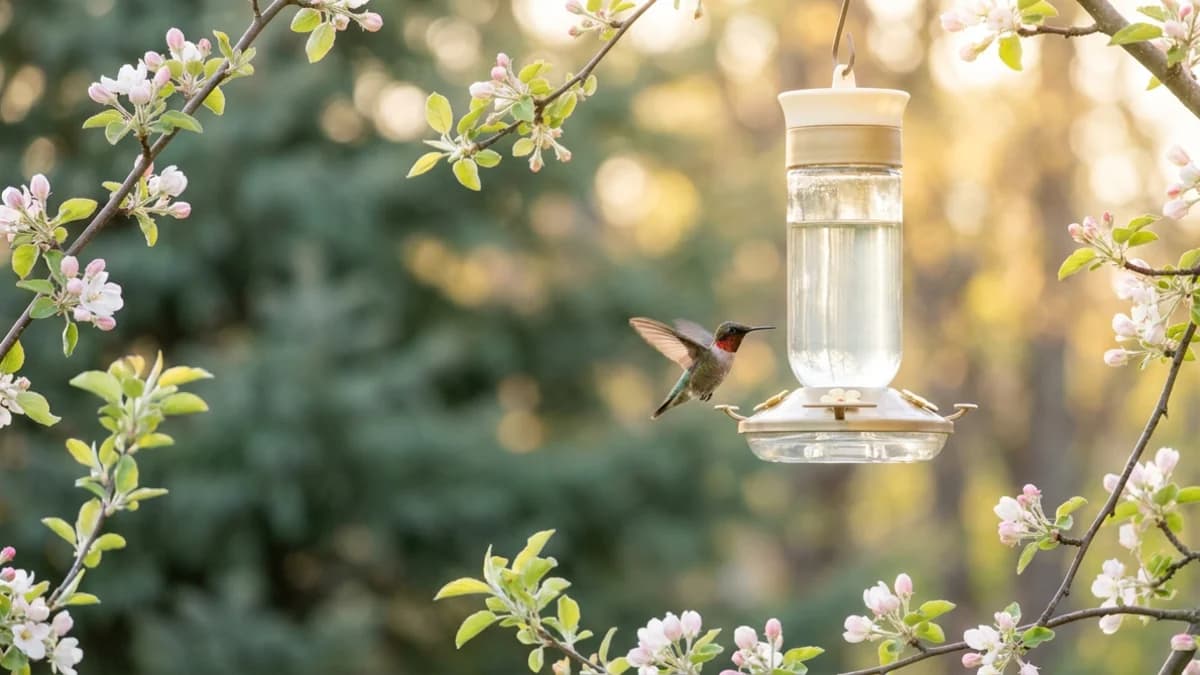
Ruby-throated hummingbirds hit the Gulf Coast by late Feb-March, mid-latitudes by April, and Canada by early-mid May. Hang feeders ~1-2 weeks early.
The short answer
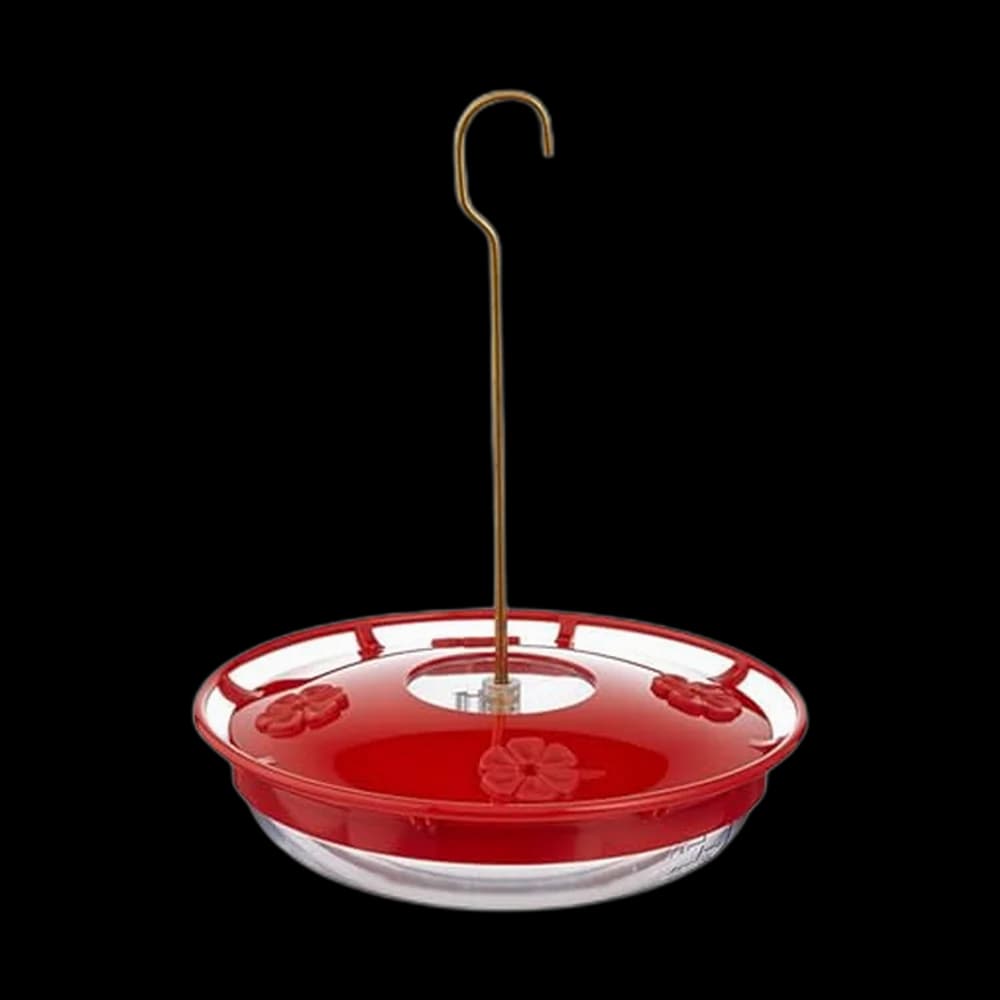
- Birders wanting the easy-clean saucer benchmark: unbreakable polycarbonate, built-in ant moat, and bee-resistant ports.
- You need high capacity: it holds just 12oz across 4 ports for busy yards.
Key takeaways
- South first, north last. Arrivals sweep northward — Gulf Coast late Feb-March, mid-latitudes April, Canada early-mid May.
- Hang feeders ~1-2 weeks early. Put nectar out before your region's typical first-sighting so scouts find it.
- Dates drift yearly. Weather shifts spring by a week or two, so treat these as typical windows, not fixed dates.
- West Coast is different. Anna's stays year-round in parts of the Pacific coast; Rufous pushes north early, from late winter into spring.
Pick by your situation
| If your situation is… | Pick | Why |
|---|---|---|
| If you want the easiest feeder to keep clean | Aspects HummZinger HighView | The saucer design comes apart fast, so mold-free nectar is simple to maintain |
| If you want to feed a busy yard cheaply | First Nature 32 oz | Large capacity and a wide mouth make it inexpensive and quick to refill |
| If you're not sure when they'll arrive | Hang the feeder 1-2 weeks early and track a live migration map | Scouts move on if there's no food, and dates shift with the weather each spring |
A shortcut by situation — start from the row that sounds like you.
Hummingbird Feeders: our picks
| Pick | Best for | Rating | Price | |
|---|---|---|---|---|
| TopAspects HummZinger HighView 12 Oz Hanging Hummingbird Feeder - 429,… | The easy-clean saucer benchmark. | ★ 4.5 Amazon | $33.95 | Buy on Amazon |
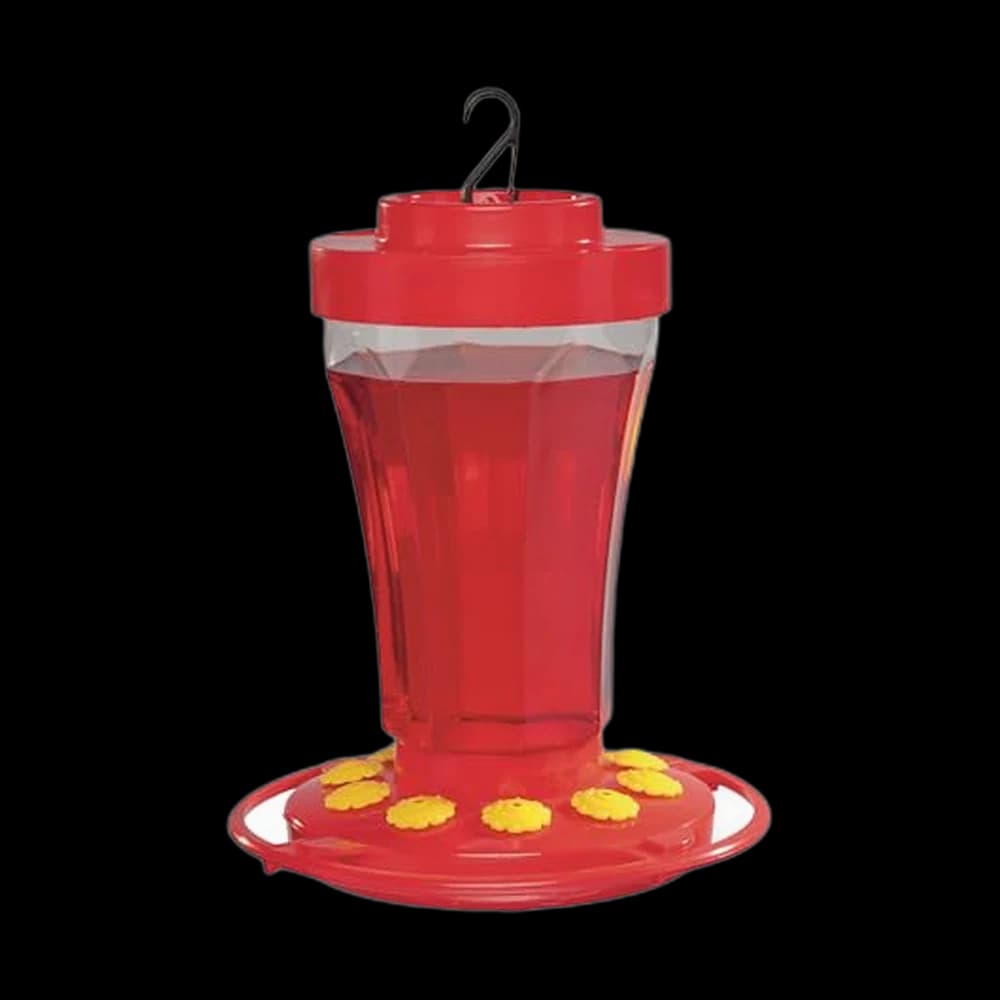 First Nature 32 oz Hummingbird Flower Feeder First Nature 32 oz Hummingbird Flower Feeder | Cheap, big, and easy to fill. | ★ 4.5 Amazon | $16.49 | Buy on Amazon |
Ruby-throated hummingbirds reach the US Gulf Coast in late February through March, the mid-latitudes by April, and Canada and the far north by early to mid May. The simplest rule: put your feeder out about 1-2 weeks before your region's first expected arrival so early scouts find food waiting.
Spring migration moves like a slow wave up the map, and the first males arrive ahead of the females to claim territory.
Typical arrival timing by region
Use these as rough windows, not guarantees — a warm or late spring can shift them by a week or more.
| Region / latitude | Typical first arrivals | Hang feeder by |
|---|---|---|
| Gulf Coast & Deep South | Late February - March | Mid-February |
| Mid-Atlantic & Midwest | Early - late April | Late March |
| Northeast | Late April - early May | Mid-April |
| Canada & far north | Early - mid May | Late April |
| West Coast (Anna's / Rufous) | Anna's year-round; Rufous late winter-spring | Keep up / by February |
Why the dates move every year
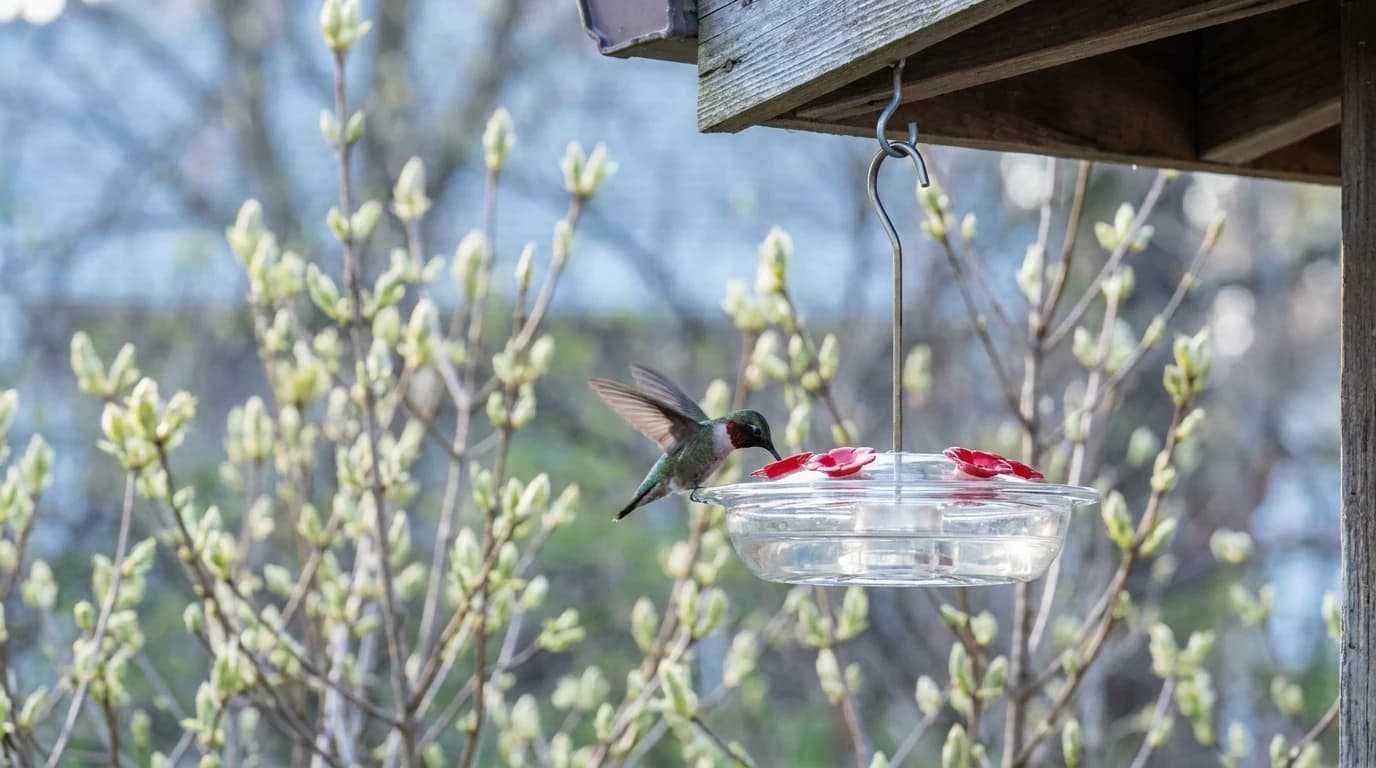
Hummingbirds time migration to weather, day length, and flower bloom, so no two springs match exactly. An early warm spell can pull arrivals forward, a cold, late spring can push them back a week or two, and your yard's microclimate — sun, shelter, early blooms — nudges local timing too.
The fix is simple: track your own first sighting each year and log the date. After a couple of seasons you'll know your local window better than any map.
Pro tip: follow a live migration map (Hummingbird Central and Journey North both crowdsource sightings) in late winter. When the wave reaches roughly one state south of you, it's time to hang your feeder.
When to put your feeder out
Aim for 1-2 weeks before your region's typical first arrival. An empty yard in early spring can mean a scout hummingbird moves on before you've even filled the feeder.
Get the nectar right:
- Mix at 4 parts water to 1 part plain white sugar — the nectar calculator does the maths for any jug size.
- A little red on the feeder itself is plenty to catch their eye.
Leave these out entirely:
- Red dye — unnecessary, and the feeder's own colour already does the job.
- Honey — it ferments and can harm birds.
An easy-clean saucer feeder like the Aspects HummZinger HighView is a low-fuss starting point, while the budget-friendly First Nature 32 oz holds more nectar for busy yards. Compare more options in hummingbird feeders.
Get your whole yard ready
A feeder is the fast start, but early-blooming flowers and moving water pull in more birds and hold them longer.
For the full setup — native tubular blooms, water, feeder placement, and spacing — see our guide on how to attract hummingbirds.
Clean and refill every 2-3 days in warm weather (nectar spoils fast in heat), and the same birds will keep coming back all season — and often return the very next spring.
Who arrives east vs. west
The species you're waiting on depends on where you live, and their timing differs.
- East of the Rockies: almost entirely Ruby-throated hummingbirds, the ones that follow the late-Feb-to-May wave up the map.
- Pacific Coast: Anna's hummingbirds are often present year-round, so there's no single "return" date — just keep a feeder clean and up.
- West and Northwest: Rufous hummingbirds are famously early and far-traveling, pushing north from late winter into spring, sometimes reaching Alaska by May.
If you're in the Mountain West, expect a mix — Black-chinned, Broad-tailed, and Calliope hummingbirds also filter in through spring.
What brings them back to your yard
Site memory does the heavy lifting
Hummingbirds often return to feeders they used the year before, so consistency pays off more than any single trick. Being ready early matters most for the first scouts, and the 1-2-week head start is the whole reason to circle a date at all.
Fresh nectar and real flowers keep them
Cloudy or fermenting sugar water drives birds away faster than an empty feeder does, and native tubular blooms bridge the gaps between refills while signalling a reliable spot.
Worth knowing: do that for a season or two and your "when do they come back" question turns into a date you can nearly circle on the calendar.
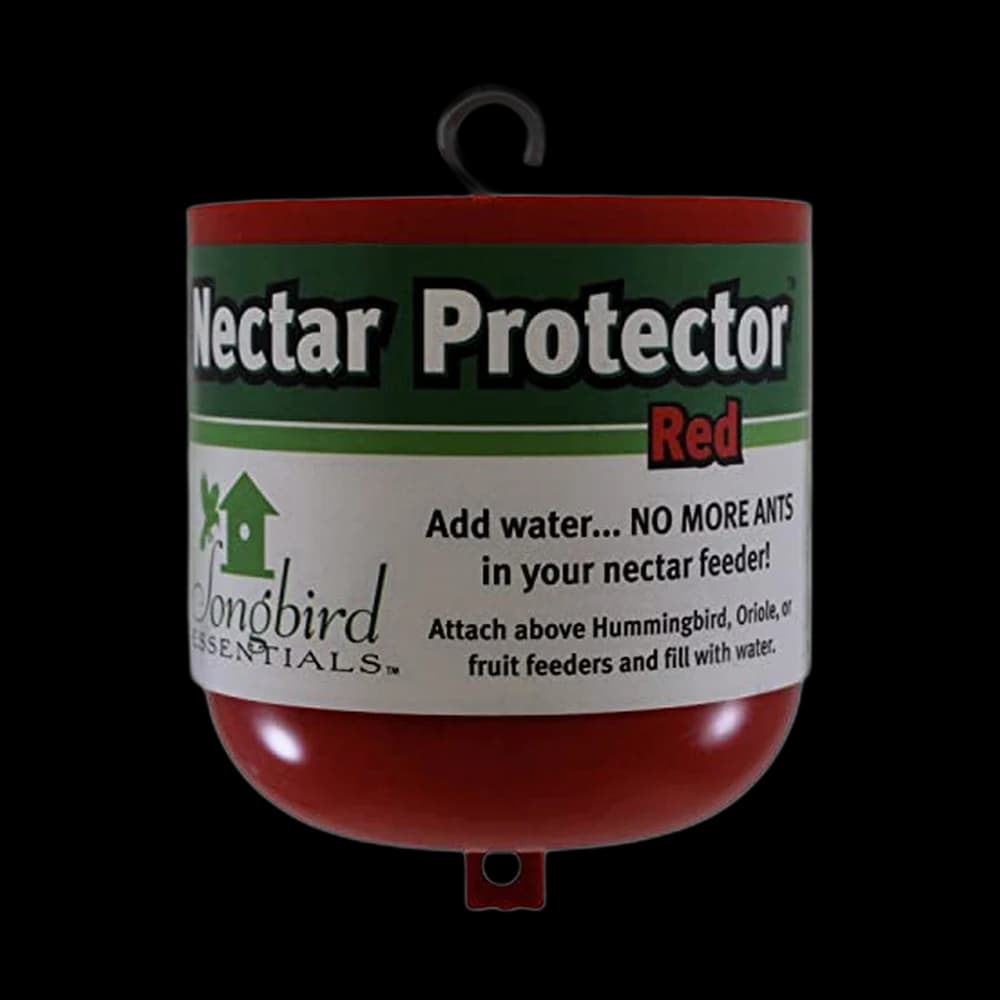
Useful gear for this guide
Optional, subject-matched picks from our live catalog—not a requirement for doing the advice above.
Frequently asked
When should I put out my hummingbird feeder?+
About 1-2 weeks before your region's typical first arrival. That means mid-February on the Gulf Coast, late March in the Midwest and Mid-Atlantic, mid-April in the Northeast, and late April in Canada. Hanging it early means scouts find food instead of moving on.
When do hummingbirds leave in fall?+
Most ruby-throated hummingbirds head south from late August through September, with northern birds leaving first. By mid-October most have passed through the Lower 48, though a few stragglers linger later, especially along the Gulf Coast.
Should I leave my feeder up for stragglers?+
Yes. Leaving your feeder up 1-2 weeks after you see your last hummingbird helps late migrants refuel. It does not stop birds from migrating — that's driven by day length, not food — so keeping it up only helps.
Where do hummingbirds go in winter?+
Most ruby-throated hummingbirds winter in Mexico and Central America, many crossing the Gulf of Mexico in a single flight. On the Pacific coast, Anna's hummingbirds often stay put year-round rather than migrating.
Sources & further reading
We research from primary and authoritative sources. Where our guidance rests on a fact, here's where it comes from.
- Journey North Hummingbird Migration Tracking — Live crowdsourced spring migration map cited in the post as a way to track when the wave reaches your region.
- All About Ruby-throated Hummingbird Migration (Journey North) — Backs the slow northward wave, ~20 miles/day pace, and males arriving ahead of females.
- When to Expect Hummingbirds at Your Feeders and Flowers This Spring (Audubon) — Supports the region-by-region arrival windows (e.g. put nectar out by early March in the Southeast, late April in the Northeast).
- How to Make Hummingbird Nectar (Audubon) — Backs the 4:1 water-to-white-sugar recipe and the no-red-dye / no-honey warnings.
- Ruby-throated Hummingbird Overview (Cornell Lab, All About Birds) — Supports Ruby-throated being the sole breeding hummingbird of eastern North America (east vs. west species split).
Prices and BirdingScores reflect our most recent research and refresh on a cycle; confirm the live price before buying. We may earn a commission from affiliate retailers — it never changes our recommendations. See how we review.