
Nectar & Feeder Care
Clear nectar, cleaning brushes and ant moats for maintaining hummingbird feeders.
Content updated October 12, 2026
The 30-second answer
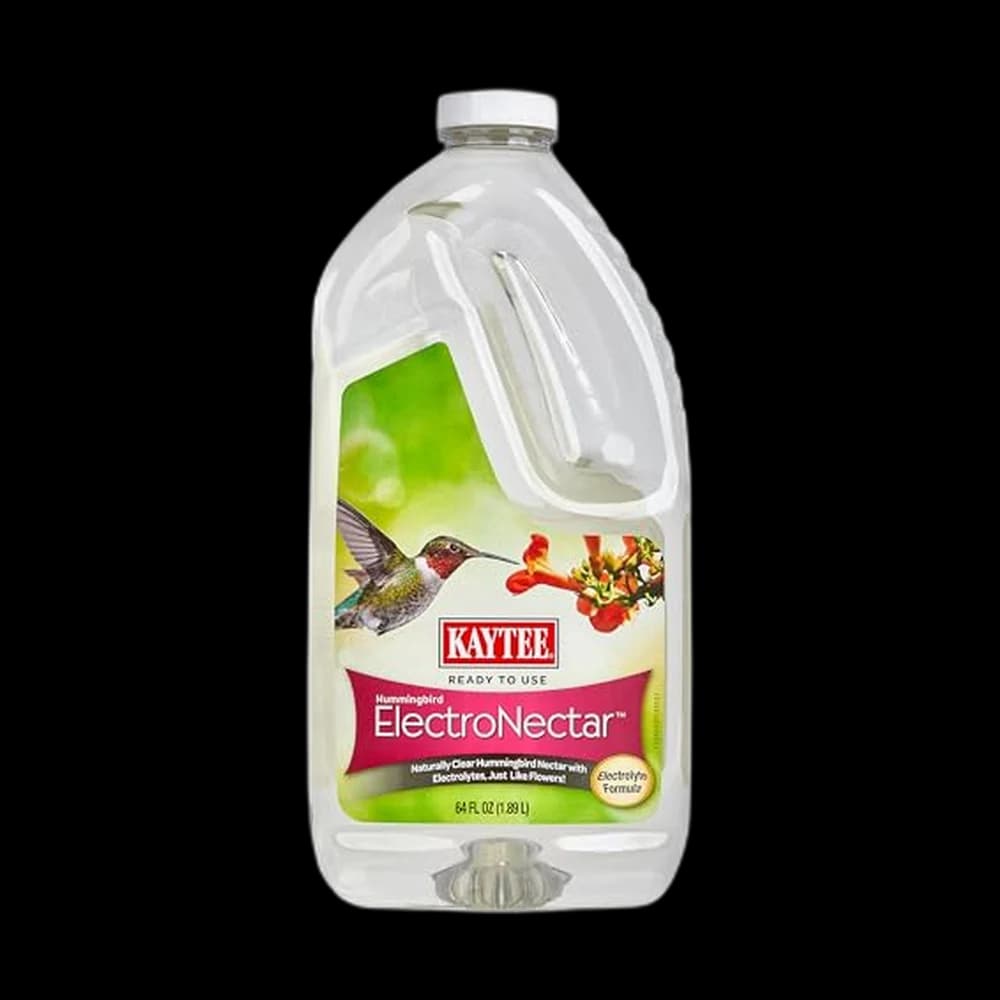
If you would rather not mix sugar water at all, the Kaytee ElectroNectar is the highest-scored pick here — clear, ready to pour, and carrying by far the deepest rating base on the page. But the honest answer is that homemade nectar is fine: the gear genuinely worth buying is the upkeep, meaning an ant moat above the feeder and a brush that actually reaches the ports.
Top pickKaytee ElectroNectar, 64 oz
Anyone who would rather not boil and cool sugar water: a naturally clear formula with no added colouring, ready to use straight from the bottle.
Buy on Amazon$9.99
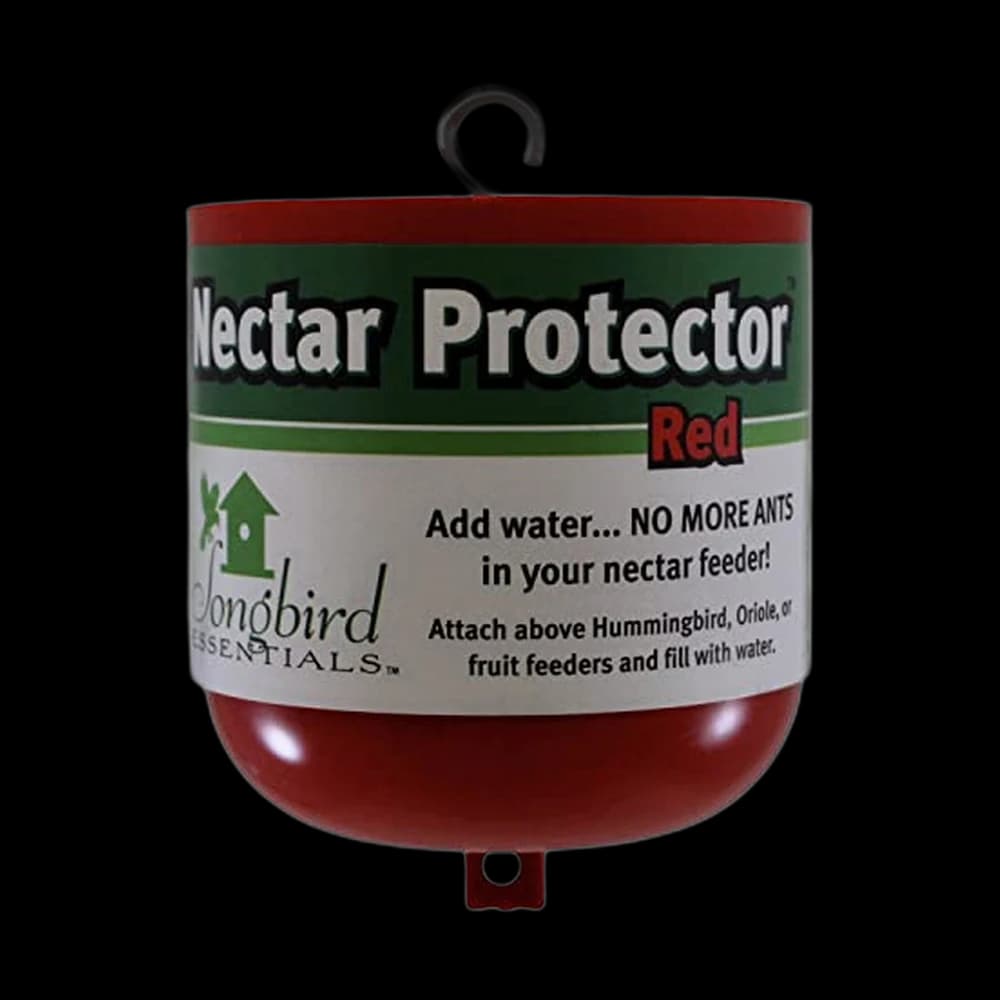
Great valueSongbird Essentials Nectar Protector Ant Moat
Ants, which are the one feeder problem cleaning cannot fix: it hangs between the hanger and the feeder and holds water ants will not cross.
Buy on Amazon$13.90
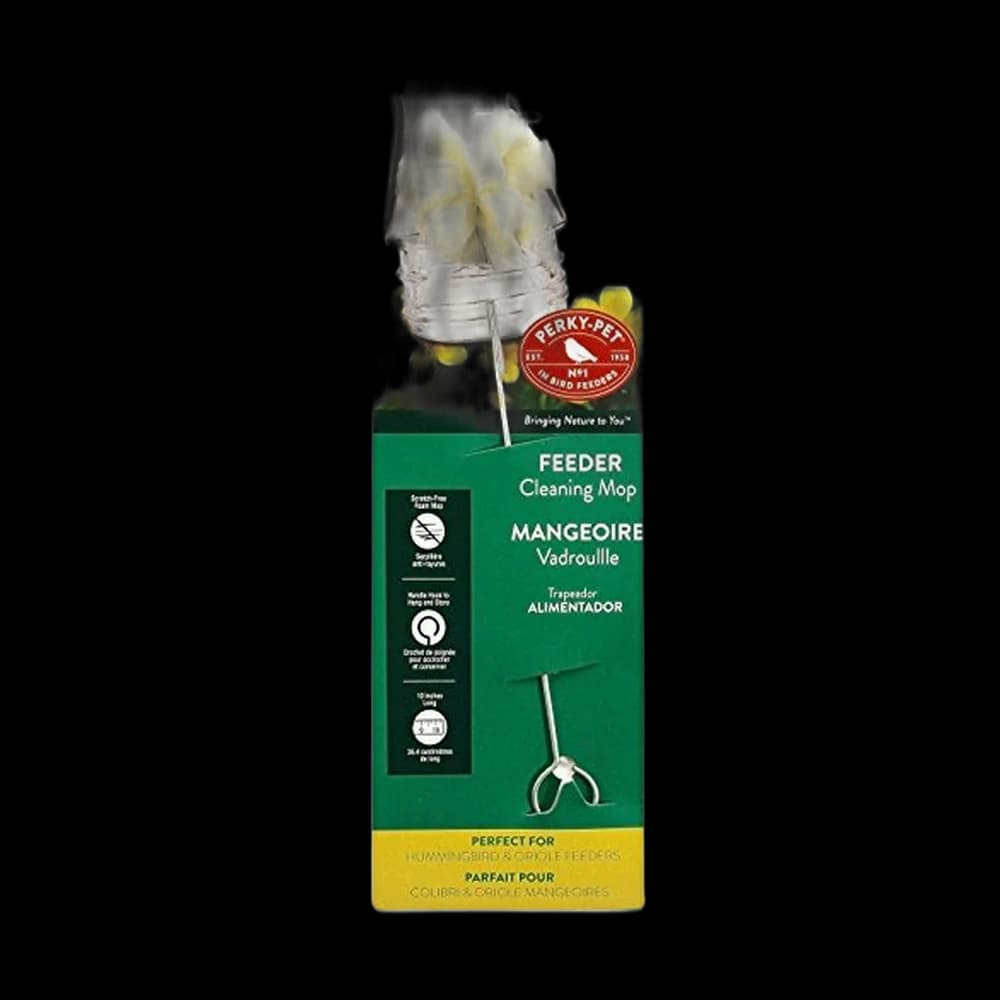
Cheapest alternativePerky-Pet Foam Cleaning Mop
Nectar feeders specifically: the long arm reaches the bottom of a hummingbird or oriole reservoir and the foam head will not scratch the glass.
Buy on Amazon$9.41
Owner ratings come from Amazon; BirdingScore is our separate research score.
Compare two picks
Tap an unselected chip to compare it with your current right-hand pick — all 6 picks available.
BirdingScore
87/100
86/100
Skip it if
You are happy mixing your own — four parts water to one part plain white sugar does the same job for pennies, and our nectar calculator scales it.
Your feeder has a built-in moat already — many hanging nectar feeders include one in the cap.
What it is
Nectar — ready to use
Ant moat
Size
64 oz
18 oz
Dye-free
Yes — clear formula, no added colouring
—
Where it goes
Straight into the feeder; refrigerate after opening
Between the hanger and the feeder, via the S-hook
Show buy options for all 6 picks
Who it's for
Anyone running a nectar feeder in warm weather, where the work is not filling it but keeping it clean, ant-free and unspoiled between refills.
Who should skip
Skip the nectar itself if you are happy boiling four parts water to one part plain white sugar — that is the recipe our nectar calculator gives, it costs pennies, and nothing here improves on it. The cleaning gear is the part with no homemade substitute.
What matters when buying
- Dye-free. Our guidance is no red dye, and both nectars here are clear formulas that state no added colouring.
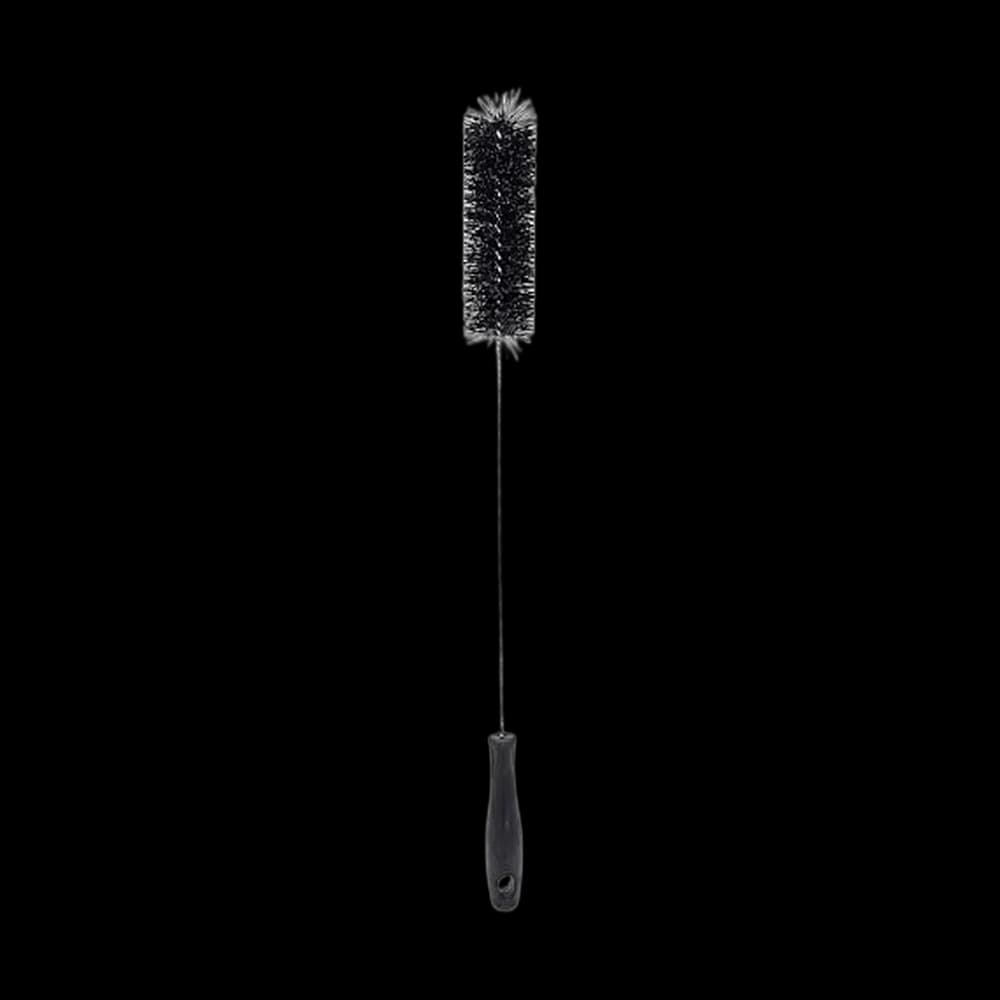
- Whether it reaches the ports. Mold takes hold in the feeding ports and the neck of the reservoir, which is why a long shaped brush beats a kitchen sponge.
- Ants before bees. An ant moat is a water barrier hung above the feeder, and it is the one problem on this page you cannot scrub away.
- Concentrate against ready to use. A concentrate stores small; ready-to-use is one less step and nothing to measure.
Common mistakes
- Buying red nectar. The colouring is not what brings hummingbirds in — the red on the feeder is — which is why both picks here are clear formulas.
- Cleaning only the reservoir. The ports are where mold starts, and they are the part a wide brush or a sponge cannot reach.
- Reaching for anything chemical to stop ants near a feeder. A water-filled moat is the standard answer, and it is exactly what the moat here is built to do.
How we chose: We ranked six researched picks by our BirdingScore, which blends owner satisfaction from real Amazon ratings and aggregated buyer sentiment with value inside the category. Where Amazon returns no rating for a listing, we say so on the product record rather than inventing one. Nothing here is tested by us.
The constraint-stacked answer
The honest constraint is that the nectar is not the part worth buying: four parts water to one part plain white sugar is the recipe, and our nectar calculator scales it for you. What has no homemade substitute is the upkeep — an ant moat hung above the feeder, because ants are the one problem cleaning cannot fix, and a brush narrow enough to reach the ports where mold starts.
Every pick, reviewed
87Bird
Kaytee
Kaytee ElectroNectar, 64 oz
Clear, ready to pour, and the most-rated product on this page.
Skip it if: You are happy mixing your own — four parts water to one part plain white sugar does the same job for pennies, and our nectar calculator scales it.
4.6 Amazon(29,093)$9.99
86Bird
Songbird Essentials
Songbird Essentials Nectar Protector Ant Moat
A water barrier that stops the ant column before the nectar.
Skip it if: Your feeder has a built-in moat already — many hanging nectar feeders include one in the cap.
4.6 Amazon(260)$13.90
62Bird
Perky-Pet
Perky-Pet Foam Cleaning Mop
A long no-scratch foam mop for nectar reservoirs.
Skip it if: You need to reach feeding ports — a foam mop cleans the reservoir, not the narrow ports where mold takes hold. Amazon also returns no rating for this listing, so its score rests on a neutral prior rather than owner feedback.
4 Amazon(870)$9.41
74Bird
Sapphire Labs
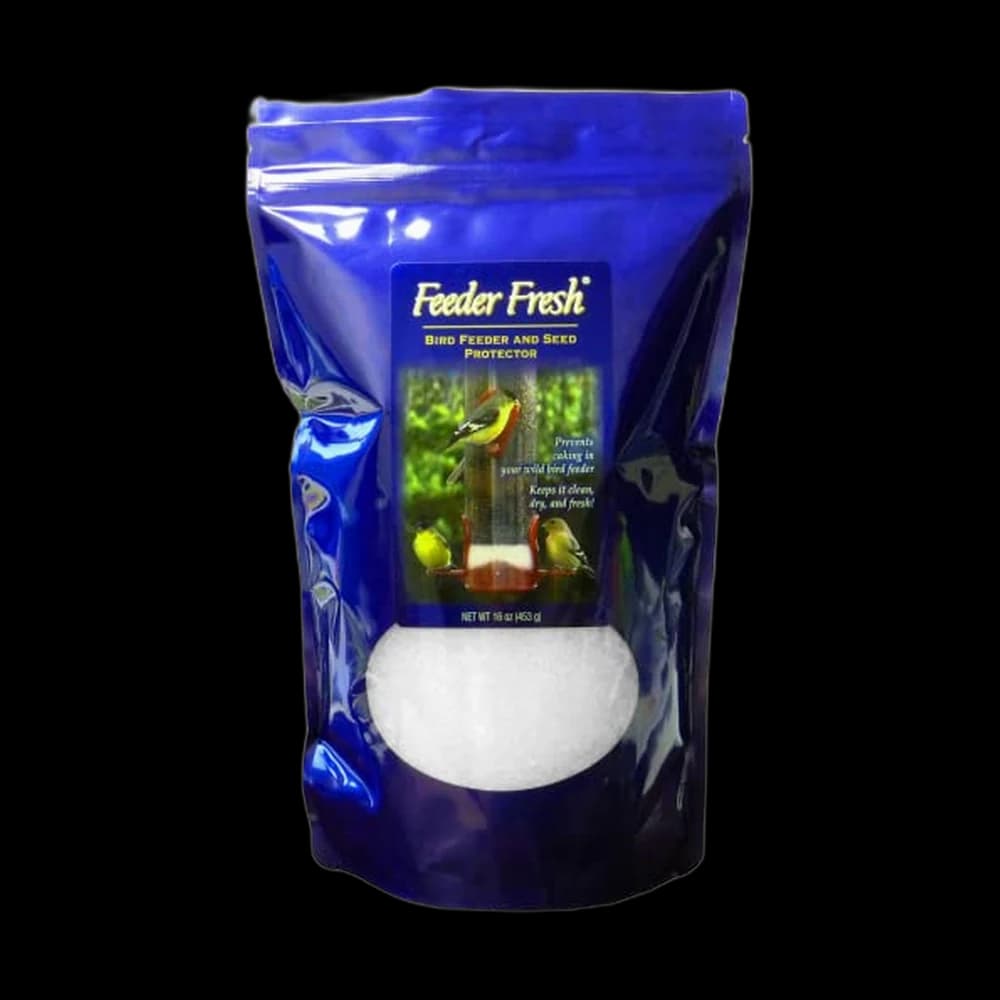
Feeder Fresh Seed Protector, 16 oz
A moisture absorber that keeps seed from caking in the tube.
Skip it if: Your feeders are under cover or you empty them weekly anyway — this solves a damp-seed problem, not a dirty-feeder one.
4.4 Amazon(337)$18.90
74Bird
Songbird Essentials
Songbird Essentials 24-inch Bottle Brush
Twenty-four inches of shapeable wire, for tubes nothing else reaches.
Skip it if: All you own is a small saucer-style nectar feeder — this is more brush than that needs.
4.5 Amazon(240)$24.19
62Bird
sweet-seed
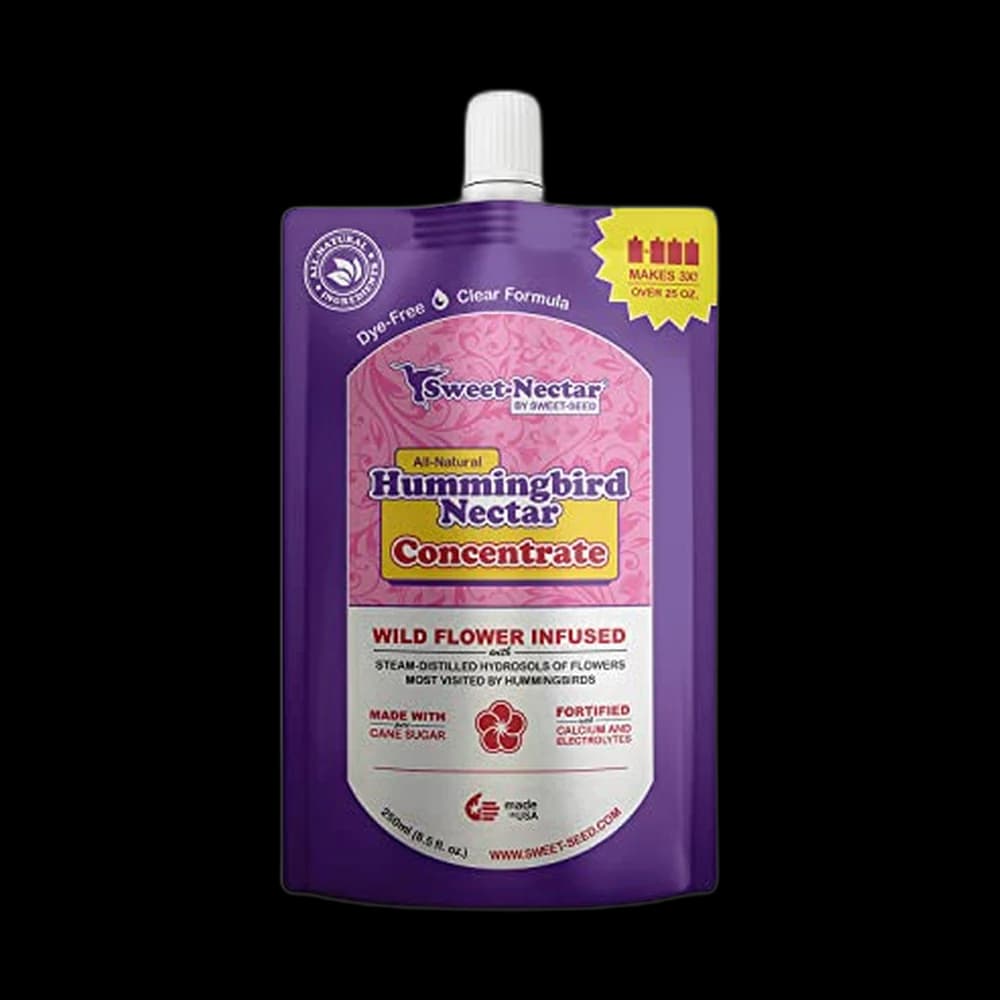
sweet-seed Hummingbird Nectar Concentrate
A clear concentrate that makes three times its own volume.
Skip it if: You want a decision backed by feedback — this listing carries by far the thinnest rating base in the category, which is exactly why it sits last here.
4.2 Amazon(18)$12.99
From the birding community
What birders actually say about nectar & feeder care
Recurring themes we found across 164 public discussion threads in r/hummingbirds, r/birdfeeding, r/birding, read in August 2026. We summarise what comes up repeatedly and link the threads — we never quote or identify anyone, and these forums don't give us vote counts, so treat this as the shape of the conversation rather than a measured majority.
Comes up again and again
Plain white sugar at one part to four
One part refined white sugar to four parts water is the recipe threads return to almost without exception. Honey, brown, raw, organic and powdered sugar are all argued against, on fungal growth, molasses iron content and added starch respectively. Bought concentrate is generally framed as an unnecessary expense rather than a hazard by itself, and boiling is treated as optional shelf-life insurance rather than a requirement.
The dissenting view
The red dye case is argued, not settled
The recurring position is that dye adds nothing because the feeder is already red, so it reads as marketing. A persistent minority pushes back that no controlled study demonstrates harm, and that the case rests on wildlife rehabilitation experience and precaution rather than published data. Long-running feeders on that side also report birds favouring the dyed mix.
The recurring complaint
Change by temperature, never by appearance
Waiting for nectar to look cloudy is described repeatedly as already past the point of danger. Threads converge on near-daily replacement once daytime highs pass roughly 80 degrees Fahrenheit, stretching to several days in cool weather, and on filling only what the birds drink in a day so less goes to waste.
The recurring complaint
Never use a sticky or oily ant barrier
Petroleum jelly, sticky tree coatings and double-sided tape recur as ant fixes and are repeatedly warned against, because the residue transfers to feathers and cannot be preened out, and tape can trap fragile feet. The safe answer that keeps coming back is a water-filled ant moat hung above the feeder, with bee guards or a shallow saucer design keeping the liquid below the reach of bees.
Comes up again and again
Cleaning is about the ports, not the cleaner
A vinegar soak with dedicated port brushes is the most repeated routine, while rehabilitation-side voices in the same threads say dish soap or dilute bleach is fine provided the rinse is thorough. Both camps agree on what actually matters: scrubbing the feeding ports and crannies where mold hides, then letting the feeder dry, which is why simple saucer feeders with few detachable parts get recommended over ornate bottle designs.
Threads we read
Frequently asked
Do I need to buy hummingbird nectar at all?+
No. Four parts water to one part plain white sugar is the standard recipe, and our nectar calculator scales it to any batch size. Bought nectar buys convenience and shelf storage, not a better drink.
Is red nectar bad for hummingbirds?+
The widely repeated advice among birders is to skip added colouring, and both nectars on this page are clear formulas that state no added colouring on the label. What draws a hummingbird in is the red on the feeder itself.
How often should a nectar feeder be cleaned?+
More often the hotter it is — nectar spoils quickly in summer heat, and our nectar calculator gives a change interval by temperature. In practice the constraint is not willingness, it is whether you own a brush that reaches the ports.
What actually stops ants getting into the nectar?+
A water-filled ant moat hung between the hanger and the feeder. Ants will not cross the water, and the moat here doubles as a small drinking station. Bee guards are a separate part, fitted at the ports.
Keep narrowing the choice
Prices and ratings shown are the most recent values we pulled from affiliate retailers and refresh on a recurring cycle; confirm the live price before buying. See how we score.