
Bird Photography Starter Gear
The affordable on-ramp to bird photography — reach and image quality without a mortgage.
Content updated October 21, 2026
The 30-second answer
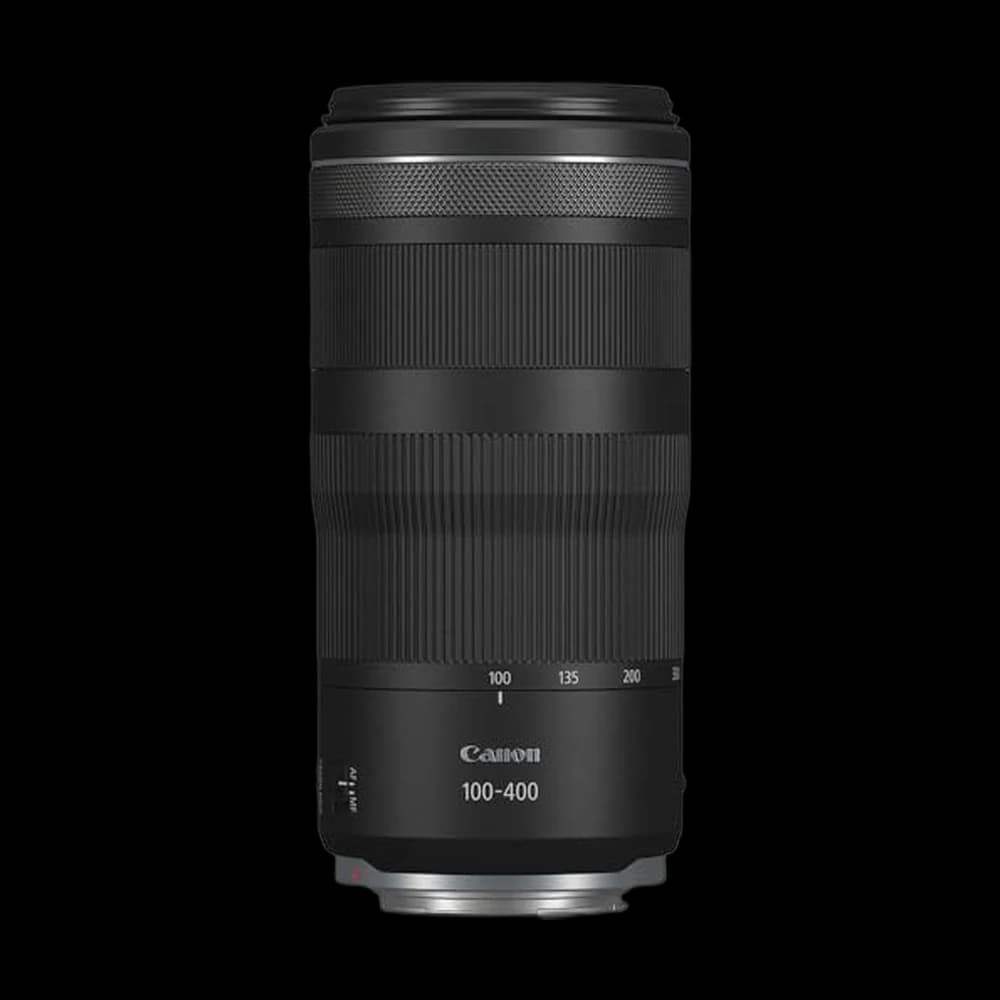
The Canon RF 100-400mm is the pick for Canon shooters: light enough to carry and handhold all day, which is the lens that actually gets used. Two corrections worth hearing before you spend — a sharp bird at 400mm beats a soft one at 600mm, so autofocus behaviour matters more than raw reach, and fieldcraft outperforms equipment. Buying the long zoom used, before a new body, is the route birders keep recommending.
Top pickCanon RF 100-400mm
Canon EOS R shooters wanting a light 1.8-lb 100-400mm telephoto for travel and handheld birding.
Buy on Amazon$749.00
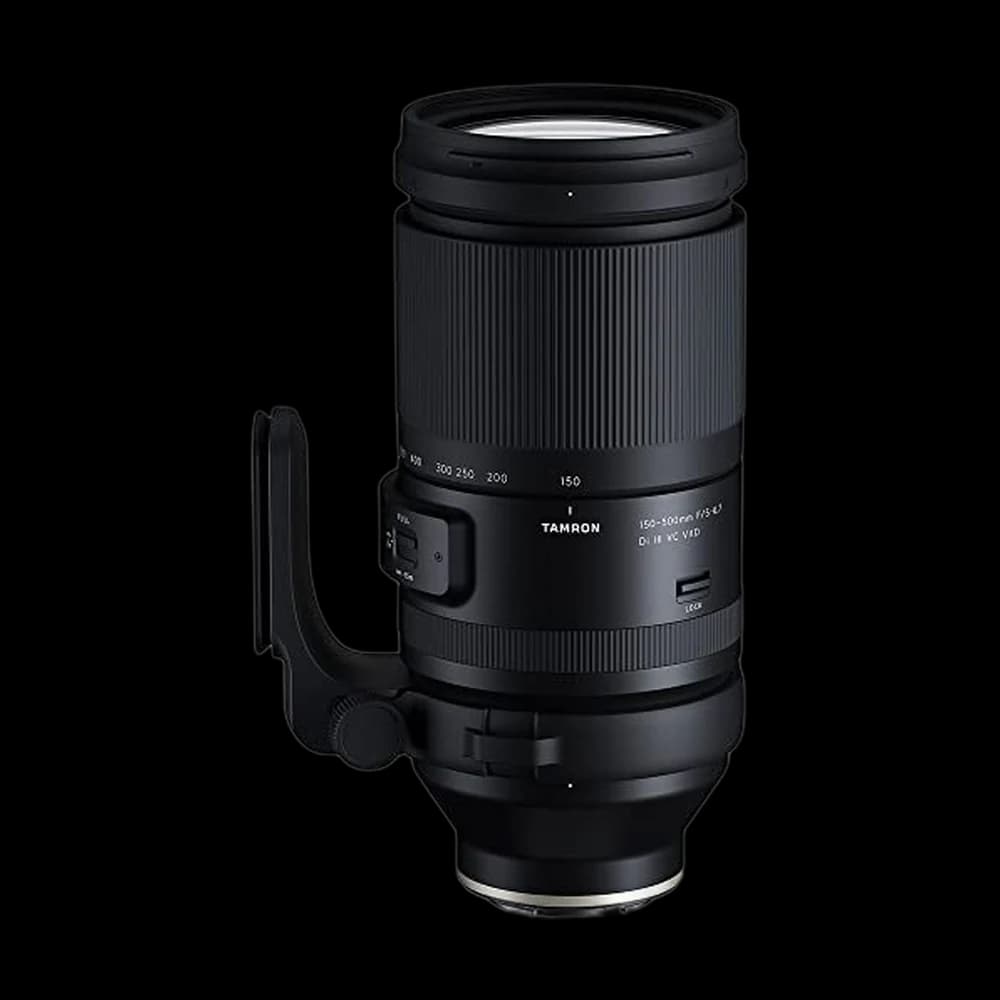
Great valueTamron 150-500mm
Sony full-frame wildlife shooters wanting handheld 150-500mm reach with fast, precise autofocus and stabilization.
Buy on Amazon$1,399.00
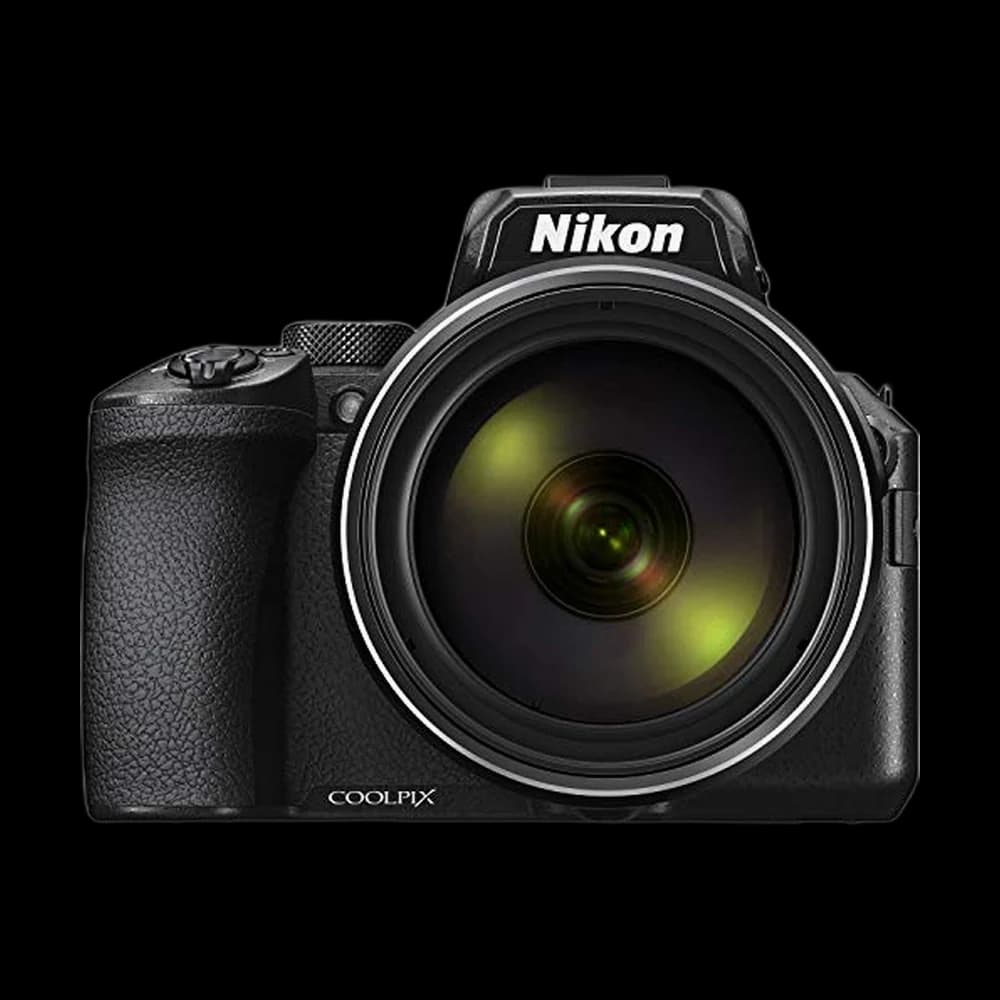
Cheapest alternativeNikon Coolpix P950
Budget birders wanting huge 2000mm-equivalent reach and a bird mode in one all-in-one body.
Buy on Amazon$846.95
Owner ratings come from Amazon; BirdingScore is our separate research score.
Compare two picks
Tap an unselected chip to compare it with your current right-hand pick — all 3 picks available.
BirdingScore
85/100
76/100
Skip it if
You shoot dawn, dusk, or deep shade; the slow f/5.6-8 aperture struggles in low light.
You demand top image quality; the small superzoom sensor draws picture-quality and performance complaints. It is a 2020 model; we keep it because its successor rates lower.
Type
Telephoto zoom lens
Superzoom bridge camera
Compatibility
Canon RF (EOS R)
All-in-one
Key spec
100-400mm f/5.6-8
83x zoom (2000mm eq), 16 MP, 4K
Weight
1.8 lb
2.2 lb
Best for
Lightweight travel telephoto
Budget birding reach
Show buy options for all 3 picks
The constraint-stacked answer
Your camera mount narrows this before anything else — the Canon RF 100-400mm fits EOS R bodies only, the Tamron 150-500mm is Sony E. Weight is the second constraint, and it decides what gets carried: 1.8 lb against 4.14 lb. With no system yet, the Nikon P950 puts 2000mm-equivalent reach in one 2.2 lb body, with a small superzoom sensor as the price.
Every pick, reviewed
85Bird
Canon
Canon RF 100-400mm
The cheap, light Canon mirrorless reach.
Skip it if: You shoot dawn, dusk, or deep shade; the slow f/5.6-8 aperture struggles in low light.
4.6 Amazon(900)$749.00
76Bird
Nikon
Nikon Coolpix P950
2000mm-equivalent superzoom in one body.
Skip it if: You demand top image quality; the small superzoom sensor draws picture-quality and performance complaints. It is a 2020 model; we keep it because its successor rates lower.
4.4 Amazon(596)$846.95
71Bird
Tamron
Tamron 150-500mm
Lighter mirrorless reach with fast focus.
Skip it if: You need an ultralight kit; at 4.14 lb some buyers still flag its weight.
4.5 Amazon(253)$1,399.00
From the birding community
What birders actually say about bird photography starter gear
Recurring themes we found across 167 public discussion threads in r/BirdPhotography, r/birding, r/AskPhotography, read in July 2026. We summarise what comes up repeatedly and link the threads — we never quote or identify anyone, and these forums don't give us vote counts, so treat this as the shape of the conversation rather than a measured majority.
Comes up again and again
Autofocus matters more than reach
The correction beginners get most often is that a sharp subject at 400mm beats a soft one at 600mm. Modern subject-detection autofocus and its tracking behaviour are described as the thing worth prioritising in a body.
Comes up again and again
Fieldcraft outperforms equipment
Learning where birds are, when they are there and how to move without spooking them is repeatedly named as the biggest single improvement available, and the cheapest. Working with the wind and light is treated as technique, not gear.
The dissenting view
Superzoom bridge cameras are a legitimate starting point
They are recommended for reach per dollar and for ease of carrying, with the honest caveat that the small sensor struggles in low light and that you cannot upgrade the lens later. Some owners describe outgrowing one quickly.
Comes up again and again
Buy the lens used, and buy the long zoom before the new body
Third-party long zooms bought second-hand come up constantly as the route into the focal lengths birds need, with the reasoning that glass holds its value and its usefulness longer than a camera body does.
The recurring complaint
Budget for support and expect a long apprenticeship
A tripod or monopod is the line item people forget, and experienced photographers are candid that missed focus and blurred frames are a normal, extended phase rather than a sign of the wrong equipment.
What we didn't pick
Options we researched and catalogued but left off the list above, with the reason each one is being held back.
- Sigma 150-600mm ContemporaryHidden 2026-10-22: a DSLR-mount lens replaced by Sigma's mirrorless version; the only new offer is a reseller well above launch price.
Guides for buying Bird Photography Starter Gear
Frequently asked
What should I buy first for bird photography?+
The long zoom, before a new body — and buying it used is the route birders keep recommending, on the reasoning that glass holds its value and usefulness longer than a camera body does. The Canon RF 100-400mm is our top-scored pick.
Is more reach always better?+
No. The correction beginners get most often is that a sharp subject at 400mm beats a soft one at 600mm, so autofocus behaviour and subject tracking are worth prioritising over raw focal length.
What do beginners underestimate?+
Two things. Fieldcraft — knowing where birds are, when, and how to move without spooking them — is repeatedly named as the biggest and cheapest improvement available. And support: a tripod or monopod is the line item people forget.
Sources & research (5)Show
- Audubon's Guide to Ethical Bird Photography and Videography — Primary ethical standard cited: no baiting of predatory birds (live/dead animals, meat, decoys), no playback that draws birds off nests, respectful distance around nests, and a 25-yard minimum from beach-nesting birds.
- The Ethical Bird Photographer — Audubon — Source for the flushing rule — never make a bird fly, especially during breeding season or winter when energy reserves matter — and for prioritizing bird welfare and habitat over the image.
- ABA Code of Birding Ethics — American Birding Association — Source for limiting recordings and audio attraction, especially in heavily birded areas and for rare or threatened species, and for exercising restraint when photographing or approaching birds.
- What's the Best Focal Length for Bird Photography? — Nature TTL — Supports the 400mm practical-floor guidance and the note that 600mm can be more than small passerines require.
- A Beginner's Guide to Bird Photography: Essential Gear and Basic Settings — PetaPixel — Supports capped Auto ISO, continuous AF with subject detection, minimum shutter speeds to freeze motion, and the point that entry-level telephoto gear is viable for learning.
Keep narrowing the choice
Prices and ratings shown are the most recent values we pulled from affiliate retailers and refresh on a recurring cycle; confirm the live price before buying. See how we score.