
How to Use BirdCast to Time Your Best Birding Days
BirdCast turns weather radar into a nightly migration forecast. Read it with the wind and you can predict tomorrow morning's big day before you set the alarm.
The short answer
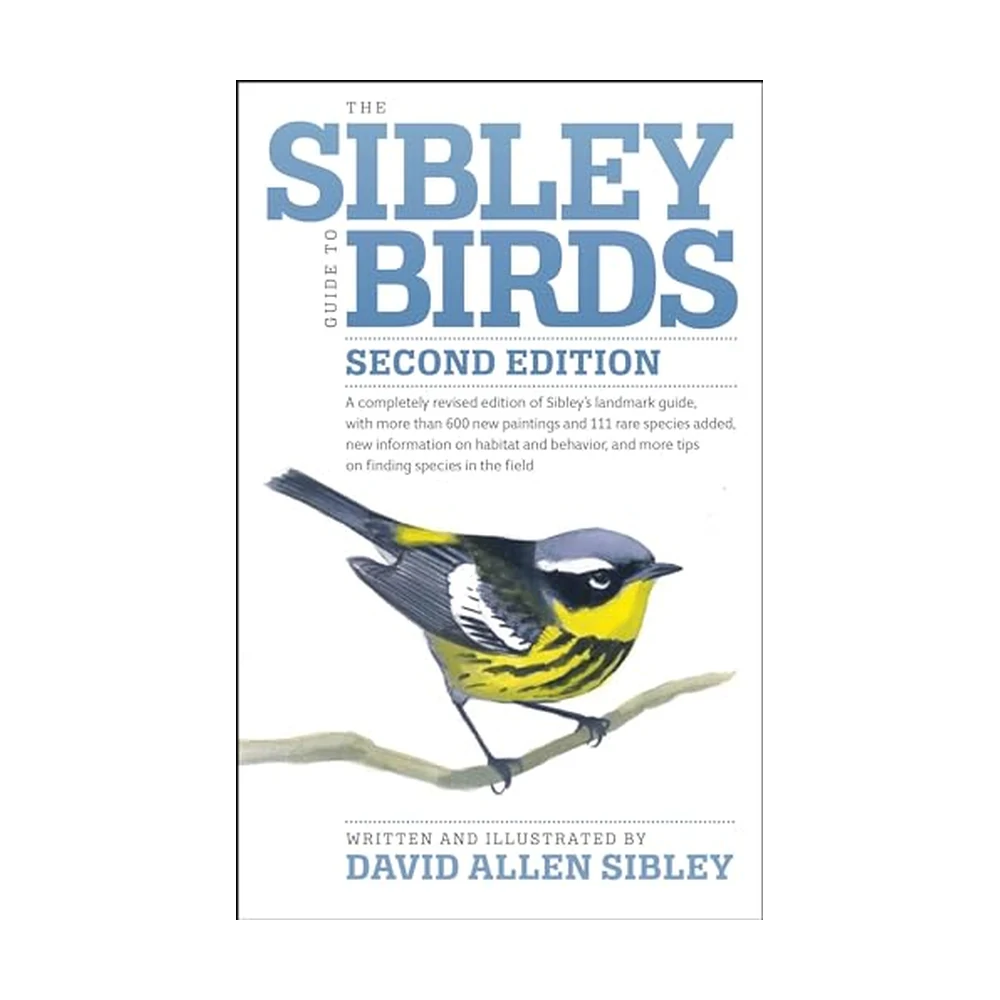
- Serious North American birders wanting the comprehensive standard: 923 species across 624 illustrated pages.
- You want a light pocket guide; at 624 pages some find it dense and unwieldy afield.
Key takeaways
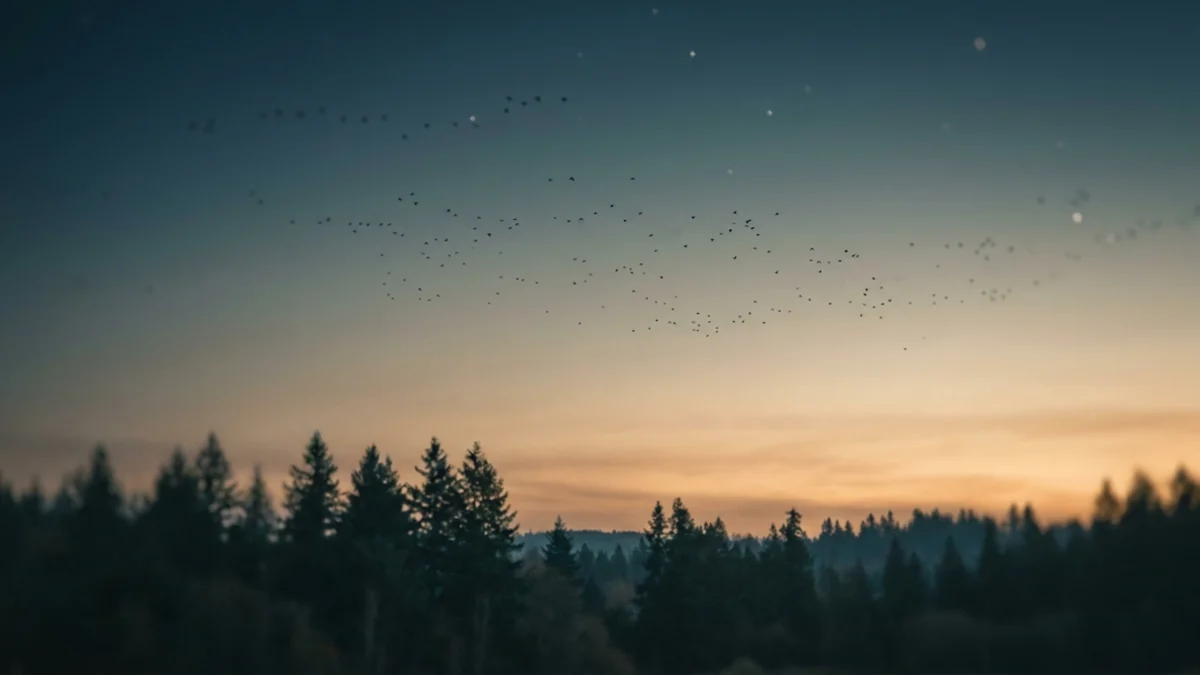
- Most songbirds migrate at night — over 80% of North America's migratory species — which is why weather radar can see them and why the payoff is the next morning.
- BirdCast is free and built by scientists at the Cornell Lab of Ornithology, UMass Amherst, Purdue, and the University of Illinois Urbana-Champaign.
- Forecast + wind direction is the real skill. Southerly tailwinds in spring, northerly in fall. A high forecast on a headwind night usually fizzles.
- Turn your lights off on heavy nights. Research found that halving lighted window area at one Chicago building cut collisions by 11x in spring and 6x in fall.
Pick by your situation
| If your situation is… | Pick | Why |
|---|---|---|
| Forecast is bright and wind is a seasonal tailwind | Set the alarm for first light | Birds flew over in numbers and will be refueling in local habitat at dawn |
| Forecast is bright but wind is a headwind | Sleep in, check the live map instead | Headwinds suppress departures; the predicted flight often underdelivers |
| Tailwind night followed by a front with rain | Clear your whole morning and hit a migrant trap | This is the classic fallout setup — birds drop fast into the nearest cover |
| You keep forgetting to check | Sign up for Local Migration Alerts | Email alerts flag intense migration near 216 U.S. cities so you don't have to remember |
| It's a heavy migration night and you live near tall buildings | Turn off non-essential lights dusk to dawn | Nearly half of collisions happen on the biggest 25% of migration nights |
A shortcut by situation — start from the row that sounds like you.
Field Guides & Books: our picks
| Pick | Best for | Rating | Price | |
|---|---|---|---|---|
| TopThe Sibley Guide to Birds, 2nd Edition | The modern industry-standard guide. | ★ 4.8 Amazon | $20.84 | Buy on Amazon |
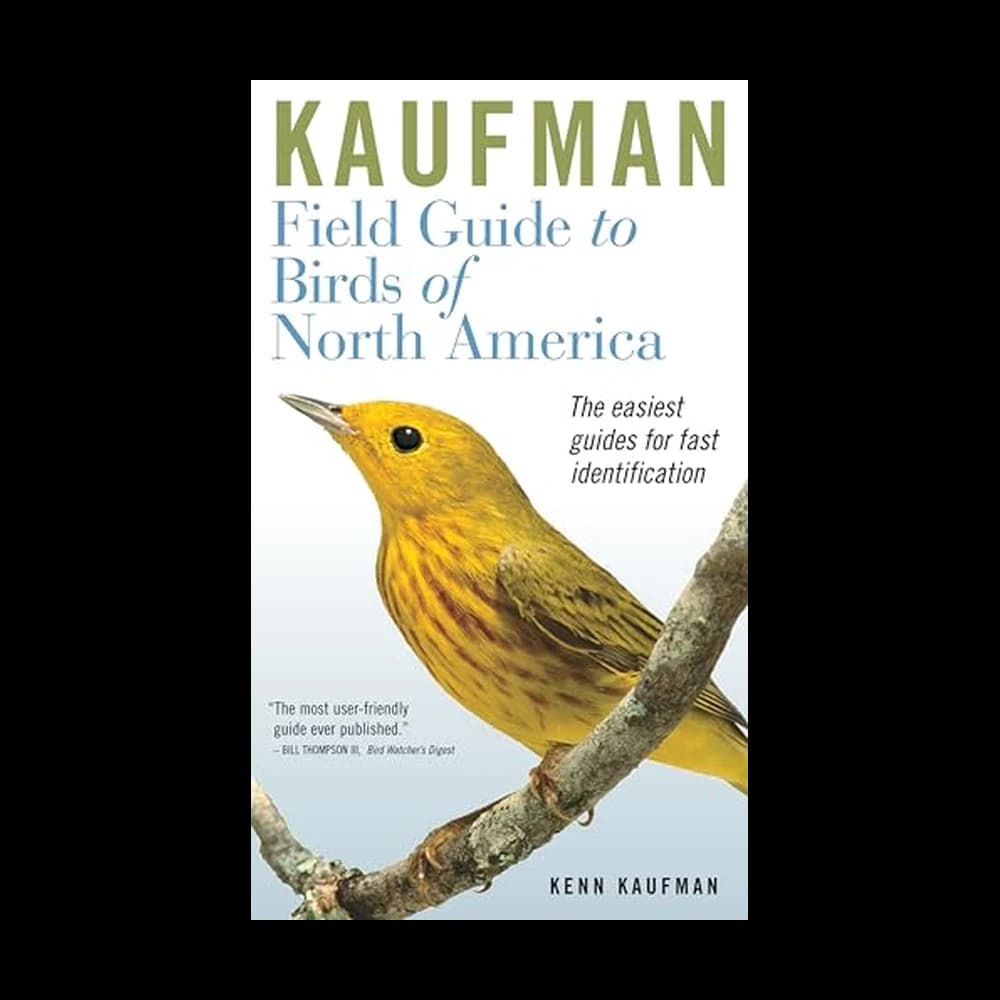 Kaufman Field Guide To Birds Of North America Kaufman Field Guide To Birds Of North America | Photo-based and beginner-friendly. | ★ 4.8 Amazon | $12.99 | Buy on Amazon |
BirdCast is weather radar put to work for birders: the same NEXRAD network that tracks thunderstorms counts the birds flying overhead at night, and over 80% of North America's migratory species travel after dark. Through spring (March 1–June 15) and fall (August 1–November 15), that makes the forecast the best alarm clock you have.
Here's how it works, and how to read it well.
What BirdCast actually is
BirdCast is a free bird-migration forecasting platform run by scientists at the Cornell Lab of Ornithology, the University of Massachusetts Amherst, Purdue University, and the University of Illinois Urbana-Champaign.
It uses the U.S. NEXRAD weather surveillance radar network — the same radars that track thunderstorms — to detect and predict the number and direction of birds flying overhead at night.
Dual-polarization is what separates birds from rain
Modern radars send pulses at two angles instead of one, which is what lets researchers tell birds from rain and from insects: insects drift with the wind, while birds power across it and even into it.
The tools run seasonally: roughly March 1–June 15 in spring and August 1–November 15 in fall.
Why night migration is the whole point
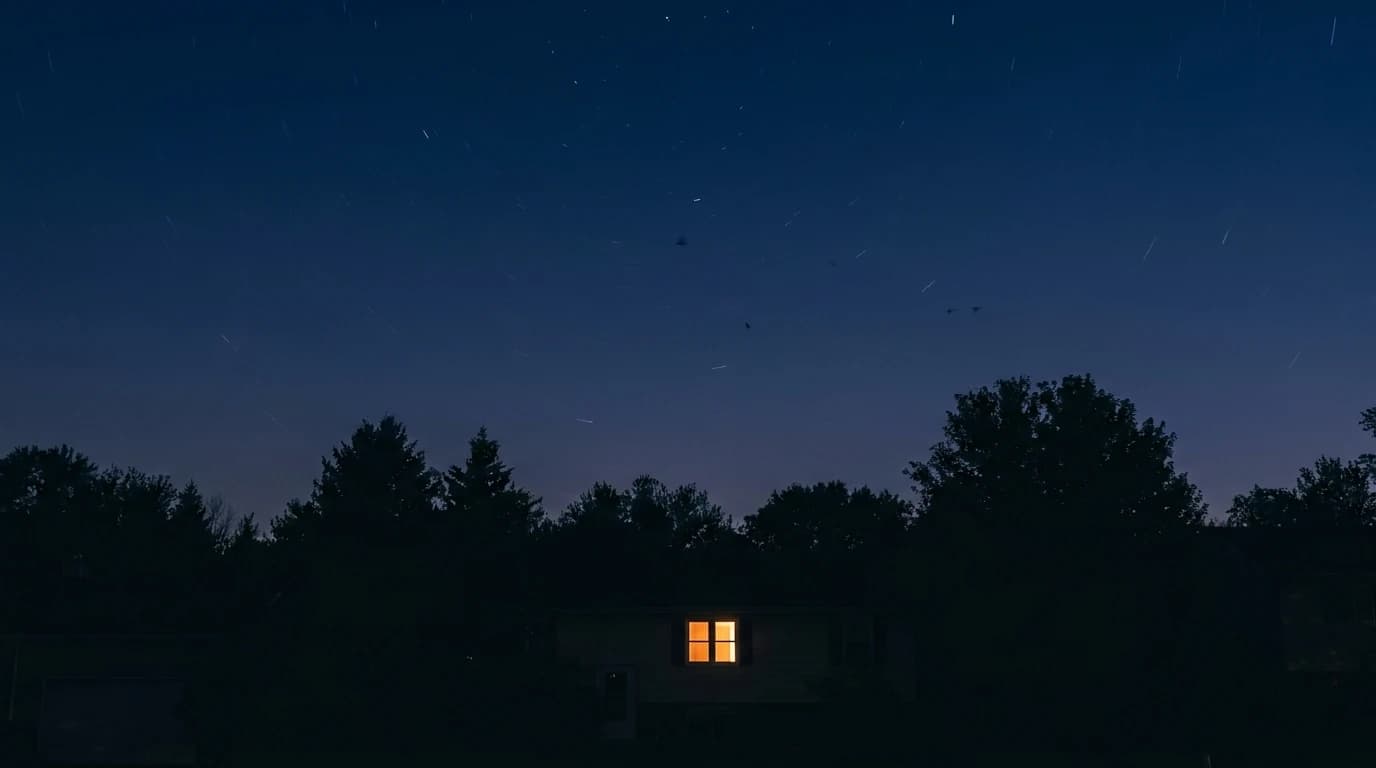
Over 80% of migratory species in North America migrate at night. Warblers, thrushes, sparrows, orioles, vireos — they lift off shortly after sunset and fly for hours in the dark.
That's why radar sees them and your eyes don't. It's also why the payoff comes at dawn: birds that were 2,000 feet over your county at midnight are in your patch's shrubs at 7 a.m., hungry and refueling.
The mental model that changes everything: you are not forecasting birds today. You are watching tonight's traffic to predict what will be sitting in the bushes tomorrow morning.
The three tools, and when to open each
| Tool | What it shows | When to check it |
|---|---|---|
| Migration Forecast Maps | Predicted migration intensity ~3 hours after local sunset, updated every 6 hours | Afternoon/evening, to decide whether to set the alarm |
| Live Migration Maps | Actual migration happening right now, sunset to sunrise | Late evening, to confirm the forecast is verifying |
| Local Dashboard + Alerts | Nightly migration numbers by county and state; email alerts for intense migration near 216 U.S. cities | Morning after, and to get pinged automatically |
The forecast maps come from a model trained on 23 years of radar-detected bird movement plus historical weather data, then fed current GFS forecasts.
How to read the maps in ten seconds
What the colors and lines mean:
- Warmer, brighter colors = more birds. That's the only color rule you need.
- Grayscale on forecast maps = expected precipitation. Rain suppresses migration and grounds birds.
- On live maps, the red line sweeping east to west is local sunset; the yellow line is sunrise.
What the symbols mean:
- Orange arrows show flight direction. Arrows pointing at your county mean birds are heading your way.
- Green dots are working radar stations; red dots are down for maintenance, so that area has no data.
Live-map intensity is migration traffic rate (MTR) — birds per kilometer per hour crossing a 1-km line perpendicular to their travel. You don't need the math. Bright is big.
The wind rule that turns a forecast into a plan
This is the part most people skip, and it's the actual edge. Birds ride tailwinds to save energy.
| Season | Favorable wind | What to expect the next morning |
|---|---|---|
| Spring | Southerly (S, SW, SE) | New arrivals — the classic "the woods are full of warblers" morning |
| Fall | Northerly (N, NW, NE) | Big push of southbound migrants |
| Either | Headwind against the season | Quiet. Birds hold. Don't burn a 5 a.m. alarm on it |
| Either | Tailwind, then a front with rain | Fallout potential — the best mornings of the year |
The trap: a high forecast number on a headwind night is a warning sign, not a promise. Cross-check the forecast against your local wind before you commit.
What a big "birds aloft" night means for you
Birds have to come down somewhere. Heavy migration overhead plus decent habitat below equals a busy morning.
- Get out at first light. Nocturnal migrants often land before dawn and feed hard.
- But don't quit at 8 a.m. Birds that launched on a strong tailwind can fly well past sunrise, so arrivals sometimes drop in late morning.
- Check migrant traps first — a woodlot in farmland, a lakeshore park, a coastal thicket, a green patch downtown. Tired birds take the first cover they see.
- Sort the kit the night before. A big morning is under leaf cover in low light, which is what an 8x42 is for — see our mid-range binocular picks — and a field guide beats scrolling when the birds are unfamiliar ones.
Fallout is the jackpot version
Research on Gulf Coast events describes the mechanism: birds launch on favorable southerly winds, then hit a cold front with northerly headwinds and rain mid-flight and descend fast into the nearest habitat rather than fight it. Tailwind night plus a front at your latitude means clear your morning.
Canadian birders: a coverage note
The live maps and county dashboard cover the contiguous United States only, because they run on the U.S. radar network. If you bird southern Ontario, Quebec, or the Prairies, the nearest U.S. coverage still tells you what's moving up the flyway toward you — then lean harder on the wind rule for your own local call.
Turn your lights off — it genuinely works
BirdCast's Lights Out program asks people to switch off non-essential lights dusk to dawn during migration (roughly March 1–June 15 and August 15–November 30). Artificial light draws night migrants toward buildings and glass.
The evidence is unusually strong for an ask this small
A 2021 study in PNAS analyzing two decades of collision surveys at Chicago's McCormick Place found that halving lighted window area decreased collisions by 11x in spring and 6x in fall — and that nearly half of all collisions happened on the 25% of nights with the biggest migration.
So the same alert that tells you to set your alarm also tells you which night to kill the porch light:
- Turn off outdoor landscape lighting and non-essential interior lights.
- Close blinds where indoor light spills onto vegetation or glass.
- Use motion sensors and downward-shielded fixtures instead of always-on floodlights.
- Choose warmer bulbs (around 2100–2200K) where a light has to stay on.
One forecast, two uses: better birding for you, fewer dead birds under the windows.
Frequently asked
Is BirdCast free?+
Yes, completely. The forecast maps, live migration maps, local dashboard, and local migration alert emails are all free to use. It's a research and conservation project, not a subscription product.
What time should I check BirdCast?+
Check the forecast map in the late afternoon or evening to decide whether tomorrow morning is worth an early alarm. Forecast maps update every six hours and show predicted migration about three hours after local sunset. Check the live map late at night if you want to confirm the forecast is verifying.
Does a high BirdCast number guarantee good birding?+
No. It tells you birds flew over, not that they landed near you. Pair the forecast with wind direction and local habitat. A high-intensity night on a favorable tailwind, especially one that ends with a front or rain, is the setup that reliably produces a big morning.
Does BirdCast work in Canada?+
Partially. The live maps and the county-level dashboard cover the contiguous United States, since they run on the U.S. NEXRAD radar network. Canadian birders can still read the nearest U.S. coverage to see what's moving up or down the flyway, then apply the seasonal wind rule locally.
Why do birds migrate at night instead of during the day?+
Night flight offers cooler, calmer air, fewer daytime predators, and clearer navigation cues from stars and the Earth's magnetic field. Over 80% of North America's migratory species move at night, which is exactly why weather radar can detect them.
Sources & further reading
We research from primary and authoritative sources. Where our guidance rests on a fact, here's where it comes from.
- About BirdCast — the project and its partner institutions — Names the current collaboration: the Cornell Lab of Ornithology, UMass Amherst, the University of Illinois Urbana-Champaign and Purdue University.
- BirdCast homepage (migration tools hub) — Primary source. States that over 80% of North America's migratory species migrate at night; the four tools (live maps, forecast maps, local dashboard by county/state for the contiguous U.S., and local migration alerts for 216 U.S. cities); tool season windows of March 1–June 15 and August 1–November 15; and the Lights Out program.
- Live Migration Maps — BirdCast — Source for map-reading mechanics: brighter colors mean more migration; intensity is migration traffic rate (MTR) in birds/km/hour across a 1-km perpendicular transect; red line = local sunset, yellow line = local sunrise, orange arrows = flight direction; green dots = active radar stations, red dots = stations down for maintenance.
- Migration Forecast Maps — BirdCast — Source for how the forecast is generated: a model trained on 23 years of radar-detected bird movement plus historical NARR weather data, driven by GFS forecasts, showing predicted migration approximately three hours after local sunset and updated every six hours, with expected precipitation overlaid in grayscale.
- Predicting Gulf Coast spring migration events: 17-20 March 2021 case study — BirdCast — Source for the fallout mechanism: migrants depart on southerly or calm winds, then encounter a cold front bringing northerly headwinds and rain, and descend quickly into the nearest habitat rather than fly into highly unfavorable conditions.
- Drivers of fatal bird collisions in an urban center (Van Doren et al., PNAS 2021) — Peer-reviewed evidence for the Lights Out claim. Two decades of collision surveys at Chicago's McCormick Place: halving lighted window area decreased collision counts by 11x in spring and 6x in fall, and nearly half of all documented collisions occurred on the 25% of nights with the largest migration events.
Prices and BirdingScores reflect our most recent research and refresh on a cycle; confirm the live price before buying. We may earn a commission from affiliate retailers — it never changes our recommendations. See how we review.