
How to Use eBird: Your Birding Notebook, Explained
eBird is a free Cornell Lab app that turns your everyday sightings into a life list and real conservation science. Here's how to start today.
The short answer
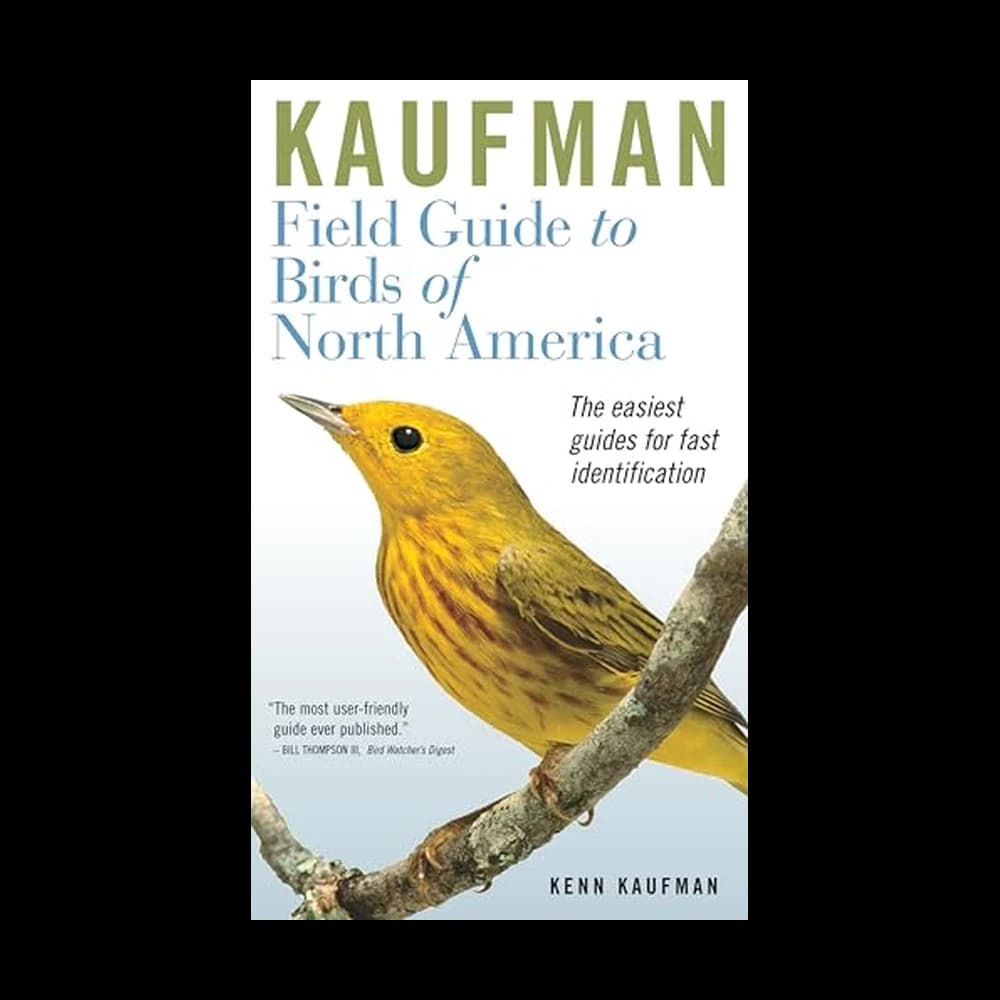
- Beginning North American birders wanting a compact, photo-based guide that's easy to use in the field.
- You prefer painted plates or an exhaustive reference; this favors edited photos and portability.

Key takeaways
- It's free and it's science. eBird is run by the Cornell Lab of Ornithology and has passed 2 billion bird observations from over a million birders.
- The magic word is "complete." Reporting every bird you could identify — not just the exciting ones — is what makes your checklist usable by researchers.
- Your life list builds itself. You never maintain a list by hand; eBird tallies it from your checklists automatically.
- Imperfect lists still count. You don't have to be an expert, and a flagged sighting is a conversation, not a rejection.
Pick by your situation
| If your situation is… | Pick | Why |
|---|---|---|
| You watched from a window or one spot | Stationary protocol, complete = yes | eBird only needs start time and duration, and repeated counts from a fixed point are exceptionally useful for tracking change. |
| You walked a trail or loop | Traveling protocol, unique distance only | Distance plus duration lets researchers standardize effort; backtracking would inflate the coverage figure. |
| You spotted a bird while driving or gardening | Incidental protocol | Honest effort data matters more than volume. Incidental lists are auto-marked incomplete, which is the correct signal. |
| You only wrote down the exciting birds | Answer 'no' to complete checklist | Marking a highlight-only list as complete tells science that the common species were absent, which quietly corrupts the data. |
| You're not sure what you saw | Log it as 'sparrow sp.' or leave it off | Vague-but-honest entries are welcome; a confident wrong ID is the only real mistake. |
A shortcut by situation — start from the row that sounds like you.
Field Guides & Books: our picks
| Pick | Best for | Rating | Price | |
|---|---|---|---|---|
| TopKaufman Field Guide To Birds Of North America | Photo-based and beginner-friendly. | ★ 4.8 Amazon | $12.99 | Buy on Amazon |
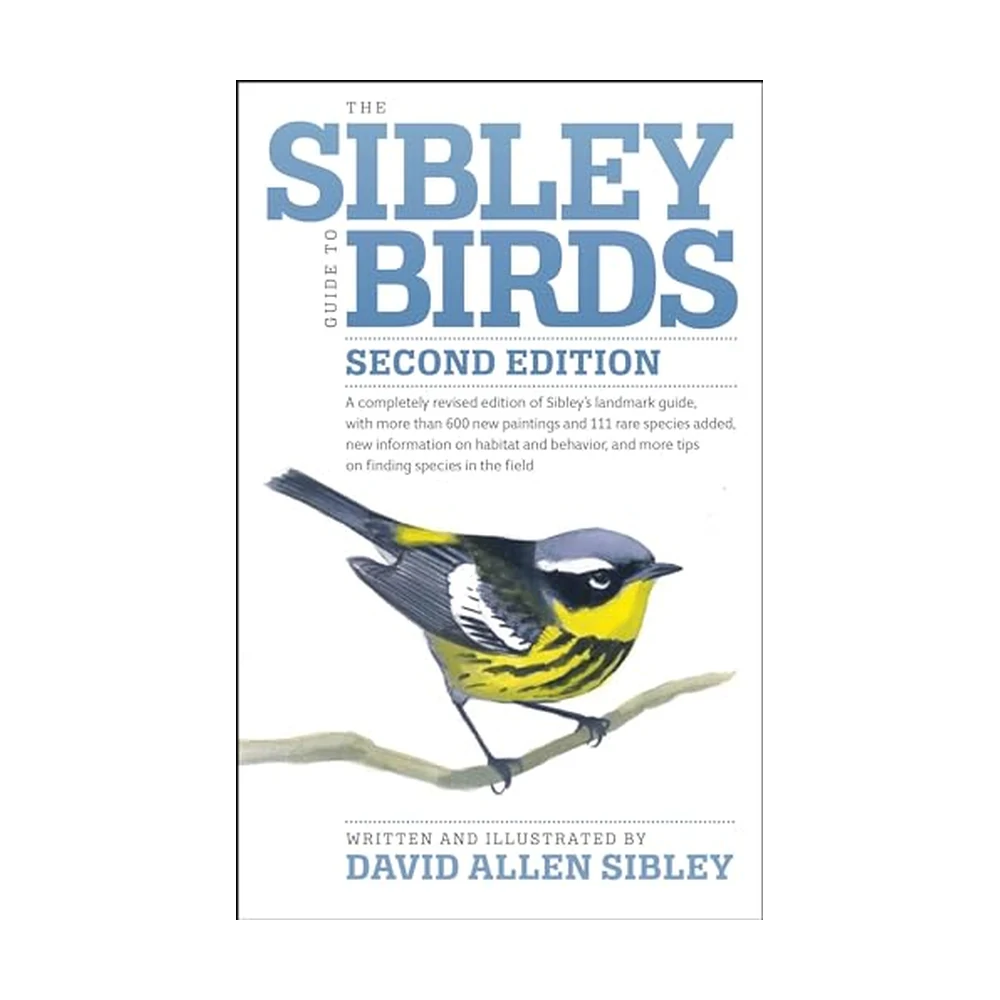 The Sibley Guide to Birds, 2nd Edition The Sibley Guide to Birds, 2nd Edition | The modern industry-standard guide. | ★ 4.8 Amazon | $20.84 | Buy on Amazon |
eBird is a free app and website from the Cornell Lab of Ornithology where you record the birds you see — and in return it keeps your life list, shows you where birds are near you, and hands your sightings to conservation science. You can be logging birds in ten minutes.
It's also one of the largest biodiversity databases on Earth. The Cornell Lab announced in August 2025 that eBird had passed 2 billion bird observations, from more than 150 million checklists submitted by over a million birders since 2002, feeding more than 1,250 published scientific papers.
That scale can make eBird feel like a club with a dress code. It isn't.
First, the reassurance: beginners belong here
eBird's data-quality machinery makes it look stricter than it is. The reality:
What eBird actually asks of you:
- Report what you saw and could identify. That's the whole contract.
- Be honest about what you weren't sure of. "Sparrow sp." is a legitimate entry.
What it doesn't ask of you:
- Expertise. eBird's own guidance says plainly that you don't have to be an expert birder.
- A long list. A five-species checklist from your kitchen window is real data, and every expert started with a bad first checklist — including the reviewers.
Rule of thumb: make your first checklist your own backyard or balcony — 10 minutes, stationary. Starting the habit matters far more than starting it elegantly.
How to make your first checklist
Download eBird Mobile (iOS/Android), create a free Cornell Lab account, then:
- Tap Start Checklist when you begin birding — not when you finish.
- Add species as you see or hear them, with counts ("about 12 starlings" beats nothing).
- Tap Stop, pick your location, and answer the complete-checklist question.
- Submit.
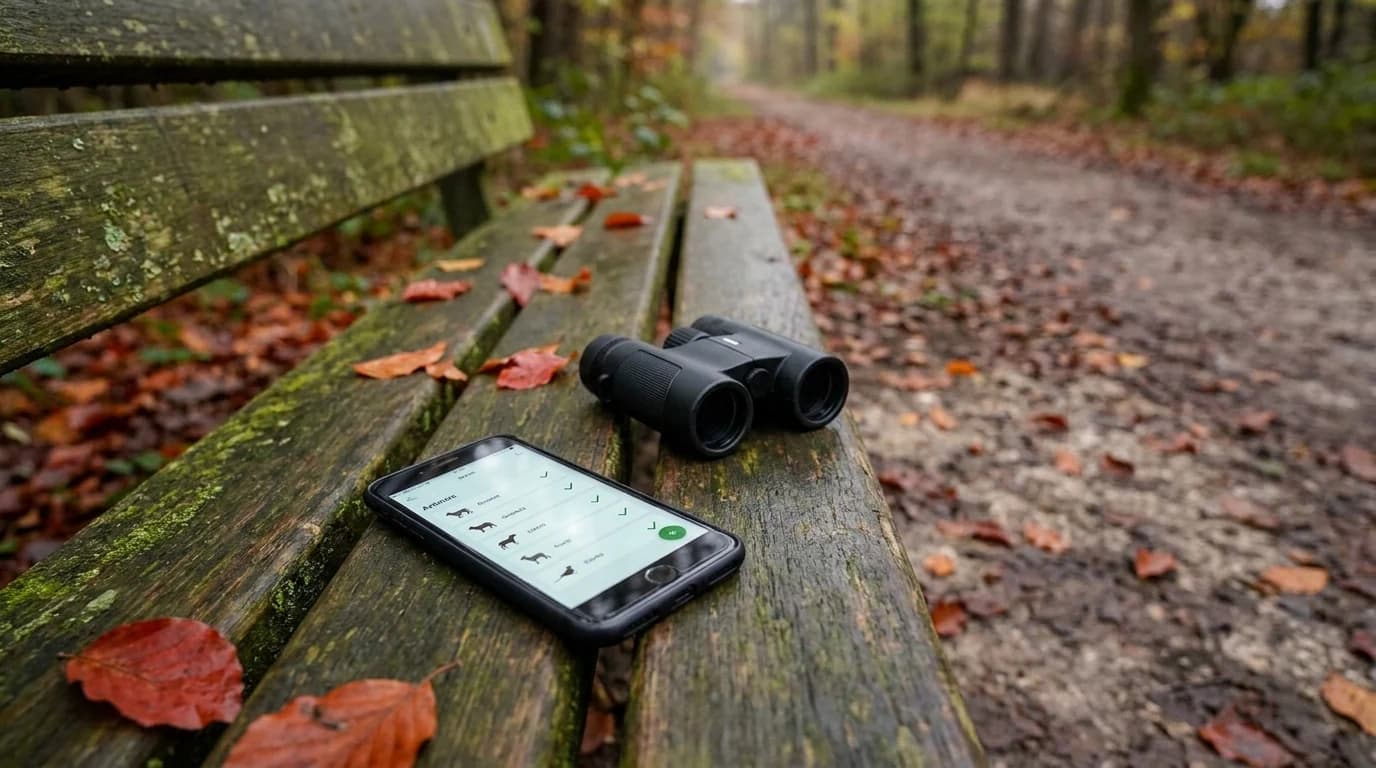
eBird records start time, duration, and distance in the background so you don't have to.
Complete vs. incomplete: the one thing that matters most
At the end of every checklist eBird asks whether you're submitting a complete checklist. This is the most consequential button in the app.
Say yes if you reported every species you detected and could identify — not just the highlights. Say no if you only jotted down the good stuff.
Why it matters: only complete checklists power eBird Status and Trends and most research built on eBird data. A complete list tells scientists what wasn't there — information an incomplete list can never provide. Ten complete backyard lists are worth more than a hundred "saw a Bald Eagle" entries.
The three protocols, in plain English
A protocol just describes how you birded.
| Protocol | Use it when | eBird needs |
|---|---|---|
| Stationary | You stayed put — within ~100 feet of your start (window watching, a hawkwatch, a bench) | Start time + duration |
| Traveling | You moved more than 100 feet — a trail walk, a refuge loop, a neighborhood stroll | Start time, duration, distance |
| Incidental | Birding wasn't your main activity — gardening, driving, reading | Minimal effort info |
Two things birders often miss: for Traveling, report only the unique distance you covered, not backtracking. And Incidental checklists are automatically marked incomplete, so use Stationary or Traveling whenever birding was actually the point.
Use Explore and Hotspots to find where the birds actually are
This is what makes you a better birder fastest. eBird's Explore section maps more than 450,000 hotspots worldwide, each one suggested by birders.
- Open Explore in the app to see hotspots near you, with directions.
- Each hotspot lists total species, most likely species, and recent reports.
- Sorting by species count finds the productive marsh you've driven past for years.
Bar Charts: learn what's normal for your patch
Bar charts show every species reported in a region across all twelve months, with thicker bars meaning more frequently reported. It's the fastest way to internalize seasonal rhythm.
Check your county's bar chart before a walk and you'll know the warbler you want peaks in mid-May — or that the junco you saw in July is genuinely odd. Across the US and Canada, where migration reshuffles the cast every few weeks, that's the difference between guessing and expecting.
Your life list builds itself
You never maintain a list by hand
Submit checklists and eBird tallies your life, year, state/province, county, and yard lists automatically. Birders widely report that watching the life listA running list of every bird species you've identified — the birder's lifetime scorecard. tick upward is what turns a casual habit into a real one.
A paper guide still earns its spot beside the app — the Kaufman Field Guide to Birds and Sibley Guide to Birds teach you why an ID is right, which no app does as well.
What happens if you report something unusual
Eventually you'll enter something the system doesn't expect and get a request for details. This is not a rejection.
Observations are automatically flagged for three reasons: rarity, out of season, or high count. The report goes to a volunteer regional reviewer — an experienced local birder, not a Cornell employee — who may ask what you saw.
- Describe field marks in your own words. "Yellow legs, black cap, streaked back" beats "looked like the book."
- Attach a photo or recording if you have one, even a blurry phone shot through binoculars.
- It's fine to be unsure. Records marked Unconfirmed stay in your personal list; they just don't go public.
The consensus among birders is that reviewers are patient, and the exchange is one of the better free ID lessons around.
Merlin and eBird, working together
Two apps, one account
Merlin Bird ID is the Cornell Lab's free ID app — photo ID, Sound ID, and a question wizard. Use Merlin to help identify a bird, then enter your confirmed observation in eBird Mobile as part of your outing's checklist. Saving with Merlin's "This is my bird!" button creates a private Merlin record, not a public eBird checklist. Your Merlin Life List also includes species you report in eBird.
The trap: birds saved only in Merlin stay private — they don't reach eBird maps, alerts, or Status and Trends. Use Merlin to figure out what it is. Use eBird to make it count.
Frequently asked
Is eBird free?+
Yes, completely. eBird and Merlin Bird ID are both free from the Cornell Lab of Ornithology, with no paid tier. You only need a free Cornell Lab account to save sightings.
Do I have to identify every bird to submit a checklist?+
No. eBird states plainly that you don't have to be an expert birder. Report everything you could identify to the best of your ability and leave off what you couldn't. That still counts as a complete checklist.
What does a 'complete checklist' actually mean?+
It means you made a genuine effort to detect birds and reported every species you identified — not just the interesting ones. It does not mean you found every bird present. Only complete checklists power eBird Status and Trends and most eBird-based research.
What happens if eBird flags my sighting?+
Your report goes to a volunteer regional reviewer who may ask for details. Being flagged is not rejection — it's an automated filter catching something rare, out of season, or unusually numerous. Add field notes, a photo, or a recording and the reviewer will take it from there.
Should I use Merlin or eBird?+
Use Merlin to help identify a bird, then enter the confirmed observation in eBird Mobile as part of your checklist. Merlin's save button creates a private Merlin record; it does not submit a public eBird checklist. Merlin-only records are not used in eBird maps or Status and Trends.
Can I log birds from my own backyard?+
Absolutely, and it's some of the most valuable data eBird receives. Repeated stationary checklists from one location over time show population change better than one-off visits to famous spots.
Sources & further reading
We research from primary and authoritative sources. Where our guidance rests on a fact, here's where it comes from.
- Complete Checklists and Birding as Your Primary Purpose — eBird Help Center — Defines a complete checklist and states that only complete checklists power eBird Status and Trends; confirms you don't have to be an expert birder.
- Guide to eBird Protocols — eBird Help Center — Source for Stationary (within ~100 feet), Traveling (report unique distance only), and Incidental (auto-marked incomplete) protocol definitions.
- eBird Data Quality: The eBird Review Process — eBird Help Center — Confirms the three flagging reasons (rarity, out of season, high count), the volunteer regional reviewer role, and that flagging is not rejection.
- Saving bird observations with Merlin Bird ID — eBird Help Center — Confirms Merlin-only records stay private, don't appear on eBird maps/alerts, and aren't used by eBird Status and Trends; Merlin Life List includes eBird species.
- Lab of Ornithology hits 2 billion bird sightings, 3 million recordings — Cornell Chronicle (Aug 19, 2025) — Source for 2 billion observations, 150M+ checklists since 2002, 1M+ users, and 1,250+ published scientific studies.
- Explore eBird Hotspots — eBird Help Center — Source for the 450,000+ global eBird hotspots figure and how to browse hotspots via Explore and eBird Mobile.
Prices and BirdingScores reflect our most recent research and refresh on a cycle; confirm the live price before buying. We may earn a commission from affiliate retailers — it never changes our recommendations. See how we review.