
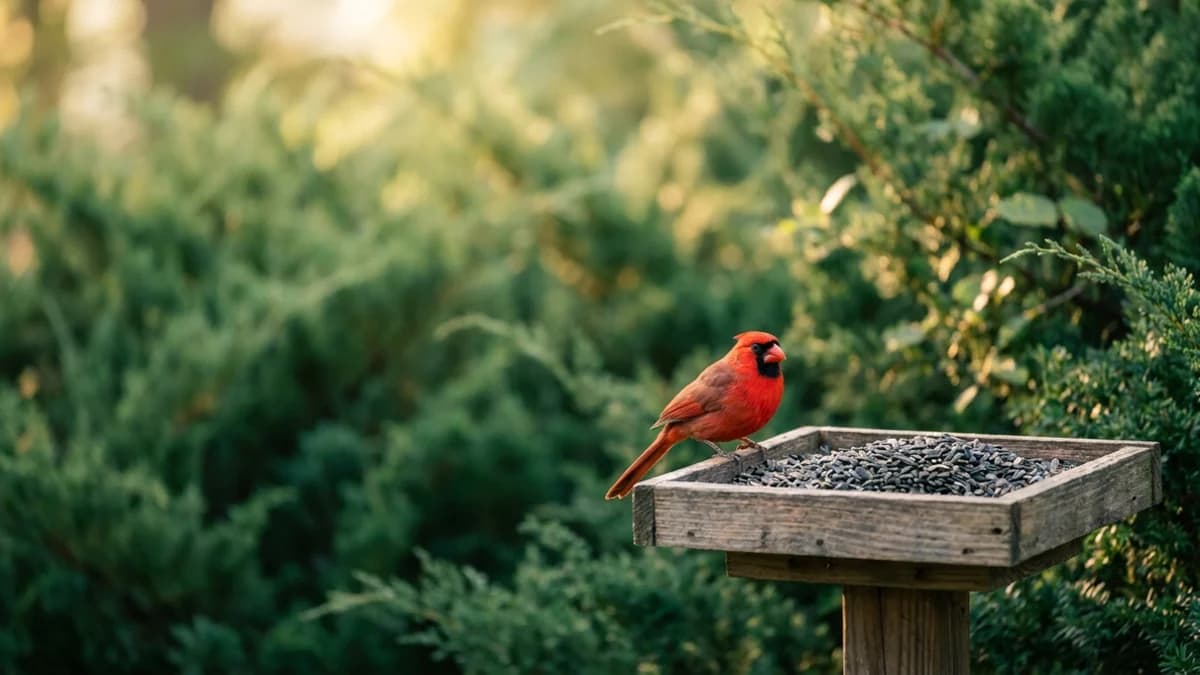
How to Attract Cardinals: Feeders, Cover & Water
Attract cardinals with a platform or hopper feeder, dense shrubs for cover, and water. Feed at dawn and dusk — here's the full habitat setup.
BirdingPath Editorial3 min·July 19, 2026
Practical, jargon-free birding advice — gear comparisons, backyard how-tos, and the answers to questions every new birder has. No fluff, no gatekeeping.
Showing 31–49 of 49 posts
Attract cardinals with a platform or hopper feeder, dense shrubs for cover, and water. Feed at dawn and dusk — here's the full habitat setup.
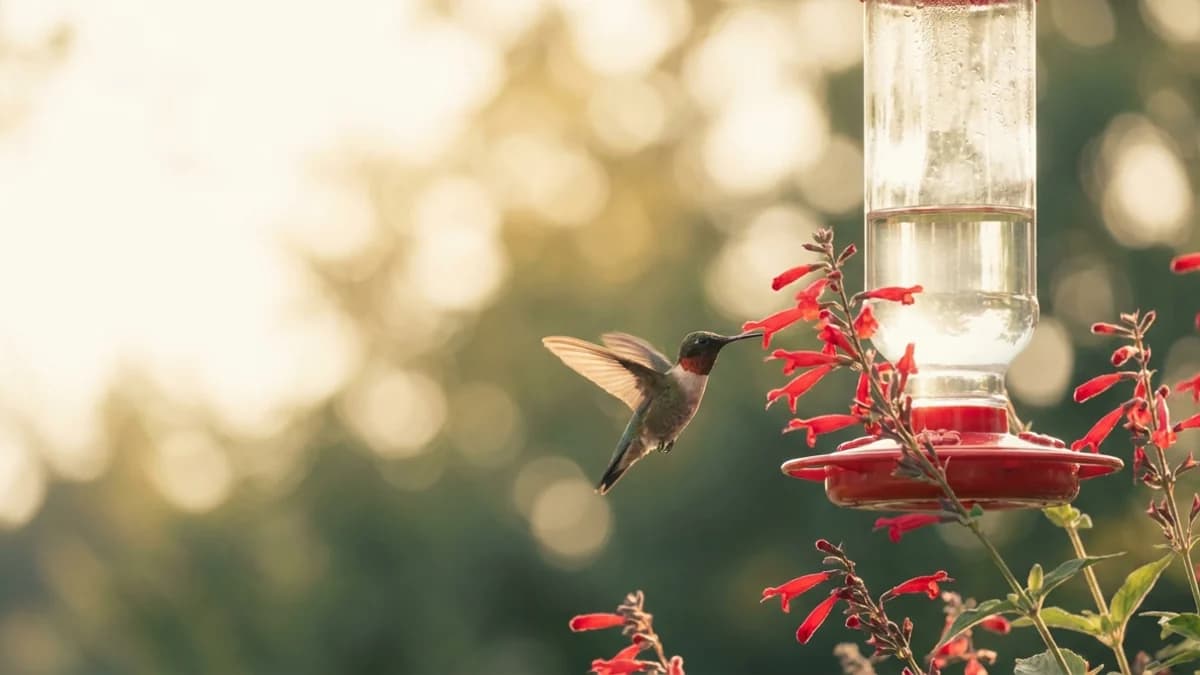
Attract hummingbirds with the right nectar: 4 parts water to 1 part white sugar, no red dye, no honey. Here's the full setup.
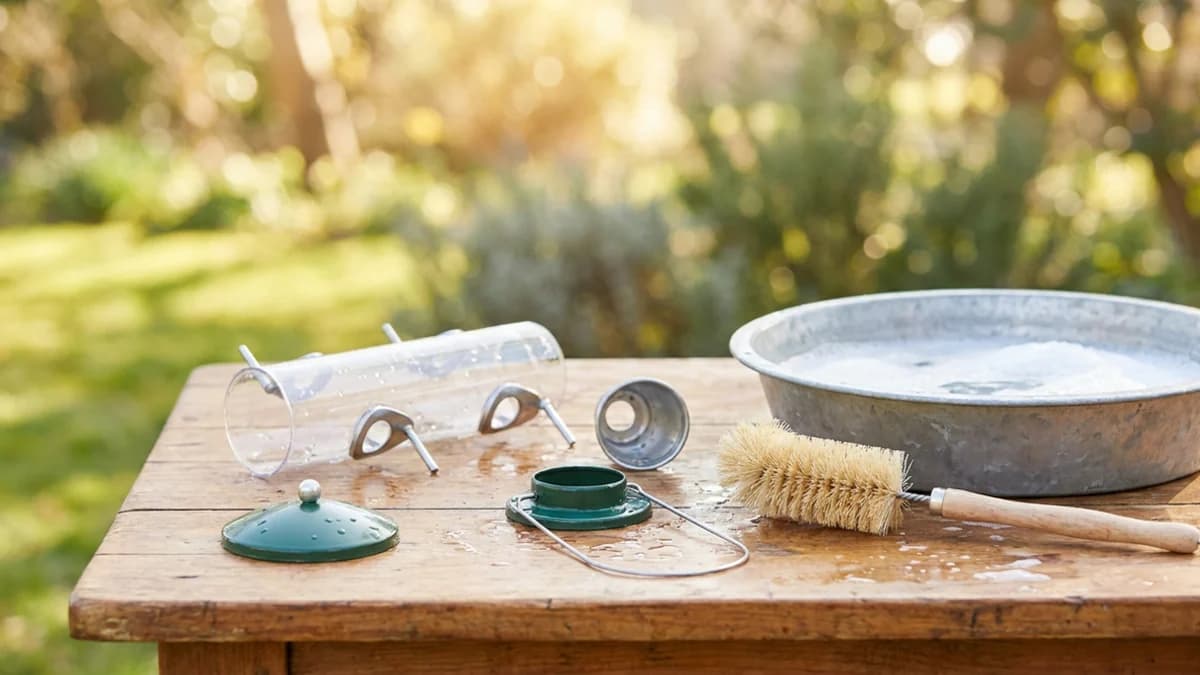
Clean feeders every ~2 weeks with a 1:9 bleach-water soak, scrub, rinse, and dry fully before refilling. Dirty feeders spread deadly bird disease.
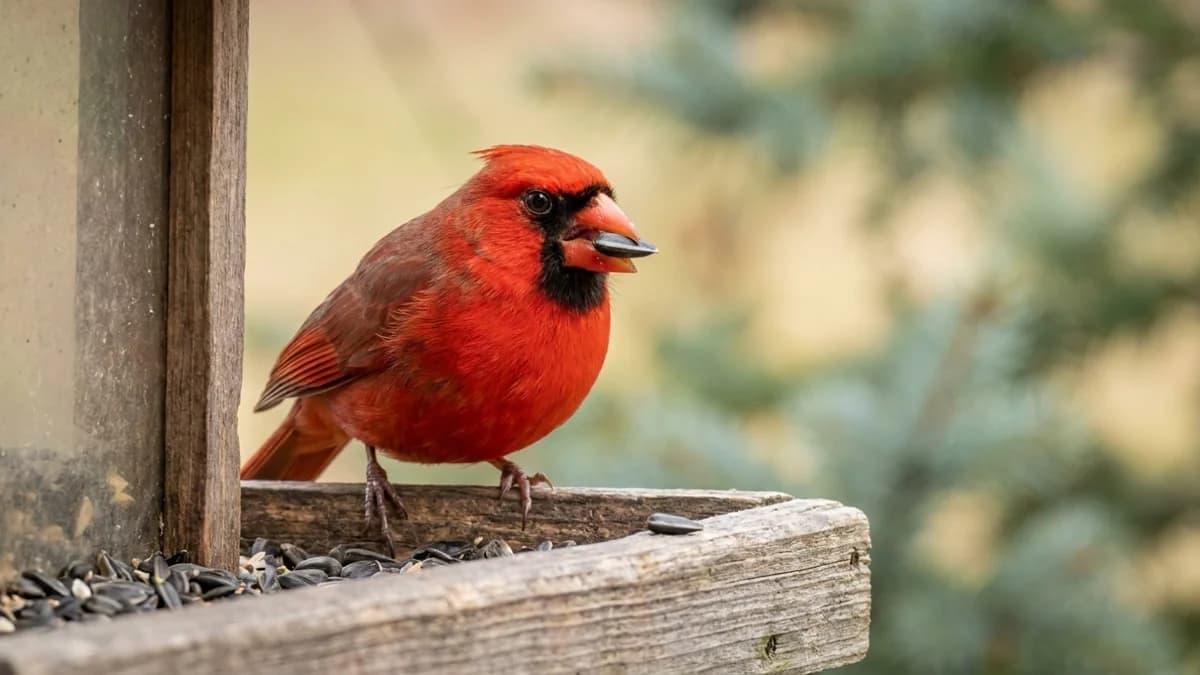
Cardinals love black-oil sunflower and safflower seeds, plus peanuts, cracked corn, berries, and summer insects. Here's exactly what to feed them.
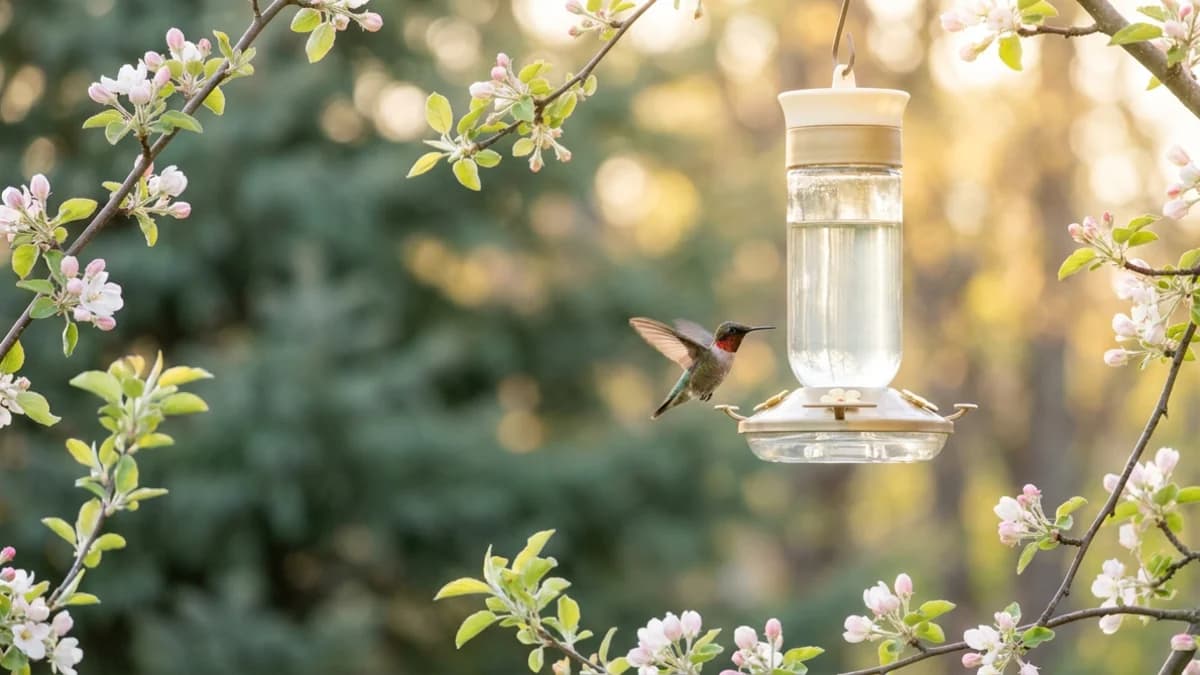
Ruby-throated hummingbirds hit the Gulf Coast by late Feb-March, mid-latitudes by April, and Canada by early-mid May. Hang feeders ~1-2 weeks early.
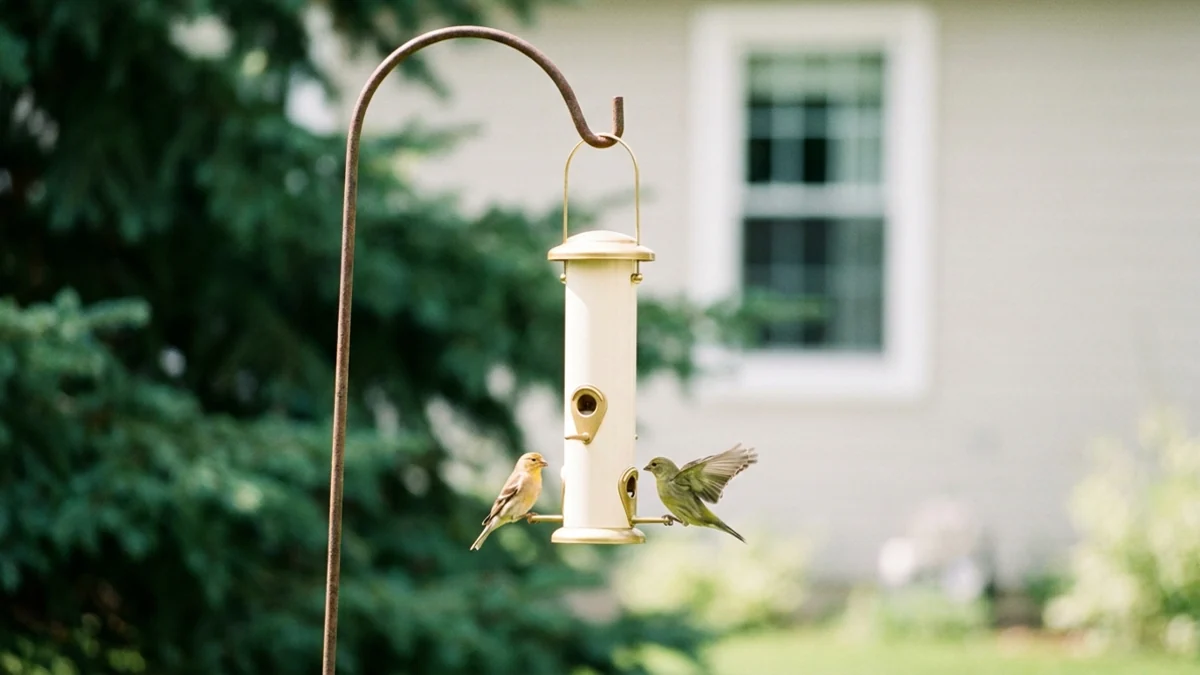
Place feeders within 3 ft of a window (and treat the glass), at least 10 ft from squirrel launch points, about 5 ft high, and 10-15 ft from cover.
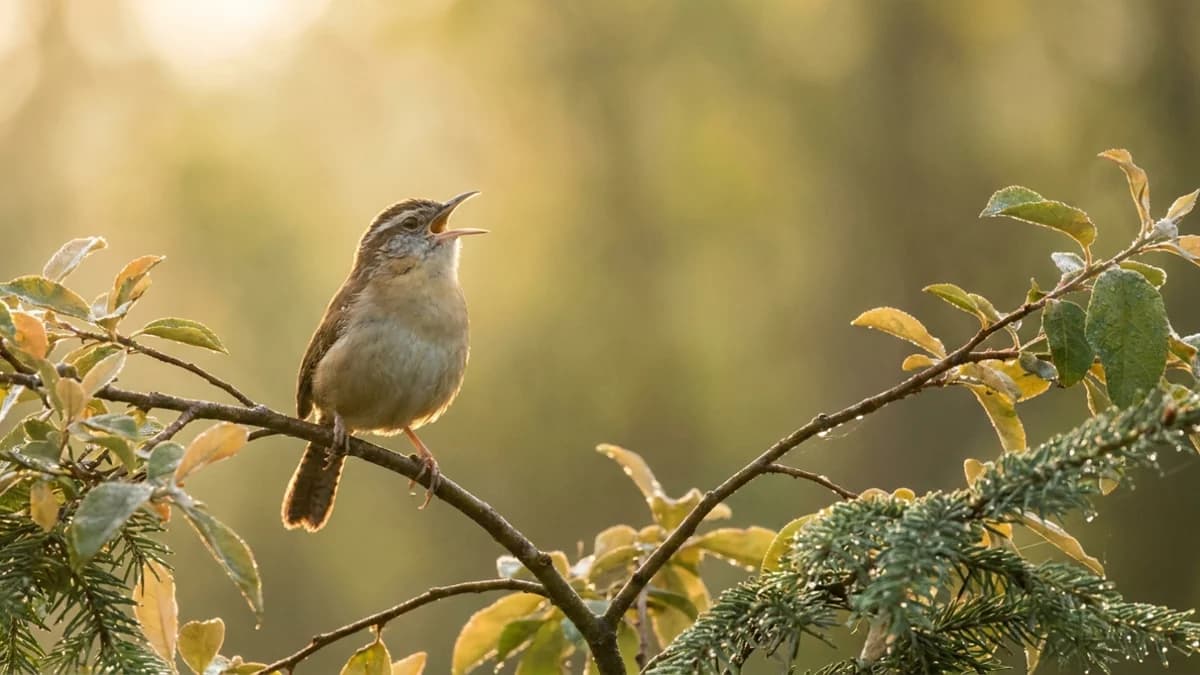
Birds sing most at dawn to defend territory and attract mates, when still air carries sound far and it's too dim to forage.
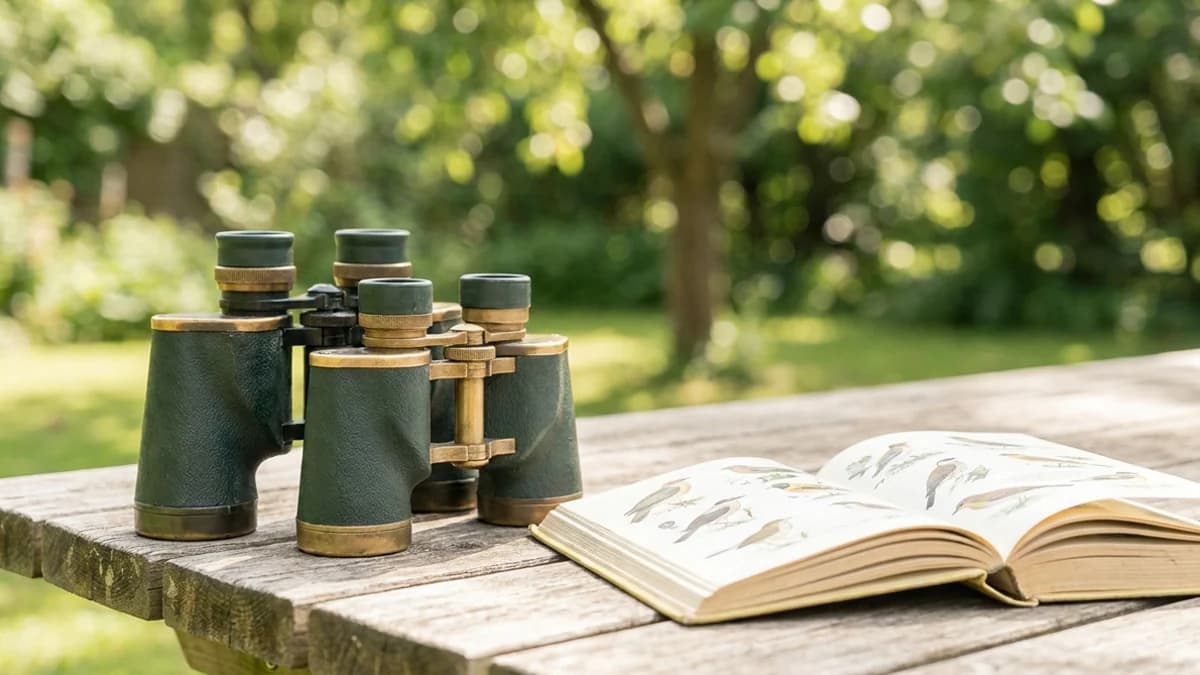
8x42 is the right pick for most birders — wider view, steadier image, brighter in shade. 10x42 suits open country and raptors.
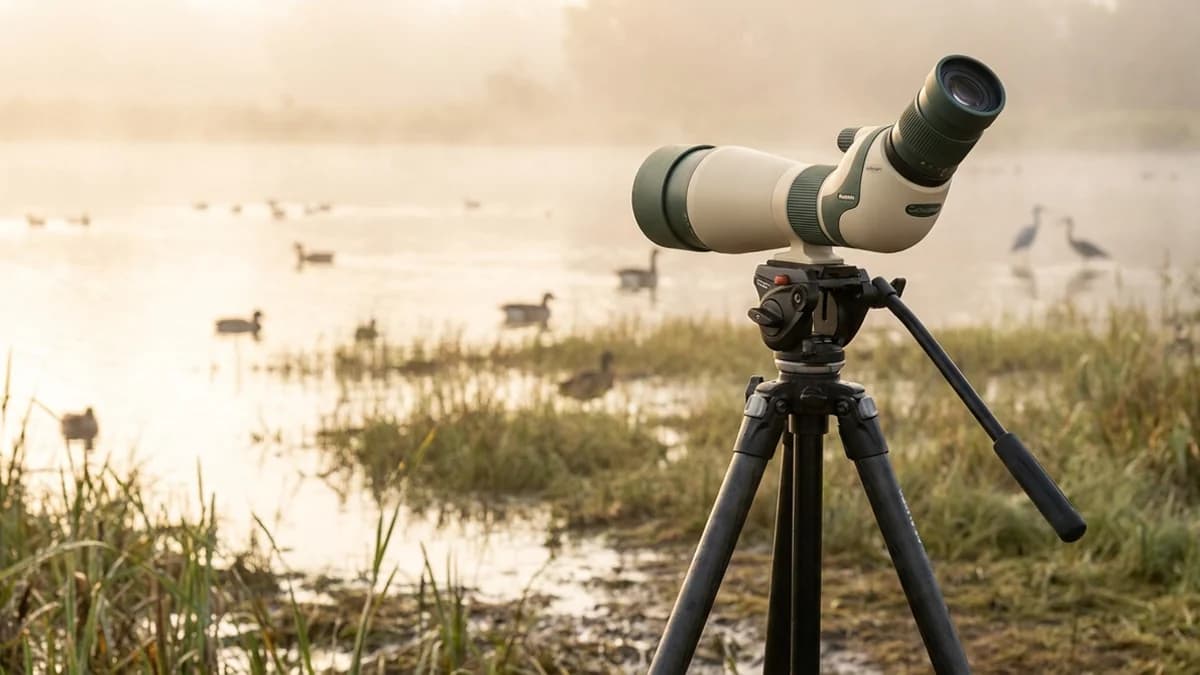
You don't need a spotting scope to start birding — get binoculars first. When a scope is worth it, when it's wasted money, and what to buy instead.
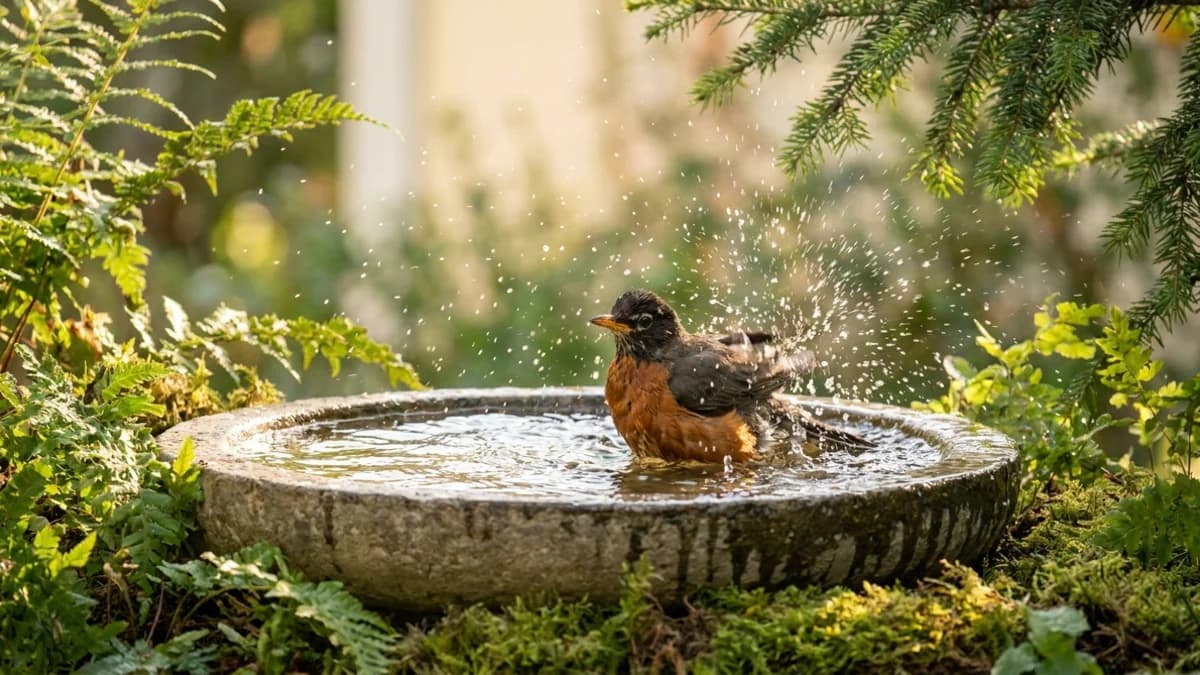
Water pulls in birds that seed never will. Keep it shallow, rough-bottomed, clean and moving, and warblers and thrushes that skip feeders can still show up.
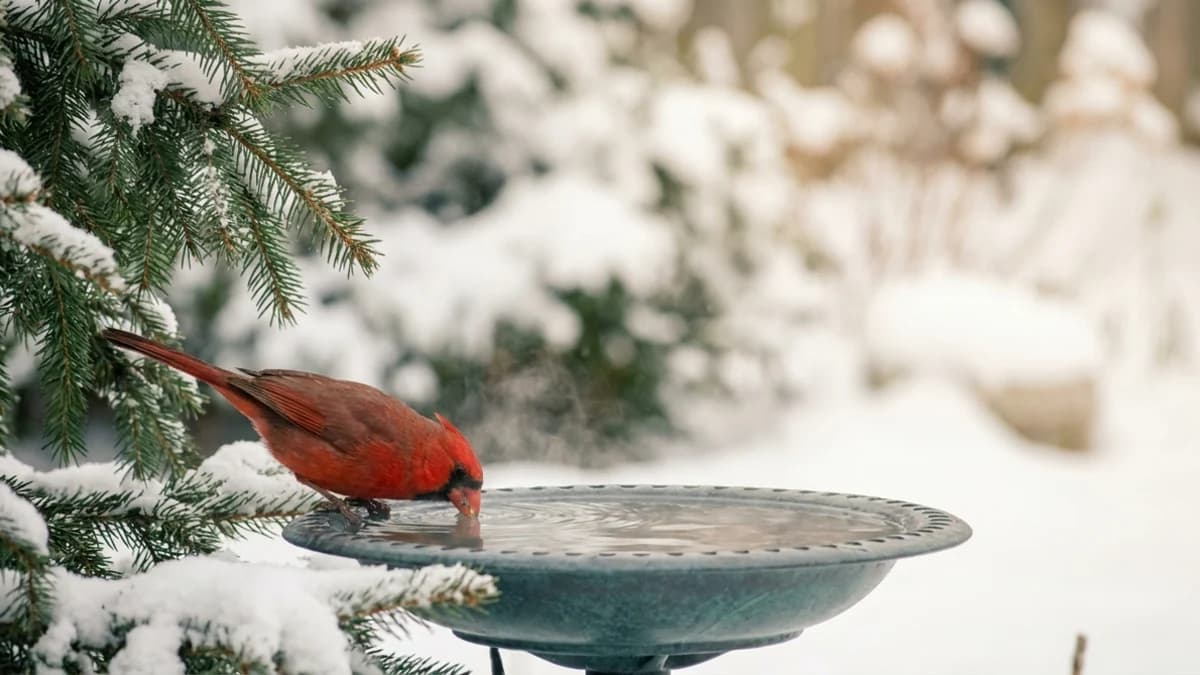
In freezing climates, open water is one of winter's scarcest resources, so a heated bath becomes a magnet when everything else locks up. In mild regions, skip it.
You already know the birds. Here's the honest gear floor, the four settings that matter, and the fieldcraft that beats expensive glass.
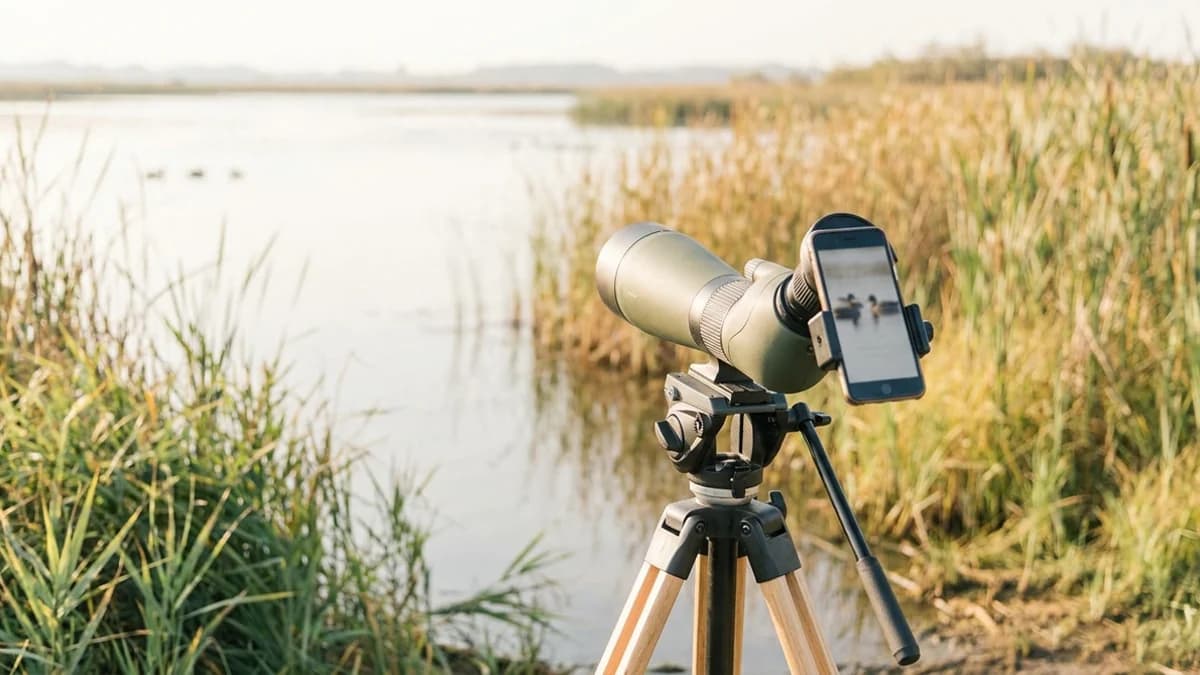
Digiscoping puts a phone behind your scope for huge reach at low cost. How to kill vignetting, lock focus, and get usable eBird documentation shots.
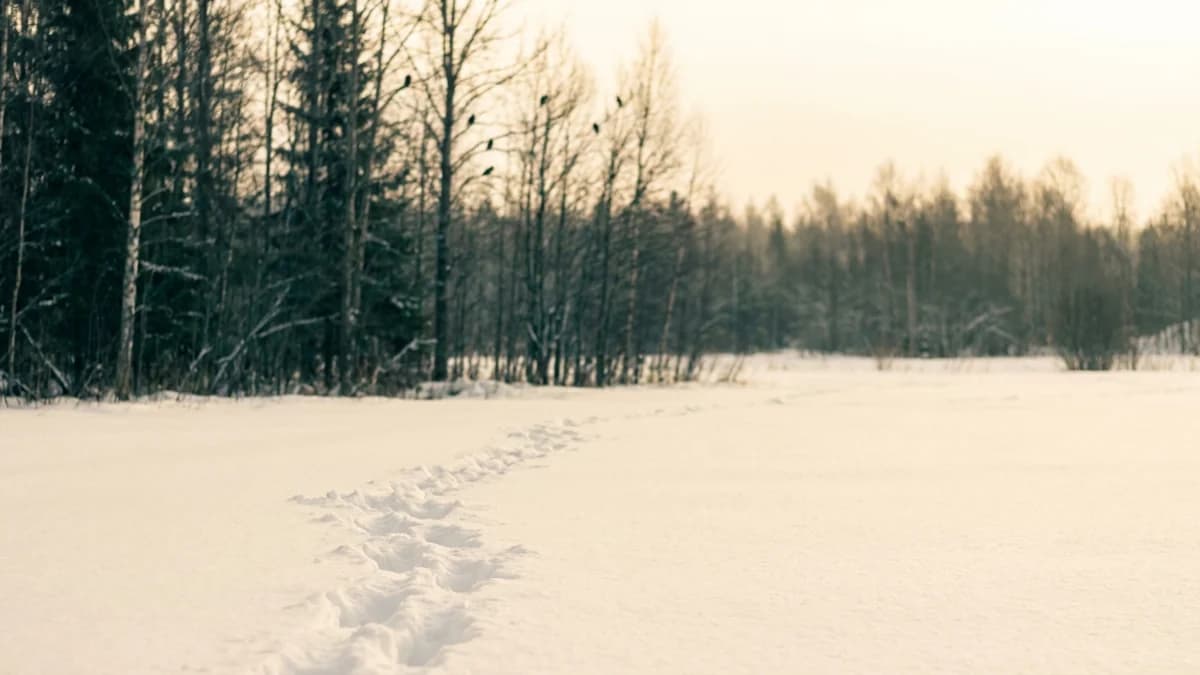
You do not need to be an expert to join a Christmas Bird Count. Find your local circle, email the compiler, and you'll be paired with a seasoned birder.
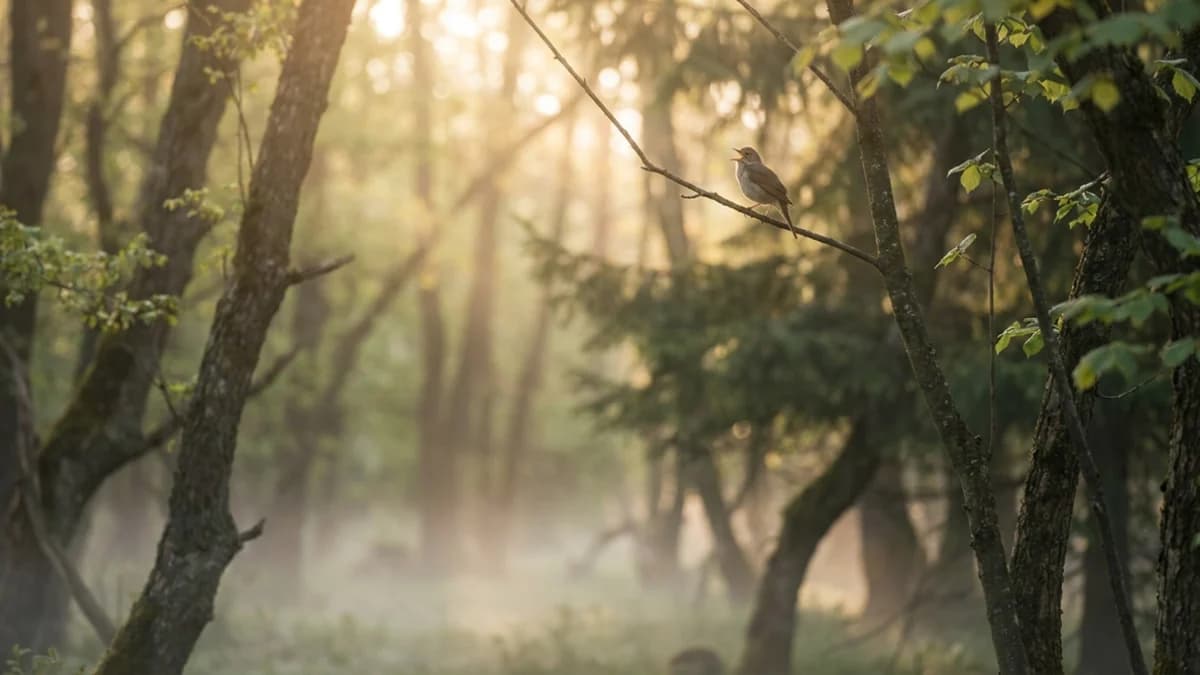
Birding by ear is a memory skill, not a musical gift. Learn 10 local singers first, describe sounds by quality, and use Merlin the honest way.
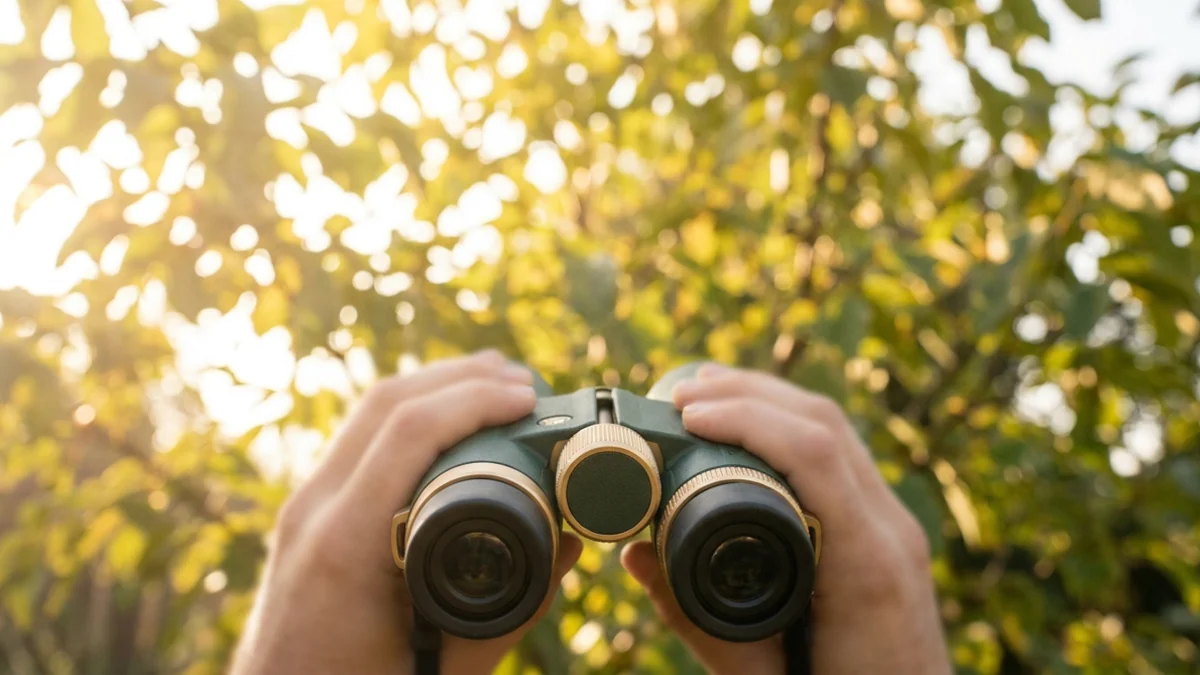
Keep losing the bird? It's setup, not skill. The raise-and-point method, the diopter step everyone skips, eyecups, steadying, and care.
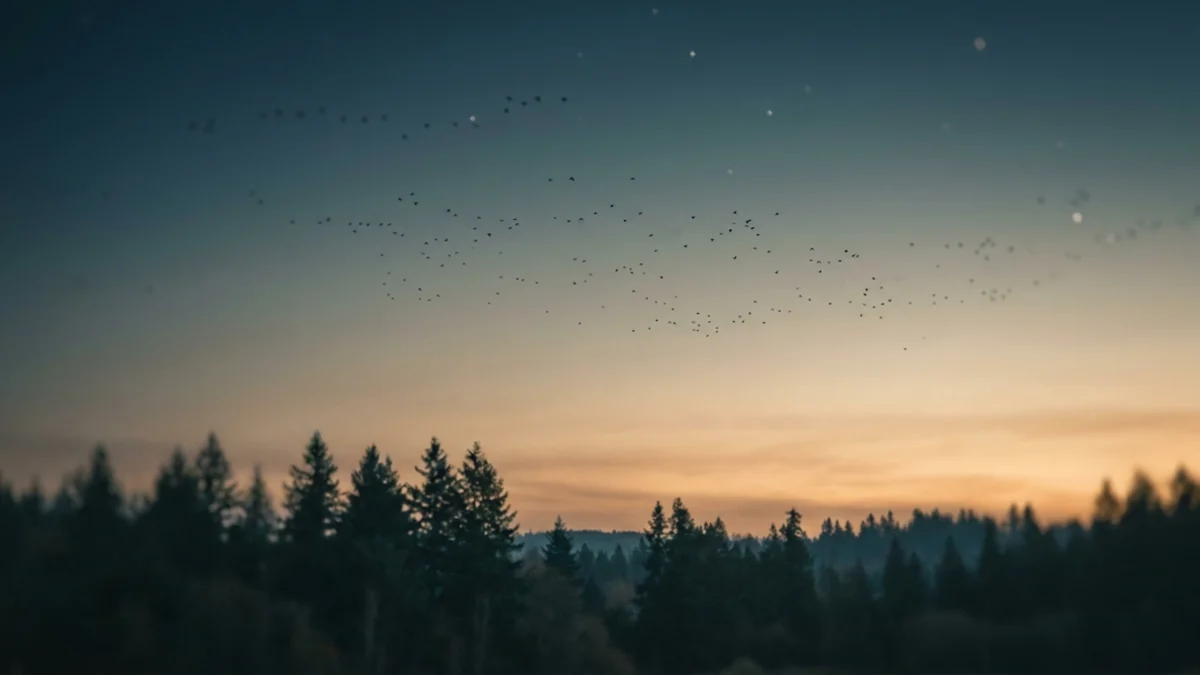
BirdCast turns weather radar into a nightly migration forecast. Read it with the wind and you can predict tomorrow morning's big day before you set the alarm.

eBird is a free Cornell Lab app that turns your everyday sightings into a life list and real conservation science. Here's how to start today.
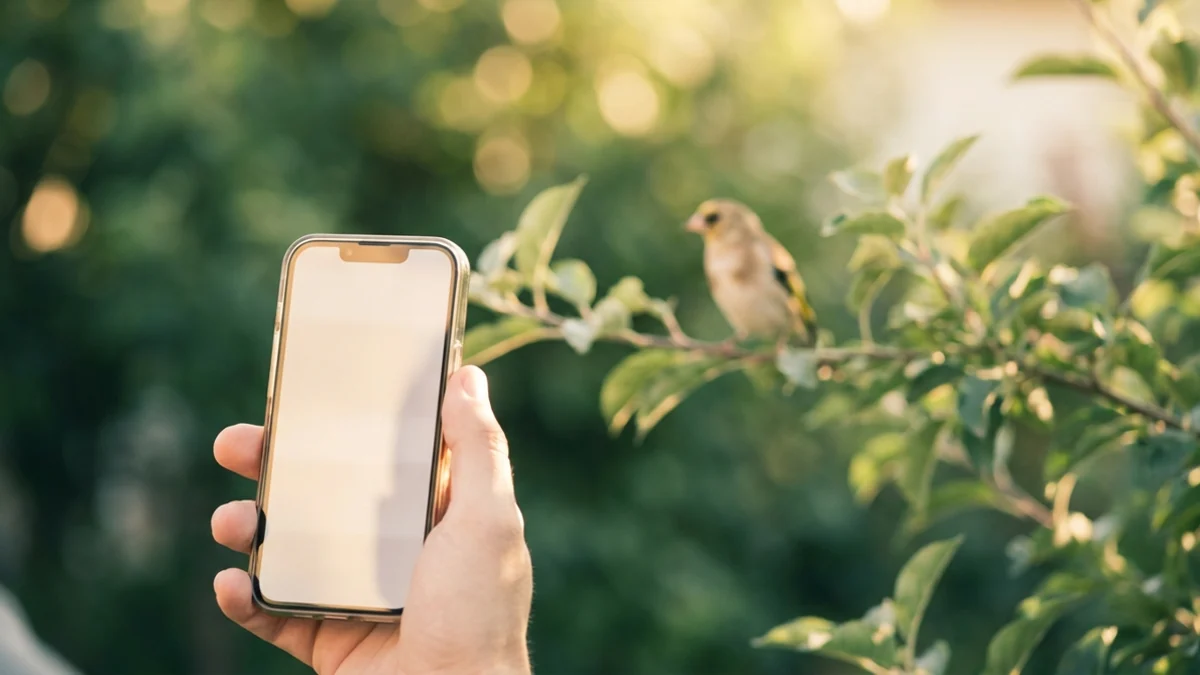
Merlin Bird ID is a free Cornell Lab app that names birds by sound, photo, or five simple questions. Here's how to set it up and use it well.