
Black Oil Sunflower Seed: When Striped or Hulled Wins
Black oil sunflower seed suits most feeders. See when striped or hulled wins on birds, mess and spoilage, using feeder trials and Cornell Lab guidance.
The short answer
- Anyone starting out: black-oil sunflower draws the widest variety of birds with thin, easy-open shells.
- You want a tidy patio; in-shell seed leaves hulls and mess below the feeder.
Key takeaways
- Black oil is the default. Its very thin shell opens for virtually all seed-eating birds, and the kernel is high in fat.
- Striped has one clear job. Its thicker shell is much harder for House Sparrows and blackbirds, so Cornell suggests trying it first when they take over.
- Hulled is popular but fussy. Birds love it, but it spoils quickly, so offer only a day or two's worth and avoid damp tube feeders.
Pick by your situation
| If your situation is… | Pick | Why |
|---|---|---|
| You are filling a feeder for the first time | Black oil | It suits the widest mix of birds and works in trays, tubes, hoppers and window feeders. |
| House Sparrows or blackbirds are taking over | Striped, as a trial | Cornell suggests it first because the thicker shell is much harder for them to crack. |
| Shells on a balcony or patio are the problem | Hulled, in small amounts | It reduces chaff, but offer only what birds can finish in a day or two. |
| Blue jays or green jays are your target | Add black-striped | Trials reported jays preferring the larger black-striped seed over black oil. |
A shortcut by situation — start from the row that sounds like you.
One in-shell pick and one shell-free blend from our catalog. We do not currently list a straight striped or hearts-only bag.
| Pick | Best for | Rating | Price | |
|---|---|---|---|---|
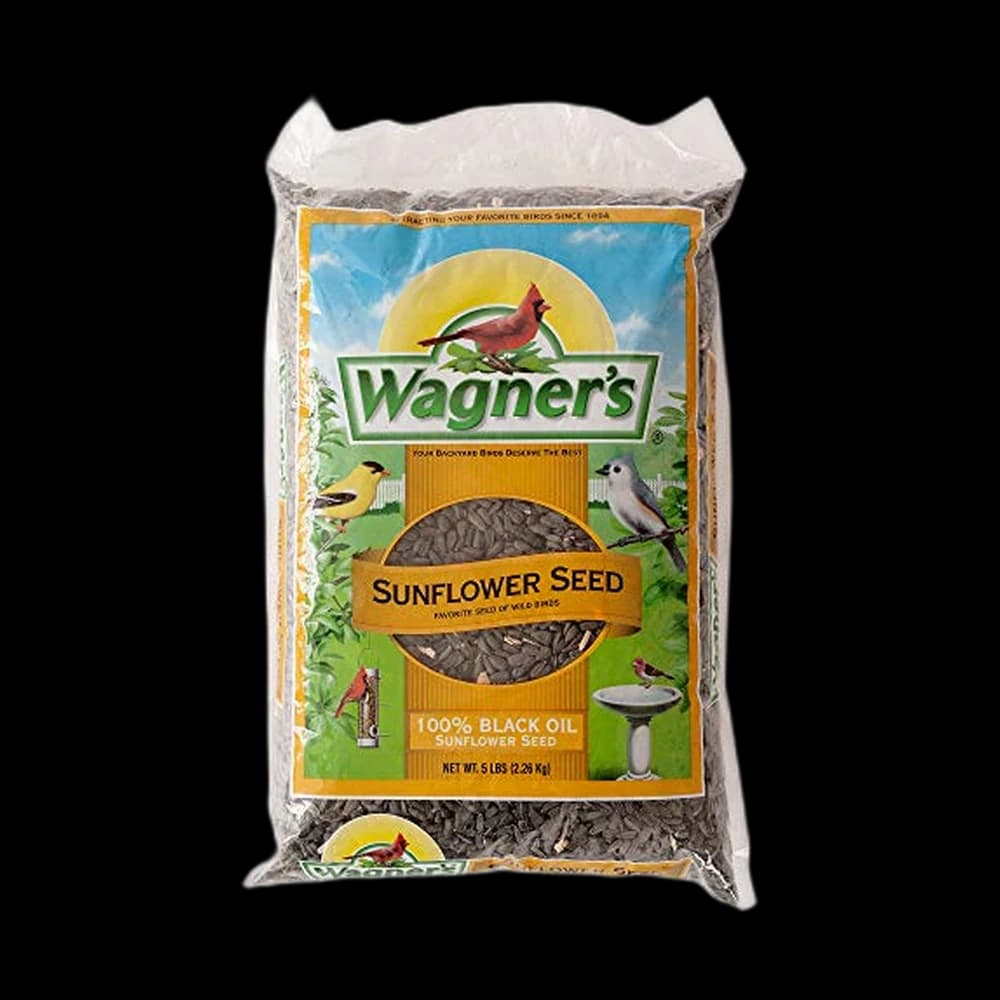
| TopWagner's 52023 Black Oil Sunflower Seed Wild Bird Food, 5-Pound Bag | The one seed that draws the widest crowd. | ★ 4.7 Amazon | $10.98 | Buy on Amazon |
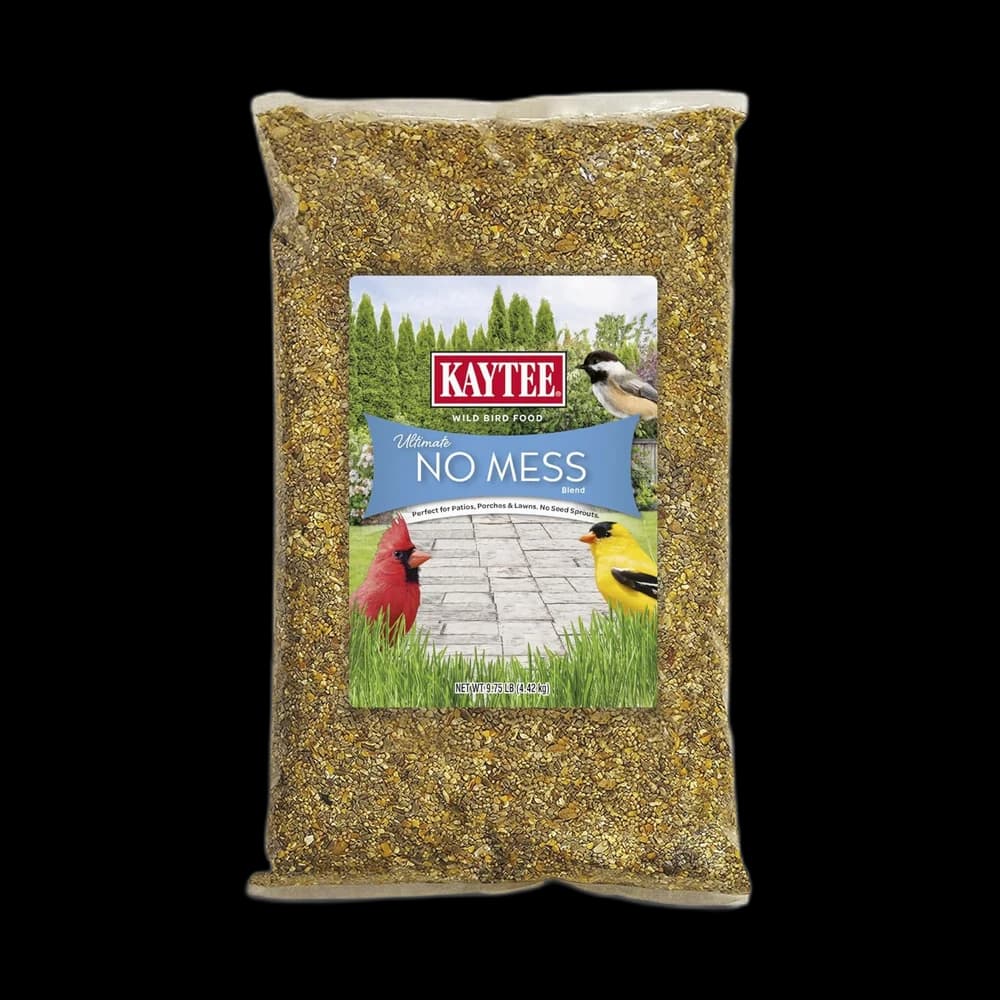 Kaytee Ultimate No Mess Wild Bird Seed, 9.75 Pounds | Shell-free blend for less hull cleanup, not a spotless patio. | ★ 4.4 Amazon | $21.99 | Buy on Amazon |
Fill your feeder with black oil sunflower seed unless you have a specific problem to solve. Switch to striped when House Sparrows or blackbirds are emptying the feeder. Switch to hulled when shells under the feeder are the problem and you can put out small amounts. Those are the two common reasons to leave black oil.
Our seed guide compares sunflower with nyjerTiny black thistle-like seed that finches love; needs a fine-port 'nyjer feeder'. and suetA high-energy cake of rendered fat (often with seeds) that draws woodpeckers, nuthatches, and chickadees.. This page covers the choice inside the sunflower bag.
The three seeds, side by side
| Black oil | Striped | Hulled (hearts, chips) | |
|---|---|---|---|
| Shell | Very thin | Thicker | None |
| Who it suits | Cardinals, chickadees, finches, sparrows | Blue jays and green jays in preference trials | Any bird that eats sunflower |
| Who it slows down | Almost nobody | House Sparrows, blackbirds | Nobody, squirrels included |
| Feeder | Tray, tube, hopper, window | Tray, tube, hopper, window | Avoid tubes where moisture collects |
| Under the feeder | Shells | Shells | Less chaff |
| Spoilage | Held up in weather | Protected by its shell | Spoils quickly once wet |
| Cost signal | Cheapest of four types in a Texas trial | Costs more than black oil in that trial | Described as expensive by Cornell |
The shell, feeder and spoilage rows come from the Cornell Lab's seed guide and Project FeederWatch. The jay and cost rows come from the trial below.
Why black oil stays the default
Project FeederWatch calls it the most common seed at North American feeders and among the favorites of cardinals, chickadees, finches and sparrows. The Cornell Lab explains why: the shell is thin enough for virtually all seed-eating birds, and the kernel is high in fat.
Field data points the same way, with two caveats worth knowing.
- Project Wildbird, a multi-year feeder study. After two years, its lead researcher said black oil was the most popular of 10 seed types and the top choice of six of the 20 most abundant feeder birds, per the National Sunflower Association's magazine. Striped was also offered, yet fine and medium sunflower chips joined black oil in the top four, not striped. The study came from a bird-feeding industry foundation, with a sunflower-association grant.
- A Texas ranch trial. Keener and Tewes (1994) concluded that black oil was the best choice if you offer one sunflower seed. It is one site in the Rio Grande Valley from 1989 to 1990, so its bird list will not match your yard.
Why black oil wins: it was not the most-visited seed in the Texas trial. It won on all-season appeal, weather tolerance and price together.
If you want one bag, Wagner's Black Oil Sunflower is the top-scored seed in our catalog.
When striped earns its place
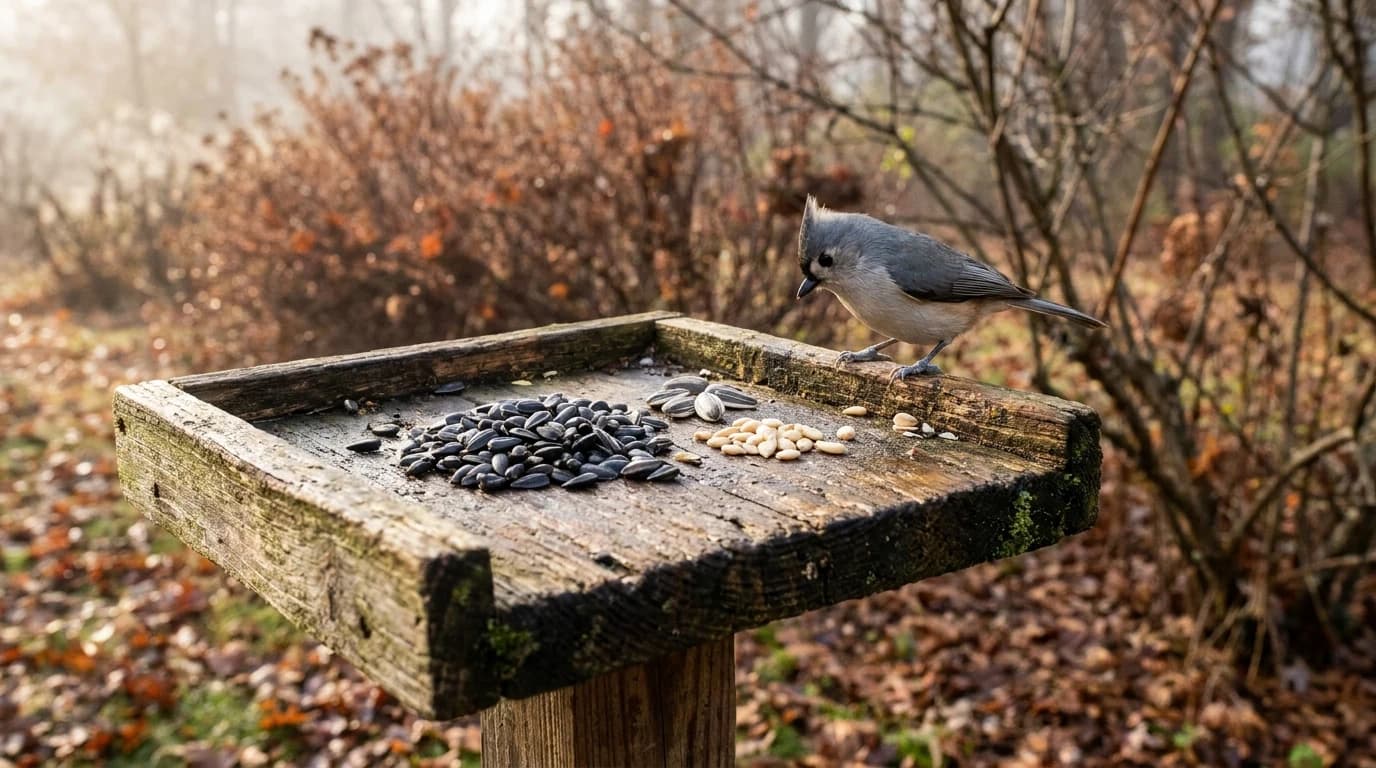
Many guides dismiss striped as the seed small birds can't open. The Cornell Lab gives it a real job: its thicker shell is much harder for House Sparrows and blackbirds to crack, so Cornell suggests trying it first if those birds are taking over a black oil feeder.
Two details from the Texas trial add to that.
- Stripe color mattered. Black-striped and black oil drew nearly equal visits and species counts, while gray-striped finished last on both measures.
- Jays lean striped. Green jays preferred black-striped over black oil, and the authors note an earlier study (Geis 1980) finding the same for blue jays.
Treat it as an experiment, not a guarantee. We could not find a trial measuring how many House Sparrows the switch removes in a typical yard. Our catalog does not currently list a straight striped bag, so check that any snack-aisle seed is unsalted and unseasoned.
When hulled is worth the trouble
The birds are not the obstacle. In the Texas sunflower trial, kernels ranked first with 552 of 1,486 visits and all 15 species. FeederWatch agrees that many species prefer this "work-free" meal.
The catch is handling, and the authors chose black oil anyway because kernels spoil quickly after contact with moisture. Hulled seed asks more of you:
- Put out a day or two's worth. The Cornell Lab says no more than birds can eat in that time, because kernels without a shell spoil fast and can harbor dangerous bacteria.
- Skip the moisture-trapping tube. Cornell specifically warns against tubes where moisture can collect.
- Keep the supply dry. FeederWatch says it spoils faster than sunflower in the shell, and our storage checklist covers the routine.
- Plan for squirrels. Cornell notes that they love shelled sunflower too.
"No mess" means less mess: FeederWatch says hulled seed reduces chaff, not that it ends cleanup.
The closest shell-free option in our catalog is a blend rather than straight hearts: Kaytee Ultimate No Mess is a sunflower-and-peanut mix.
Living with the shells
Black oil and striped both leave shells behind, and that is manageable. Birds & Blooms says there is no rush to clear them because ground-feeding birds rummage through for missed seed. Its limit is an inch or two of debris, beyond which you rake it out and compost it, since it can grow mold or spread disease.
Quick rule: shells an inch or two deep mean it is time to rake.
Whichever seed you choose, a clean feeder in a sensible spot still matters. To match a particular bird to its food, use the seed selector.
Frequently asked
What is the difference between black oil and striped sunflower seed?+
Shell thickness is the practical difference. The Cornell Lab describes black oil as very thin-shelled and easy for virtually all seed-eating birds to open, while striped has a thicker shell that is much harder for House Sparrows and blackbirds.
Do birds prefer hulled sunflower to black oil?+
Often, yes. Kernels drew the most visits in a Texas feeder trial, and Project FeederWatch says many species prefer them. The same trial still recommended black oil because kernels spoil quickly once wet.
Will striped sunflower get rid of House Sparrows?+
It may reduce them, but it is not a guarantee. The Cornell Lab suggests trying it because the shell is much harder for them to crack. We could not find a trial measuring the effect in a typical yard.
Do I need to clean up sunflower shells every day?+
No. Birds & Blooms says ground-feeding birds will search through shells for missed seed. It advises removing debris once it is more than an inch or two deep, since it can grow mold or spread disease.
Sources & further reading
We research from primary and authoritative sources. Where our guidance rests on a fact, here's where it comes from.
- Cornell Lab of Ornithology: Feeding Birds, A Quick Guide to Seed Types — Shell thickness, fat content, House Sparrow and blackbird use of striped, hulled spoilage and day-or-two limit, feeder types, and squirrels.
- Project FeederWatch: Black-oil Sunflower Seeds — Most common feeder seed in North America; favored by cardinals, chickadees, finches and sparrows.
- Project FeederWatch: Hulled Sunflower Seeds — Reduced chaff, species preference, and faster spoilage than sunflower in the shell.
- Keener and Tewes (1994): Seed Preferences of Nongame Birds in the Rio Grande Valley — Proceedings of the SEAFWA conference. Four-way sunflower trial at one south Texas ranch, 1989-1990; also cites Geis (1980) on blue jays.
- National Sunflower Association magazine: Affirming Sunflower's Importance to Bird Feeding — 2008 trade-magazine report on two-year Project Wildbird results. Industry-funded study, reported by an interested party.
- Birds & Blooms: How to Choose Sunflower Seeds for Birds — Shell debris handling, the inch-or-two limit, and using unsalted, unseasoned striped seed.
Prices and BirdingScores reflect our most recent research and refresh on a cycle; confirm the live price before buying. We may earn a commission from affiliate retailers — it never changes our recommendations. See how we review.