
Tools
State birds: the official bird of every US state
Every US state has a designated state bird. The northern cardinal is the most common, chosen by 7 states, followed by the western meadowlark (6) and the northern mockingbird (5). Pick a state to see its bird, whether it visits backyard feeders, and what to feed it.
By BirdingPath Editorial · Last checked
…or tap the map
- Often visits feeders
- Sometimes, with the right food
- Rarely or never at feeders
- A chicken breed, not a wild bird
Kentucky state bird
Northern cardinal
Cardinalis cardinalis · adopted 1926
The earliest designation in this list.
- Visits backyard feeders?
- Often visits feeders
- Cornell says nearly any feeder should attract cardinals within their range, and they particularly use sunflower seed.
- What it eats
- Mainly seeds and fruit, plus insects; nestlings are fed mostly insects. Of the birdseeds, Cornell singles out black-oil sunflower.
- How to attract it
- Offer black-oil sunflower in a feeder with room to perch, and leave some undergrowth around the yard's edges, where cardinals may nest.
- Also the state bird of
- Illinois, Indiana, North Carolina, Ohio, Virginia, West Virginia
Designation: State Symbols USA · Bird facts: Cornell Lab, All About Birds
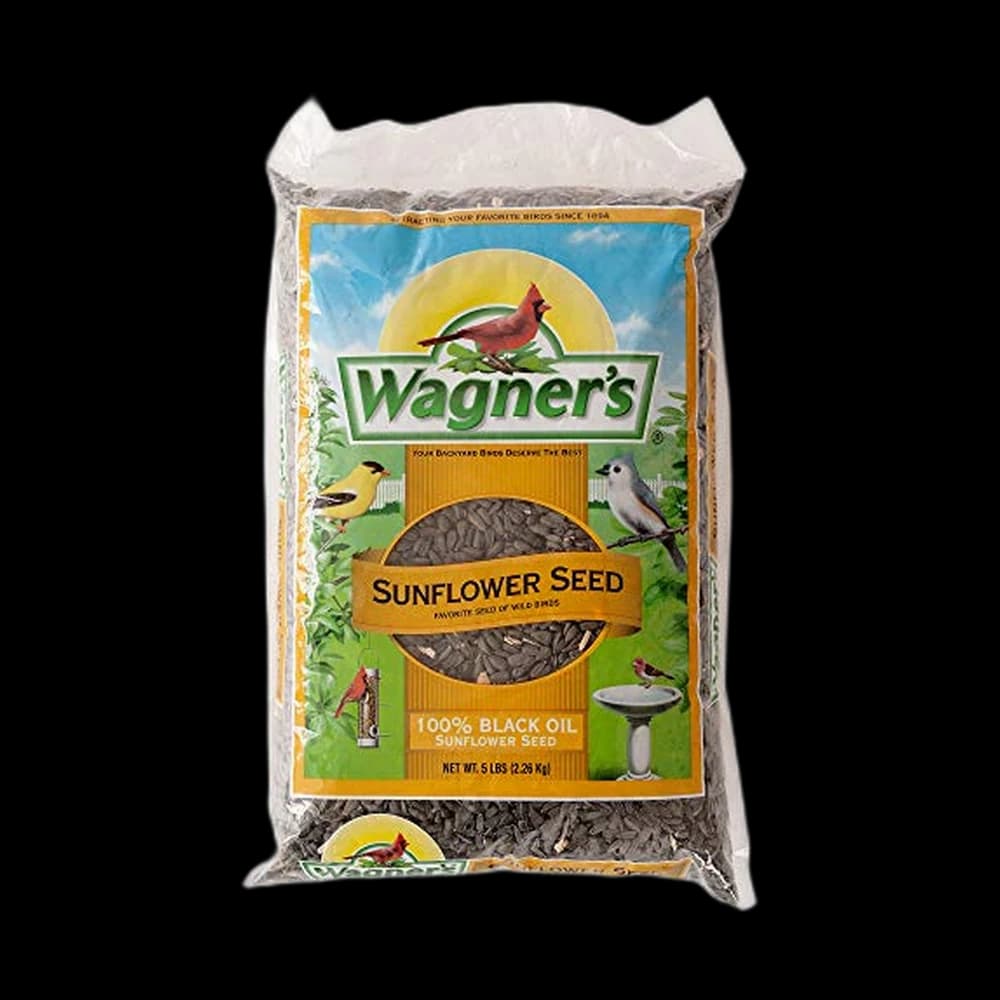
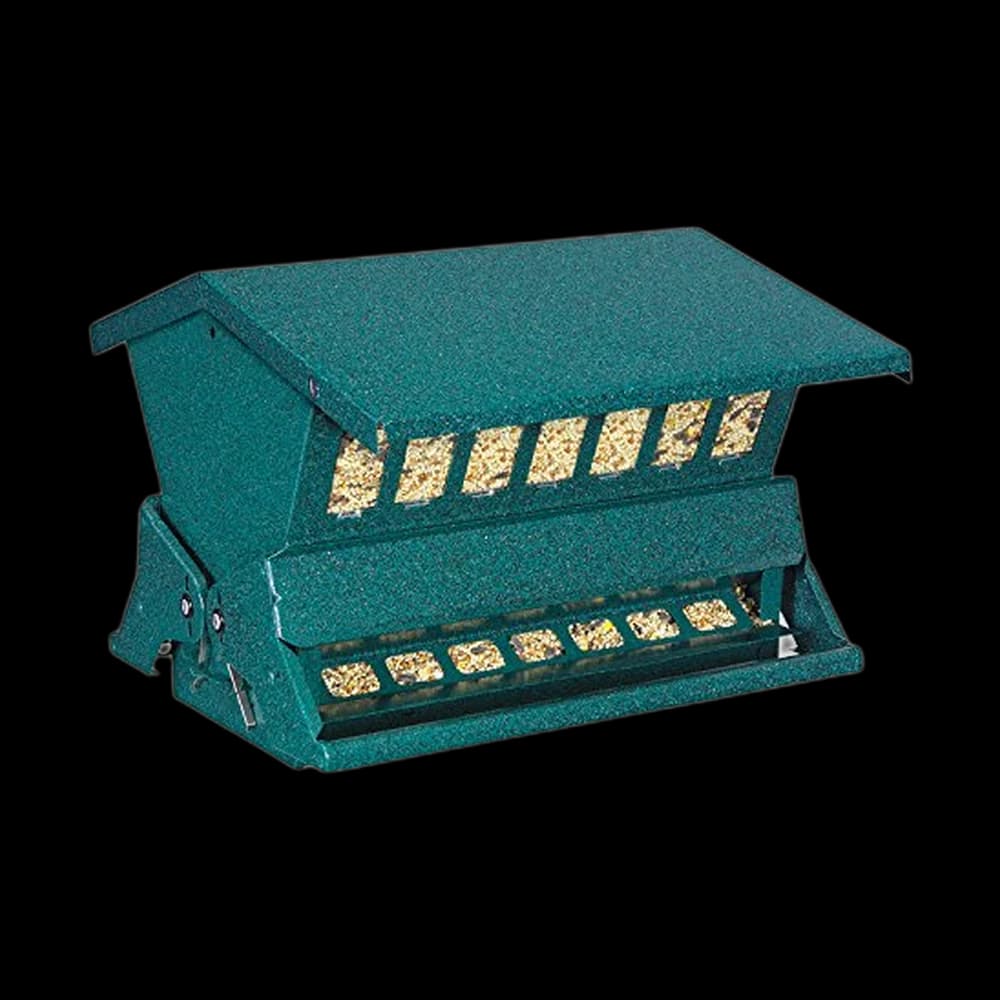
What a cardinal setup looks like
Sunflower seed and a feeder with a perch a heavy bird can stand on.
- 4.7$10.98
Anyone starting out: black-oil sunflower draws the widest variety of birds with thin, easy-open shells.
- Woodlink Absolute II79Bird4.5$84.00
High-traffic yards needing a huge 12 lb hopper with adjustable weight-activated ports on both sides.
List of state birds: all 50 states and DC
The official designation for each state, the year it was adopted, and how often the bird uses backyard feeders. Select a column heading to sort.
| Alabama | Northern flickeras “Yellowhammer” | 1927 | Rarely |
|---|---|---|---|
| Alaska | Willow ptarmigan | 1955 | Rarely |
| Arizona | Cactus wren | 1931 | Sometimes |
| Arkansas | Northern mockingbird | 1929 | Rarely |
| California | California quail | 1931 | Sometimes |
| Colorado | Lark bunting | 1931 | Rarely |
| Connecticut | American robin | 1943 | Sometimes |
| Delaware | Blue Hen chicken | 1939 | n/a (chicken) |
| District of Columbia | Wood thrush | 1967 | Rarely |
| Florida | Northern mockingbird | 1927 | Rarely |
| Georgia | Brown thrasher | 1970 | Sometimes |
| Hawaii | Nene (Hawaiian goose) | 1957 | Rarely |
| Idaho | Mountain bluebird | 1931 | Rarely |
| Illinois | Northern cardinal | 1929 | Often |
| Indiana | Northern cardinal | 1933 | Often |
| Iowa | American goldfinchas “Eastern goldfinch” | 1933 | Often |
| Kansas | Western meadowlark | 1937 | Rarely |
| Kentucky | Northern cardinal | 1926 | Often |
| Louisiana | Brown pelican | 1966 | Rarely |
| Maine | Black-capped chickadeeas “Chickadee” | 1927 | Often |
| Maryland | Baltimore oriole | 1947 | Sometimes |
| Massachusetts | Black-capped chickadee | 1941 | Often |
| Michigan | American robinas “Robin redbreast” | 1931 | Sometimes |
| Minnesota | Common loon | 1961 | Rarely |
| Mississippi | Northern mockingbird | 1944 | Rarely |
| Missouri | Eastern bluebird | 1927 | Sometimes |
| Montana | Western meadowlark | 1931 | Rarely |
| Nebraska | Western meadowlark | 1929 | Rarely |
| Nevada | Mountain bluebird | 1967 | Rarely |
| New Hampshire | Purple finch | 1957 | Often |
| New Jersey | American goldfinchas “Eastern goldfinch” | 1935 | Often |
| New Mexico | Greater roadrunner | 1949 | Rarely |
| New York | Eastern bluebird | 1970 | Sometimes |
| North Carolina | Northern cardinal | 1943 | Often |
| North Dakota | Western meadowlark | 1947 | Rarely |
| Ohio | Northern cardinal | 1933 | Often |
| Oklahoma | Scissor-tailed flycatcher | 1951 | Rarely |
| Oregon | Western meadowlark | 1927 | Rarely |
| Pennsylvania | Ruffed grouse | 1931 | Rarely |
| Rhode Island | Rhode Island Red | 1954 | n/a (chicken) |
| South Carolina | Carolina wren | 1948 | Often |
| South Dakota | Ring-necked pheasant | 1943 | Sometimes |
| Tennessee | Northern mockingbird | 1933 | Rarely |
| Texas | Northern mockingbird | 1927 | Rarely |
| Utah | California gull | 1955 | Rarely |
| Vermont | Hermit thrush | 1941 | Rarely |
| Virginia | Northern cardinal | 1950 | Often |
| Washington | American goldfinchas “Willow goldfinch” | 1951 | Often |
| West Virginia | Northern cardinal | 1949 | Often |
| Wisconsin | American robin | 1949 | Sometimes |
| Wyoming | Western meadowlark | 1927 | Rarely |
“At feeders?” is our three-way reading of each species' Cornell Lab page (often, sometimes, rarely), not a count. Territories are not listed yet.
Most common state birds
8 birds are shared by more than one state (DC not counted).
Northern cardinal · 7 states
Illinois, Indiana, Kentucky, North Carolina, Ohio, Virginia, West Virginia
Western meadowlark · 6 states
Kansas, Montana, Nebraska, North Dakota, Oregon, Wyoming
Northern mockingbird · 5 states
Arkansas, Florida, Mississippi, Tennessee, Texas
American goldfinch · 3 states
Iowa, New Jersey, Washington
American robin · 3 states
Connecticut, Michigan, Wisconsin
Black-capped chickadee · 2 states
Maine, Massachusetts
Eastern bluebird · 2 states
Missouri, New York
Mountain bluebird · 2 states
Idaho, Nevada
Which state birds visit feeders?
Many state birds were picked for their song or their symbolism, not because they come to a backyard. Grouped by what Cornell Lab's species pages say:
- Often visits feeders
- Northern cardinal (Illinois, Indiana, Kentucky, North Carolina, Ohio, Virginia, West Virginia); American goldfinch (Iowa, New Jersey, Washington); Black-capped chickadee (Maine, Massachusetts); Purple finch (New Hampshire); Carolina wren (South Carolina)
- Sometimes, with the right food
- Cactus wren (Arizona); California quail (California); American robin (Connecticut, Michigan, Wisconsin); Brown thrasher (Georgia); Baltimore oriole (Maryland); Eastern bluebird (Missouri, New York); Ring-necked pheasant (South Dakota)
- Rarely or never at feeders
- Northern flicker (Alabama); Willow ptarmigan (Alaska); Northern mockingbird (Arkansas, Florida, Mississippi, Tennessee, Texas); Lark bunting (Colorado); Wood thrush (District of Columbia); Nene (Hawaiian goose) (Hawaii); Mountain bluebird (Idaho, Nevada); Western meadowlark (Kansas, Montana, Nebraska, North Dakota, Oregon, Wyoming); Brown pelican (Louisiana); Common loon (Minnesota); Greater roadrunner (New Mexico); Scissor-tailed flycatcher (Oklahoma); Ruffed grouse (Pennsylvania); California gull (Utah); Hermit thrush (Vermont)
- A chicken breed, not a wild bird
- Blue Hen chicken (Delaware); Rhode Island Red (Rhode Island)
If your state bird is a feeder bird, the seed selector shows the seed and feeder that brings it in, and the bird seed guide compares sunflower, nyjer and suet.
Unofficial, shared and unusual cases
- Pennsylvania: the 1931 act is titled “Ruffed grouse adopted as state bird”, but some lists treat the ruffed grouse as the state game bird only.
- Oregon: schoolchildren chose the western meadowlark in 1927; in 2017 the legislature made it the official state songbird, so some lists say Oregon has no official state bird.
- Georgia: the brown thrasher was proclaimed by the governor in 1935 and made official by the legislature in 1970.
- Maine: the statute names only “the chickadee”; the black-capped chickadee is the one usually meant.
- Same bird, different name: Alabama's “yellowhammer” is the northern flicker; Iowa and New Jersey's “eastern goldfinch” and Washington's “willow goldfinch” are both American goldfinches.
- Chickens: Delaware (Blue Hen) and Rhode Island (Rhode Island Red) chose domestic breeds.
- Game birds and extras: several states also name a game bird, raptor or waterfowl (Alabama's wild turkey, Idaho's peregrine falcon, Mississippi's wood duck). This list shows the state bird only.
How this works
Each state's bird and adoption year come from State Symbols USA's per-state pages, and from the state's own statute or government page wherever we could open one (Kansas, Maine, Montana, Oregon, Pennsylvania and DC). Where sources disagree, the state's note says so rather than picking one quietly. What each bird eats and whether it visits feeders is paraphrased from that species' Cornell Lab of Ornithology All About Birds pages. The feeder rating is our plain reading of Cornell's wording: “often” where Cornell says the bird readily or commonly uses feeders, “sometimes” where it says only with particular foods, and “rarely” where it says the bird doesn't visit feeders or doesn't mention them. The gear shown is matched to the food Cornell names, from our existing catalog. Nothing is uploaded; the map runs in your browser.
State bird FAQ
What is the most common state bird?
The northern cardinal, the official bird of 7 states: Illinois, Indiana, Kentucky, North Carolina, Ohio, Virginia, West Virginia. The western meadowlark is next with 6, then the northern mockingbird with 5.
Which state was the first to choose a state bird?
Kentucky, which designated the northern cardinal in 1926, according to State Symbols USA.
Does Pennsylvania have a state bird?
Yes, with a caveat. Pennsylvania's 1931 Act 234 is titled "Ruffed grouse adopted as state bird", but some lists describe the ruffed grouse as the state game bird and say Pennsylvania has no official state bird.
Which state birds are chickens?
Two: Delaware's Blue Hen chicken (1939) and Rhode Island's Rhode Island Red (1954). Both are domestic breeds, not wild birds.
Which state birds come to backyard feeders?
Going by Cornell Lab's species pages, the state birds most likely at feeders are: Northern cardinal, American goldfinch, Black-capped chickadee, Purple finch, Carolina wren. Many others, such as the western meadowlark and northern mockingbird, rarely use them.
What is the state bird of Washington, DC?
The wood thrush. The DC Office of the Secretary says it was approved as the District's official bird on January 31, 1967.
Sources
Last checked: . Each state's own source links appear under its result above.
State designations
- State Symbols USA: official state birds (per-state pages for all 50 states and DC)
- DC Office of the Secretary: DC Symbols (District of Columbia)
- Kansas Historical Society: Kansas state symbols (Kansas)
- Maine Revised Statutes, Title 1 §209 (Maine)
- Montana Code Annotated 1-1-504 (Montana)
- Oregon Legislature: SCR 18 (2017) (Oregon)
- Pennsylvania General Assembly: 1931 Act 234 (Pennsylvania)
Diet and feeder behavior (Cornell Lab of Ornithology, All About Birds)
- American goldfinch
- American robin
- Baltimore oriole
- Black-capped chickadee
- Brown pelican
- Brown thrasher
- Cactus wren
- California gull
- California quail
- Carolina wren
- Common loon
- Eastern bluebird
- Greater roadrunner
- Hermit thrush
- Lark bunting
- Mountain bluebird
- Nene (Hawaiian goose)
- Northern cardinal
- Northern flicker
- Northern mockingbird
- Purple finch
- Ring-necked pheasant
- Ruffed grouse
- Scissor-tailed flycatcher
- Western meadowlark
- Willow ptarmigan
- Wood thrush