
Dried Mealworms & Insect Feed
The protein course. Dried mealworms and insect feed pull in bluebirds, wrens and chickadees that ignore a seed feeder — and they run out, so this is the bag you rebuy.
Content updated October 16, 2026
The 30-second answer
The five-pound bags are the sweet spot, and the top two are close on BirdingScore and differ in very little a buyer would notice: the PICKY NEB and the Hatortempt each carry thousands of owner ratings, and the live star average shows on each card below. Buy the Kaytee bag instead if you want the one product here that is sold for bluebirds and wrens rather than for laying hens.
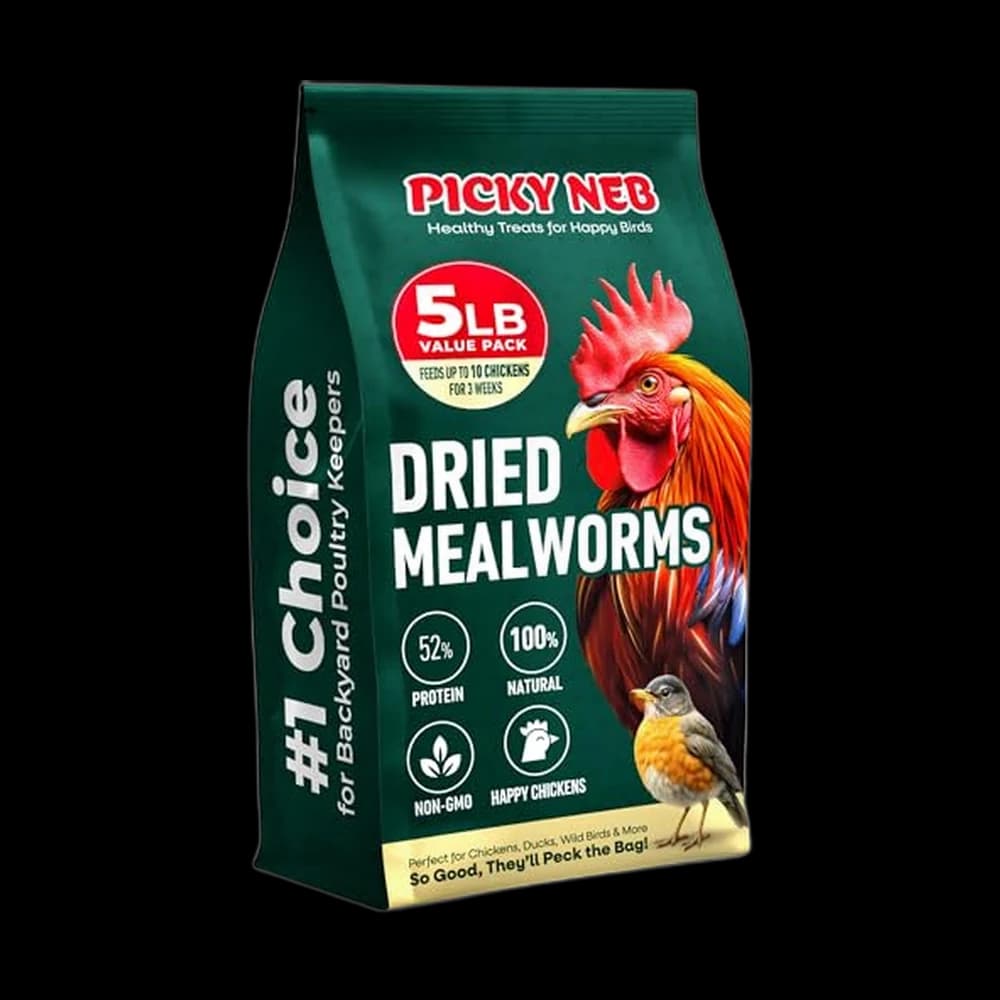
Top pickPICKY NEB Dried Mealworms 5 lb
The default bag for a yard running one mealworm dish: five pounds, thousands of owner ratings, and non-GMO stated on the label.
Buy on Amazon$34.99
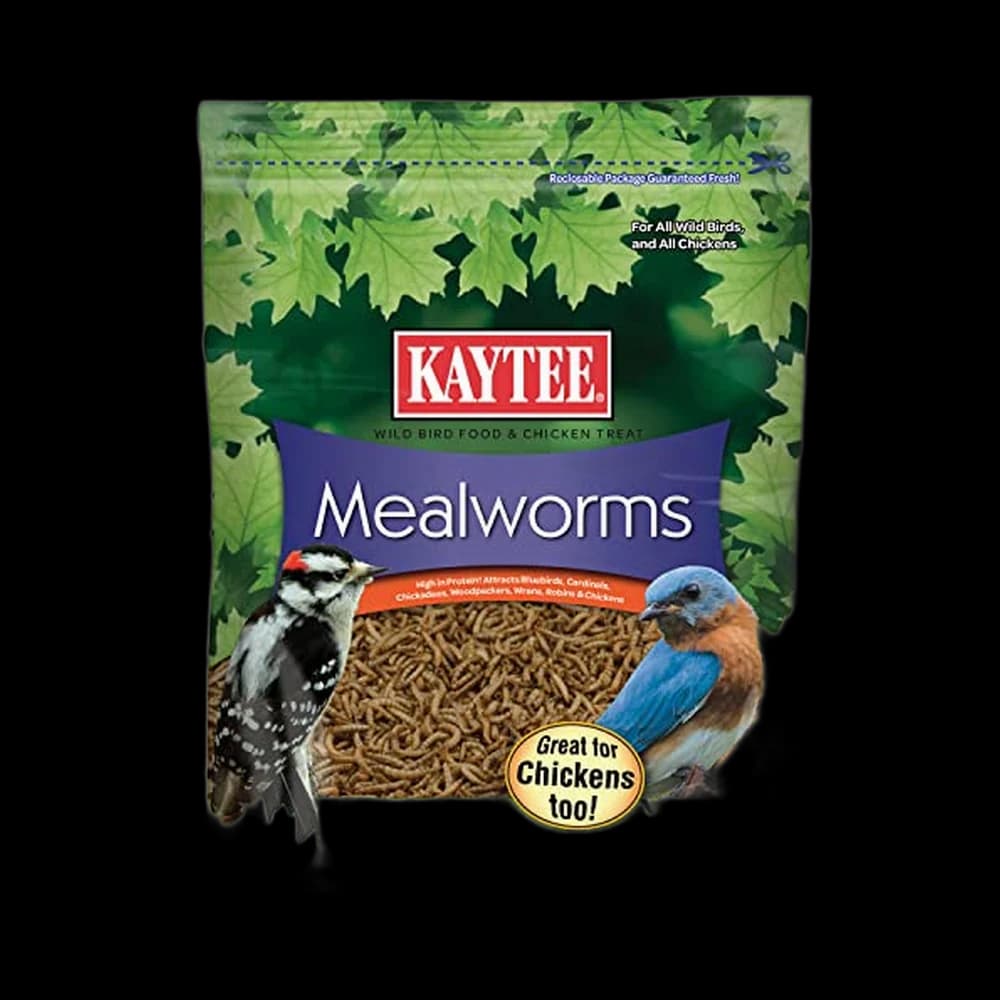
Great valueKaytee Mealworms 17.6 oz
A first bag, and the one to hand someone starting out: it is oven-dried, sized for a single dish, and names the songbirds it is meant to attract on the front.
Buy on Amazon$21.99
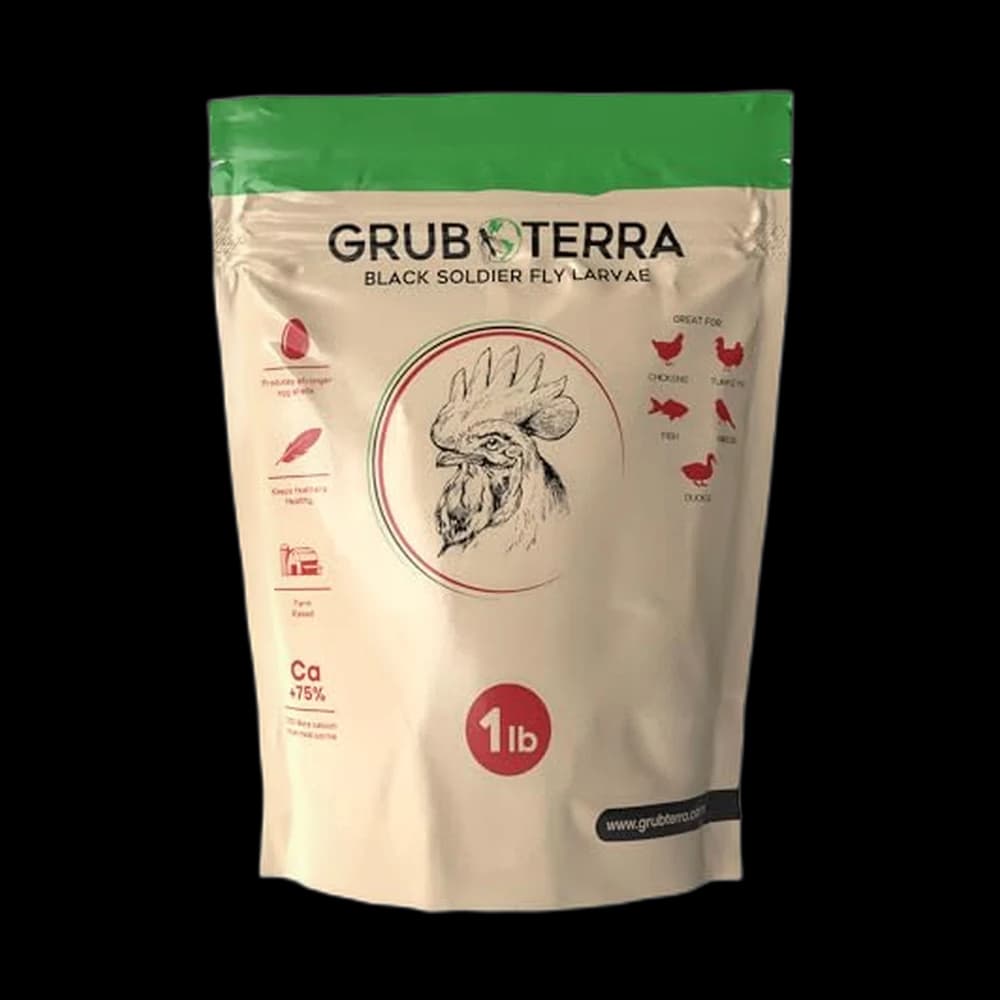
Cheapest alternativeGrubTerra Dried Black Soldier Fly Larvae
Trying insect feed for the first time, or nesting season specifically — black soldier fly larvae are marketed on higher calcium than mealworms.
Buy on Amazon$18.95
Owner ratings come from Amazon; BirdingScore is our separate research score.
Compare two picks
Tap an unselected chip to compare it with your current right-hand pick — all 5 picks available.
BirdingScore
90/100
89/100
Skip it if
You want a bag sold for songbirds rather than hens — like most of this shelf, the packaging leads with chickens.
You are choosing on stated protein — this bag claims a lower figure than the PICKY NEB, on a basis neither brand explains.
Form
Dried mealworms
Dried mealworms
Bag weight
5 lb
5 lb
Stated protein
52% protein (manufacturer claim)
50% protein, 32% fat (manufacturer claim)
Non-GMO claim
Yes — stated non-GMO, no preservatives
—
Packaging
Resealable bag
Resealable bag
Who it's for
Anyone whose seed feeder is busy but who has never had a bluebird, a wren or a nuthatch stop by. Mealworms are the food those birds actually come for — and unlike a feeder, the bag runs out.
Who should skip
Skip this if your first feeder is not up yet; get sunflower and a tube feeder working before you add a treat food. And skip the eleven-pound bags unless you feed insects weekly, because an opened bag ages whether or not you use it.
What matters when buying
- Weight, not the number on the front. Bags here run from one pound to eleven, so the cheapest bag on the page is rarely the cheapest mealworm.
- Mealworms or black soldier fly larvae. Larvae are marketed on higher calcium, which is the claim that matters most in nesting season; mealworms are the classic and the one birds recognise fastest.
- A resealable bag, which every pick here has. It is the difference between a bag that lasts a season and one that goes stale in a month.
- Whether you will soak them. Rehydrating dried worms in warm water before serving is the change birders raise most often when a mealworm dish is being ignored, and it works with any bag on this page.
- Who the bag is actually sold to. Most of this shelf is marketed to backyard chicken keepers, and only one of these five leads with bluebirds and wrens.
Common mistakes
- Reading the protein percentages as a comparison. Those are manufacturer claims, stated on bases the brands do not explain, and there is no common test behind them.
- Buying the biggest bag first. Birds take mealworms a handful at a time, and a yard that gets through eleven pounds is already running several feeders.
- Tipping them into a tube feeder. Dried mealworms work in a shallow dish or a dedicated mealworm feeder, where birds can see them.
- Leaving them on an open tray. Starlings and grackles find a tray of mealworms fast and strip it in a day, which is why a caged or ported bluebird feeder is the usual fix.
How we chose: We ranked five researched picks by our BirdingScore, which blends owner satisfaction from real Amazon ratings and aggregated buyer sentiment with value inside the category. We do not run a lab and never claim hands-on testing, and where Amazon returns no rating for a listing we say so on the product rather than filling the gap.
The constraint-stacked answer
Bag weight, not bag price, is the constraint, because an opened bag ages whether you use it or not. Five pounds is the sweet spot for a yard running one dish, which is where both the PICKY NEB and Hatortempt bags sit. The 11 lb Amzey bag only makes sense across several feeders. Start on the 17.6 oz Kaytee bag if you do not yet know whether your birds take mealworms at all.
Every pick, reviewed
90Bird
PICKY NEB
PICKY NEB Dried Mealworms 5 lb
The five-pound bag with a deep, consistently high rating base.
Skip it if: You want a bag sold for songbirds rather than hens — like most of this shelf, the packaging leads with chickens.
4.8 Amazon(5,664)$34.99
89Bird
Hatortempt
Hatortempt Dried Mealworms 5 lb
The same five-pound size with the widest rating base on the page.
Skip it if: You are choosing on stated protein — this bag claims a lower figure than the PICKY NEB, on a basis neither brand explains.
4.8 Amazon(16,407)$39.99
88Bird
GrubTerra
GrubTerra Dried Black Soldier Fly Larvae
The black soldier fly alternative, sold on calcium rather than protein.
Skip it if: Volume is the point. This is a one-pound pouch sitting beside five- and eleven-pound bags, so it is the most expensive way to buy insects on this page.
4.6 Amazon(1,030)$18.95
79Bird
Amzey
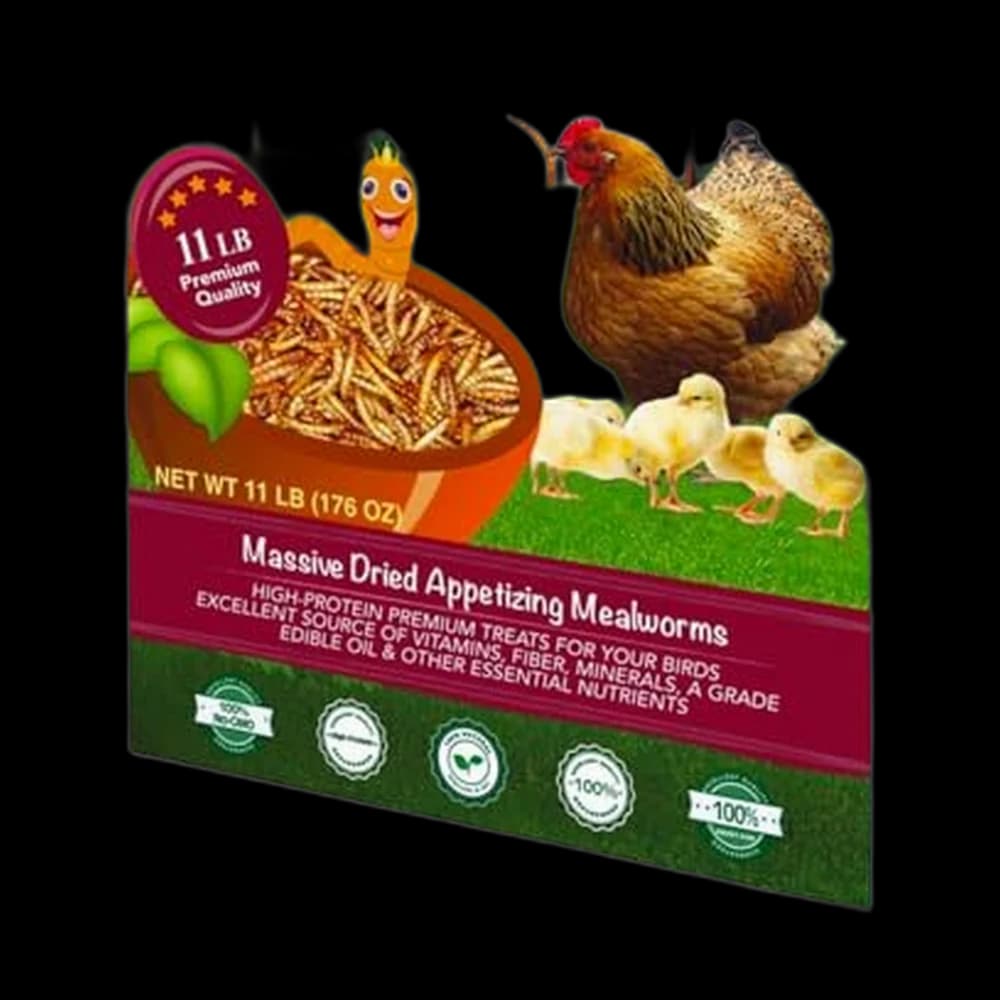
Amzey Dried Mealworms 11 lb
The bulk bag, for a yard that goes through mealworms weekly.
Skip it if: Skip unless you feed mealworms regularly — an eleven-pound bag opened for occasional treats is a bag that goes stale before it empties.
4.7 Amazon(3,386)$52.99
88Bird
Kaytee
Kaytee Mealworms 17.6 oz
The only bag here sold for bluebirds and wrens rather than for hens.
Skip it if: You already feed mealworms regularly — this is a 17.6-ounce bag against five- and eleven-pound bags, so it is the priciest way to buy them by weight here. Amazon also returns no rating for this listing, so its score rests on a neutral prior rather than owner feedback.
4.7 Amazon(12,538)$21.99
From the birding community
What birders actually say about dried mealworms & insect feed
Recurring themes we found across 91 public discussion threads in r/birdfeeding, r/birding, read in August 2026. We summarise what comes up repeatedly and link the threads — we never quote or identify anyone, and these forums don't give us vote counts, so treat this as the shape of the conversation rather than a measured majority.
Comes up again and again
Soaking dried mealworms before serving
Rehydrating dried mealworms in warm water, anywhere from a few minutes to an hour, comes up repeatedly as the single change that moved a feeder from ignored to busy, and it stops light dried worms blowing off open trays. Threads also raise it as a nestling-safety step during breeding season, since dry exoskeletons are hard for chicks to swallow.
The recurring complaint
Dried mealworms pull in starlings
Recurring across threads: dried mealworms on an open tray draw European starlings and grackles that strip it in a day. The standard workaround is moving the worms into a caged or ported bluebird feeder that larger birds cannot enter, and some threads go further and advise pulling mealworms entirely while a starling flock is established.
The dissenting view
Bluebird uptake is not guaranteed
A persistent minority reports bluebirds ignoring dried mealworms entirely while wrens, chickadees, robins and thrashers take them readily, and several threads argue that starting with live worms and switching to dried once the birds recognise the feeder is what finally works.
Comes up again and again
Black soldier fly larvae as the cheaper swap
Dried black soldier fly larvae come up again and again as an alternative, argued on calcium content during egg laying and on a lower price per bag at farm supply stores. The nutrition figures repeated in those threads trace back to marketing copy and video claims rather than published feeding trials, so treat the calcium comparison as a community argument rather than settled fact.
Frequently asked
Will dried mealworms really bring in bluebirds?+
They are the most reliable draw for bluebirds, which largely ignore seed feeders — though birders also report bluebirds passing dried worms up while wrens, chickadees and robins take them readily. Offer them in a shallow dish near open lawn rather than a hanging tube, and try soaking them first.
Dried or live mealworms?+
Live mealworms are more attractive to birds, but they need refrigeration and get bought weekly. Everything on this page is dried, which stores at room temperature in a resealable bag. If a dried bag is being ignored, the fix birders raise most often is soaking the worms in warm water for a few minutes first, which also stops light dry worms blowing off an open tray.
What is the difference between mealworms and black soldier fly larvae?+
Black soldier fly larvae are sold on higher calcium content, a claim brands point to for laying hens and for nesting season. Mealworms are the classic and the food birds recognise fastest. The GrubTerra pouch here is the black soldier fly option.
How much should I put out at once?+
A small handful at a time. Mealworms are a treat food rather than a staple, and a dish that empties beats one that sits — which is also why bag weight tells you more about the real cost than the price on the front does.
Keep narrowing the choice
Prices and ratings shown are the most recent values we pulled from affiliate retailers and refresh on a recurring cycle; confirm the live price before buying. See how we score.